
Main Courses
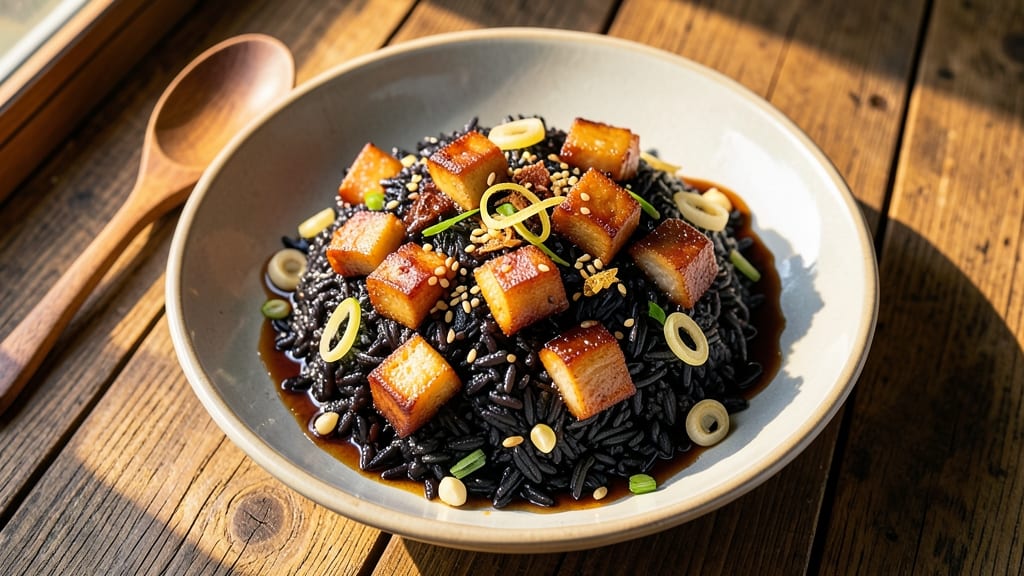
This black glutinous rice recipe savoury transforms a traditional dessert staple into a bold, aromatic main course with Thai-inspired depth.
The secret lies in balancing its naturally sweet chewiness with savory umami—think crispy pork belly, charred lemongrass, and toasted shallots—all steamed to perfection for a texture that’s both tender and satisfying.
I developed this after realizing how versatile glutinous rice could be beyond sticky rice puddings, especially when paired with Southeast Asian flavors that highlight its nutty richness.
The magic happens in the preparation: soaking the rice overnight for maximum pliability, then layering it with marinated protein and aromatic herbs before steaming. Unlike traditional sweet versions, this savory take uses a light soy-glaze reduction to bind flavors without overpowering the rice’s natural nuttiness.
The result? A dish where each bite delivers a harmonious contrast—creamy rice, crispy edges, and a bright herbaceous finish that lingers. Perfect for those who love textural complexity in every meal.
What sets this apart is the two-stage cooking method—first steaming the rice with aromatics, then finishing with a quick pan-fry to develop caramelized crusts. The dish serves as a complete meal: protein-rich, fiber-packed, and packed with umami from fermented fish sauce and toasted sesame.
It’s the kind of recipe that elevates simple ingredients into something restaurant-worthy, all while staying true to its roots. Ready to reimagine glutinous rice as a savory star?
This recipe works equally well as a standalone dish or paired with a light cucumber salad to cut through its richness. The leftovers keep beautifully for up to 3 days, making it an ideal meal-prep option for busy weeks.
Whether you’re serving it at a dinner party or keeping it for family nights, the contrast of chewy rice with savory, slightly smoky flavors will become your new go-to.
Ingredients for black glutinous rice recipe savoury
Transform traditional glutinous rice into a savory Thai-inspired main course with these aromatic, texturally rich ingredients.
| Ingredient | Amount | Notes |
|---|---|---|
| Black Glutinous Rice 🍚 | 1 ½ cups | Uncooked, soaked overnight |
| Pork Belly 🥓 | 1 lb | Skin-on, cut into 1-inch cubes |
| Thai Fish Sauce 🍶 | 2 tbsp | Red Boat preferred for quality |
| Lemongrass 🌿 | 1 whole | Bruised stems only, cut into 2-inch pieces |
| Shallots 🧅 | 4 whole | Thinly sliced, charred in oil |
| Garlic Cloves 🧄 | 6 cloves | Minced, fresh preferred |
| Thai Basil Leaves 🌿 | ½ cup | Packed, stems removed |
| Toasted Sesame Oil 🫒 | 1 ½ tbsp | For finishing, not cooking |
| Light Soy Sauce 🧂 | 3 tbsp | For glaze reduction |
| Brown Sugar 🍯 | 2 tbsp | Packed, for glaze balance |
| Vegetable Oil 🫒 | ¼ cup | High smoke point for searing |
| Lime Zest 🍋 | 1 tsp | Fresh, for bright finish |
| Salt 🧂 | 1 tsp | Kosher, adjust to taste |
| Black Pepper 🌶️ | ½ tsp | Freshly ground, cracked |
The black glutinous rice is the foundation—soaking it overnight is non-negotiable for that signature chewy texture. Look for high-quality glutinous rice at Asian markets like H Mart or 99 Ranch, where you'll find it labeled as 'sweet rice' or 'sticky rice.' The pork belly should have good marbling for flavor and fat for crispy edges. Char the shallots and lemongrass separately before adding them to the rice; this deepens their aroma and adds smoky complexity. For the fish sauce, Red Boat brand delivers the most authentic umami without overpowering the dish.
No lemongrass? Substitute 1 tbsp lemongrass paste or 2 tbsp lime juice, though fresh is ideal. Running short on pork belly? Chicken thighs or tofu work equally well—just adjust marinating time. Thai basil can be swapped for regular basil, but the anise notes are worth seeking out at specialty stores. The sesame oil is purely for finishing; don't cook with it to preserve its delicate aroma. For the glaze, if you're out of brown sugar, honey or coconut sugar will work, though the molasses notes differ slightly.
Prep the rice and marinade a day ahead—the flavors meld beautifully overnight. Store the cooked rice in an airtight container with a paper towel pressed on top to prevent sogginess; it keeps for 3 days in the fridge. Reheat gently in a steamer or microwave with a damp cloth. The pork belly can be pan-fried fresh or reheated in the oven at 350°F for 15 minutes to restore crispiness. For meal prep, portion the rice and protein separately to maintain texture.
Why You'll Love This Recipe
- One-Pot Magic: I swear by this recipe when I’m too tired to juggle multiple pans. The pork belly renders right into the rice, so you’re basically doing everything in one pot—no extra bowls, no extra cleanup.
- Umami Bomb: That Thai fish sauce and lemongrass? It’s where the real flavor lives. The pork belly gets sticky and caramelized, while the rice soaks up all the savory, herby goodness—like a hug for your taste buds.
- Lunchbox Hero: Between us, this is my secret weapon for meal prep. The rice holds up perfectly for days, and the pork stays tender, so I can pack it for work or school lunches without stress. (Yes, even on a Tuesday night.)
- Budget Stretch: Pork belly might sound fancy, but a little goes a long way here. The rice is cheap, the aromatics are affordable, and the dish feels special without breaking the bank. Leftovers? Even better—they taste just as good reheated.
Step-by-step instructions for savory black glutinous rice with Thai herb crunch
Mastering this dish requires balancing sticky rice texture with rich pork belly flavors and aromatic herbs.
Prepare the Pork Belly for Maximum Flavor
Cut the 1 lb pork belly into 1-inch cubes, ensuring each piece maintains its skin for crispy rendering. In a small bowl, combine 2 tbsp Thai fish sauce, 1 tsp salt, and 0.5 tsp black pepper, then toss the pork cubes generously in this marinade. Let them sit at room temperature for 30 minutes while you prep the remaining ingredients.
Real talk: this marinating time is crucial. It allows the fish sauce to penetrate the pork, creating a deep umami foundation. Don't skip it—rushed marinating leads to bland pork. While waiting, prepare the lemongrass by bruising the stems with the flat side of your knife and cutting them into 2-inch pieces. This releases their aromatic oils without making them bitter.
Render the Pork Belly to Crispy Perfection
Heat 0.25 cup vegetable oil in a large skillet over medium heat until shimmering. Add the pork belly in a single layer, skin-side down, and cook undisturbed for 8-10 minutes until the skin becomes deep golden brown and crispy. You'll notice the fat beginning to render out—this is what creates that irresistible texture.
Once the skin is crispy, carefully flip the pork cubes and cook for another 5-6 minutes until the internal temperature reaches 160°F. Transfer the cooked pork to a plate, leaving the rendered fat in the skillet. This fat is liquid gold—it carries all the pork's flavor and will form the base of your glaze. Keep the pork warm while you prepare the rice and aromatics.
Cook the Black Glutinous Rice to Sticky Perfection
Drain the soaked 1.5 cups black glutinous rice thoroughly, then transfer to a pot with 3 cups water. Bring to a boil over high heat, then immediately reduce to low heat and cover tightly. Simmer for 25-30 minutes without lifting the lid—this steaming method develops the rice's signature chewy texture.
Here's the thing: glutinous rice requires patience. The longer it cooks, the stickier and more cohesive it becomes. After 25 minutes, perform the rice test—insert a fork and gently stir. If the grains cling together and the fork pulls out a solid strand, it's ready. If not, cover and cook for another 5 minutes. Once done, remove from heat and let it sit covered for 10 minutes—this resting period allows the starches to fully develop.
Build the Savory Glaze and Aromatics
In the same skillet with pork fat, add the bruised lemongrass and cook for 2 minutes until fragrant. Add the 4 whole shallots and 6 cloves garlic cloves, cooking for another 3 minutes until the shallots are deep golden brown and the garlic is aromatic. Remove these aromatics and set aside, leaving their oils in the pan.
To the skillet, add 3 tbsp light soy sauce and 2 tbsp brown sugar. Stir constantly over medium-high heat for 3-4 minutes until the mixture reduces to a thick, glossy glaze. The sugar will caramelize slightly, adding depth to the sauce. Taste and adjust seasoning with additional Thai fish sauce if needed—this glaze should be sweet-savory with a subtle umami punch.
Assemble and Finish with Herb Crunch
Fluff the cooked rice gently with a fork, then transfer it to a large serving platter. Arrange the crispy pork belly cubes on top, spooning the reduced glaze evenly over the rice and pork. Sprinkle the reserved shallots and garlic over everything, then scatter the 0.5 cup Thai basil leaves on top.
Drizzle with 1.5 tbsp toasted sesame oil and finish with 1 tsp lime zest. The sesame oil adds nutty depth while the lime zest brightens the dish. Serve immediately while the pork is still crispy and the rice maintains its sticky texture. Each bite should deliver a perfect balance of chewy rice, savory pork, aromatic herbs, and sweet-salty glaze—this is where all the components come together in harmony.
Pro Tips For Making Black Glutinous Rice Recipe Savoury
- SOAK THE RICE LONG: Black glutinous rice needs at least 6 hours—overnight is ideal—so it absorbs enough water to soften properly. I learned this the hard way when my first batch turned out chewy and undercooked, no matter how long I steamed it.
- CHAR THE SHALLOTS LOW: Cook those shallots slow and steady over medium-low heat until deep golden brown, not crispy. Burnt shallots make the whole dish bitter, and you’ll end up masking the pork belly’s richness instead of enhancing it.
- SALVAGE OVERCOOKED PORK: If your pork belly turns out too soft, slice it thin and toss it into the rice at the very end with the fish sauce. The residual heat will crisp the edges just enough to add texture without drying it out completely.
- BLANCH LEMONGRASS FIRST: Quickly blanch the lemongrass stalks in boiling water for 30 seconds before slicing—it softens the fibrous core so you can actually chew it, not just swallow it. Skimping here means a mouthful of tough, chewy stalks ruining every bite.
Best sauces and condiments for these flavors
Thai-Inspired Soy Glaze
This light soy-glaze reduction is the backbone of the dish, balancing sweetness and umami perfectly. Start by simmering 3 tbsp light soy sauce with 2 tbsp brown sugar in the pork fat until it thickens into a glossy sauce.
The caramelized sugar adds depth, while the soy sauce provides that essential savory punch. For extra richness, add 1 tsp fish sauce at the end—this boosts umami without overpowering. 🌟
Spicy Fish Sauce Drizzle
Elevate the dish with a spicy fish sauce drizzle made from 1 tbsp Red Boat fish sauce and ½ tsp chili flakes. Heat gently until the chili softens, then drizzle over the assembled rice just before serving.
This adds a bright, tangy kick that cuts through the richness of the pork belly. I like to finish with a sprinkle of toasted sesame seeds for extra crunch.
Lime-Coriander Slaw
Brighten the plate with a quick lime-coriander slaw using 1 cup shredded cabbage, 2 tbsp lime juice, 1 tbsp chopped cilantro, and ½ tsp salt. Toss everything together and serve on the side.
The crisp acidity balances the chewy rice and fatty pork beautifully. For extra zing, add ½ tsp grated ginger to the mix. 🍋
Sweet Chili Crunch
For a sweet-spicy contrast, mix 2 tbsp sweet chili sauce (like Maesri) with 1 tbsp chopped peanuts and ½ tsp lime zest. Spoon this mixture over the top of the rice before serving.
The crunchy peanuts add texture, while the sweet chili sauce ties everything together. This topping works especially well if you prefer a slightly sweeter profile.
Garlic-Scallion Oil
Infuse ¼ cup vegetable oil with 3 minced garlic cloves and 2 tbsp chopped scallions over low heat until fragrant. Strain and drizzle lightly over the finished dish for an aromatic boost.
This adds a fresh, oniony brightness that enhances all the other flavors. I keep a small jar of this oil in my fridge for quick flavor upgrades on any dish. 🌿
Nutrition facts
Frequently asked questions
Why does this recipe use black glutinous rice for savory dishes?
Black glutinous rice adds a nutty, earthy depth that pairs beautifully with savory flavors. Its naturally sweet, chewy texture balances rich ingredients like pork belly while providing a visually striking contrast to traditional white rice dishes. The anthocyanins in the rice also create a stunning presentation that elevates any main course.
Can I substitute pork belly with another protein?
For a vegetarian option, use extra-firm tofu (pressed and cubed) or mushrooms (shiitake or oyster). Chicken thighs work well too—just reduce cooking time to 12-15 minutes for crispiness. The key is maintaining a crispy exterior to contrast the chewy rice. Marinating time should stay the same for maximum flavor infusion.
How do I prevent the rice from turning out too sticky?
The secret is in the soaking and cooking ratio. Soak the rice 8-12 hours (not overnight) and use 3 cups water for 1.5 cups rice. After cooking, spread the rice on a tray for 10 minutes to cool slightly before assembling. This prevents excessive stickiness while maintaining chewiness. For extra control, mix in 1 tbsp toasted sesame oil when fluffing.
What's the best way to reheat leftovers?
Reheat in a steamer basket over simmering water for 8-10 minutes, covered with a damp towel. For crispy pork, warm in a 350°F oven for 10 minutes on a wire rack. Never microwave—it turns the rice gummy. To revive texture, sprinkle with 1 tsp water and steam again if needed. Leftovers keep 3 days in an airtight container.
Can I make this gluten-free?
Yes! Use tamari (gluten-free soy sauce) instead of regular soy sauce and ensure your fish sauce is certified gluten-free. The glutinous rice itself is naturally gluten-free, but always check packaging. For extra safety, prepare the dish in a separate pot to avoid cross-contamination. The texture remains identical—just the flavor profile adapts to the gluten-free ingredients.