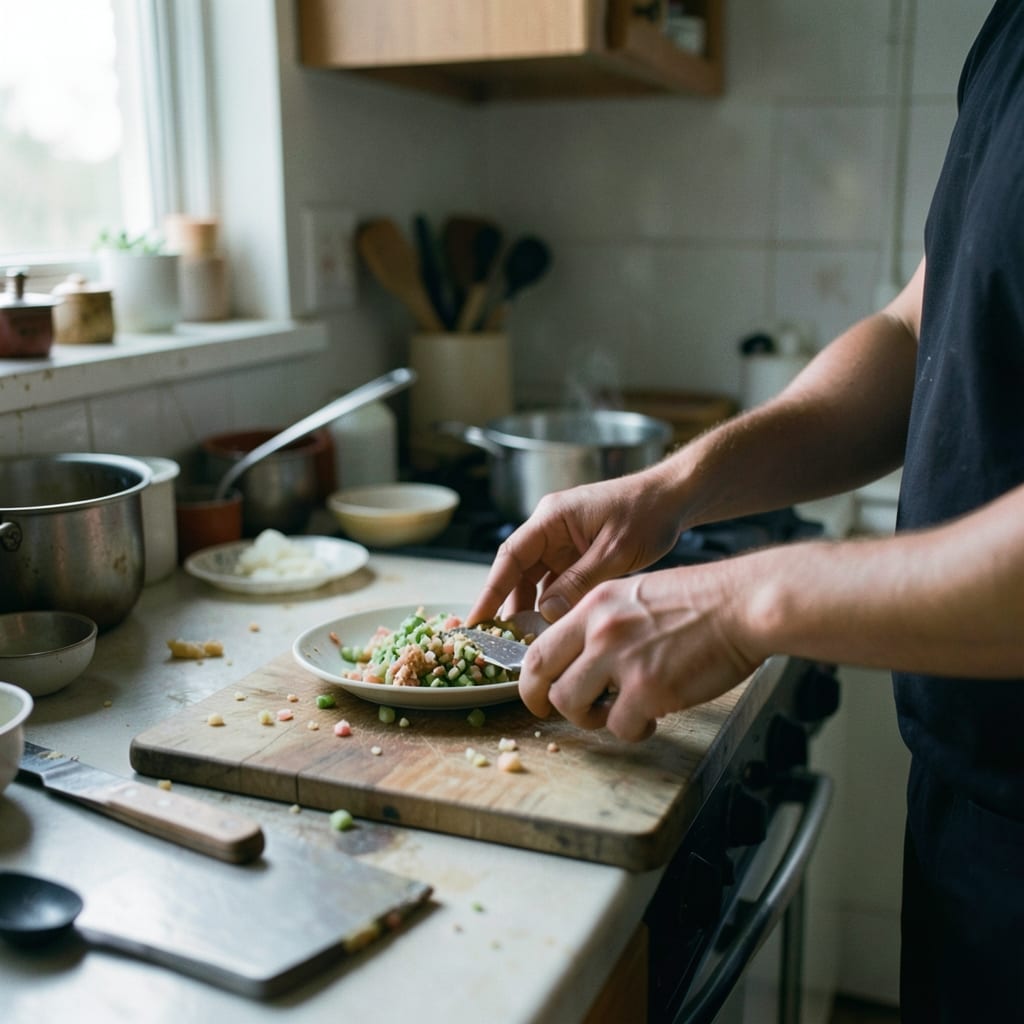
Why I started Rice Recipes Scoop
I was 16 when my abuela handed me a bag of uncooked rice and said, *‘Hazlo bien, o no vuelvas a tocar mi cocina.’* I didn’t know then that rice could be stubborn—how it clumps if you stir it wrong, how it burns if you walk away, how one wrong move turns a simple side dish into a lesson in frustration.
That day, I ruined three batches before she finally showed me the trick: *‘El agua tiene que bailar, no ahogar.’* Water should dance, not drown. That’s when I realized recipes weren’t just instructions; they were stories waiting to be told right.
This site is for anyone who’s ever stood in the kitchen wondering if they’re doing it wrong. No vague ‘season to taste’ or ‘until golden’ here.
Every recipe is tested, timed, and tweaked—because the difference between a dish that *works* and one that *feels like work* is often just one missed step. Whether you’re feeding a crowd or just yourself, you’ll find recipes that actually deliver.
Meet the founder

The first person who taught me rice wasn’t my abuela—it was a guy named Carlos at the corner *lonchería* where I worked after school. He’d let me ‘help’ (mostly wash bowls) while he cooked *arroz con pollo* for the lunch rush.
One day, I asked why his rice always came out fluffy, and his came out with a laugh: *‘Porque el fuego tiene que ser tu amante, no tu enemigo.’* The heat has to be your lover, not your enemy.
He showed me how to adjust the flame, how to listen for the *sizzle* that tells you it’s ready. That’s the method I still use—even though Carlos retired years ago and I’ve never told him this site exists.
I still own the first rice cooker I ever bought—a beat-up *Oster* with a chipped handle and a dial that only goes up to ‘high.’ It’s seen more failed batches than I care to admit, including the infamous ‘2018 Black Rice Incident’ (don’t ask).
But it’s still on my counter because it’s the only pot that’s ever given me rice that didn’t taste like glue. I swear by it now, even though the manual says it’s ‘for home use only.’
The failure that changed everything was a batch of *paella* I made for my dad’s birthday.
I followed a recipe word-for-word, but the rice was mushy, the saffron tasted like perfume, and my dad—who usually eats anything without complaint—pushed his plate away and said, *‘Mijo, esto sabe a cocina.’* It tasted like a kitchen.
That night, I rewrote every step: no more ‘add water until it looks right.’ No more ‘let it sit.’ Just exact measurements, exact times, and a rule I still live by: *‘If you can’t see the grains, you’ve already lost.’*
I have a habit of tasting rice straight from the pot with a wooden spoon—no plate, no cooling, just *spoon to mouth*—and I know it’s weird. My roommate calls it ‘the rice test,’ and she’s not wrong.
But there’s no waiting for rice to ‘cool down’ when you’re checking for doneness. If it’s perfect, you’ll know in three seconds. If it’s not, you’ve got time to fix it. (Mostly.)
Meet the mascot

The mascot started as a scribble on a napkin at a diner in Houston, where I was waiting for my *arroz con Gandules* to arrive. I’d been sketching rice grains in a circle, trying to make them look like they were *moving*—like the way rice expands when it’s cooked right.
The first version had too many details: little steam clouds, a chef’s hat, even a fork holding a grain. It looked like a cartoon, not a symbol. Then I realized it didn’t need all that. Just the rice, the pot, and one grain breaking free—like the moment it’s *done*.
The drawn version was simpler: a pot with a handle, three grains of rice spilling out, and a single drop of water turning into steam. I traced it onto a coffee shop coaster, and that’s when I named it *‘Escapado’*—the one that got away.
It wasn’t supposed to be a mascot yet, just a way to remember that rice is always escaping the pot, one grain at a time. The steam was the last thing to go.
I thought it made it look too busy, but my friend Maria said, *‘No, mijo, that’s the magic.’* So it stayed.
For the final version, I had to kill everything that didn’t fit on a browser tab. No more steam, no more pot handle (too much detail), and definitely no chef’s hat.
Just the rice, the pot’s silhouette, and one grain rolling away—like the moment you pull the pot off the heat and think, *‘Did I do it?’* The name stayed, because *Escapado* isn’t just about the rice. It’s about the moment you realize you’ve actually nailed it.
What I promise you
This site is built on one rule: *If I wouldn’t eat it myself, you won’t find it here.* Every recipe is tested for taste, texture, and whether it’d survive a weeknight kitchen. No ‘foolproof’ promises—just real results.
What you can hold me to
- Every recipe has a ‘watch for’ step—so you’ll know when it’s *really* done, not just ‘almost.’
- Ingredients are listed in the order they’re used, with no skipping steps (like ‘sauté the onions’ before ‘add the rice’).
- If a recipe says ‘20 minutes,’ it means 20 minutes on the clock, not ‘until it looks done.’
- The ‘why’ is in the notes. You’ll know *why* you’re toasting the rice, not just *that* you are.
How I create a recipe
A recipe starts with a question: *‘What’s the one thing that always goes wrong with this?’* For fried rice, it’s burning the garlic. For risotto, it’s rushing the liquid.
I cook it once to find the problem, then cook it again to fix it—usually by slowing down, measuring exactly, or adding a step the original recipe skipped.
The ‘listen’ stage
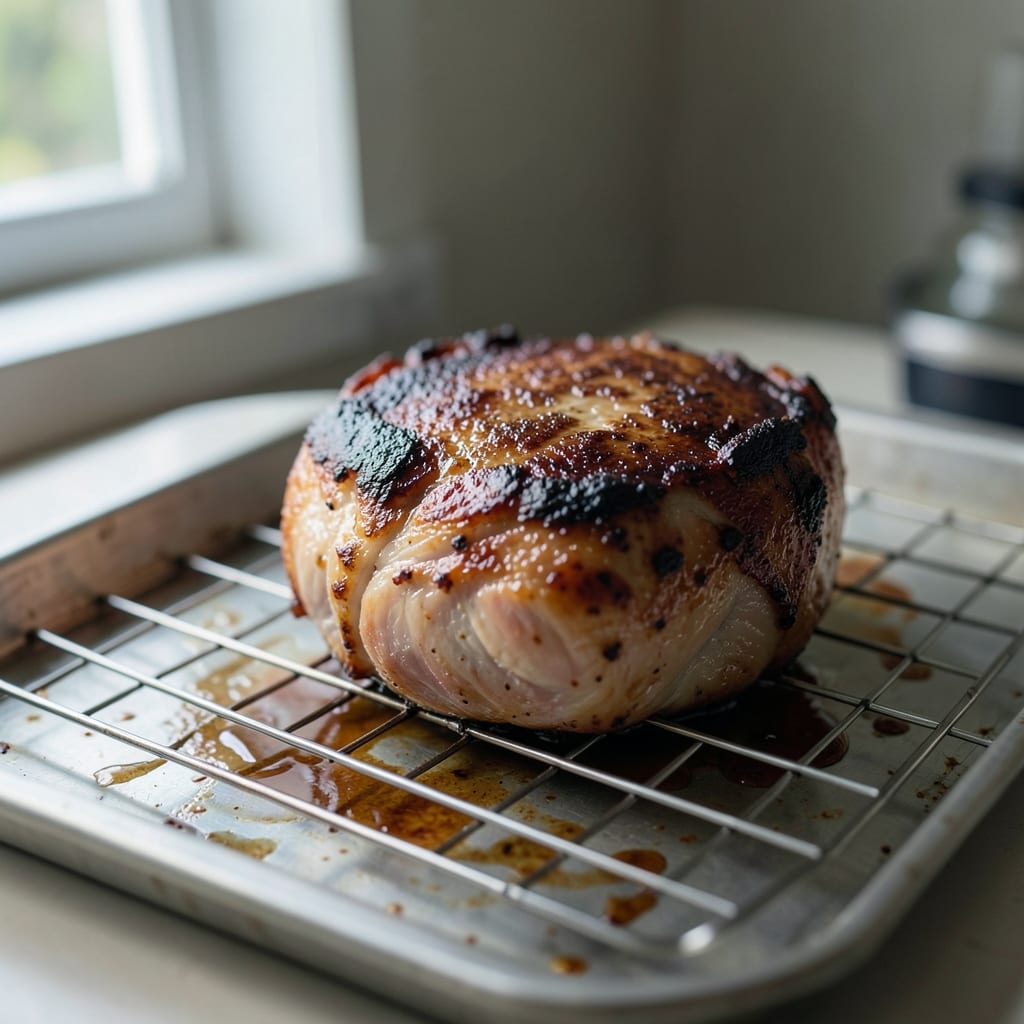
The first step is always *listening*—not to the recipe, but to the pot. When rice is cooking, it makes three sounds: the *sizzle* of the base (garlic, onions, whatever), the *hiss* of the water hitting the heat, and the *soft pop* when the grains expand.
Miss the *pop*, and your rice is gummy. Ignore the *hiss*, and it’ll boil over. I time it by the *pop*: three minutes after the last one, it’s done. No thermometer, no guesswork—just the sound of rice doing its job.
The only way to know it’s wrong is to taste it. At 15 minutes, I pull a grain out with my fingers and chew it raw. If it’s hard, it needs more time.
If it’s mushy, I’ve added too much water. (This is why I never use ‘1 cup water per 2 cups rice’—that’s a lie. It’s *always* less.) The fix? A splash of cold water, stirred in gently, then back on the heat for two minutes.
Silence is your friend here: no steam means it’s ready.
The ‘rest’ stage
The second stage is the one most recipes skip: *letting it breathe.* Rice needs 5–10 minutes off the heat, covered, to finish steaming. This is where the magic happens—the grains firm up, the flavors meld, and the texture goes from ‘almost’ to ‘perfect.’ I set a timer and walk away.
No peeking. No stirring. If you lift the lid early, you’ll ruin it. (I’ve done it. Twice.)
The fix for overcooked rice? A towel. Spread it on the counter, dump the rice on top, and fold the edges over. The steam escapes, the grains dry out just enough to separate, and in 10 minutes, it’s salvageable. Undercooked?
Back on low heat with a splash of water, covered, for 3–5 minutes. No microwave. Microwaves make rice glue.
How a page gets onto this site
A recipe isn’t done until it’s written down *while it’s still warm*—notes scribbled on a napkin, times jotted on my phone, and the ‘why’ behind every step. I rewrite it the next day, cutting anything that doesn’t *have* to be there.
If a recipe gets rewritten months later, it’s because someone (usually my roommate) tried it and said, *‘This part doesn’t make sense.’* That’s when I go back to the pot.
Write to me
I love hearing about the recipes that *almost* worked—the ones where you fixed it at the last second or discovered a shortcut no one else mentions. Did you add an extra spice? Let it sit too long? Find a way to make it faster? Send it to the contact page.
And if you’re still learning? Even better. The best recipes are the ones that teach you something new.
This site is for the people who cook because they *have* to, not because they *want* to. (Yes, I’m one of them.) So if you’ve ever stood in the kitchen thinking, *‘I must be doing this wrong,’* you’re in the right place.
The recipes are grouped by category: Appetizers, Beverages, Breakfast & Brunch, Desserts, Main Courses and Reviews.