
Main Courses
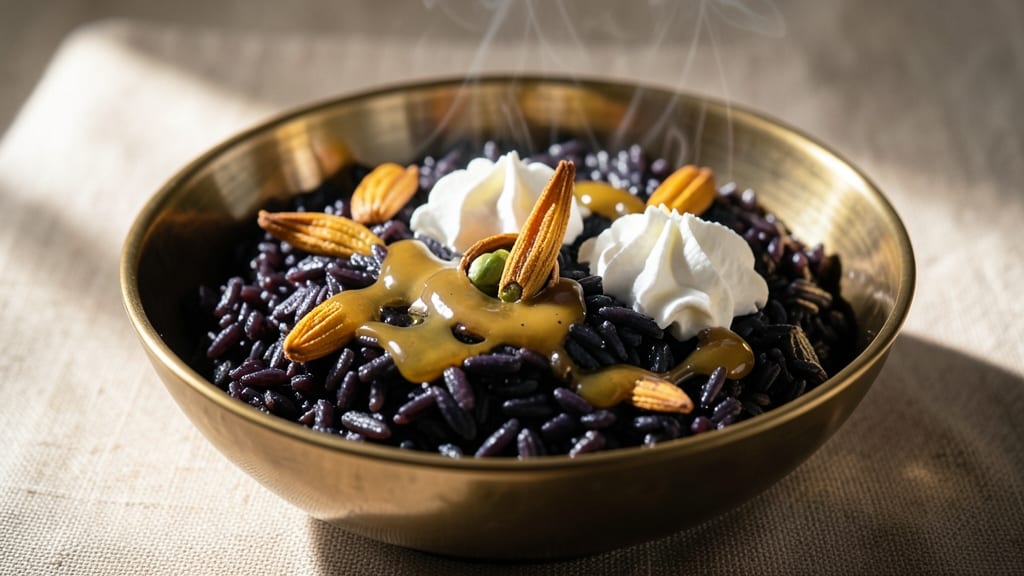
This black rice halwa recipe transforms humble ingredients into a luxurious dessert with deep purple swirls and nutty sweetness that lingers long after the last bite.
The key lies in slow-cooking black rice with fragrant milk and cardamom until it achieves that perfect firm-yet-creamy texture, while caramelized sugar creates a glossy, golden topping that adds depth.
What makes this recipe special is how it balances traditional techniques with approachable methods—no special equipment required, just patience and attention to detail.
The process begins with parboiling the black rice to soften it before simmering in rich milk until tender, creating a velvety base that absorbs the warm spices beautifully. A touch of ghee enriches the flavor, while cardamom infuses an aromatic complexity that elevates this dessert from simple to extraordinary.
The result is a dish that feels both comforting and sophisticated, perfect for special occasions or as a showstopping finale to any meal.
What sets this halwa apart is its striking visual appeal—deep purple swirls contrast beautifully against the golden caramelized sugar topping, making it as stunning as it is delicious.
The texture is where the magic happens: firm enough to slice yet creamy enough to melt in your mouth, with every bite offering a harmonious blend of sweetness and nutty richness. This recipe delivers restaurant-quality results at home with just a few simple ingredients and careful technique.
Serve it warm with a sprinkle of chopped nuts or a drizzle of rose water for an extra layer of elegance, or enjoy it chilled for a refreshing treat.
The versatility of this halwa makes it a crowd-pleaser, whether you're preparing it for a festive gathering or simply indulging in a homemade dessert that tastes like love. Let’s create this timeless classic together.
Ingredients for black rice halwa
Eleven ingredients transform into a luxurious dessert with deep purple swirls and nutty sweetness.
| Ingredient | Amount | Notes |
|---|---|---|
| Black Rice (Forbidden Rice) 🌾 | 1 ½ cups | Uncooked, rinsed thoroughly |
| Whole Milk 🥛 | 4 cups | Full-fat preferred, room temperature |
| Unsalted Butter 🧈 | ½ cup | Cold, cubed for caramelization |
| Granulated Sugar 🍚 | 1 ½ cups | Superfine preferred for faster dissolving |
| Green Cardamom Pods 🌿 | 8 whole | Lightly crushed for aroma |
| Ghee (Clarified Butter) 🧈 | ¼ cup | For rich flavor development |
| Ground Cinnamon 🌶️ | 1 tsp | Ceylon preferred for delicate flavor |
| Rose Water 🌸 | 1 tsp | Pure, food-grade quality |
| Pistachios 🌰 | ½ cup | Chopped, unsalted for garnish |
| Diamond Crystal Kosher Salt 🧂 | ½ tsp | For delicate seasoning balance |
| Heavy Whipping Cream 🥛 | ½ cup | Optional for extra richness |
The black rice is the heart of this halwa, and forbidden rice from specialty stores delivers the most intense purple hue and nutty flavor. Look for packages labeled 'black rice' or 'forbidden rice' at Whole Foods or Indian grocery stores—avoid pre-cooked varieties. The milk should be full-fat for optimal creaminess; organic or grass-fed options add subtle depth. Cardamom pods are essential for authentic flavor—Penzeys Spices carries high-quality pods that release their aroma beautifully during cooking. For the sugar, superfine dissolves faster, but regular granulated works if pulsed briefly in a food processor.
No cardamom? 1/2 teaspoon ground cardamom plus 1/4 teaspoon cinnamon mimics the flavor profile. Running short on ghee? Butter works at the same quantity, though ghee has a higher smoke point. The pistachios can be swapped for almonds or cashews if unavailable, though pistachios offer that signature green contrast. For a dairy-free version, substitute full-fat coconut milk for the milk and heavy cream. The rose water is non-negotiable for authenticity—Edible Rose Water from Middle Eastern markets is ideal. If you can't find it, a drop of orange blossom water provides a similar floral note.
Store the halwa in an airtight container at room temperature for up to 5 days—the flavors deepen overnight. For longer storage, refrigerate for 2 weeks or freeze for 3 months. Reheat gently in the microwave with a damp paper towel to restore moisture. The caramelized sugar topping hardens as it cools, so serve warm for the best texture. Garnish with extra pistachios and a drizzle of rose water just before serving to elevate presentation. This dessert reheats beautifully, making it perfect for make-ahead occasions.
Why You'll Love This Recipe
- Here’s what sold me: this tastes like a five-star dessert but costs pennies. Black rice might look fancy, but a small bag goes a long way, and the other ingredients? Whole milk, sugar, butter—stuff you already have. Plus, leftovers? They actually improve overnight, turning into a denser, even more decadent treat. My wallet and taste buds win.
- No Soak Required: I’ll admit, I used to dread soaking grains—until I discovered black rice halwa. Just rinse the rice, then simmer it with milk and butter until it breaks down into that velvety, jam-like texture. No overnight prep, no fuss, just pure, creamy magic in under an hour.
- Deep Umami Hug: That first spoonful? Chef’s kiss. The black rice brings this dessert a rich, earthy depth—like a cross between chocolate and caramel, but all its own. A few crushed cardamom pods add warmth, and the butter? It turns the whole thing into a luxurious, melt-in-your-mouth experience. (Yes, even my kids pause mid-play to beg for seconds.)
- Party in a Bowl: Between us, this halwa is my go-to for gatherings—birthdays, potlucks, or just because. It’s rich enough to feel special but simple enough that no one will guess it took zero effort. Serve it warm with a sprinkle of cardamom, or chill it for a no-bake dessert that still tastes homemade. Instant crowd-pleaser.
Step-by-step instructions for black rice halwa
Transform unassuming black rice into a luxurious, velvety dessert with these precise techniques.
Cook the Black Rice Until Tender
Rinse the 1.5 cups black rice (forbidden rice) thoroughly under cold water until the water runs clear. This removes excess starch that can make the halwa gummy. In a medium saucepan, combine the rice with 4 cups whole milk and bring to a gentle boil over medium-high heat. Once boiling, reduce heat to low and simmer uncovered for 45-50 minutes, stirring occasionally to prevent sticking.
The rice is ready when it's tender and the milk has reduced significantly, creating a thick porridge-like consistency. You'll notice the rice darkens slightly as it cooks—this is normal and indicates proper development of flavor. If the mixture becomes too dry, add 1-2 tablespoons water to maintain the right texture. Let it cool slightly before proceeding, as hot rice will scramble the eggs in the next step.
Infuse with Aromatics and Sweeten
In a separate heavy-bottomed saucepan, melt the 0.5 cup unsalted butter and 0.25 cup ghee (clarified butter) over low heat until the butter foams subsides. Add the 8 whole green cardamom pods (lightly crushed) and toast for 1 minute until fragrant. Immediately pour this aromatic butter mixture into the cooled rice porridge and stir well to combine.
Gradually whisk in the 1.5 cups granulated sugar, ensuring each spoonful dissolves completely before adding more. This prevents grainy texture in the final halwa. Stir continuously over low heat for 10-12 minutes until the mixture thickens into a smooth, pudding-like consistency. The halwa should coat the back of a spoon and leave a slight sheen—this indicates proper thickening. Taste and adjust sweetness if needed, but remember the rose water will add floral depth.
Develop Rich Flavor with Spices and Rose Water
Remove the saucepan from heat and stir in the 1 tsp ground cinnamon, 1 tsp rose water, and 0.5 tsp diamond crystal kosher salt. The rose water should be added gradually—start with ½ tsp, taste, then add the remaining ½ tsp if needed. Too much can make the halwa taste soapy. Let the mixture steep for 5 minutes off the heat to allow the spices to infuse fully.
Return the halwa to low heat and cook for an additional 5-7 minutes, stirring constantly. This final cooking step ensures all flavors meld together and the texture becomes luxuriously smooth. You're aiming for a consistency between thick pudding and soft fudge—it should hold its shape when spooned but still be spreadable. If it thickens too much, whisk in 1-2 tablespoons warm milk to restore the perfect texture.
Finish with Cream and Garnish
Remove the halwa from heat and gently fold in the 0.5 cup heavy whipping cream using a rubber spatula. This adds luxurious richness without altering the delicate balance of flavors. The cream should be incorporated smoothly—overmixing can create air pockets. Transfer the halwa to a serving dish and let it cool to room temperature before serving.
Garnish with 0.5 cup chopped pistachios just before serving. The contrast of nutty crunch against the creamy halwa adds an elegant finishing touch. For presentation, you can create swirls by spooning the warm halwa onto a plate and dragging a knife through it while rotating the plate. Serve warm or at room temperature—this halwa tastes best when enjoyed within 2-3 hours of preparation, while the flavors are at their peak intensity.
Pro Tips For Making Black Rice Halwa
- TOAST THE RICE FIRST: Black rice has a tough outer layer that won’t break down properly if you skip this. Lightly toast the uncooked rice in a dry pan over medium heat for 3-4 minutes—just until fragrant and slightly darkened—before adding liquid. I learned this the hard way when my halwa turned gummy instead of creamy.
- USE FULL-FAT MILK: Whole milk is non-negotiable here, but don’t skimp on the quality. If you’re using powdered milk, dissolve it in warm water first and let it sit for 10 minutes to fully rehydrate—lumpy milk ruins the texture. And yes, even if you’re impatient like me, skimming the cream off later for garnish is worth it.
- CRUSH THE CARDAMOM: Whole cardamom pods are lazy cooking. For real flavor, split and lightly crush them with the flat side of a knife before adding to the butter—this releases the essential oils without bitterness. I was skeptical until I tried it; now I can’t imagine serving halwa without that deep, aromatic punch.
- STIR CONSTANTLY AT FIRST: The first 10 minutes are where the magic happens—or where it all goes wrong. Keep the heat medium-low and stir vigorously with a wooden spoon, scraping the bottom constantly. If you let it sit for even 30 seconds, you’ll end up with burnt bits and a lumpy mess. (Your future self will thank you.)
Serving suggestions for this dish
Warm Presentation
Serve this black rice halwa warm for the most luxurious experience—its creamy texture melts beautifully in your mouth when enjoyed at 110-120°F. Spoon generous portions onto shallow dessert plates and immediately garnish with chopped pistachios and a delicate drizzle of rose water using a squeeze bottle.
The warm halwa will create steamy swirls that make it look even more inviting. 🌸
Chilled Dessert Option
For a refreshing twist, chill the halwa in the refrigerator for 2-3 hours before serving. The texture becomes firmer yet still creamy, with a delightful contrast against the room-temperature garnishes.
Top with crushed pistachios and a sprinkle of ground cinnamon for an elegant finish. This works beautifully during summer gatherings when you want something cooling yet indulgent.
Pairing with Tea
This halwa pairs perfectly with aromatic teas that complement its nutty sweetness. A cup of masala chai or jasmine tea enhances the cardamom and floral notes. For a Middle Eastern touch, serve with mint tea—the fresh, herbal profile cuts through the richness.
I love offering both hot and iced tea options so guests can choose their preferred way to enjoy this dessert.
Layered Serving Style
Create a stunning layered presentation by alternating warm halwa with whipped cream and caramelized nuts in a glass dessert dish. Start with a base of halwa, then add a layer of whipped cream, and finish with another layer of halwa.
Top with toasted nuts and a final drizzle of rose water. This approach makes it feel like a decadent trifle while keeping the authentic flavors intact.
Scoop and Share
For casual gatherings, serve the halwa in small individual ramekins or scoop it directly from the serving dish using silver spoons for an elegant touch. The deep purple color looks stunning against white china, making it perfect for holiday celebrations.
I often prepare extra portions because this dessert disappears quickly—it's that good! 💫
Cultural Variations
In Indian cuisine, this halwa is often served during festivals like Diwali or Eid, accompanied by paan leaves for a traditional touch. Middle Eastern versions might include orange blossom water instead of rose water and be garnished with slivered almonds**.
Each variation maintains the same luxurious texture while offering unique flavor profiles that reflect regional tastes.
Nutrition facts
Frequently asked questions
Why does my black rice halwa turn out too dry or grainy?
This usually happens when the rice isn't cooked long enough or the sugar doesn't dissolve properly. First, ensure the black rice simmers in milk for 45-50 minutes until fully tender. For the sugar, add it gradually while stirring constantly over low heat—this prevents graininess. If it still feels dry, whisk in 1-2 tablespoons warm milk to restore moisture.
Can I make black rice halwa without ghee?
Yes! While ghee adds rich flavor, you can substitute it with butter (same quantity) or even coconut oil for a dairy-free version. Just note that ghee has a higher smoke point and enhances the nutty depth of the halwa. If using butter, add it gradually to avoid burning.
How do I achieve the perfect swirl effect in the halwa?
For stunning swirls, work with warm halwa at 110-120°F. Spoon portions onto a plate, then use the back of a spoon to create gentle swirls while rotating the plate. For extra flair, drizzle caramelized sugar or rose water over the top before serving. Chilling the halwa first makes it easier to shape.
What's the best way to store leftover halwa?
Store in an airtight container at room temperature for up to 5 days—the flavors deepen overnight! For longer storage, refrigerate for 2 weeks or freeze for 3 months. To reheat, microwave with a damp paper towel for 20-30 seconds to restore moisture and texture.
Can I use regular brown rice instead of black rice?
While possible, it won't deliver the same luxurious texture or deep purple color. Black rice (forbidden rice) contains anthocyanins that give it its striking hue and nutty flavor. For a similar effect, try purple sweet rice, though the taste will differ slightly. Stick with black rice for authentic results!