
Main Courses
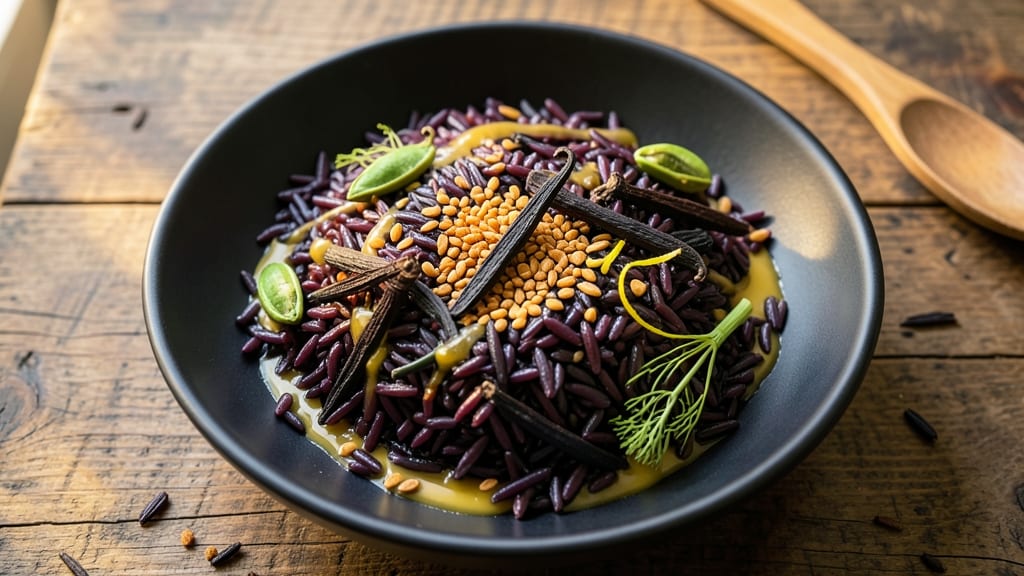
This black rice Indian recipe transforms humble grains into a fragrant, spiced dish that’s as vibrant as it is flavorful. The key lies in slow-cooking black rice with aromatic spices—cumin, cardamom, and cloves—until each grain absorbs their warmth.
Unlike white rice, black rice’s deep purple hue and earthy nuttiness make it a standout centerpiece for any meal.
The toasted tempering technique elevates this dish further, infusing it with layers of smoky depth. Paired with yogurt raita or crispy papadums, it becomes a complete, satisfying experience.
Perfect for special occasions or weeknight dinners, this recipe delivers restaurant-quality results with minimal effort. Let’s bring the flavors of India to your table.
Ingredients for black rice indian
Aromatic spices and slow-cooked black rice create this vibrant, restaurant-worthy Indian dish.
| Ingredient | Amount | Notes |
|---|---|---|
| Black Rice (Forbidden Rice) 🌾 | 1 cup | Unsoaked, high-quality variety |
| Water 💧 | 2 ½ cups | Filtered preferred for clarity |
| Ghee (Clarified Butter) 🧈 | 2 tbsp | For tempering, unsalted |
| Cumin Seeds 🌿 | 1 tbsp | Whole, toasted until fragrant |
| Green Cardamom Pods 🌿 | 6 whole | Lightly crushed for aroma |
| Cloves 🌿 | 4 whole | Lightly crushed for depth |
| Bay Leaves 🌿 | 2 whole | Dried, standard quality |
| Cinnamon Sticks 🌿 | 2 whole | 1-inch pieces for infusion |
| Salt 🧂 | ½ tsp | Diamond Crystal kosher |
| Fresh Cilantro 🌿 | ¼ cup | Chopped, for garnish |
| Lemon Juice 🍋 | 1 tbsp | Freshly squeezed |
| Plain Yogurt (Optional) 🥛 | ½ cup | For raita pairing |
| Crispy Papadums (Optional) 🍚 | 4 whole | For serving |
The quality of black rice makes all the difference—look for forbidden rice at specialty stores or Indian markets. Whole Foods and Trader Joe's often carry it, though bulk bins at Indian grocery stores offer the freshest options. Avoid pre-washed varieties, as the natural bran layer needs intact for optimal texture. For spices, MDH or Everest brands are reliable for consistent quality, but toast them yourself for deeper flavor. Cardamom and cloves should be lightly crushed to release their oils without turning bitter.
No whole spices? Ground cumin and cardamom work at half the amount, though texture suffers. Fresh cilantro wilt fast—buy just enough for garnish or freeze chopped leaves in ice cube trays. The ghee can be substituted with coconut oil for a dairy-free option, though it lacks the same depth. For the raita, Greek yogurt adds creaminess, while plain yogurt keeps it traditional. Papadums can be homemade or store-bought—Haldiram's or Patanjali brands are widely available.
Black rice keeps 3-4 days in the fridge when stored airtight, though flavor peaks within 24 hours. Freeze portions for up to 3 months by spreading grains on a tray before bagging. The tempering spices lose potency after 2 weeks, so store them in an airtight container away from light. For leftovers, reheat gently with a splash of water to restore moisture. This dish tastes even better the next day as flavors meld.
Why You'll Love This Recipe
- Five-Ingredient Magic: I swear by this—just rice, ghee, and three whole spices. No chopping, no fuss, and honestly, the hardest part is waiting for the rice to soak. The cardamom and cumin infuse the ghee so fast, you’ll smell it before the pot even boils.
- Earthy Luxury: That deep, nutty aroma when the rice cooks? Pure satisfaction. The ghee turns the grains glossy, and the cardamom adds this subtle floral note that makes it taste like a restaurant dish. (Yes, even on a Tuesday night.)
- Meal Prep Hero: Between us, this rice keeps for days in the fridge—better the second day, if you ask me. Toss it with yogurt and cucumber for a quick lunch, or pair it with curry for dinner. My go-to for busy weeks.
- Budget-Friendly Gourmet: Black rice might sound fancy, but a cup goes a long way. Ghee’s the splurge, but a little goes far, and the spices? A few pods last months. Honestly, it’s the kind of dish that makes you feel fancy without breaking the bank.
Step-by-step instructions for fragrant spiced black rice
Transform unassuming black rice into aromatic, nutty-spiced grains with a toasted ghee tempering.
Rinse and Soak the Black Rice
Place the 1 cup black rice in a fine-mesh strainer and rinse under cold running water for 30 seconds. This removes surface starch that would otherwise make the grains gummy. Transfer the rice to a bowl and cover with 1 cup fresh water—just enough to submerge the grains. Let it soak for 30 minutes at room temperature, which helps break down phytic acid and improves digestibility.
After soaking, drain the rice thoroughly. The key here is ensuring no excess water remains—black rice absorbs water differently than white rice. I press the drained rice gently between my palms to remove any lingering moisture. This step is crucial for preventing a mushy texture during cooking.
Cook the Rice with Whole Spices
In a medium saucepan, combine the drained black rice with the 2.5 cups water and the 0.5 tsp salt. Bring to a boil over medium-high heat, then immediately reduce to low heat. Add the 2 whole bay leaves, 2 whole cinnamon sticks, 6 whole green cardamom pods, and 4 whole cloves. The spices should float on top—don't crush them yet.
Cover the pan with a tight-fitting lid and simmer for 25-30 minutes until the water is completely absorbed and the rice is tender. You'll know it's ready when the grains are fork-tender and the liquid has evaporated. Avoid lifting the lid during cooking—this releases steam and can lead to uneven cooking. The aromatic spices will infuse the rice with warm, earthy notes.
Prepare the Toasted Ghee Tempering
While the rice cooks, heat the 2 tbsp ghee in a small skillet over low heat. Add the 1 tbsp cumin seeds and toast for 1-2 minutes until they release their nutty aroma and begin to sizzle. Immediately add the lightly crushed cardamom pods, cloves, and cinnamon sticks, stirring for 30 seconds until fragrant.
Pour this spiced ghee mixture over the cooked rice and gently toss to combine. The heat from the ghee will revive the spices, releasing their oils and creating a fragrant, aromatic layer on each grain. This step is what transforms ordinary rice into something extraordinary—deep, toasty, and complex.
Finish and Garnish
Remove the bay leaves and cinnamon sticks from the rice. Transfer the rice to a serving bowl and let it sit, covered, for 5 minutes. This resting period allows the flavors to meld and the rice to fluff slightly. Stir in the 0.25 cup chopped fresh cilantro and the 1 tbsp lemon juice, tossing gently to distribute.
The lemon juice brightens the dish, cutting through the richness of the ghee and spices. For an optional serving suggestion, arrange the 4 crispy papadums on the side or crumble them over the top for added texture. If using the 0.5 cup plain yogurt, serve it separately as a cooling raita to balance the warm spices.
Pro Tips For Making Black Rice Indian
- SOAK THE RICE LONGER: Black rice stays stubbornly hard if you cut corners here. Soak it for at least 4 hours—or overnight if you’re planning ahead—then drain and rinse twice before cooking. I learned this the hard way after serving mushy, undercooked grains to guests who politely lied about enjoying them.
- USE LOW HEAT FOR GHEE: Ghee burns faster than you’d think, especially when you’re impatient like me. Once your cumin and cardamom hit the pot, drop the heat to medium-low and let the spices bloom for 30 seconds before adding the rice. That nutty aroma? That’s flavor waiting to happen.
- STIR ONCE, THEN LEAVE IT: The moment you add water to the rice, stir just once to distribute it evenly. Then walk away. Peeking or stirring releases starch and turns your perfect rice into glue. Cover the pot and let it cook undisturbed—like a good neighbor, don’t bother it.
- CRUSH CARDAMOM GENTLY: Whole green cardamom pods add depth, but crushing them too hard releases bitterness. Lightly tap them with the back of a spoon (or crush them between your palms) until they split open—just enough to release their aroma without turning the dish medicinal. I skip this step sometimes, and the rice tastes flat.
Serving suggestions for this black rice indian
Yogurt Raita Pairing
Serve this fragrant black rice with a cooling yogurt raita to balance the warm spices. Mix 0.5 cup plain yogurt with 1 tbsp chopped mint, 1 tbsp chopped cilantro, ½ tsp roasted cumin powder, and ½ tsp salt.
Add 1 tbsp cold water to thin slightly for a silky texture. The tangy raita cuts through the richness of the ghee and complements the nutty rice beautifully. 🥛
Crispy Papadum Accompaniment
Add crunch to your meal with 4 crispy papadums served on the side. Heat them in a dry skillet for 30 seconds per side until they puff up slightly.
These thin lentil crepes add a satisfying contrast to the soft black rice. For extra flavor, sprinkle with ½ tsp chaat masala before serving. 🍚
Spiced Lentil Soup
Pair your black rice with a moong dal soup for a complete Indian meal. Cook 1 cup split yellow moong dal with 2 cups water, ½ tsp turmeric, ½ tsp cumin seeds, and 1 tsp ghee until tender.
Season with salt and garnish with cilantro. The earthy dal complements the rice's nutty depth while adding protein. 💛
Pickled Vegetable Chutney
Brighten the dish with a quick-pickled onion and carrot chutney. Thinly slice ½ red onion and 1 carrot, then soak in ¼ cup vinegar, 1 tsp sugar, and ½ tsp salt for 15 minutes.
Drain and serve alongside the rice. The tangy crunch adds a refreshing contrast to the warm spices. ✨
Grilled Vegetable Medley
For a lighter option, serve charred grilled vegetables like eggplant, bell peppers, and zucchini. Toss them with 1 tbsp olive oil, ½ tsp smoked paprika, and salt, then grill until tender. The smoky flavors enhance the rice's natural nuttiness. 🔥
Sweet Dessert Finale
End your meal with a cardamom-infused kheer (rice pudding). Cook ½ cup basmati rice in 2 cups milk with 4 crushed cardamom pods and 2 tbsp sugar until creamy. Top with toasted nuts for crunch. The sweet finish balances the savory rice perfectly. 🌟
Nutrition facts
Frequently asked questions
Why does black rice turn purple when cooked?
Black rice's deep purple hue comes from anthocyanins, powerful antioxidants that react with heat and acid. When cooked, these pigments intensify to a rich violet color while maintaining the rice's nutty, earthy flavor. The longer it cooks, the more vibrant it becomes—this is why traditional Indian recipes use whole spices that enhance its natural beauty.
Can I substitute white rice for black rice in this recipe?
While you can use white rice, you'll lose the dish's signature color, texture, and nutritional benefits. Black rice has a firmer bite and absorbs flavors differently due to its bran layer. For a similar effect, try brown rice—but it won't achieve the same deep purple hue or rich, toasted aroma. The spices in this recipe are specifically balanced for black rice's unique profile.
What if my black rice turns out mushy?
Mushy rice usually happens from overcooking or excess water. Always drain the rice thoroughly after soaking and use the exact 2.5 cups water for 1 cup rice. Simmer on low heat and avoid lifting the lid during cooking. If it's still mushy, spread it on a tray to dry out for 10 minutes before serving. For next time, try toasting the rice in ghee for 2 minutes before adding water.
How can I make this recipe vegan?
Replace the ghee with coconut oil and use vegan yogurt (like almond or coconut-based) for the raita. All other ingredients are naturally vegan. The toasted spices will still infuse the rice with amazing flavor, though the texture will be slightly lighter without ghee. For extra richness, add 1 tbsp cashew cream to the finished rice.
Can I make this dish ahead of time?
Yes! This recipe actually tastes better the next day as flavors meld. Store in an airtight container in the fridge for up to 4 days. Reheat gently with 1 tbsp water to restore moisture. The toasted spices will maintain their aroma, though the rice may firm up slightly—just fluff with a fork before serving. Freeze portions for up to 3 months by spreading grains on a tray first.