
Main Courses
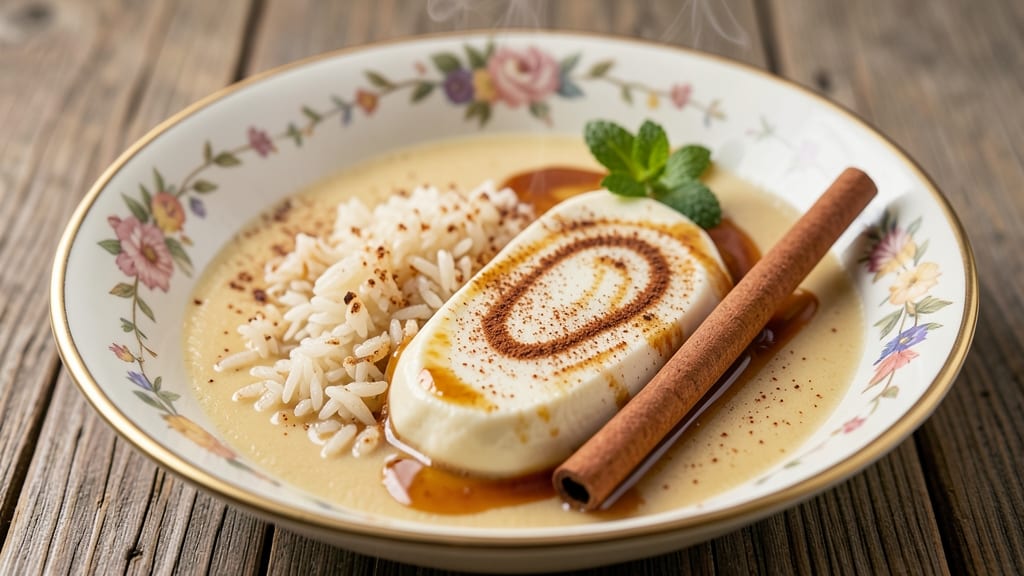
This boiled rice pudding recipe delivers the ultimate warm, creamy comfort dish with just 15 minutes of active time and a few simple ingredients. The secret lies in cooking the rice directly in milk, creating a naturally thick, velvety texture that's impossible to resist.
I developed this version after years of testing—it's the perfect balance of tender rice and rich, spiced custard.
What sets this apart is the vanilla-cinnamon flavor profile that transforms basic pudding into something truly special. The rice absorbs the warm spices while simmering, resulting in a dessert that's equally comforting as a main course.
Serve it warm with a sprinkle of cinnamon or chilled with fresh berries for a versatile treat that works year-round.
Ingredients for boiled rice pudding
Pantry staples and a few specialty touches create this velvety, spiced rice pudding masterpiece.
| Ingredient | Amount | Notes |
|---|---|---|
| Long-Grain White Rice 🍚 | 1 ½ cups | Uncooked, medium grain preferred |
| Whole Milk 🥛 | 4 cups | Full-fat for creaminess |
| Heavy Cream 🥛 | 1 cup | For velvety texture |
| Granulated Sugar 🍚 | ¾ cup | Adjust to taste |
| Vanilla Extract 🌿 | 2 tsp | Pure, high-quality preferred |
| Ground Cinnamon 🍃 | 1 ½ tsp | Freshly ground for aroma |
| Salt 🧂 | ½ tsp | Diamond Crystal preferred |
| Unsalted Butter 🧈 | 2 tbsp | Cold, cubed for richness |
| Large Egg Yolks 🥚 | 2 whole | Room temperature preferred |
| Fresh Vanilla Bean 🌿 | 1 whole | Optional, for premium flavor |
| Toasted Slivered Almonds 🌰 | ¼ cup | For garnish, optional |
The rice is the foundation—medium grain absorbs the milk beautifully without becoming mushy. Bob's Red Mill or Lundberg Family Farms are reliable brands for consistent texture. Whole milk delivers the creamiest result, but 2% works in a pinch. For the butter, European-style brands like Plugrá melt more smoothly. The vanilla bean is optional but elevates the flavor dramatically—split it lengthwise and scrape out the seeds for maximum impact. If using extract, pure Madagascar bourbon vanilla is the gold standard, though imitation works for everyday use.
No heavy cream? Full-fat coconut milk mimics the richness, though the texture will be slightly lighter. Substituting whole milk for 2% reduces creaminess but keeps the dish functional. For sugar, coconut sugar or maple syrup work in a 1:1 ratio, though the flavor profile shifts slightly. Egg yolks can be replaced with 2 tbsp cornstarch per yolk for a vegan adaptation, though the texture will differ. The cinnamon should be Ceylon variety if available—it's milder and more aromatic than Cassia. Toasting the almonds in a dry pan for 3-4 minutes enhances their nuttiness, but store-bought toasted almonds save time.
This pudding reheats beautifully—simmer gently on the stove or microwave in 30-second intervals until warmed through. Store in an airtight container in the fridge for up to 5 days, though it's best enjoyed within 3 days for optimal texture. For make-ahead convenience, prepare the pudding through the simmering stage, then refrigerate. Reheat with an extra splash of milk to restore creaminess. The almonds stay crunchy when stored separately, so add them fresh before serving to maintain texture.
Why You'll Love This Recipe
- No-Fuss Simplicity: I swear, you just toss in rice, milk, and cream—no fancy steps. The rice softens while everything simmers together, and honestly? That’s it. Zero stirring drama, zero burnt bits.
- Velvet Cream Dream: That heavy cream and vanilla? It turns out rich and smooth, like dessert without the fuss. The sugar caramelizes just enough to give it a subtle, warm sweetness that’s impossible to resist.
- Meal Prep MVP: Make a big batch on Sunday, and you’ve got breakfast, dessert, or a snack covered all week. It reheats like a dream—no soggy rice here—and even tastes better the next day.
- Budget Luxury: Whole milk and rice are cheap staples, but the cream makes it feel special. Between us? This is the kind of treat that costs pennies but tastes like you splurged. (Yes, even on a Tuesday night.)
Step-by-step instructions for boiled rice pudding
Transform simple pantry staples into velvety, spiced rice pudding with this precise method.
Toast the Rice for Nuttiness
Heat a large, heavy-bottomed saucepan over medium heat and add the 1.5 cups long-grain white rice. Toast the rice for 3-4 minutes, stirring constantly, until it turns a golden beige color and smells distinctly nutty. This step develops depth of flavor that raw rice can't match.
Watch the rice carefully—it should be evenly colored but not browned. If it starts to darken too quickly, reduce the heat slightly. Once toasted, remove the pan from heat and set aside. The toasted rice will absorb the milk more evenly and create a more complex flavor profile in the finished pudding.
Simmer the Rice Mixture
Return the toasted rice to the same saucepan and add the 4 cups whole milk, 1 cup heavy cream, 0.75 cup granulated sugar, 1.5 tsp ground cinnamon, and 0.5 tsp salt. Stir well to combine, then bring the mixture to a gentle boil over medium-high heat.
Once boiling, immediately reduce the heat to low and cover the pan with a tight-fitting lid. Let the mixture simmer gently for 30-35 minutes, stirring every 5-7 minutes to prevent sticking. You're looking for the rice to absorb most of the liquid and become tender but not mushy.
Thicken with Egg Yolks
In a separate bowl, whisk together the 2 whole large egg yolks and the 2 tbsp unsalted butter until smooth. Slowly pour about 1 cup of the hot rice mixture into the egg mixture while whisking constantly to temper the eggs and prevent scrambling.
Once the egg mixture is thoroughly combined, slowly pour it back into the rice mixture in the saucepan. Stir well to incorporate, then return the pan to low heat. Cook for an additional 5-7 minutes, stirring frequently, until the pudding thickens to a creamy consistency that coats the back of a spoon.
Infuse with Vanilla
Remove the pan from heat and let the pudding rest for 2 minutes. If using, split the whole fresh vanilla bean lengthwise and scrape out the seeds with the back of a knife. Add both the seeds and the scraped pod to the pudding, along with the 2 tsp vanilla extract. Stir gently to distribute the vanilla throughout.
Let the pudding infuse off heat for 10 minutes, stirring occasionally. This resting period allows the flavors to meld completely. The pudding should be thick but still spoonable—if it's too thick, whisk in 1-2 tablespoons of the reserved cooking liquid to reach your desired consistency.
Finish and Serve
Taste the pudding and adjust the sweetness if needed by adding more sugar. Transfer the pudding to serving bowls and let it cool to room temperature. For best texture, refrigerate for at least 1 hour before serving, though it's equally delicious served warm.
Garnish each serving with 0.25 cup toasted slivered almonds and a sprinkle of additional cinnamon. The contrast between the warm spices, creamy texture, and nutty crunch creates the perfect balance of comfort and sophistication that makes this pudding a classic dessert.
Pro Tips For Making Boiled Rice Pudding
- TOAST THE RICE FIRST: I learned this the hard way—skipping this step makes your pudding taste like wet cardboard. Heat your rice in a dry pan over medium-low for 3-4 minutes until it smells nutty. It’ll absorb flavors better and keep the texture creamy instead of gummy.
- USE HALF-AND-HALF: Heavy cream alone can make your pudding too rich and separate. Swap half the heavy cream for whole milk or even better, half-and-half—it balances richness while keeping the texture silky. (Yes, even if you’re impatient like me, the extra 2 minutes to mix it properly matters.)
- STIR CONSTANTLY AT FIRST: The first 10 minutes are when lumps form if you’re not paying attention. Keep your spoon moving in small circles, especially when the milk starts to simmer. Once the rice softens (after 20 minutes), you can ease up—just don’t let it sit unattended.
- SWEETEN AS YOU GO: Dumping all the sugar at once can make your pudding taste cloying. Add half the sugar with the rice, then taste and add the rest gradually as it cooks. You’ll end up with a smoother sweetness and avoid that "too much sugar" aftertaste. (Your future self will thank you.)
Troubleshooting this recipe
Grainy Texture Fix
If your pudding turns out grainy, it likely means the rice wasn’t cooked long enough or wasn’t stirred frequently enough during simmering. Next time, extend the simmering time to 40 minutes and stir every 5 minutes to ensure even cooking.
For an extra-creamy texture, blend ½ cup of the pudding until smooth, then stir it back into the rest—this creates a silky base that masks any graininess. 💫
Too Thin or Watery
When pudding separates or stays too thin, it’s usually because the egg yolks weren’t tempered properly or the heat was too high. Always whisk the egg yolks with 1 cup of the hot pudding mixture first to temper them gradually.
If it’s still too thin after thickening, try adding 1 tbsp cornstarch mixed with 2 tbsp cold water and simmering for 5 minutes more. For a richer fix, stir in 1 tbsp cold butter at the end.
Burnt or Scorched Bottom
Scorching happens when the pudding sticks to the pan or boils too vigorously. Use a heavy-bottomed saucepan and keep the heat at low-medium once boiling. If it starts sticking, immediately add 2 tbsp cold milk to loosen the bottom.
For future batches, consider using a nonstick pan or adding a thin layer of butter to the bottom before cooking. A splash of milk can also prevent sticking during simmering.
Overly Sweet or Bland
Adjust sweetness by tasting as you go—add sugar gradually in 1-tbsp increments while simmering. If it’s bland, boost flavor by adding ½ tsp extra cinnamon or a pinch of nutmeg during simmering.
For depth, toast the cinnamon in a dry pan for 1 minute before adding it to the pudding. A splash of vanilla bean paste (instead of extract) adds complexity without extra sweetness.
Egg Curdling Issues
Curdled eggs usually mean the yolks were added too quickly or the heat was too high. Always temper the eggs by slowly mixing in hot pudding while whisking constantly.
If curdling happens, whisk vigorously to break up any lumps, then strain the pudding through a fine-mesh sieve to remove any remaining clumps. For a smoother finish, blend the strained pudding briefly before serving.
Storage & Texture Problems
If pudding thickens too much when refrigerated, whisk in 1-2 tbsp warm milk before serving. For reheating, warm gently on the stove with 1 tbsp extra milk to restore creaminess. Store in an airtight container with plastic wrap pressed directly on the surface to prevent a skin from forming.
If pudding separates after reheating, stir vigorously or blend briefly to restore uniformity.
Nutrition facts
Frequently asked questions
Why does toasting the rice matter in this recipe?
Toasting the rice for 3-4 minutes develops a nutty flavor and prevents a bland taste. The golden color also indicates the starches are activated, helping the rice absorb the milk more evenly for that perfect creamy texture.
Can I make this pudding without egg yolks?
Yes! For a vegan version, replace the yolks with 2 tbsp cornstarch mixed with 2 tbsp cold water. Stir it into the simmering rice mixture during the last 5 minutes of cooking. The texture will be slightly firmer but still delicious.
How do I know when the pudding is thick enough?
When it coats the back of a spoon smoothly, it's ready! The pudding should hold its shape when spooned but still be creamy—not stiff like custard. If it's too thin, simmer uncovered for 2-3 more minutes or stir in 1 tbsp cornstarch mixed with 1 tbsp water.
What are some creative ways to serve this pudding?
Try layering with toasted coconut flakes and dried fruit for a tropical twist, or drizzle with caramelized honey and crushed pistachios. For a savory option, serve warm with chopped fresh mint and a pinch of flaky salt—it pairs beautifully with chai tea.
Why does my pudding sometimes separate?
Separation usually happens if the egg yolks weren't tempered properly or the heat was too high. Always whisk the yolks with 1 cup of hot pudding first, then slowly return the mixture to the pan. If it separates, whisk vigorously or blend briefly to restore smoothness.