
Main Courses
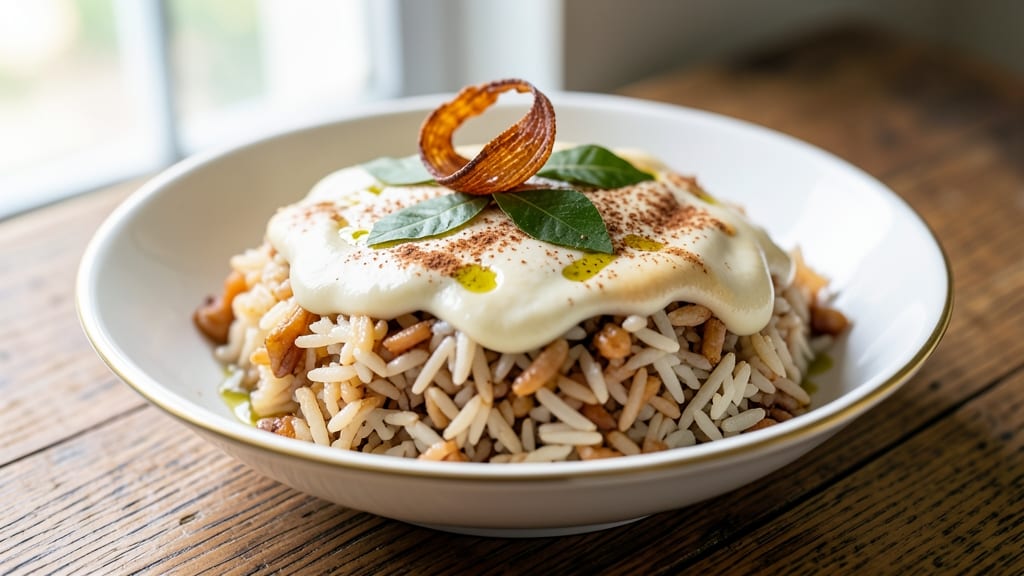
Brazilian coconut rice transforms simple grains into a fragrant, creamy side dish that pairs perfectly with feijoada or grilled meats. The key lies in toasting the rice until golden, then simmering it in rich coconut milk until tender and infused with subtle bay leaf aroma. This traditional recipe delivers restaurant-quality flavor with just a few essential ingredients and 30 minutes of hands-off cooking time.
What sets this dish apart is the balance of textures—crispy toasted grains at the bottom and velvety coconut cream on top—along with the warm spices that define Brazilian cuisine. The slow simmering process allows the coconut milk to deeply flavor the rice, creating a dish that's both comforting and elegant.
Serve it alongside your favorite Brazilian proteins for a complete meal experience.
Ingredients for brazilian coconut rice
Toasted rice meets velvety coconut milk in this Brazilian classic—simple ingredients, bold flavors.
| Ingredient | Amount | Notes |
|---|---|---|
| Long-Grain White Rice 🌾 | 1 cup | Uncooked, rinsed thoroughly |
| Full-Fat Coconut Milk 🥥 | 1 ½ cups | Canned, unsweetened preferred |
| Dried Bay Leaves 🌿 | 2 whole | Fresh if available, organic |
| Extra-Virgin Olive Oil 🫒 | 2 tbsp | For toasting rice, fruity |
| Ground Cinnamon 🌶️ | ¼ tsp | Ceylon preferred for delicate flavor |
| Ground Nutmeg 🌶️ | ¼ tsp | Freshly grated for best aroma |
| Salt 🧂 | ½ tsp | Diamond Crystal kosher preferred |
| Fresh Cilantro 🌿 | ¼ cup | Chopped, stems removed, for garnish |
| Lime Wedges 🍋 | 2 whole | For serving, organic preferred |
| Garlic Cloves 🧄 | 2 cloves | Minced, for optional depth |
| Water 💧 | 1 ½ cups | Filtered or spring water |
| Unsalted Butter 🧈 | 1 tbsp | Cold, for finishing touch |
The rice is the foundation—Brazilian jasmine or long-grain white works best for that perfect texture. Toast it in olive oil until golden for that crispy base layer. Whole Foods or Latin markets often carry the best quality rice for this dish. For coconut milk, Thai Kitchen or Goya brands deliver consistent full-fat richness. Fresh bay leaves add depth, but if you're using dried, double the amount since they're more potent. The spices—cinnamon and nutmeg—should be freshly ground if possible for maximum aroma.
No full-fat coconut milk? Light coconut milk plus 1 tbsp coconut cream mimics the texture. Substituting dried herbs for fresh? Use one-third the amount—dried basil or oregano can stand in for cilantro if needed. For the garlic, roasted garlic powder works in a pinch, though fresh minced is ideal. The lime wedges serve two purposes: brightening the dish and adding a citrusy contrast. If you're making this ahead, add the lime juice just before serving to preserve its freshness.
Toasted rice keeps best in an airtight container for 2-3 days—the texture stays crispier longer. Coconut milk separates after opening, so shake the can well before measuring or use a whisk. For freezing, portion into individual servings before adding the coconut milk—this prevents a watery texture when reheated. Serve immediately for the best texture, but the flavors meld beautifully overnight, making it perfect for meal prep.
Why You'll Love This Recipe
- No-Fuss Stovetop Magic: I swear by this one-pot method—just rice, coconut milk, and a splash of olive oil. No fancy equipment, no stress. The rice cooks itself while you stir in those bay leaves and cinnamon, and honestly? The hardest part is waiting for it to finish.
- Creamy Yet Light: That full-fat coconut milk makes it rich, but the bay leaves and olive oil keep it bright. It’s not heavy like some coconut dishes—more like a hug from a tropical breeze. My husband eats it plain, but I sneak in grilled shrimp or black beans when I’m feeling fancy.
- Weeknight Workhorse: This is my go-to when I’m feeding a crowd or just too tired to fuss. It reheats beautifully for lunch the next day, and the flavor only gets better. Between us, it’s the side dish that makes even the simplest dinner feel special—no one ever skips seconds.
- Budget Luxury: A can of coconut milk and a handful of spices cost next to nothing, but it tastes like I spent hours in the kitchen. I make double batches because it’s so cheap to store, and honestly? The leftovers taste even better the second day—proof that good food doesn’t have to break the bank.
Step-by-step instructions for toasted coconut rice
The secret to authentic Brazilian coconut rice lies in proper toasting and precise liquid ratios. Here's how to achieve perfectly toasted grains with rich coconut cream.
Toast the Rice and Aromatics
Heat a medium saucepan over medium-high heat and add the 2 tablespoons extra-virgin olive oil. Once shimmering, add the 1 cup long-grain white rice and stir constantly for 3-4 minutes until the grains become translucent at the edges and develop a nutty aroma. This toasting step is critical—it removes excess starch and prevents mushy rice.
Add the 2 cloves minced garlic and cook for 30 seconds until fragrant. Immediately stir in the 2 whole dried bay leaves, 0.25 teaspoon ground cinnamon, 0.25 teaspoon ground nutmeg, and 0.5 teaspoon salt. The spices should sizzle briefly—this releases their essential oils for maximum flavor. Watch carefully to avoid burning the spices, which would create bitterness.
Add Liquids and Simmer Gently
Pour in the 1.5 cups full-fat coconut milk and 1.5 cups water, stirring to combine. Bring to a gentle boil, then immediately reduce heat to low and cover the pan with a tight-fitting lid. Let the rice simmer undisturbed for 15 minutes—this is where patience pays off. The lid creates steam that cooks the rice evenly without stirring.
After 15 minutes, check the rice. It should be tender but still have a slight bite. If liquid remains at the bottom, cover and cook for another 5 minutes. If the rice looks dry, add 2 tablespoons water through the steam hole in the lid. The goal is perfectly tender grains with no excess liquid—Brazilian coconut rice should be moist but not soupy.
Finish with Butter and Rest
Once the rice is tender, remove the pan from heat and stir in the 1 tablespoon cold unsalted butter. The butter coats each grain, adding richness and preventing dryness. Let the rice rest covered for 5 minutes—this allows any remaining moisture to absorb and the flavors to meld. Don't skip this step; resting ensures each bite is perfectly textured.
Gently fold in the 0.25 cup chopped fresh cilantro just before serving. The bright herb cuts through the coconut's richness, balancing the dish. Serve immediately with the 2 lime wedges on the side for a tangy contrast. The rice should be fragrant with notes of coconut, cinnamon, and nutmeg, with each grain distinct and tender.
Pro Tips For Making Brazilian Coconut Rice
- Bloom the Cinnamon: Toast the ground cinnamon in the olive oil for 30 seconds before adding liquid—it deepens the aroma and prevents clumping in the coconut milk. (Yes, even a pinch makes a difference, so don’t skip this.)
- Simmer Slow and Steady: After adding coconut milk, reduce heat to low and maintain a gentle simmer—not a boil. I learned this the hard way: boiling scalds the rice and makes it gummy instead of fluffy.
- Toast the Bay Leaves: Fry the dried bay leaves in olive oil for 10 seconds until fragrant before adding rice. This unlocks their flavor and stops them from floating like sad, flavorless raisins.
- Use Cold Coconut Milk: Chill the coconut milk for 30 minutes before using—it blends more smoothly and prevents curdling when mixed with hot rice. (Trust me, your rice won’t turn into coconut soup.)
Creative variations of these flavors
Coconut Shrimp Twist
Swap the traditional rice for a coconut shrimp variation by adding ½ cup chopped cooked shrimp during the final 5 minutes of cooking. The shrimp absorb the coconut milk's richness while staying tender.
Garnish with extra cilantro and a squeeze of lime for brightness. This version works beautifully as a standalone dish or alongside grilled fish. 🍤
Spicy Forró Version
For a fiery kick, stir in 1 teaspoon malagueta pepper flakes (Brazilian red pepper) when toasting the rice. Add ½ teaspoon smoked paprika with the spices for depth.
Serve with carne de sol (Brazilian dried beef) or black beans for a bold Forró-inspired meal. The heat balances the coconut's sweetness perfectly.
Coconut-Lime Rice
Brighten the dish by adding 2 tablespoons lime zest when toasting the rice and finishing with 1 tablespoon fresh lime juice after cooking. This variation is lighter but just as flavorful—ideal for summer meals.
Pair it with moqueca (Brazilian fish stew) or grilled shrimp skewers. The citrus cuts through the coconut's richness beautifully. 🍋
Coconut & Bacon
For a smoky twist, cook 4 slices crispy bacon until crisp, then crumble it into the rice during the final 5 minutes of cooking. The bacon adds a salty crunch that contrasts the coconut's creaminess.
This version pairs wonderfully with feijoada or as a hearty side for grilled meats. Save the bacon fat to toast the rice for extra flavor! 🥓
Vegetarian Adaptation
Boost the dish's heartiness by stirring in ½ cup corn kernels and ¼ cup diced bell peppers during the final 5 minutes of cooking. Add ½ teaspoon turmeric for color and warmth.
This vegetarian version is packed with texture and works as a main dish or side. Serve with a mango-lime salad for a complete meal. 🌱
Slow-Cooker Option
For hands-off cooking, combine all ingredients in a 6-quart slow cooker on low for 3 hours or high for 1.5 hours. Stir in the butter and cilantro just before serving.
The slow cooker enhances the coconut's flavor while keeping the rice tender. Perfect for meal prep—store in an airtight container for up to 4 days**. ⏳
Nutrition facts
Frequently asked questions
Why does the rice need to be toasted first?
Toasting the rice in olive oil removes excess starch, creating a crispy bottom layer and preventing mushy grains. This step also deepens the nutty aroma that forms the base of Brazilian coconut rice's signature flavor profile. Skipping it results in a softer, less authentic texture.
Can I substitute coconut milk with another dairy product?
While full-fat coconut milk is essential for authentic flavor, you can use 1 cup coconut milk + ½ cup heavy cream if needed. For a lighter version, Greek yogurt mixed with coconut cream works, though the texture will differ slightly. The coconut's natural sweetness is irreplaceable for this dish.
How do I prevent the rice from becoming too dry?
Keep the heat at low after boiling and maintain a tight lid to trap steam. If the rice looks dry before cooking completely, add 2 tablespoons water through the steam hole. The resting period after cooking also helps redistribute moisture—never skip those 5 minutes of covered rest time.
What's the best way to reheat leftover coconut rice?
Gently reheat in a skillet over low heat with 1 tablespoon water or coconut milk to restore moisture. Stir frequently to prevent sticking. For microwave reheating, cover with a damp paper towel and heat in 30-second intervals, stirring between each. Add fresh cilantro and lime after reheating.
Can I make this recipe without bay leaves?
Yes, but the flavor will be less complex. Substitute with ½ teaspoon dried thyme or ¼ teaspoon ground allspice** for depth. The bay leaf's earthy aroma is key to authentic Brazilian coconut rice, so use it if possible—it's the secret ingredient that ties the dish together.