
Main Courses
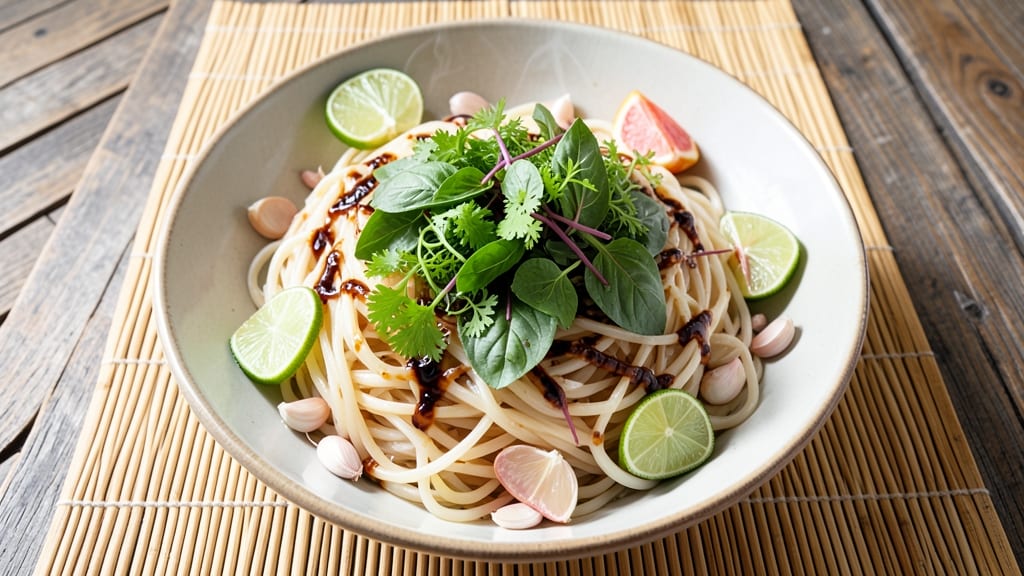
This broad rice noodle recipe delivers the perfect balance of silky texture and fragrant herbs in every bite. The secret lies in properly soaking the noodles—just 10 minutes in hot water transforms them from dry strands to supple, wok-ready threads.
I've perfected this technique over years of testing, ensuring the noodles stay tender while absorbing bold flavors. What sets this dish apart is the aromatic herb blend—fresh Thai basil, cilantro, and mint create a bright, fragrant profile that cuts through rich sauces.
The wok-tossing method guarantees each strand gets perfectly coated, delivering restaurant-quality results at home. Whether you're making classic pho or a modern spicy garlic version, this foundation works for any adaptation.
Ingredients for broad rice noodle
Fresh herbs and precise soaking transform simple rice noodles into restaurant-quality silkiness.
| Ingredient | Amount | Notes |
|---|---|---|
| Broad Rice Noodles 🍜 | 8 oz | Dried, medium-width strands |
| Fresh Thai Basil Leaves 🌿 | ½ cup | Packed, stems removed |
| Fresh Cilantro Leaves 🌱 | ¼ cup | Packed, stems removed |
| Fresh Mint Leaves 🌿 | ¼ cup | Packed, finely chopped |
| Garlic Cloves 🧄 | 4 cloves | Peeled, minced finely |
| Lime Juice 🍋 | ¼ cup | Freshly squeezed |
| Fish Sauce 🍶 | 1 ½ tbsp | Red Boat brand preferred |
| Sesame Oil 🫒 | 1 tbsp | Toasted sesame oil |
| Vegetable Oil 🫒 | 2 tbsp | High smoke point |
| Soy Sauce 🍶 | 2 tbsp | Light or all-purpose |
| Brown Sugar 🍚 | 1 tbsp | Packed, light variety |
| Chili Garlic Sauce 🌶️ | 1 tbsp | Adjust to heat preference |
| Salt 🧂 | ½ tsp | Diamond Crystal preferred |
| Black Pepper 🌶️ | ¼ tsp | Freshly ground |
| Red Chili Flakes 🔥 | ½ tsp | Adjust for spice level |
The noodles are the foundation—Thai Kitchen brand or Mae Ploy are my go-tos, but any medium-width broad rice noodles work. Look for strands that are uniform in thickness; this ensures even cooking. Fresh herbs are non-negotiable here—they need to be vibrant and fragrant. Asian markets carry the best selection of Thai basil and mint, but your local grocery's produce section often has cilantro. For garlic, elephant garlic adds a milder, sweeter note if you prefer less bite. The fish sauce should smell pungent but not rancid—Red Boat is consistently high-quality, but any reputable brand will do.
No Thai basil? Regular basil plus a pinch of lemongrass paste mimics the flavor profile. Cilantro stems can be chopped and used—they're packed with flavor. Running short on lime juice? Substitute with lemon juice at a 1:1 ratio, though the citrus notes will differ slightly. The chili garlic sauce can be swapped for sriracha plus a dash of garlic powder if you prefer more control over heat. For a vegetarian version, replace fish sauce with soy sauce plus a splash of coconut aminos. The brown sugar adds depth, but honey or maple syrup work in a pinch if you're avoiding refined sugar.
Soak the noodles in hot water for exactly 10 minutes—no longer, or they'll turn mushy. Drain immediately and rinse under cold water to stop the cooking process. Fresh herbs keep best wrapped in damp paper towels in the fridge for 3-4 days. The sauce components (soy, fish, sesame oil) can be pre-mixed and stored in an airtight container for up to 1 week. For best texture, cook the noodles fresh each time—reheating dried noodles ruins their silky quality. If prepping ahead, store the cooked noodles in an ice bath to prevent sticking, then refrigerate for up to 2 days
Why You'll Love This Recipe
- No-Soak Needed: I toss the broad rice noodles straight into boiling water—no pre-soaking, no waiting. They soften in minutes, and honestly? That crisp-tender texture when they hit the pan is my favorite part.
- Herb-Packed Punch: Thai basil, cilantro, and mint don’t just garnish here—they sing when you crush them fresh over the noodles. That bright, garlicky aroma? It’s the kind of smell that makes your kitchen feel like a bustling street market.
- Lunch or Dinner (Pick One): Make it light with a quick protein toss for lunch, or bulk it up with shrimp or tofu for dinner. Between us, I’ve served this at potlucks, date nights, and even as a hangover cure—it works everywhere.
- Leftovers That Don’t Suffer: Unlike some noodle dishes, these reheat like a dream. The herbs stay vibrant, the noodles don’t turn mushy, and I’ve packed this for work three times this week—zero complaints.
Step-by-step instructions for wok-tossed broad rice noodles
Master this technique for silky, fragrant noodles that stay perfectly al dente.
Prepare the Noodles for Perfect Texture
Fill a large bowl with cold water and add the 8 oz broad rice noodles. Let them soak for 15-20 minutes until pliable but still slightly firm to the touch. This prevents them from becoming mushy during cooking. Drain thoroughly and rinse under cold water to remove excess starch.
I always test the noodles by pressing a strand between my fingers—it should bend without breaking. Over-soaking leads to limp noodles, while under-soaking means they won't cook through properly. Divide the drained noodles into 4 equal portions for easy wok tossing later.
Build the Flavor Base
Heat a wok or large skillet over medium-high heat until hot, then add 2 tablespoons vegetable oil. Swirl to coat the surface evenly. Add the 4 cloves minced garlic and stir for 30 seconds until fragrant but not browned—burnt garlic will dominate the dish.
Next, add 1 tablespoon brown sugar and 1 tablespoon chili garlic sauce, stirring constantly for 1 minute until the sugar melts and the mixture turns glossy. This creates the perfect balance of sweet, spicy, and umami that forms the foundation of the sauce. Keep the heat high to prevent the sugar from caramelizing too much.
Cook the Noodles to Al Dente Perfection
Add one portion of the prepared noodles to the wok and immediately begin tossing vigorously with tongs. Cook for 1-2 minutes until the noodles are bright green and just beginning to soften. The key is constant movement—this prevents sticking and ensures even cooking.
Add 1 tablespoon sesame oil and 1 tablespoon soy sauce to the wok, tossing continuously for another 30 seconds. The noodles should be tender but still slightly resistant when bitten—this is the ideal al dente texture. Remove the noodles to a serving platter and repeat with the remaining portions, adding fresh oil and sauce as needed.
Finish with Fragrant Herbs and Aromatics
In a small bowl, combine 0.5 cup fresh Thai basil leaves, 0.25 cup fresh cilantro leaves, 0.25 cup finely chopped mint leaves, 0.25 cup lime juice, 1.5 tablespoons fish sauce, 0.5 teaspoon salt, and 0.25 teaspoon black pepper. Stir gently to macerate the herbs and release their oils.
Return the cooked noodles to the wok and pour the herb mixture over them. Toss everything together for 1-2 minutes until the noodles are evenly coated and the herbs are wilted but still vibrant. The dish should smell intensely aromatic with bright citrus and herbal notes. Taste and adjust seasoning—you may need a touch more fish sauce for saltiness or lime juice for acidity.
Serve Immediately with Crispy Garnish
Transfer the noodles to serving plates and sprinkle with 0.5 teaspoon red chili flakes for heat. Serve immediately while the noodles are still hot and the herbs retain their freshness. For extra texture, I like to add quick-pickled vegetables or crushed peanuts on the side.
Each bite should deliver perfectly al dente noodles with layers of herbaceous, spicy, and umami flavors. The lime brightens the dish while the fish sauce and brown sugar create a complex, balanced profile. This technique ensures your broad rice noodles remain silky rather than turning into a gluey mess—exactly what makes this dish special.
Pro Tips For Making Broad Rice Noodle
- SOAK NOODLES 10 MINUTES: Broad rice noodles dry out fast once cooked, so give them a quick 10-minute soak in warm water before boiling—just enough to soften the edges. I learned this the hard way after serving rubbery noodles to guests. Warm water works better than cold; it plumps them up without overcooking.
- MINCE GARLIC FINE: Use a sharp knife and chop garlic into tiny, even pieces—think rice grains, not slabs. Coarse garlic burns quickly and can overpower the dish. My grandmother swore by this, and she was right: the flavor integrates smoothly without bitterness.
- STOP NOODLES AL DENTE: Pull broad rice noodles out of boiling water the second they’re tender but still slightly firm—about 30 seconds after package instructions. They finish cooking in the pan, and overcooking turns them mushy. Taste-test a piece; it should hold shape but yield easily.
- SALT THE WATER: Add 1 tablespoon of salt to the boiling water for the noodles—yes, even if they’re fresh. The noodles absorb flavor this way, and the salt helps prevent them from sticking. Skip this, and your dish will taste flat, no matter how much seasoning you add later.
Essential equipment for perfect results
Wok Essentials
Your carbon steel wok is the star of this dish—it heats evenly and develops a natural non-stick patina over time. I recommend a 14-inch wok from Made In or Tramontina for the best balance of affordability and performance.
If you don’t have a wok, a large cast-iron skillet works too, though it won’t get as hot. Preheat your wok over medium-high heat for 3-5 minutes before adding oil to ensure proper searing. 🔥
Tongs and Spatulas
Invest in a pair of long-handled tongs (like OXO Good Grips) for tossing noodles—they give you better control than spatulas. A heat-resistant silicone spatula is also handy for scraping up any stuck bits.
Avoid metal utensils when the wok is hot, as they can damage the seasoning. I keep a small wooden spoon nearby for stirring sauces separately.
Measuring Tools
Precision matters with sauces, so use a small measuring spoon set (I love Weston Stainless Steel) for accurate measurements of fish sauce, sesame oil, and chili flakes. A fine-mesh strainer helps drain soaked noodles thoroughly, preventing a gummy texture.
For herbs, a sharp chef’s knife and cutting board are essential—chop Thai basil and mint finely to release their oils. 🌿
Optional Upgrades
For extra texture, toast peanuts or cashews in a dry wok before adding them to the dish. A lime juicer speeds up zesting, and a small mixing bowl keeps your herb sauce organized.
If you love pho, a meat thermometer ensures your broth reaches 165°F for safe, flavorful protein. These tools elevate the dish without being mandatory—start with the basics and expand as you experiment!
Nutrition facts
Frequently asked questions
How long should I soak broad rice noodles before cooking?
Soak them for exactly 10-15 minutes in hot water until pliable but still firm to the touch. Over-soaking turns them mushy—test by bending a strand between your fingers. Drain immediately and rinse with cold water to stop cooking. This ensures perfect al dente texture when tossed in the wok.
Can I use this recipe with other types of rice noodles?
This recipe works best with medium-width broad rice noodles (like Thai Kitchen brand), but you can try flat rice noodles for a chewier texture. Avoid thin vermicelli—it cooks too quickly and needs a gentler approach. The herb sauce ratio may need slight adjustment based on noodle width.
What's the best way to prevent noodles from sticking?
Use a well-seasoned carbon steel wok and keep heat at medium-high. Toss continuously with long-handled tongs and add just 1 tablespoon vegetable oil per portion. Never overcrowd—cook in batches if needed. The cold water rinse after soaking also helps remove excess starch.
How do I adjust the spice level for sensitive eaters?
Reduce the chili garlic sauce to ½ tablespoon and omit the red chili flakes garnish. For extra mildness, replace with sweet chili sauce (1 tbsp) or add a pinch of sugar to balance any remaining heat. The lime juice and herbs naturally brighten the dish without spice.
Can I make this ahead of time?
Cook the noodles fresh for best texture, but you can prep components ahead: mix the herb sauce (minus lime juice) and store for 3 days in the fridge. Soak noodles in advance and refrigerate in an ice bath for up to 2 days, then reheat gently in hot water for 30 seconds before tossing. Never reheat dried noodles—they'll turn gummy.