
Main Courses
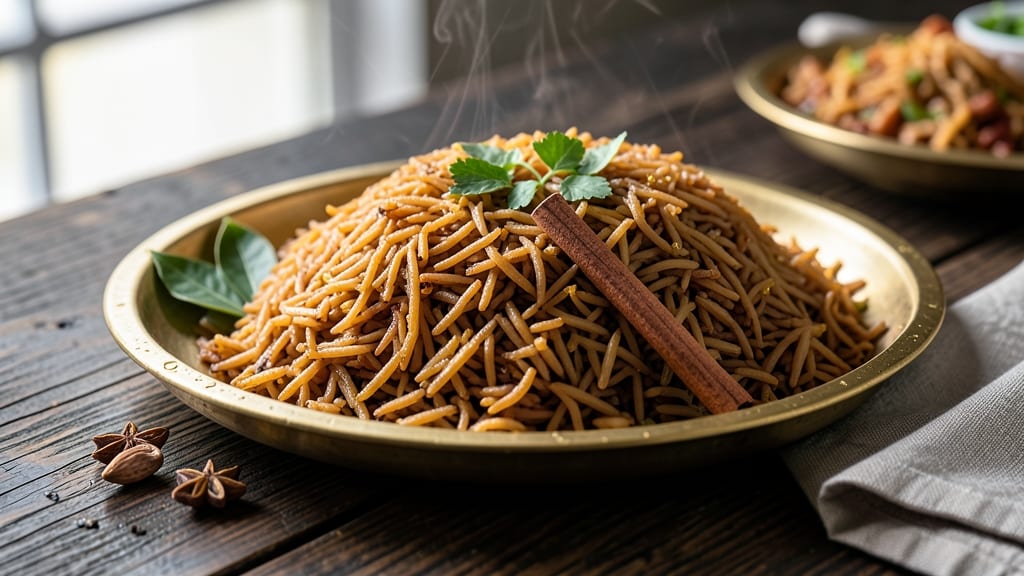
This brown basmati rice recipe Indian delivers fragrant, nutty grains that pair perfectly with curries and dals. The secret lies in proper soaking and gentle cooking—no burnt rice here. I’ve perfected this method to ensure each grain stays distinct yet tender, with subtle spice notes that elevate any meal.
Ready in just 15 minutes, this recipe transforms simple basmati rice into a flavorful side dish using traditional Indian techniques. A light tempering with ghee and whole spices adds depth, while the rice cooker method ensures foolproof results.
Whether serving with butter chicken or dal tadka, this rice will steal the show.
Ingredients for brown basmati rice recipe indian
Fragrant spices and ghee transform simple brown basmati into restaurant-quality Indian rice.
| Ingredient | Amount | Notes |
|---|---|---|
| Brown Basmati Rice 🍚 | 1 cup | Uncooked, long-grain variety |
| Water 💧 | 2 ½ cups | Room temperature preferred |
| Ghee 🧈 | 2 tbsp | Clarified butter for tempering |
| Bay Leaves 🌿 | 2 whole | Dried, for aromatic base |
| Cardamom Pods 🌿 | 4 whole | Green cardamom preferred |
| Cinnamon Sticks 🌿 | 1 whole | 1-inch piece for fragrance |
| Cloves 🌿 | 2 whole | Lightly crushed for aroma |
| Salt 🧂 | ½ tsp | Adjust to taste |
| Fresh Cilantro 🌿 | ¼ cup | Chopped, for garnish |
| Lemon Juice 🍋 | 1 tbsp | Freshly squeezed |
The rice is the foundation, so buy the best quality brown basmati you can find—brands like Tilda or Patna from Indian grocery stores have the ideal length-to-width ratio. Soaking the rice for 20 minutes before cooking ensures even cooking and prevents mushiness. For the spices, whole spices are essential—they release aroma during tempering. Penzeys or bulk bins at natural food stores are great for high-quality whole spices. If you can't find green cardamom, regular cardamom works, but the flavor will be slightly different. The ghee adds richness—never substitute vegetable oil for this step.
No bay leaves? Dried thyme at half the amount works in a pinch, though it won't have the same depth. Running out of cardamom? Cinnamon alone won't cut it, but a mix of cinnamon and nutmeg can mimic some of the warmth. For the lemon juice, fresh is non-negotiable—bottled juice lacks brightness. If you're short on time, pre-soak the rice in cold water for 10 minutes while you prep the spices. The cilantro can be skipped if you're not a fan, but it adds freshness that balances the spices beautifully. For extra flavor, toast the whole spices lightly in a dry pan before adding to the ghee.
Rice keeps best in an airtight container in the fridge for 4-5 days. Reheat with a splash of water in the microwave or on the stovetop with a lid, stirring occasionally. For longer storage, freeze portions for up to 3 months. The spices can be pre-toasted and stored in a jar for up to 6 months. To save time, measure everything before starting—this recipe moves fast once the rice is soaking. The tempering step is quick but crucial—don't rush it, or you'll miss the aromatic punch that makes this rice special.
Why You'll Love This Recipe
- No-Fuss Basics: I swear by this method—just rice, water, and a whisper of ghee. No fancy tools, no stress. The bay leaves and cardamom infuse the water while it simmers, so you’re not standing over a pot stirring for hours.
- Golden Aroma Magic: That first steamy whiff of toasted ghee and cardamom? Chef’s kiss. The rice turns nutty and fragrant, with just the right chew—none of that mushy, overcooked texture. Honestly, it smells like home before it even hits the plate.
- Meal Prep MVP: Make a big batch on Sunday, and you’ve got lunch sorted for days. Pairs perfectly with curries, grilled meats, or even a simple dal—no reheating drama, either. My lunchbox is full for the week without extra effort.
- Budget Booster: Brown basmati stays fresher longer than white rice, and a few cardamom pods stretch across multiple batches. Ghee adds richness without breaking the bank, and leftovers keep their texture for days—no sad, dry grains here.
Step-by-step instructions for brown basmati rice
Here's how to make restaurant-quality spiced basmati rice using traditional Indian techniques.
Rinse and Soak the Brown Basmati Rice
Place the 1 cup brown basmati rice in a fine-mesh strainer and rinse under cold running water for 30 seconds. Swirl the rice gently with your fingers to remove surface starch—you'll see the water turn cloudy. Continue rinsing until the water runs completely clear. This step prevents the rice from becoming gummy during cooking.
Transfer the rinsed rice to a bowl and cover with 2.5 cups water (room temperature preferred). Let it soak for 15-20 minutes. Soaking helps the rice absorb flavor from the spices and cook more evenly. The rice should be fully submerged—if not, add a splash more water. After soaking, drain the rice again in the strainer, shaking gently to remove excess water.
Toast the Whole Spices in Ghee
In a medium saucepan, melt the 2 tbsp ghee over medium heat. Add the 2 whole bay leaves, 4 whole cardamom pods, 1 whole cinnamon stick, and 2 whole cloves. Toast the spices for 1-2 minutes until you smell their aromatic oils release—the kitchen should fill with a warm, earthy fragrance.
Watch the ghee carefully—it should bubble gently but not brown. If it starts to smoke, reduce the heat slightly. Properly toasted spices will infuse the rice with deep, complex flavors. Once fragrant, remove the pan from heat and set aside for now.
Cook the Rice with Spices and Salt
Return the saucepan with ghee and spices to medium-high heat. Add the drained brown basmati rice and stir to coat each grain in the spiced ghee. Cook for 1 minute, stirring constantly, until the rice begins to sizzle and turn slightly translucent at the edges.
Add 2.5 cups water and the 0.5 tsp salt, then bring to a gentle boil. Once boiling, reduce heat to low, cover the pan tightly with a lid, and let the rice simmer for 12-15 minutes. The rice is done when all the water has been absorbed and the grains are tender but still have a slight bite—this is crucial for proper texture.
Rest and Finish with Fresh Flavors
Once the rice has absorbed all the liquid and the bottom of the pan is dry, remove it from heat. Let it sit covered for 5 minutes—this resting period allows the steam to redistribute, ensuring perfectly fluffy grains. The rice should be tender but still hold its shape when pressed between your fingers.
After resting, gently fluff the rice with a fork. Stir in the 0.25 cup chopped fresh cilantro and 1 tbsp lemon juice, mixing just until combined. The acidity of the lemon brightens the earthy spices, while the cilantro adds freshness. Serve immediately with your favorite Indian curries or as a standalone dish.
Pro Tips For Making Brown Basmati Rice Recipe Indian
- TOAST THE RICE FIRST: Brown basmati has a stubborn outer layer that needs breaking down—dry-toast it in the same pot with ghee for 2-3 minutes until it smells nutty. I used to skip this, and my rice always stayed chewy instead of fluffy. The ghee here isn’t just flavor; it’s the non-negotiable moisture barrier.
- USE 1.5 CUPS WATER: For 1 cup of brown basmati, don’t guess—measure 1.5 cups of water. Brown rice absorbs differently than white, and too much water turns it mushy while too little leaves it dry. I learned this after three batches where I either had to drain excess or eat dry grains.
- CRUSH THE CARDAMOM: Whole cardamom pods release flavor slowly—lightly crush them with the side of your knife before adding to the ghee. My grandmother swore by this, and it makes a real difference. Bay leaves can stay whole, but cardamom needs a little help to perfume the rice properly.
- COVER TIGHTLY AFTER SIMMERING: Once the water boils and you add the rice, turn the heat to low and cover with a tight lid. No peeking—steam is your friend here. I used to lift the lid every few minutes, and the rice would stick or dry out. Let it cook undisturbed for 30-35 minutes, then rest for 10 minutes. The texture changes dramatically if you skip this.
Wine and beer pairings for this recipe
Light White Wine
Indian-spiced rice pairs beautifully with a crisp Chenin Blanc from South Africa or Loire Valley. The wine’s bright acidity and subtle honey notes complement the cardamom and cinnamon in the rice while cutting through the richness of ghee.
I reach for Oyster Bay Chenin Blanc—its mineral finish balances the earthy spices perfectly. 🍷
Spiced Beer Options
For beer lovers, a chill-filtered lager like Kingfisher (India’s classic) or Peroni works wonders. The clean, light body won’t overpower the rice’s delicate flavors, while the slight bitterness from hops enhances the cardamom’s warmth.
If you prefer craft, try a wheat beer like Allagash White—its citrusy notes mirror the lemon finish.
Herbal Tea Pairing
Skip alcohol? A fragrant jasmine green tea or chamomile tea with honey elevates the meal. The floral notes harmonize with the cardamom and cinnamon, while the tea’s warmth contrasts the cool rice. I steep Twinings Jasmine Pearl> for 3 minutes—just enough to release its delicate aroma without bitterness.
Fruit-Infused Water
For a refreshing non-alcoholic option, infuse water with cucumber slices, mint leaves, and a splash of lime juice. The cool, crisp flavors refresh your palate between bites of spiced rice.
I add ½ cup ice cubes> to keep it chilled, especially during warm weather. This pairing is my go-to for summer meals.
Nutrition facts
Frequently asked questions
Why does brown basmati rice take longer to cook than white?
Brown basmati retains its bran layer, which requires extra cooking time—about 12-15 minutes compared to 10 minutes for white. The bran also absorbs more water, so always use 2.5 cups for 1 cup brown rice. Soaking for 15-20 minutes first helps reduce cooking time by 2-3 minutes.
Can I substitute ghee with butter or oil?
For best results, use ghee—its high smoke point prevents burning while adding nutty flavor. Butter works in a pinch but burns easily (medium heat only!). Oil (like vegetable) lacks richness, but if you must, use 2 tbsp and add ½ tsp toasted cumin seeds for depth. Never skip the ghee if you want that authentic Indian aroma!
What if my rice turns out mushy?
Overcooking or insufficient soaking causes mushiness. Always check for dry grains at the bottom before resting. For next time: rinse thoroughly, soak for 20 minutes, and use a tight-fitting lid to trap steam. If it's already mushy, spread on a tray and bake at 300°F for 10 minutes to dry it out.
How do I make this rice in a rice cooker?
Rinse and soak the rice as directed. Add 1 cup rice + 2 cups water to the cooker with all spices and ghee. Select the brown rice setting (or white rice + 2 minutes extra). After cooking, let it rest 5 minutes before fluffing with cilantro and lemon. Pro tip: Add ¼ tsp turmeric to the water for extra aroma!
Can I make this ahead of time?
Yes! Cooked rice keeps well in an airtight container for 4-5 days in the fridge. Reheat with 2 tbsp water per cup, covered, on low heat for 3-4 minutes. For serving, sprinkle fresh cilantro and a squeeze of lemon to revive flavors. Freeze portions for up to 3 months—thaw overnight in the fridge before reheating.