
Main Courses
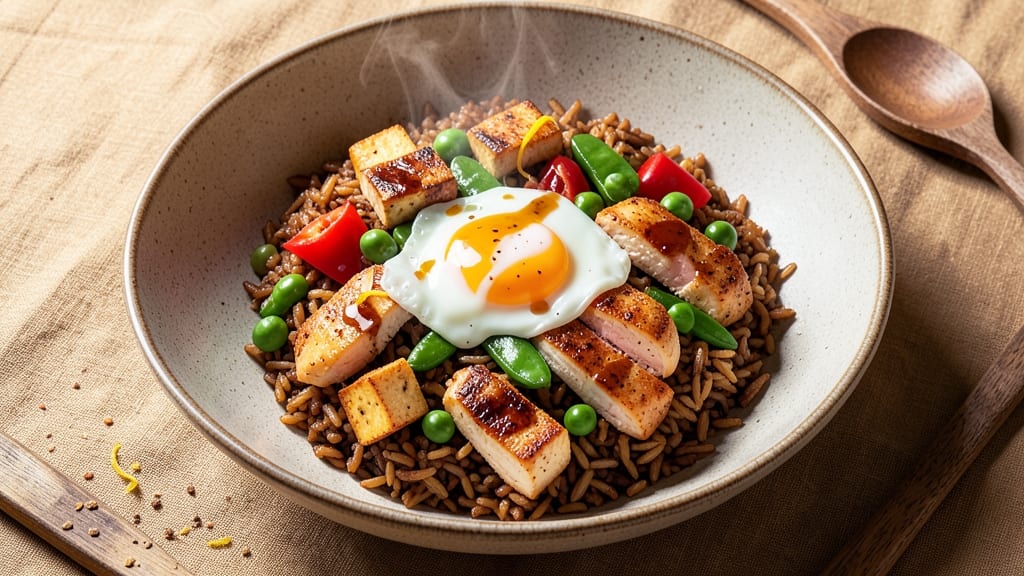
This brown fried rice recipe healthy transforms leftovers into a nutrient-packed meal that’s just as satisfying as takeout—without the guilt. The secret lies in stir-frying with lean protein, colorful veggies, and whole-grain brown rice for a dish that’s packed with flavor and fiber. I’ve perfected this version to keep calories in check while delivering that classic wok-tossed texture and savory depth you crave.
Using high-heat stir-frying techniques, we’ll sear lean chicken or tofu first to lock in moisture, then wok-toss with frozen veggies (no chopping required) and brown rice for a dish that’s ready in under 20 minutes.
The key? A balanced mix of protein, veggies, and whole grains—plus a savory soy-ginger sauce that adds umami without excess sodium. This isn’t just healthy; it’s restaurant-quality at home.
Ingredients for brown fried rice recipe healthy
Transform your pantry into a wok-tossed masterpiece with these nutrient-packed ingredients.
| Ingredient | Amount | Notes |
|---|---|---|
| Cooked Brown Rice 🍚 | 3 cups | Day-old, cold rice preferred |
| Extra-Firm Tofu 🥜 | 1 lb | Pressed and cubed |
| Boneless Chicken Breast 🍗 | 1 lb | Thinly sliced for quick cooking |
| Frozen Mixed Vegetables 🥕🌽 | 2 cups | Peas, carrots, corn blend |
| Eggs 🥚 | 2 whole | Lightly beaten for scrambling |
| Low-Sodium Soy Sauce 🥢 | ¼ cup | Kikkoman preferred |
| Sesame Oil 🫒 | 1 tbsp | Toasted for aroma |
| Fresh Ginger 🌿 | 1 tbsp | Grated, fresh preferred |
| Garlic Cloves 🧄 | 3 cloves | Minced for sauce |
| Green Onions 🧅 | ¼ cup | Sliced, for garnish |
| Avocado Oil 🫒 | ½ cup | High smoke point for stir-fry |
| Diamond Crystal Kosher Salt 🧂 | ½ tsp | Adjust to taste |
| Ground Black Pepper 🌶️ | ¼ tsp | Freshly cracked |
| Sesame Seeds 🌾 | 1 tbsp | Toasted for crunch |
The brown rice is the foundation—day-old works best since it won't turn mushy. For protein, I alternate between chicken breast and tofu to keep it lean. The extra-firm tofu from Trader Joe's or Whole Foods holds up perfectly when pressed and cubed. Fresh ginger and garlic are non-negotiable here—they bring that bright, zesty punch that jarred versions can't match. If you're short on time, frozen veggie blends save chopping and add color without extra effort.
No soy sauce? Coconut aminos work in a pinch, though the flavor profile shifts slightly. The eggs can be swapped for silken tofu scrambled if you're strictly plant-based. For the sesame oil, any neutral oil (like avocado or grapeseed) will work if you're avoiding the strong flavor—just add it at the end instead of during cooking. The green onions might seem optional, but they add that fresh pop of color and crunch that makes it feel restaurant-quality. Toast your sesame seeds in a dry pan for 30 seconds—they'll be twice as flavorful.
Store cooked rice in an airtight container for up to 4 days, though it reheats best within 2 days. The tofu and veggies can be prepped ahead and kept in the fridge for 3 days before stir-frying. This dish reheats beautifully—just add a splash of water or broth to keep it moist. Portion into containers for 3-4 days of lunches, or freeze individual servings for up to 3 months. The sauce components (soy, sesame oil, ginger) can be pre-mixed and stored in the fridge for 1 week.
Why You'll Love This Recipe
- One-Pan Magic: I swear by this—just toss everything on a single pan. The brown rice, tofu, chicken, and frozen veggies all cook together with zero fuss, and the eggs slide right in at the end. My counters stay cleaner than my kid’s room after dinner.
- Umami Bomb: That crispy tofu and chicken breast? Chef’s kiss. The soy sauce and garlic give it this deep, savory punch, while the eggs add a creamy richness. Honestly, I’ve had takeout that didn’t hit as hard.
- Meal Prep MVP: Make a big batch on Sunday, and you’re set for lunches all week. The flavors only get better as it sits—my co-workers actually ask for leftovers now. (Yes, even the ones who hate rice.)
- Budget Win: Tofu and brown rice stretch meals without breaking the bank, and frozen veggies cut costs without sacrificing taste. I feed my family four hearty servings for less than a single restaurant entree. Not bad for something this satisfying.
Step-by-step instructions for wok-tossed veggies and lean protein power
Here's how to transform simple ingredients into a restaurant-quality healthy fried rice dish.
Prepare the Protein Components
Start by pressing the 1 lb extra-firm tofu between paper towels or a clean kitchen towel for 15 minutes to remove excess moisture. Cut it into ½-inch cubes—this ensures even cooking and better texture when stir-fried. In a separate bowl, lightly beat the 2 whole eggs with a fork until just combined but still slightly lumpy for a soft scramble.
Slice the 1 lb boneless chicken breast into thin strips against the grain for tender bites. The key here is to keep all protein components separate until cooking to maintain texture control. I like to use a sharp knife for clean cuts that cook evenly. Keep everything at room temperature while you prepare the aromatics—this prevents chilling the wok during cooking.
Create the Aromatic Base
Heat 0.5 cup avocado oil in a large wok or deep skillet over medium-high heat until shimmering. Add the 3 cloves minced garlic and 1 tbsp grated fresh ginger and stir constantly for 30 seconds until fragrant but not browned. This quick cooking preserves their bright flavors without bitterness.
Next, add the 2 cups frozen mixed vegetables and stir-fry for 3-4 minutes until heated through and slightly softened. The high smoke point of avocado oil ensures you won't burn the aromatics while cooking the vegetables. Here's the thing—don't overcrowd the pan. If your wok gets too full, work in batches to maintain proper heat and prevent steaming instead of searing.
Cook the Proteins Separately for Optimal Texture
Push the vegetables to one side of the wok and add ½ tbsp avocado oil to the empty space. Cook the tofu cubes for 4-5 minutes until golden brown on all sides. Transfer to a plate and set aside. Repeat the process with the chicken strips, cooking for 3-4 minutes until just cooked through but still juicy.
This separate cooking method guarantees each protein component maintains its perfect texture. Tofu needs that extra time to develop crispy edges, while chicken cooks quickly and can dry out if overcooked. The residual heat in the wok will finish cooking both components when everything comes together.
Assemble and Stir-Fry the Fried Rice
Return all proteins and vegetables to the wok. Add the 3 cups cooked brown rice and gently toss to combine. Pour in 0.25 cup low-sodium soy sauce and 1 tbsp toasted sesame oil, stirring continuously for 2-3 minutes until everything is evenly coated and heated through. The rice should be sizzling and slightly crispy at the edges—this indicates proper moisture balance.
Here's where it gets good: push the mixture to one side of the wok and pour in the lightly beaten eggs. Scramble them quickly with a spatula, then immediately mix everything together. The residual heat will cook the eggs perfectly without overcooking the rice. If the mixture seems dry, add 1-2 tablespoons of water to create steam and help distribute flavors.
Finish with Seasoning and Garnish
Season immediately with 0.5 tsp diamond crystal kosher salt and 0.25 tsp freshly cracked black pepper, tossing well to distribute evenly. Remove from heat and let rest for 1 minute—this allows all the flavors to meld together. The dish should have a perfect balance of savory, umami, and slightly sweet notes from the vegetables.
Garnish with 0.25 cup sliced green onions and 1 tbsp toasted sesame seeds just before serving. The green onions add freshness while the sesame seeds provide a satisfying crunch. Serve immediately while hot—fried rice tastes best straight from the wok when the textures are at their peak. Each bite should deliver a perfect combination of tender chicken, crispy tofu, vibrant vegetables, and fluffy rice in every mouthful.
Pro Tips For Making Brown Fried Rice Recipe Healthy
- STIR-FRY COLD RICE: Cold rice is your friend—it prevents mush. Spread your cooked brown rice on a tray and refrigerate for at least 30 minutes before stir-frying. I used to skip this and ended up with gluey rice every time, no matter how much I stirred.
- PRESS TOFU DRY: Extra-firm tofu still holds moisture—squeeze it like you mean it. Wrap the block in paper towels, press between heavy books (or a cast-iron skillet) for 15 minutes, then slice. This guarantees crisp edges instead of soggy cubes.
- CUT CHICKEN SMALL: Tiny pieces cook faster and absorb flavor better. Dice the chicken breast into ½-inch cubes—any larger and they’ll turn rubbery before the rest of the dish is done. I learned this after serving chewy, overcooked chicken twice in a row.
- SAUTE VEGETABLES FIRST: Frozen veggies release water—so cook them alone for 3-4 minutes before adding anything else. This prevents your rice from turning into a soup. Sounds obvious, but I still catch myself rushing and regretting it.
Pro cooking tips for this dish
High-Heat Wok Mastery
Your wok needs to be screaming hot before adding oil—look for small smoke wisps when you add the 0.5 cup avocado oil. I use a 14-inch carbon steel wok from Mauviel because it heats up fast and retains heat perfectly.
If your wok isn't hot enough, the aromatics will steam instead of sizzle, leading to bland flavors. Preheat your wok for 2-3 minutes over high heat before starting. 🔥
Protein Cooking Order
Cook tofu first since it takes the longest to crisp up, then chicken, then eggs at the very end. The residual heat from the tofu and chicken will finish cooking the eggs perfectly without making the rice soggy.
I like to keep my proteins in separate bowls until they're ready to go into the wok—this prevents them from getting soggy while waiting. 🥜🍗
Rice Texture Secrets
Use day-old brown rice that's completely cooled and slightly dry—this prevents mushiness when stir-frying. If your rice is too moist, spread it on a baking sheet and let it dry in the fridge for 30 minutes.
The key is to get that perfect crispy edge on each grain while keeping the center tender. I find that 3 cups of cold rice gives the best texture without overwhelming the dish. 🍚
Sauce Timing Matters
Add the low-sodium soy sauce and sesame oil right when you combine everything with the rice—this ensures even distribution of flavors. If you add it too early, the rice will absorb too much liquid and turn mushy.
The sauce should coat the rice but not make it sticky. Taste as you go and adjust with an extra ½ tsp soy sauce if needed. 🥢
Egg Scramble Technique
Push everything to one side of the wok before adding the eggs—this creates space for quick scrambling. Cook the eggs for just 10-15 seconds until they're almost set, then immediately mix with the rice.
The residual heat will finish cooking them perfectly. If your eggs are overcooked, they'll turn rubbery and ruin the texture of the dish. 🥚
Resting for Flavor
Let the fried rice rest for 1 minute off the heat before serving—this allows all the flavors to meld together. I notice the dish tastes even better after this short rest because the heat continues to work its magic.
Don't skip this step! The final product should have a perfect balance of textures: crispy edges on the rice, tender chicken, crispy tofu, and silky eggs. ✨
Nutrition facts
Frequently asked questions
Why does day-old rice work better for fried rice?
Day-old rice is firmer and drier, which prevents it from turning mushy when stir-fried. The starches have had time to firm up, creating that perfect crispy texture on the edges while keeping the center tender. Plus, cold rice absorbs flavors better than freshly cooked rice.
Can I use white rice instead of brown for this healthy recipe?
You can, but you'll lose some nutritional benefits. Brown rice provides more fiber and nutrients, but if you prefer white rice, use 2 cups cooked instead of 3 cups since it expands more. For a middle ground, try half brown, half white rice to balance texture and nutrition.
How do I prevent my fried rice from getting soggy?
Overcrowding or adding too much liquid are the main culprits. Cook proteins and veggies separately, then combine everything at the end with just enough sauce to coat. If your rice seems dry, add 1 tablespoon water at a time while stirring. Also, use a wok or large skillet to maintain proper heat distribution.
What's the best way to make this vegetarian?
Swap the chicken for an extra 8 oz of tofu (cubed and pressed) or add ½ cup chopped mushrooms for umami. Use silken tofu scrambled instead of eggs, and consider adding ½ cup edamame for extra protein. The same stir-fry technique applies—just adjust cooking times for plant-based proteins.
Can I make this ahead of time for meal prep?
This dish reheats beautifully. Cook and cool it completely, then store in airtight containers for up to 4 days in the fridge. For reheating, add 1 teaspoon water or broth per serving and microwave for 1-2 minutes until steaming hot. The flavors actually improve after resting overnight.