
Main Courses
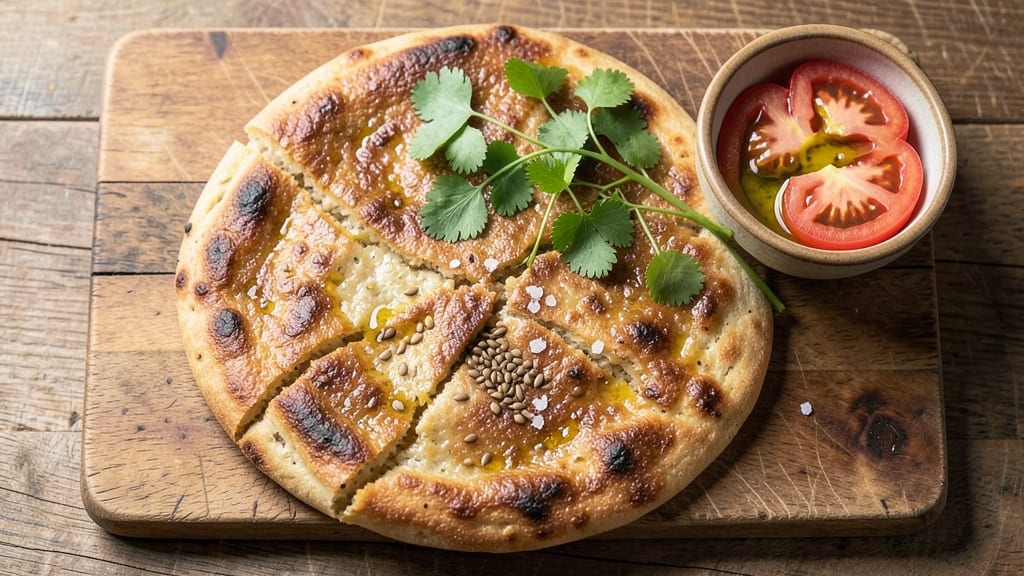
This brown rice flatbread recipe transforms whole-grain nutrition into a versatile, restaurant-worthy staple that rolls out with minimal effort.
The nutty flavor of brown rice flour creates a heartier alternative to traditional flatbreads, while a simple dough of flour, water, and oil yields a pliable texture perfect for wraps, appetizers, or even a quick side dish.
What makes this recipe stand out is its zero-fuss rolling technique—no stand mixer or professional skills required. The dough comes together in just 10 minutes, and with a light pan-fry or oven bake, you’ll achieve a golden, slightly crispy exterior that stays tender inside.
Whether you’re serving it as a wrap for grilled vegetables or as a base for dips, this flatbread delivers both nutritional benefits and satisfying texture without sacrificing ease.
Ingredients for brown rice flatbread
Whole-grain nutrition meets restaurant-worthy texture in this simple, versatile flatbread recipe.
| Ingredient | Amount | Notes |
|---|---|---|
| Brown Rice Flour 🌾 | 1 ½ cups | For nutty flavor and whole-grain texture |
| All-Purpose Flour 🌾 | ½ cup | Balances texture with brown rice flour |
| Extra-Virgin Olive Oil 🫒 | ¼ cup | High-quality for pliable dough |
| Warm Water 💧 | ¾ cup | Adjust for dough consistency |
| Salt 🧂 | ½ tsp | Diamond Crystal preferred |
| Instant Yeast 🍞 | ¼ tsp | For subtle leavening |
| Sesame Seeds 🌰 | 1 tbsp | Optional for topping |
| Ground Cumin 🌿 | ½ tsp | Enhances nutty depth |
| Garlic Powder 🧄 | ¼ tsp | Freshly ground preferred |
| Unsalted Butter 🧈 | 1 tbsp | For pan-frying |
The brown rice flour is the star here—Bob's Red Mill or Anthony's Goods brands deliver the best nutty flavor. If you can't find it locally, check the bulk section at Whole Foods or order online. For the all-purpose flour, King Arthur is ideal, but any high-protein brand works. The olive oil should be extra-virgin—California-based brands like Corto or Filippo Berio offer the best balance of fruitiness and mild peppery notes. Sesame seeds? Toast them lightly before sprinkling for extra aroma.
No brown rice flour? Substitute with whole wheat flour at a 1:1 ratio, though texture will be slightly denser. Running short on olive oil? Avocado oil works equally well for frying. The yeast is optional but adds subtle lift—omit entirely for a flatbread with zero rise. For the spices, Penzeys or bulk bins at natural markets provide the freshest ground cumin and garlic powder. Pre-ground spices lose potency quickly, so invest in small quantities if you don't use them often.
Store the dough in an airtight container for up to 3 days in the fridge. For longer storage, wrap individual portions in plastic and freeze for 2 months. The flatbreads reheat beautifully—30 seconds in a dry pan restores crispiness. I like to make a double batch and freeze half for quick lunches. When serving, keep them warm in a 200°F oven with a towel draped over them to maintain pliability.
Why You'll Love This Recipe
- No-Fuss Mixing: I swear by the 3-ingredient combo here—just flour, oil, and water. Honestly, the brown rice flour gives it a subtle nuttiness that surprises everyone, but the real magic? No kneading, no waiting. You mix, roll, cook—done.
- Crispy-Creamy Magic: That first sear in the pan? Chef’s kiss. The olive oil makes the edges golden and crisp while the center stays soft—like a cross between a tortilla and a cracker. (Yes, even on a Tuesday night.)
- Wrap or Stuff: Use it for tacos, sandwiches, or even as a base for breakfast hash. My kids love them plain with peanut butter, but I’ve also stuffed them with leftover curry or grilled veggies. Zero waste, all flavor.
- Pantry Staple: Brown rice flour is cheap, and this recipe stretches it far. Make a batch, freeze extras, and thaw as needed—no soggy leftovers. Between us, I’ve kept these in my fridge for weeks and they’re still fresh.
Step-by-step instructions for brown rice flatbread
Here's how to craft perfectly flexible, nutty flatbreads with minimal effort.
Combine Dry Ingredients for Even Texture
In a large mixing bowl, whisk together the 1.5 cups brown rice flour and 0.5 cup all-purpose flour until fully aerated and free of any lumps. This step ensures your flatbread develops a consistent, tender crumb rather than a dense texture. Add the 0.5 tsp salt, 0.5 tsp ground cumin, and 0.25 tsp garlic powder, mixing until the spices are evenly distributed throughout the flour blend.
The brown rice flour contributes a subtle nutty flavor and whole-grain texture, while the all-purpose flour provides structure. The spices will infuse warmth into every bite, creating a flavor profile that's both earthy and aromatic. I like to use a fine-mesh sieve for the spices to prevent any gritty particles from remaining in the mixture.
Create the Dough with Olive Oil and Yeast
Make a well in the center of the dry ingredients and add the 0.25 cup extra-virgin olive oil, 0.25 tsp instant yeast, and 0.75 cup warm water (about 105°F). Using a wooden spoon or flexible spatula, gradually incorporate the wet ingredients into the dry until a shaggy dough forms. The olive oil acts as a natural tenderizer, while the yeast provides just enough lift to create a slightly airy texture without overproofing.
Once combined, knead the dough on a lightly floured surface for 3-4 minutes until smooth and elastic. The dough should be soft but not sticky—if it feels too wet, add a tablespoon of brown rice flour at a time until it reaches the perfect consistency. The olive oil will keep the dough pliable, making it easier to roll out later without cracking.
Rest the Dough for Optimal Rolling
Shape the dough into a ball, place it back in the mixing bowl, and cover tightly with plastic wrap or a damp kitchen towel. Allow the dough to rest at room temperature for 30-45 minutes. This resting period relaxes the gluten strands, making the dough far more pliable and easier to roll out evenly. The yeast will also begin to activate slightly, enhancing the final texture.
I find that resting the dough at room temperature rather than in the refrigerator prevents overproofing while still allowing the gluten to fully develop. If your kitchen is particularly warm, reduce the resting time to 20-25 minutes to avoid any unwanted fermentation. The dough should feel slightly springy when pressed gently—this is your cue that it's ready for rolling.
Divide and Roll for Perfect Flatbreads
Once rested, divide the dough into 4 equal portions (about 4 ounces each). Working with one portion at a time, roll it out on a lightly floured surface to a ⅛-inch thickness, about 6 inches in diameter. The goal is to create an even, circular flatbread with smooth edges. If the dough resists rolling, let it rest for an additional 5 minutes and try again—this prevents tearing and ensures flexibility.
To achieve the best results, use a rolling pin with a smooth, even surface. Press down gently but firmly, rotating the dough ¼ turn after each press to maintain uniformity. The brown rice flour will give the flatbread a slightly chewy texture, while the olive oil ensures a tender bite. Keep the remaining dough covered to prevent drying while you roll out the rest.
Cook Until Golden and Crisp
Heat a 10-inch skillet over medium-high heat until hot. Add 1 tablespoon unsalted butter and allow it to melt and foam. Place one rolled flatbread in the skillet and cook for 1-2 minutes per side, until golden brown spots appear and the edges begin to crisp. The butter will infuse the flatbread with rich flavor while creating a delicate, golden crust.
Transfer the cooked flatbread to a plate and keep it warm in a 200°F oven while you cook the remaining flatbreads. For extra flavor, sprinkle 1 tablespoon sesame seeds over each flatbread as they come out of the pan. The sesame seeds add a subtle nutty crunch that complements the earthy tones of the brown rice flour. Serve immediately while still warm and flexible for the best texture.
Pro Tips For Making Brown Rice Flatbread
- STORE THE FLOUR DRY: Brown rice flour absorbs moisture like a sponge—if it’s not bone-dry, your dough will turn gummy. Keep it in the freezer for 10 minutes before measuring to drive off any hidden dampness. (Yes, I learned this after a batch of flatbread that stuck to the pan like glue.)
- SALT THE WATER FIRST: Dissolve the salt in the warm water before mixing—it distributes evenly and prevents clumpy dough. Skip this, and you’ll end up with uneven seasoning, especially if you’re adding herbs or spices later. (I used to add salt last and wondered why my flatbread tasted bland in spots.)
- PRESS THIN, COOK FAST: Roll the dough to about ¼-inch thickness—thinner means faster cooking and a crispier edge. If it’s uneven, press down firmly with a glass or your palm before sliding it onto the skillet. (I once left a thick spot, and it stayed doughy while the rest burned.)
- USE A LID FOR 30 SECONDS: Once you flip the flatbread, cover it with a lid for 30 seconds to trap steam—this guarantees a soft center. Remove it just before the edges crisp, or you’ll end up with a rubbery mess. (I skipped this step early on and got flatbread that was crispy outside and raw inside.)
Troubleshooting this dish
Dough Too Sticky?
If your dough feels overly wet or sticky after kneading, don't panic—just add 1 tablespoon brown rice flour at a time while kneading until it reaches a soft but pliable consistency.
The extra flour absorbs moisture without making the flatbread dense. I've found that 3-4 extra tablespoons max usually does the trick. Avoid over-flouring, as this can make the dough tough.
Flatbreads Cracking?
Cracking often happens when the dough isn't rested long enough or rolled too thin. Let the dough rest 30-45 minutes before rolling, and work in 5-minute increments if it resists.
For extra flexibility, lightly dust your rolling surface with brown rice flour instead of all-purpose flour—the higher protein content in all-purpose can make the dough tougher. A ¼-inch thickness is ideal for preventing cracks while maintaining pliability. 🌾
Uneven Cooking?
Uneven browning usually means your heat isn't distributed properly. Preheat your 10-inch skillet over medium-high heat for 2 minutes before adding butter. If the flatbread browns too quickly on one side, reduce heat to medium and cook for 1-2 minutes per side.
For oven-baked versions, place flatbreads directly on the middle rack at 400°F for 5-7 minutes—this ensures even cooking without burning.
Dough Too Dense?
A dense flatbread often results from over-kneading or insufficient yeast activation. Knead just until smooth (3-4 minutes), and ensure your water is 105°F—too hot will kill the yeast, while too cold won't activate it.
If you skipped yeast, add ½ tsp baking powder to the dry ingredients for a slight lift. For extra tenderness, brush the cooked flatbread with 1 tsp melted butter after baking. 🔥
Flatbreads Too Dry?
Dry flatbreads usually mean the dough rested too long or was rolled too thin. Keep dough covered with a damp towel during resting to prevent drying. If already rolled, lightly brush with water or olive oil before cooking.
For extra moisture, add 1 extra tablespoon olive oil to the dough recipe. Store cooked flatbreads in an airtight container with a paper towel to retain softness.
Spices Not Infusing?
If your flatbread lacks flavor, your spices might not be evenly distributed. Sift the cumin and garlic powder through a fine-mesh sieve before mixing, and whisk them into the dry ingredients until fully combined.
For deeper flavor, toast the spices in a dry pan over low heat for 1 minute before adding to the flour. A pinch of smoked paprika (¼ tsp) also enhances nutty depth without overpowering. 🌿
Nutrition facts
Frequently asked questions
Can I make this brown rice flatbread without yeast?
Omit the yeast and add ½ teaspoon baking powder to the dry ingredients for a quick-rise version. The texture will be slightly denser but still flexible. For extra flavor, toast ½ teaspoon cumin seeds in a dry pan before grinding them into the flour mixture.
How do I store leftover flatbreads?
Keep cooked flatbreads fresh by storing them in an airtight container with a paper towel to prevent drying. They’ll stay soft for 2-3 days at room temperature. For longer storage, freeze individual flatbreads wrapped in plastic for up to 2 months. Reheat in a dry skillet for 30 seconds to restore crispiness.
What’s the best way to use these flatbreads?
These versatile flatbreads work perfectly as wraps for grilled veggies, hummus, or falafel. Use them as a base for dips like tzatziki or baba ganoush, or toast them with olive oil and herbs for a quick appetizer. The nutty flavor pairs well with spiced lentils or roasted meats too!
Why did my flatbread turn out dense?
Density often happens from over-kneading or insufficient yeast activation. Knead just until smooth (3-4 minutes) and ensure your water is 105°F. If skipping yeast, add ½ teaspoon baking powder for lift. For extra tenderness, brush cooked flatbreads with 1 teaspoon melted butter after baking.
Can I substitute brown rice flour with another whole grain?
Yes! Try whole wheat flour or buckwheat flour at a 1:1 ratio, though texture may vary. For a lighter result, mix 1 cup brown rice flour + ½ cup all-purpose flour. Avoid almond flour—it lacks the necessary gluten structure for pliable flatbreads.