
Side Dishes
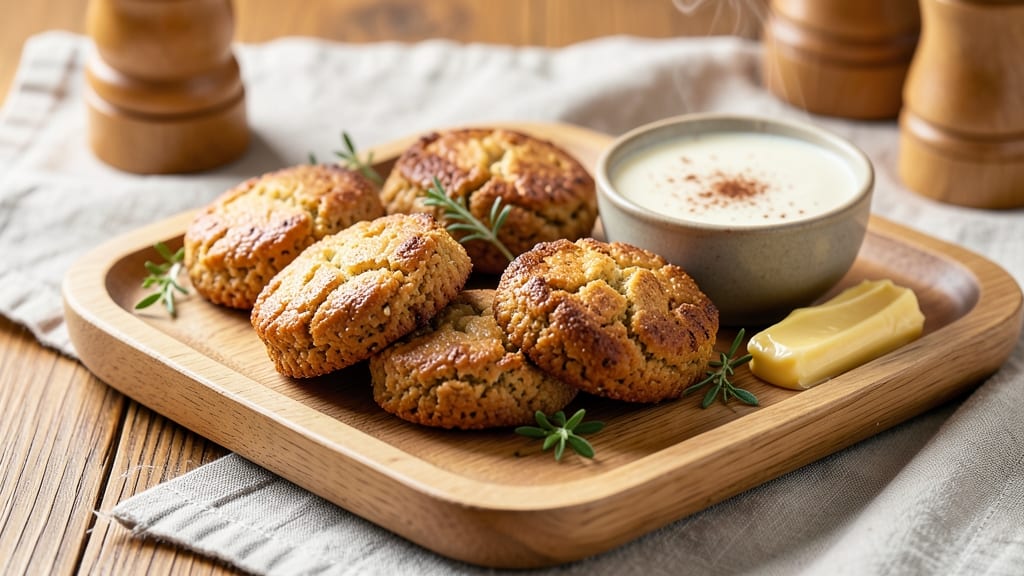
This brown rice flour biscuit recipe delivers golden, crispy layers with a buttery flavor—perfect for gluten-free or vegan diets. ✨ The secret lies in the right balance of flours and moisture, creating a tender yet sturdy biscuit that holds up to any meal.
Unlike traditional biscuits, these rely on brown rice flour for a nutty depth and lighter texture without gluten.
What sets these apart is their crispy exterior and flaky interior, achieved through precise baking techniques and a touch of plant-based butter. They pair beautifully with soups, stews, or even as a base for sandwiches.
The recipe is designed to be foolproof, ensuring you get perfectly golden biscuits every time—no fuss, just delicious results.
Ingredients for brown rice flour biscuit
Gluten-free flours and plant-based fats create golden, flaky biscuits with nutty depth and crispy layers.
| Ingredient | Amount | Notes |
|---|---|---|
| Brown Rice Flour 🌾 | 1 ½ cups | Gluten-free, finely milled |
| All-Purpose Flour 🌾 | ½ cup | For structural support |
| Baking Powder 🧂 | 2 tbsp | Aluminum-free preferred |
| Fine Sea Salt 🧂 | 1 ½ tsp | Diamond Crystal preferred |
| Cold Vegan Butter 🧈 | ½ cup | Miyoko's or Earth Balance |
| Cold Unsweetened Almond Milk 🥛 | ½ cup | Vanilla flavor works best |
| Flaxseed Meal 🌱 | 1 tbsp | Ground fresh for binding |
| Ice Water 💧 | ¼ cup | Essential for flaky texture |
| Ground Flaxseed 🌱 | 1 tsp | For omega-3 binding |
| Coconut Oil 🫒 | 1 tbsp | For crispy golden finish |
| Sesame Seeds 🌾 | 1 tbsp | Optional for texture |
| Black Peppercorns 🌶️ | ½ tsp | Freshly cracked preferred |
The brown rice flour is the foundation here—Bob's Red Mill or Anthony's Goods brands yield the best texture. For the all-purpose flour, King Arthur is ideal as it blends well with gluten-free flours. The baking powder must be fresh; Bob's Red Mill aluminum-free version works perfectly. Vegan butter should be cold and firm—Miyoko's or Earth Balance are excellent choices, but any plant-based butter will suffice if properly chilled. The almond milk adds moisture without overpowering the biscuit's delicate flavor profile.
No flaxseed meal? Chia seeds ground into a powder work as a 1:1 substitute. Running short on coconut oil? Avocado oil provides a similar crispy finish. The sesame seeds are optional but add a delightful crunch—toasted sesame oil can replace them if you prefer. For extra flakiness, ensure your vegan butter and almond milk are ice-cold before mixing. The black peppercorns should be freshly cracked for a robust flavor, but pre-ground works in a pinch. If you're making these ahead, store the dough in the fridge for up to 24 hours for improved texture.
Biscuits keep best in an airtight container at room temperature for 3 days or frozen for 3 months. Reheat in a 350°F oven for 5-7 minutes to restore crispiness. For a restaurant-quality touch, brush the tops with melted coconut oil before baking. These biscuits freeze beautifully—portion the dough into balls before freezing, then bake straight from frozen by adding 2-3 extra minutes to the baking time. The nutty flavor of brown rice flour shines when paired with hearty soups or stews, making these a versatile addition to any meal.
Why You'll Love This Recipe
- No-Fuss Mixing: I swear by this combo—just toss the dry ingredients (brown rice flour, all-purpose, baking powder, salt) in a bowl, then cut in that cold vegan butter until it looks like crumbly sand. No food processor? No problem. My hands work just fine.
- Nutty Crunch Surprise: That brown rice flour adds a subtle earthiness you won’t find in regular biscuits—like a toasty, slightly sweet note that lingers. Honestly, it’s the kind of flavor that makes you pause mid-bite and think, "Wait, why don’t I do this more?"
- Weeknight & Picnic Hero: These hold up perfectly for days (yes, even when packed in a lunchbox) and double as a buttery base for gravy or a crispy vessel for chili. I’ve served them at brunch, potlucks, and lazy Sundays—no one ever asks what’s in them, just that they want more.
- Budget-Friendly Staple: Brown rice flour might sound fancy, but it’s cheaper than specialty flours and stretches your ingredients further. Plus, the recipe uses pantry basics—no weird substitutions needed. My wallet and my taste buds win every time.
Step-by-step instructions for brown rice flour biscuits
Master this gluten-free technique for biscuits with golden layers and crispy edges every time.
👨🍳 Step 1: Mix Dry Ingredients for Optimal Texture
In a large mixing bowl, combine the 1.5 cups brown rice flour with the 0.5 cup all-purpose flour and 2 tbsp baking powder. Whisk vigorously for 30 seconds to aerate the flours and create a fine, homogeneous base. This initial mixing ensures even distribution of gluten-free and wheat flours for proper lift.
Next, add the 1.5 tsp fine sea salt and 0.5 tsp black peppercorns (pre-cracked for maximum flavor). Sprinkle the 1 tbsp flaxseed meal and 1 tsp ground flaxseed over the mixture. The flaxseed components will bind the dough together without eggs, creating a tender yet sturdy texture. Mix again for 20 seconds until all dry ingredients are thoroughly incorporated and no flour pockets remain.
🍳 Step 2: Cut in Cold Fats for Layered Flakiness
Add the 0.5 cup cold vegan butter (cut into small cubes) and 1 tbsp coconut oil to the dry mixture. Using a pastry cutter or your fingers, work the fats into the flour until the mixture resembles coarse crumbs with pea-sized butter pieces remaining. The cold temperature is critical—it prevents the butter from melting and ensures those signature flaky layers.
Real talk: if the butter starts to soften, chill the bowl in the refrigerator for 5 minutes before continuing. You want the dough to hold its shape when pressed but still be workable. The cold unsweetened almond milk will come next, but we'll add it gradually to maintain proper consistency.
🥘 Step 3: Hydrate with Precision for Perfect Dough
Pour in the 0.5 cup cold unsweetened almond milk and 0.25 cup ice water simultaneously through a fine-mesh strainer while stirring gently with a wooden spoon. The ice water is non-negotiable—it creates steam during baking that promotes rise and crispiness. Mix just until combined, being careful not to overwork the dough.
At this stage, the dough should be shaggy and slightly sticky but not wet. If it's too dry, add 1 teaspoon of ice water at a time until it just comes together. If it's too sticky, sprinkle in 1 tablespoon of brown rice flour until it forms a soft, pliable mass. The dough should gather into a cohesive ball when pressed gently—this is your target consistency.
👨🍳 Step 4: Shape and Chill for Even Baking
Turn the dough onto a lightly floured surface and gently pat it into a 1-inch thick rectangle. Fold the rectangle in thirds like a letter, then rotate 90 degrees and pat again into a rectangle. Repeat this process two more times—this creates the signature flaky layers by building multiple butter sheets within the dough.
Once shaped, wrap the dough tightly in plastic wrap and refrigerate for at least 1 hour (up to 24 hours for best results). Chilling firms up the fats, prevents excessive spreading, and allows the flours to fully hydrate. This step is where the magic happens—don't skip it, even if you're eager to bake.
🔥 Step 5: Bake to Golden Perfection
Preheat your oven to 425°F with a baking sheet inside to ensure even heat distribution. Line the sheet with parchment paper and cut the chilled dough into 12 equal rectangles (about 2.5 inches by 2 inches each). Place them 1 inch apart on the prepared sheet—they'll expand during baking.
Bake for 12-15 minutes until the biscuits are deep golden brown at the edges and the internal temperature reaches 190°F. You'll notice the tops develop a crispy texture while the centers remain tender. For extra crunch, sprinkle the 1 tbsp sesame seeds evenly over the tops during the last 2 minutes of baking.
Remove from the oven and transfer to a wire rack to cool for 5 minutes before serving. The biscuits will firm up slightly as they cool but should remain tender inside with those beautiful crispy edges. Serve warm with your favorite plant-based butter or jam for the ultimate golden crunch experience.
Pro Tips For Making Brown Rice Flour Biscuit
- CHILL THE BUTTER FIRST: Brown rice flour absorbs moisture differently than wheat flour, so cold vegan butter is non-negotiable here. I learned this the hard way—once I used slightly softened butter, and the biscuits spread into sad, flat pancakes. Take the butter out of the fridge 10 minutes before mixing, no more. (Yes, even if you're impatient like me.)
- WEIGH YOUR FLOURS: Brown rice flour is lighter than all-purpose flour, and scooping from the bag leads to inconsistent batches. Use a kitchen scale for accuracy—this isn’t the time to eyeball it. I used to skip this, and my biscuits would either turn out dense or crumbly. Spoon the flour into the scale, then level it off with a knife for precision.
- DON’T OVERMIX THE DOUGH: Once you add the liquid, stop mixing after 2-3 turns with a fork. Overworking the dough activates the gluten in the all-purpose flour, which makes the biscuits tough instead of tender. The dough will look shaggy—that’s fine. Fold just until combined, then let it rest for 5 minutes before shaping.
- BAKE AT 425°F FOR 12-14 MINUTES: High heat is crucial for crisp edges and a light interior. I used to pull them out too soon, thinking they’d keep baking, but that’s when they turn gummy. Use an oven thermometer to confirm your oven’s accuracy—mine runs 25°F hot, so I adjust accordingly. Rotate the pan halfway through for even browning.
Troubleshooting your brown rice flour biscuit
Dough Too Sticky
If your dough feels too sticky after mixing, don’t panic—this is common with gluten-free flours. Gradually add 1 tablespoon of brown rice flour at a time while kneading gently until the dough holds together when pressed.
Overmixing can activate the gluten in all-purpose flour, making the biscuits tough. If the dough still feels too wet, chill it for 10 minutes to firm up before shaping. 💧
Flat or Dense Biscuits
Flat or dense biscuits usually mean the dough wasn’t chilled long enough or the fats weren’t cold enough. Ensure your vegan butter and almond milk are ice-cold before mixing, and refrigerate the shaped dough for the full 1 hour.
Preheat your oven to 425°F for at least 15 minutes to guarantee even heat distribution. If baking, check for doneness at 12 minutes—overbaking can dry them out.
Biscuits Spread Too Much
Excessive spreading happens when the dough isn’t firm enough after chilling. To fix this, press the dough into a ½-inch thick rectangle instead of 1 inch before folding, and refrigerate for an extra 30 minutes.
When cutting, use a sharp knife and press straight down without twisting. Place biscuits 1.5 inches apart on the baking sheet to prevent crowding, which can cause uneven rising.
Pale or Uneven Color
For golden-brown biscuits, brush the tops with melted coconut oil before baking, then sprinkle with sesame seeds in the last 2 minutes. If your oven runs hot, reduce the temperature to 400°F and bake for 15-18 minutes.
For even browning, rotate the baking sheet halfway through. A toaster oven can also work if your regular oven has hot spots—just monitor closely.
Crumbly Texture
Crumbly biscuits often result from overworking the dough or not enough binding agents. Ensure you’ve added the full 1 tbsp flaxseed meal and 1 tsp ground flaxseed—these act as egg substitutes. If the dough feels dry, add 1 teaspoon of ice water at a time.
For extra tenderness, fold in 1 tablespoon of coconut oil after shaping the dough before chilling. Avoid handling the dough more than necessary to preserve its structure.
Baking Time Issues
If your biscuits bake too quickly or unevenly, your oven may not be calibrated. Invest in an oven thermometer to verify the actual temperature—many ovens run 25°F hotter or colder than set. For consistency, bake at 425°F for 12-15 minutes, checking at 12 minutes.
If using a dark baking sheet, reduce heat by 25°F to prevent over-browning. For frozen dough, add 3-5 extra minutes to the baking time.
Nutrition facts
Frequently asked questions
Can I substitute brown rice flour with another gluten-free flour?
You can try white rice flour or sorghum flour as a 1:1 replacement, but brown rice flour's nutty flavor and texture are unique. For a lighter result, blend ¾ cup brown rice flour with ¼ cup tapioca starch—this improves tenderness. Avoid almond flour, as it lacks the binding properties needed for biscuit structure.
Why do my biscuits turn out crumbly instead of flaky?
Overmixing or insufficient fat are the top culprits. Ensure your vegan butter is ice-cold and cut into small cubes before mixing. Also, avoid kneading the dough—just fold it gently. If the dough feels dry, add 1 teaspoon of ice water at a time. The key is pea-sized butter pieces in the crumbly stage before shaping.
How can I make these biscuits egg-free and gluten-free?
This recipe already meets both requirements! The flaxseed meal and ground flaxseed replace eggs perfectly, while the brown rice flour and small amount of all-purpose flour create a gluten-free structure. For extra binding, add 1 tablespoon of psyllium husk powder to the dry ingredients—it improves elasticity without gluten.
Can I make these biscuits ahead of time?
Shape the dough into biscuits, wrap tightly in plastic, and refrigerate for up to 24 hours. For longer storage, freeze the shaped biscuits (unbaked) on a tray for 1 hour, then transfer to a freezer bag for 3 months. Bake straight from frozen, adding 2-3 extra minutes to the 12-15 minute time. Reheat in a 350°F oven for 5 minutes to restore crispiness.
What's the best way to reheat stale biscuits?
Wrap biscuits in a damp paper towel and microwave for 10-15 seconds—this restores moisture without making them soggy. For a crispy texture, place them on a baking sheet and warm in a 350°F oven for 3-5 minutes. Pro tip: Store biscuits in an airtight container with a slice of bread to maintain freshness longer.