
Main Courses
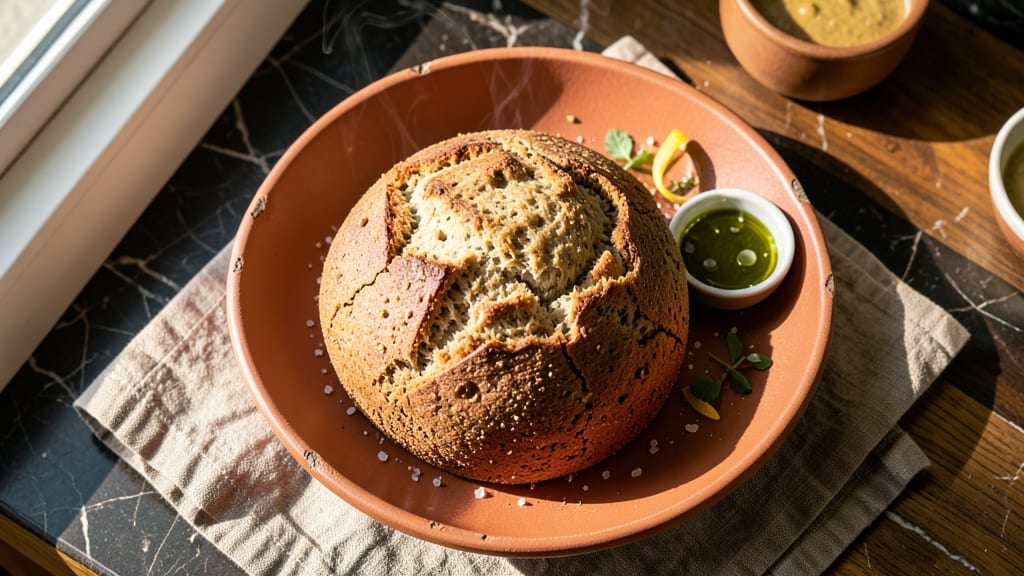
This brown rice flour yeast bread delivers a surprisingly light interior with a nutty, crisp crust—perfect for sandwiches or toast. The key lies in balancing rice flour’s low gluten with proper hydration and yeast activation, creating a loaf that’s both wholesome and satisfying.
Unlike traditional bread, this recipe relies on precise technique to compensate for rice flour’s unique properties, ensuring a tender crumb and golden exterior.
With just five core ingredients—brown rice flour, yeast, water, salt, and a touch of oil—you’ll craft a vegan-friendly loaf that’s rich in nutrients without sacrificing texture. The process includes a slow fermentation to develop flavor and a gentle shaping method to avoid tearing.
Whether you’re baking for dietary needs or simply curious about alternative flours, this recipe transforms humble ingredients into a standout loaf with restaurant-quality results.
Ingredients for brown rice flour bread recipe with yeast
Five ingredients transform into a nutty-crusted loaf with restaurant-quality texture—vegan and gluten-free friendly.
| Ingredient | Amount | Notes |
|---|---|---|
| Brown Rice Flour 🌾 | 3 ½ cups | Finely milled, unbleached preferred |
| Active Dry Yeast 🍞 | 1 ½ tsp | Freshly measured from packet |
| Warm Water 💧 | 1 ¼ cups | 110°F (43°C) for yeast activation |
| Extra-Virgin Olive Oil 🫒 | 2 tbsp | Lightly infused for flavor |
| Fine Sea Salt 🧂 | 1 tsp | Diamond Crystal preferred |
| White Vinegar 🍶 | 1 tsp | For gluten development |
| Ground Flaxseed 🌰 | 1 tbsp | Mixed with 3 tbsp water for egg wash |
| Sesame Seeds 🌻 | 1 tbsp | For decorative topping |
The brown rice flour is the foundation—Bob's Red Mill or Anthony's Goods brands yield the best texture. Look for finely milled flour to avoid gritty results; coarser grinds can disrupt the delicate crumb structure. Yeast activation is critical: always use warm water (110°F) to ensure proper fermentation without killing the yeast. The vinegar acts as a natural gluten developer, compensating for rice flour's low protein content. For optimal results, measure your flour by weight—1 cup brown rice flour weighs about 4 oz—to maintain consistency across batches.
No vinegar? Lemon juice at the same amount works equally well. Substituting olive oil? Avocado oil or melted coconut oil maintains moisture, though flavor will differ slightly. For a richer crust, add 1 tsp nutritional yeast to the flour mix. Sesame seeds can be swapped for poppy seeds or everything bagel seasoning if preferred. The flaxseed egg wash is non-negotiable—it mimics egg's binding properties perfectly while keeping the bread vegan. If your kitchen is cold, warm the mixing bowl slightly to help the yeast activate more efficiently.
Freshly mixed dough keeps 24 hours in the fridge, covered tightly. For longer storage, portion into loaf pans or wrap tightly in plastic and freeze for up to 3 months. Thaw overnight in the fridge before baking. The bread's nutty flavor intensifies as it sits—best enjoyed within 2 days of baking. Slice with a serrated knife for clean cuts through the dense crumb. Leftovers? Toast them for a crispy, flavorful treat that reheats beautifully.
Why You'll Love This Recipe
- No Fuss, No Stress: I mix it all in a bowl—flour, yeast, water, a splash of olive oil—and let it rise while I make dinner. That’s it. No kneading, no waiting hours, just a dough that’s ready in 30 minutes.
- Nutty, Earthy Richness: Brown rice flour gives it a deep, toasty flavor that’s not too heavy, and the olive oil keeps it moist without being greasy. Honestly, it’s the kind of bread that makes plain toast feel like a treat.
- Meal Prep Hero: I bake a batch on Sunday, slice it, and store it in the freezer—perfect for quick sandwiches or toast all week. It reheats in seconds, and the crust stays crisp even after freezing.
- Budget-Friendly Staple: A single bag of brown rice flour lasts forever, and yeast is dirt cheap. I make this instead of store-bought bread, and it’s way better—no preservatives, just real ingredients that actually taste good.
Step-by-step instructions for brown rice flour yeast bread
This method delivers a nutty-crusted loaf with a light interior—perfect for gluten-free baking.
Activate the Yeast for Maximum Rise
In a medium bowl, combine the 1.25 cups warm water (tested at 110°F—too hot kills yeast) with the 1.5 tsp active dry yeast. Let sit for 5-10 minutes until frothy. This confirms yeast viability—if no bubbles form, start fresh with new yeast.
Next, whisk in the 2 tbsp extra-virgin olive oil and 1 tsp white vinegar. The vinegar enhances gluten development, a critical step for structure in gluten-free bread. Stir in 1 tsp fine sea salt and 3.5 cups brown rice flour, mixing until a shaggy dough forms. Avoid overmixing, which can develop gluten and make the bread dense.
Develop the Dough with Flaxseed Egg Wash
In a separate small bowl, mix the 1 tbsp ground flaxseed with 3 tbsp water. Let sit for 5 minutes until it thickens into a gel-like consistency—this replaces eggs for binding. Add this flaxseed mixture to the dough and knead by hand for 3-4 minutes until smooth and elastic.
For gluten-free dough, elasticity is key. Press the dough against the bowl’s sides to check for stretch—it should spring back slightly. If too sticky, add 1 tablespoon brown rice flour at a time until workable. Cover with a damp towel and let rest for 30 minutes at room temperature. This relaxation period improves texture.
Shape and Proof for Optimal Rise
Lightly flour a clean surface and shape the dough into a 10-inch log, tapering the ends slightly. Place it seam-side down in a greased 9x5-inch loaf pan. Spritz the dough with water and sprinkle 1 tbsp sesame seeds evenly over the top for crunch and flavor.
Cover the pan with a damp towel and let proof in a warm place (78-80°F) for 1-1.5 hours, or until the dough rises 1-2 inches above the pan. Overproofing leads to a dense crumb, so press gently to test readiness—the dough should spring back slowly. Preheat the oven to 375°F while proofing.
Bake for a Nutty Crust and Light Crumb
Bake the loaf for 45-50 minutes until the internal temperature reaches 205°F and the crust turns a deep golden brown. Tap the bottom—it should sound hollow. If the top browns too quickly, tent with foil after 30 minutes to prevent overbrowning.
For extra crispiness, brush the crust with a mix of 1 tbsp melted butter and 1 tsp honey after 20 minutes in the oven. Let the bread cool in the pan for 10 minutes, then transfer to a wire rack. The interior should be light and airy, with a subtle nutty flavor from the brown rice flour.
Slice and Serve for Maximum Freshness
Slice the loaf with a serrated knife while still warm for cleaner cuts. Serve within 2 days for best texture, or freeze slices wrapped in plastic for up to 3 months. Store at room temperature in a bread bag to maintain freshness.
This bread pairs beautifully with soups, spreads well on toast, and holds up well in sandwiches. The sesame seed crust adds a delightful crunch, while the light interior ensures every bite is tender. Enjoy immediately for the best experience!
Pro Tips For Making Brown Rice Flour Bread Recipe With Yeast
- Bloom the Yeast First: Skip mixing yeast directly into the flour—it’ll wake up faster in warm water with a pinch of sugar (½ tsp) for 5-10 minutes until frothy. I learned this the hard way after kneading dough that smelled like nothing but flour, and it actually makes the rise more consistent.
- Sift the Rice Flour: Brown rice flour is dense—sift it twice through a fine-mesh sieve before mixing to avoid a brick-like texture. Sounds tedious, but it cuts down on lumps and makes the dough lighter. (Yes, even if you’re impatient like me.)
- Don’t Overmix the Dough: Stir just until combined—overworking brown rice flour dough makes it tough and gummy. The flour’s natural starches activate quickly, so stop when it’s shaggy, not smooth. I used to knead like wheat dough, and the results were chewy and sad.
- Oil the Pan Twice: Brush the baking pan with olive oil before shaping the loaf, then again right before baking. The first coat prevents sticking; the second helps the crust crisp without burning. (Your future self will thank you for this one.)
Perfect pairings for this dish
Buttery Spreads
This nutty-crusted loaf soaks up rich spreads beautifully. I love pairing it with almond butter for a protein-packed sandwich or vegan cream cheese mixed with honey and cinnamon for sweet toast.
For a savory twist, try whipped avocado with everything bagel seasoning—the sesame seeds on the crust add a perfect crunch contrast. 🥜
Soup Companions
Warm up a pot of miso soup or lentil stew and serve with slices of this bread. The nutty flavor of the rice flour complements the umami depth of miso, while the sturdy texture holds up to hearty soups.
For a lighter option, pair with tomato basil soup and a drizzle of balsamic glaze—the acidity brightens the bread’s richness. 🍜
Vegan Cheese Plates
Create a showstopping vegan cheese board featuring this bread alongside cashew-based cheeses, marinated olives, and dried figs. The sesame seeds on top add a toasty note that pairs wonderfully with sharp vegan cheddar. Add pickled vegetables and nuts for texture variety—every bite feels balanced and satisfying. 🧀
Breakfast Toast
Toast thick slices and top with mashed avocado, chili flakes, and everything bagel seasoning for a hearty breakfast. For something sweet, spread with peanut butter and sliced banana, then drizzle with maple syrup.
The bread’s light interior keeps it from getting soggy, making it perfect for morning meals. ☕
Sandwich Game-Changer
This bread transforms simple sandwiches into gourmet bites. Try a hummus and roasted veggie wrap or a vegan BLT with tempeh bacon. The nutty flavor stands up to bold fillings, while the crust adds texture.
For a no-cook option, layer with pesto, sliced tomatoes, and mozzarella-style vegan cheese—it’s a crowd-pleaser at picnics. 🥪
Dessert Twist
Dip warm slices into dark chocolate melted with sea salt for a decadent treat. Or spread with nutella and sliced strawberries for a dessert toast that feels indulgent but stays vegan. The bread’s sturdy texture holds up to sweet toppings without falling apart. 🍫
Nutrition facts
Frequently asked questions
Why does brown rice flour bread need extra hydration?
Brown rice flour absorbs moisture differently than wheat flour because it has less gluten and more starch. The recipe calls for 1.25 cups water to create a light crumb—too little water makes the bread dense, while proper hydration keeps it tender. Think of it like adjusting the ratio for a cake batter rather than traditional bread dough.
Can I substitute white rice flour for brown?
Yes, but expect a milder flavor and slightly different texture. White rice flour lacks the nutty depth of brown, and the bread may be less sturdy. For a 1:1 swap, add 1 extra tbsp water since white rice flour absorbs moisture more aggressively. The sesame seed crust will still work, but the interior will be less hearty.
What if my yeast doesn't activate?
Check your water temperature—it should be 110°F (43°C), like warm bathwater. If no bubbles form after 10 minutes, your yeast may be old. Replace it with fresh yeast and try again. Cold water slows activation, while hot water kills it. Always test yeast viability before mixing with flour.
How do I fix a dense brown rice flour bread?
Dense bread usually means overmixing or underproofing. For next time, knead gently (3-4 minutes max) and let the dough proof until it rises 1-2 inches above the pan. If your oven runs hot, reduce temperature to 350°F and bake longer. The flaxseed egg wash is crucial—skip it, and the structure suffers.
Can I make this bread without a loaf pan?
Shape the dough into a round boule or oval and bake on a parchment-lined tray. Brush with water before baking for a crispier crust. Proof time stays the same, but baking may take 5-10 minutes longer due to heat distribution. The sesame seeds will stick better if sprinkled after shaping.