
Main Courses
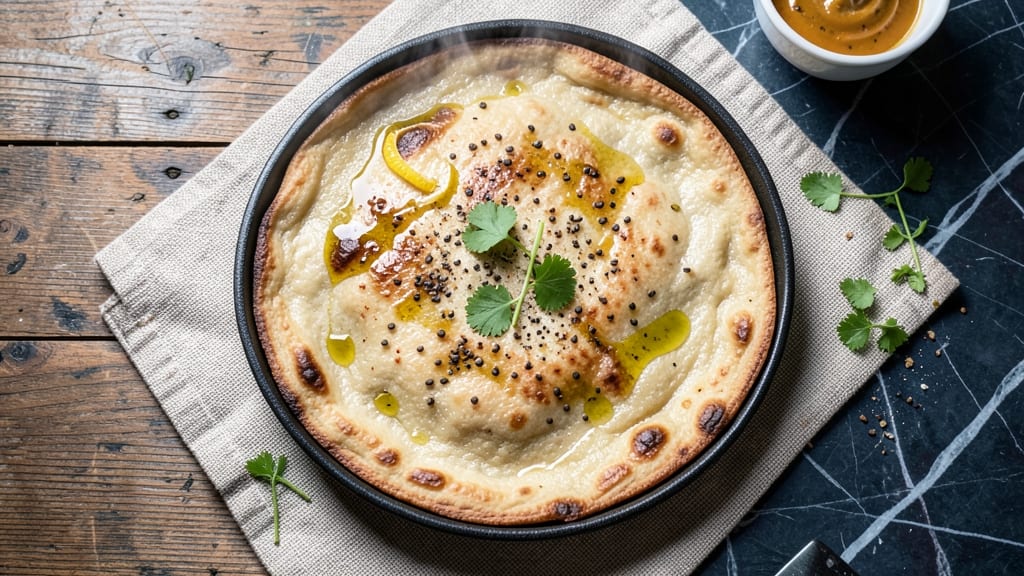
This brown rice flour flatbread recipe delivers the perfect balance of crispy edges and tender centers while staying naturally gluten-free and vegan. The secret lies in the simple dough—just brown rice flour, water, and oil—combined with a few key techniques to achieve that restaurant-quality texture without any special ingredients.
What makes this recipe truly flexible is its adaptability to any cooking method—pan-fry for a quick weeknight dinner, grill for smoky depth, or bake for a crispier finish. The result is a versatile flatbread that pairs beautifully with curries, soups, or fresh dips, making it a staple for any meal.
Whether you're gluten-free, vegan, or simply looking for a lighter alternative, this flatbread won’t disappoint.
Ingredients for brown rice flour flatbread
Fourteen simple ingredients transform into four crispy, gluten-free flatbreads perfect for any meal.
| Ingredient | Amount | Notes |
|---|---|---|
| Brown Rice Flour 🌾 | 2 cups | Finely milled, gluten-free |
| Extra-Virgin Olive Oil 🫒 | ¼ cup | Cold-pressed, fruity variety |
| Warm Water 💧 | ¾ cup | Room temperature preferred |
| Salt 🧂 | ½ tsp | Fine sea salt preferred |
| Garlic Powder 🧄 | ½ tsp | Freshly ground preferred |
| Cumin Seeds 🌿 | ½ tsp | Toasted for enhanced aroma |
| Sesame Seeds 🌱 | 1 tbsp | For garnish and texture |
| Fresh Cilantro Leaves 🌿 | ¼ cup | Chopped, for garnish |
| Avocado Oil 🫒 | 1 tbsp | High smoke point for cooking |
| Lemon Juice 🍋 | 1 tsp | Freshly squeezed |
The brown rice flour is the foundation here—opt for finely milled varieties like Bob’s Red Mill or Anthony’s Goods for the best texture. Whole Foods or Trader Joe’s carry excellent options, but check the label for 100% brown rice flour without additives. Extra-virgin olive oil should be cold-pressed and fruity; avoid heavily processed brands. The cumin seeds deserve a quick toast in a dry pan before grinding to amplify their aroma—this small step makes a noticeable difference in flavor depth. For the water, room temperature ensures smoother dough handling, though cold water in a pinch works fine.
No garlic powder? Fresh garlic infused in olive oil (minced and steeped for 10 minutes) works beautifully—just strain before using. Sesame seeds can be swapped for poppy seeds or nigella seeds for variety, though sesame adds that classic nutty crunch. Running short on cilantro? Fresh parsley or basil at the same quantity keeps the fresh herb note without altering the dish’s character. The avocado oil is critical for high-heat cooking—Mazola or Primal Kitchen brands are excellent choices, and their high smoke points prevent burning. For extra crispiness, brush the cooked flatbreads with a thin layer of melted vegan butter post-cooking.
Store the dry flour mix in an airtight container for up to 3 months in a cool, dark place. Prepared dough can be refrigerated for 24 hours or frozen for 1 month—wrap tightly in plastic wrap and parchment paper to prevent drying. Cooked flatbreads reheat beautifully in a 350°F oven for 5-7 minutes or on a dry skillet over medium heat for 1-2 minutes per side. For meal prep, portion the dough into 1-ounce balls before cooking; they’ll keep in the fridge for 2 days or frozen for 1 month, ready to cook as needed.
Why You'll Love This Recipe
- These keep like a dream: wrapped in a towel, they stay soft for days, and they’re the ultimate wrap for sandwiches, hummus, or even a quick charcuterie. I make a batch on Sundays, and by Wednesday, I’m still reaching for them over store-bought bread. My kids don’t even notice they’re “healthy.”
- No-Measurement Guessing: I swear by this recipe because it’s the only flatbread I’ve found that doesn’t demand perfect precision. Toss in the flour, water, and oil by eye—no scale, no stress—and you’ll still end up with something golden and sturdy. Honestly, my first batch turned out lopsided, but it was still the best flatbread I’d had in months.
- Garlic Oil Magic: That splash of extra-virgin olive oil infused with garlic powder? It’s the secret weapon. The flatbread soaks up just enough to stay tender but gets this irresistible crispness at the edges—like a cross between a warm tortilla and a lightly toasted cracker. (Yes, even on a Tuesday night.)
- Pack-Lunch Hero: These keep like a dream: wrapped in a towel, they stay soft for days, and they’re the ultimate wrap for sandwiches, hummus, or even a quick charcuterie. I make a batch on Sundays, and by Wednesday, I’m still reaching for them over store-bought bread. My kids don’t even notice they’re “healthy.”
Step-by-step instructions for brown rice flour flatbread
Here's how to craft crispy, gluten-free flatbreads with perfect texture and aromatic depth.
Combine Dry Ingredients and Create the Dough
In a large mixing bowl, whisk together the 2 cups brown rice flour, 0.5 teaspoon salt, 0.5 teaspoon garlic powder, and 0.5 teaspoon cumin seeds. The cumin seeds should be lightly toasted first for about 30 seconds in a dry skillet over medium heat—this enhances their aroma and prevents bitterness. Let them cool completely before adding to the flour.
Create a well in the center of the dry mixture and pour in the 0.25 cup extra-virgin olive oil and 0.75 cup warm water. Using a fork, gradually incorporate the wet ingredients into the dry, mixing until a shaggy dough forms. The dough will be quite sticky, which is normal with brown rice flour. Add the 1 teaspoon lemon juice and mix again until just combined.
Transfer the dough to a clean work surface lightly dusted with brown rice flour (not all-purpose) to prevent sticking. Knead gently for about 2 minutes, just until the ingredients come together. Avoid overworking the dough, as brown rice flour develops gluten differently than wheat flour. The dough should be pliable but still slightly tacky.
Divide and Rest the Dough
Divide the dough into 4 equal portions, each roughly the size of a golf ball. Gently flatten each portion into a ¼-inch thick disc using your palms. Place the discs on a plate covered with a clean kitchen towel. Cover the plate with another towel and let the dough rest for 15 minutes at room temperature.
This resting period allows the gluten to relax slightly, making the flatbreads easier to handle and preventing them from shrinking excessively during cooking. The dough should feel slightly more pliable after resting. If your kitchen is very humid, you may need to dust the dough lightly with a tiny bit of brown rice flour to prevent sticking.
While the dough rests, preheat your oven to 375°F for baking, or heat a skillet over medium-high heat for stovetop cooking. The choice of method affects texture—oven yields crispier edges, while stovetop gives a more rustic, slightly softer finish.
Cook the Flatbreads to Crispy Perfection
Working with one disc at a time, roll it out on a floured surface to about ⅛-inch thickness. For best results, use a rolling pin with gentle pressure—brown rice flour dough is delicate. If the dough resists rolling, let it rest an additional 5 minutes to soften.
For oven-baked flatbreads: Transfer the rolled-out disc to a parchment-lined baking sheet. Brush lightly with avocado oil and sprinkle with a pinch of sesame seeds. Bake for 8-10 minutes until the edges are golden brown and the center feels firm to the touch. The flatbread should puff slightly in the center.
For stovetop flatbreads: Heat 1 tablespoon avocado oil in a clean skillet over medium-high heat until shimmering. Place the rolled-out flatbread in the skillet and cook for 2-3 minutes per side, until golden brown spots appear and the flatbread puffs slightly. Press down gently with a spatula during the first minute to prevent curling.
Finish and Serve Immediately
Remove the cooked flatbreads from the oven or skillet and transfer them to a wire rack. Immediately sprinkle with the remaining 1 tablespoon sesame seeds and 0.25 cup chopped fresh cilantro leaves. The seeds add a delightful crunch, while the cilantro brightens the earthy flavors of the brown rice flour.
Serve the flatbreads warm, ideally within 5-10 minutes of cooking. They're perfect for scooping up curries, stuffing with falafel, or pairing with hummus and grilled vegetables. The crispy edges contrast beautifully with the slightly chewy center—a hallmark of well-made gluten-free flatbread.
Real talk: If the flatbreads seem too dense, next time try adding 1 tablespoon of tapioca starch to the dough for improved texture. And don't skip the resting period—it makes all the difference in achieving that professional-quality crisp.
Pro Tips For Making Brown Rice Flour Flatbread
- Sift the Flour First: Brown rice flour clumps like it’s holding a grudge. Give it a quick sift into your bowl before adding water—this guarantees a smoother dough and fewer lumps hiding in your flatbread. I learned this the hard way when my first batch turned out chewy instead of tender.
- Use Warm Water, Not Hot: Cold water makes the dough tough; boiling water kills the garlic powder’s flavor. Warm water (just off the heat, around 100°F) activates the flour gently while keeping the garlic’s punch intact. Trust me, your flatbread will taste like it actually has seasoning.
- Press Thin, Cook Fast: Roll the dough to ⅛-inch thickness—any thicker, and the center stays doughy while the edges burn. Hit medium-high heat on your skillet, then cook for 2-3 minutes per side until golden brown spots appear. Rushing the heat? You’ll end up with a sad, gummy pancake.
- Oil the Skillet After Rolling: Brush the skillet with olive oil right before adding the flatbread, not before rolling. This prevents the dough from sticking to the pan and ensures a crispier crust. I used to oil early, and my flatbreads always stuck—now they release like a dream.
Creative variations of this recipe
Global Fusion Twists
Transform this flatbread into a Mexican-style tortilla by adding 1 tsp chili powder and ½ tsp smoked paprika to the dough. Roll out thinner and cook on a hot griddle for 30 seconds per side—perfect for tacos or quesadillas. The smoky spices complement the nutty brown rice beautifully. 🌶️
Indian-Inspired Naan
For a Naan-style flatbread, replace half the water with ½ cup plain yogurt (or coconut yogurt for vegan) and add ½ tsp ground cardamom. Cook in a hot cast-iron skillet with 1 tbsp ghee or vegan butter until puffed and charred in spots.
Finish with a sprinkle of chaat masala for a restaurant-worthy touch.
Herb-Infused Mediterranean
Brighten the flavor profile with 1 tbsp dried oregano and 1 tsp dried thyme in the dough. After cooking, drizzle with 1 tbsp lemon-infused olive oil and sprinkle with crumbled feta (or vegan feta) and kalamata olives. This version pairs perfectly with Greek salads or grilled halloumi.
Spicy Thai-Inspired
Add a Thai-inspired kick by mixing 1 tbsp red curry paste into the dough and topping with sliced green onions and crushed peanuts after cooking. Serve with a side of peanut sauce or satay for an authentic Southeast Asian meal.
The curry paste adds depth without overpowering the brown rice flavor.
Sweet Breakfast Option
Skip the salt and add 1 tbsp cinnamon and 1 tbsp maple syrup to the dough. Roll out thin and brush with melted coconut oil before baking.
Top with sliced bananas and a drizzle of honey (or agave) for a gluten-free pancake alternative. Warm maple syrup makes an excellent topping too! 🍯
Smoky Grilled Version
For a campfire-friendly twist, shape the flatbreads into thick patties and grill over medium-high heat for 3-4 minutes per side until charred. Brush with garlic-infused olive oil and sprinkle with flaky sea salt after cooking.
These hold up well to outdoor cooking and add a rustic, smoky flavor perfect for summer meals.
Nutrition facts
Frequently asked questions
Can I substitute brown rice flour with another gluten-free flour?
Yes, but texture may vary. For a 1:1 swap, try white rice flour or sorghum flour—both yield similar results. However, almond flour (use 1.5 cups per 2 cups brown rice flour) adds richness but requires extra moisture. Avoid buckwheat flour, as it has a stronger flavor and denser texture.
Why did my flatbread turn out dense instead of crispy?
Overworking the dough or skipping the 15-minute rest are common culprits. Brown rice flour lacks gluten, so handle it gently. For extra crispiness, add 1 tablespoon tapioca starch to the dough or brush cooked flatbreads with melted vegan butter. Preheating your pan or oven to medium-high heat also helps achieve that perfect crunch.
How do I store leftover flatbreads?
Cool completely, then stack with parchment paper between layers. Store in an airtight container at room temperature for 2 days or freeze for up to 1 month. Reheat in a 350°F oven for 5-7 minutes or dry skillet over medium heat for 1-2 minutes per side. The texture stays crispy when reheated properly!
Can I make these flatbreads without a rolling pin?
Use a wine bottle, heavy mug, or even your palms to flatten the dough to ⅛-inch thickness. For extra crispiness, press the edges slightly thinner than the center. If the dough sticks, wet your hands lightly with water—this prevents sticking without adding extra moisture.
What’s the best way to serve these flatbreads?
These versatile flatbreads shine as wraps for falafel or grilled veggies, scooping bowls of curry or lentil soup, or paired with hummus and roasted vegetables. For a restaurant-style touch, drizzle with garlic yogurt sauce or sprinkle with za’atar. The nutty flavor also complements spicy dishes beautifully!