
Sauces & Condiments
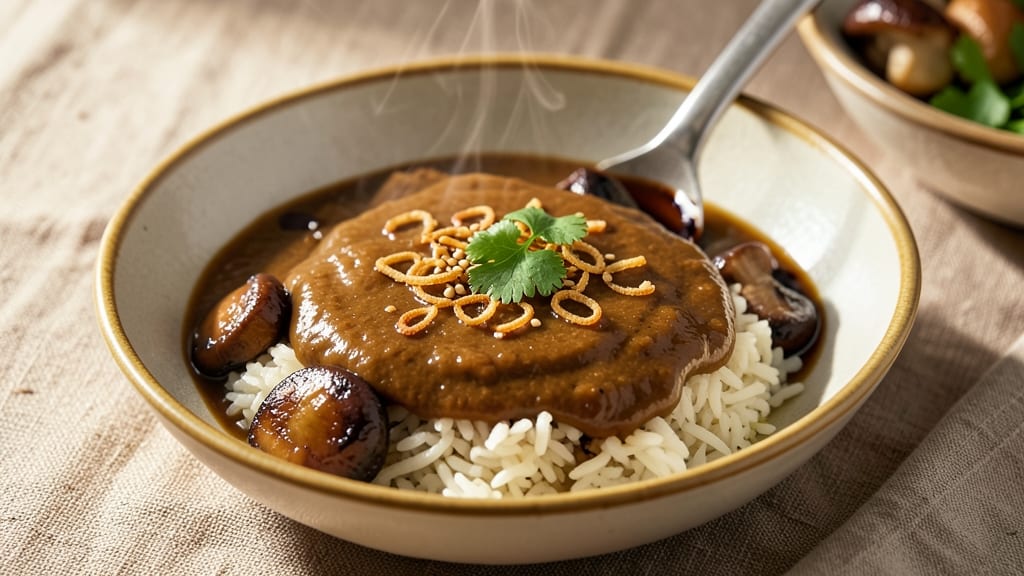
This brown rice flour gravy recipe transforms simple broth into a velvety, nutty-thickened sauce that elevates every dish. Perfect for vegan diets, it delivers restaurant-quality depth with just a few pantry staples and a foolproof technique to avoid lumps.
The key lies in whisking the flour into hot liquid gradually—no clumps, no stress, just rich, comforting flavor that clings beautifully to roasted vegetables, mashed potatoes, or grilled meats.
What sets this gravy apart is its nutty undertones from the brown rice flour, which adds natural thickness without overpowering the broth's base. A splash of soy sauce or miso paste deepens the umami, while fresh herbs or garlic powder brighten the finish.
Best of all, it reheats smoothly, making it ideal for meal prep or leftovers—just stir in a splash of water if it thickens too much. Ready in under 10 minutes, this gravy proves comfort food doesn’t require dairy or complicated methods.
Ingredients for brown rice flour gravy
Pantry staples and a few specialty touches create this velvety vegan gravy.
| Ingredient | Amount | Notes |
|---|---|---|
| Brown Rice Flour 🌾 | ½ cup | Unbleached for neutral flavor |
| Vegetable Broth 💧 | 4 cups | Low-sodium preferred |
| Extra-Virgin Olive Oil 🫒 | 2 tbsp | Light flavor for balance |
| Soy Sauce 🍜 | 1 tbsp | For umami depth |
| White Miso Paste 🍶 | 1 tbsp | Optional for extra richness |
| Garlic Powder 🧄 | 1 tsp | Freshly ground preferred |
| Onion Powder 🧅 | 1 tsp | For aromatic base |
| Dried Thyme 🌿 | ½ tsp | Or 1 tsp fresh thyme |
| Salt 🧂 | ½ tsp | Adjust to taste |
| Black Pepper 🌶️ | ¼ tsp | Freshly cracked |
The brown rice flour is the secret weapon—look for unbleached varieties at Whole Foods or bulk bins for the most neutral flavor. Bob's Red Mill is my go-to brand for consistent quality. If you can't find it, white rice flour works in a pinch, though the nutty undertones will be milder. The vegetable broth should be rich but not overly salty—Imagine or Pacific Foods brands are excellent choices. For the umami boost, Red Boat fish sauce (vegan-friendly) can replace soy sauce if you prefer a more complex profile, though soy sauce is more accessible.
No soy sauce? A dash of miso paste or a splash of coconut aminos works beautifully. Fresh thyme is ideal, but dried thyme at one-third the amount gets you close. If you're using fresh herbs, chop them finely so they distribute evenly. The garlic and onion powders can be swapped for 1/4 teaspoon each of garlic and onion granules if you prefer a finer texture. For extra richness, a teaspoon of nutritional yeast adds a cheesy note without dairy. Always taste as you go—this gravy is forgiving but benefits from adjustments.
Store leftovers in an airtight container for up to 5 days in the fridge. For longer storage, freeze in ice cube trays—thaw and reheat with a splash of water or broth. This gravy reheats beautifully, making it perfect for meal prep. If it thickens too much upon reheating, stir in 1-2 teaspoons of water or broth to restore its silky consistency. The flavor actually improves overnight as the nutty notes deepen.
Why You'll Love This Recipe
- No-Fuss Stovetop Magic: I swear by this one—just whisk, simmer, and stir. Brown rice flour thickens like a dream without lumps, and the miso paste does all the flavor work while I’m still chopping veggies. Honestly, the hardest part is waiting for it to cool enough to taste.
- Umami Bomb in Minutes: That white miso paste? It’s the MVP here—deep, savory, and just salty enough to make your taste buds sit up. Pair it with soy sauce and olive oil, and you’ve got a gravy that clings to everything like it’s been best friends with your food forever.
- Dinner Party or Lazy Night: Serve it over roasted veggies for a fancy-ish vibe, or dump it on noodles when you’re too tired to care. Between us, I’ve used it as a dipping sauce for dumplings and a glaze for tofu—it’s the kind of recipe that makes you feel like a chef without trying.
- Budget-Friendly Leftovers: A big batch costs next to nothing—brown rice flour is cheap, broth lasts forever, and miso keeps for months. Plus, it reheats like a champ, so I make double and save half for when I’m too wiped to cook. (Yes, even on a Tuesday night.)
Step-by-step instructions for brown rice flour gravy
This method delivers a velvety, nutty gravy that clings beautifully to any dish.
Bloom the Brown Rice Flour
In a medium saucepan, heat the 2 tablespoons extra-virgin olive oil over medium-low heat until shimmering but not smoking. This gentle heat prevents burning the flour. Whisk in the 0.5 cup brown rice flour immediately and cook for 1-2 minutes, stirring constantly. You're looking for a paste-like consistency with no raw flour taste remaining.
The flour will absorb the oil and develop a toasty aroma. This step is crucial—it removes the raw flour taste and creates the thickening base. If the mixture darkens too quickly, reduce the heat slightly. Keep whisking to prevent lumps from forming.
Add Aromatics and Broth
Whisk in the 1 teaspoon garlic powder, 1 teaspoon onion powder, 0.5 teaspoon dried thyme, 0.5 teaspoon salt, and 0.25 teaspoon black pepper until fully combined. Gradually pour in the 4 cups vegetable broth while whisking vigorously to prevent clumping. The mixture should bubble gently but not boil over.
Bring to a simmer over medium heat, then reduce to low heat. Let it cook for 5-7 minutes, stirring occasionally, until it thickens noticeably. You'll see the gravy coat the back of a spoon and hold its shape. This indicates the starch has fully activated.
Build Depth with Umami
In a small bowl, whisk together the 1 tablespoon soy sauce and 1 tablespoon white miso paste until smooth. Slowly pour this mixture into the simmering gravy while whisking constantly. The gravy will temporarily thin out, but it will thicken again as the miso and soy sauce meld with the broth.
Continue simmering for an additional 3-4 minutes until the gravy reaches your desired consistency—thick enough to coat the back of a spoon but still smooth. Taste and adjust seasoning if needed, adding a pinch more salt or pepper as necessary. The miso adds a subtle richness that elevates the gravy from simple to extraordinary.
Finish and Serve
Remove the gravy from heat and let it rest for 2-3 minutes. This resting period allows the flavors to fully integrate and the gravy to reach its optimal texture. If it thickens too much while resting, whisk in 1-2 tablespoons of hot broth to loosen it.
Serve immediately over your choice of protein or vegetables, or drizzle generously over roasted dishes. The nutty flavor of the brown rice flour pairs beautifully with savory ingredients, creating a comforting, cohesive finish. For best results, use within 2 hours or store in an airtight container in the refrigerator for up to 3 days. Reheat gently on the stovetop, stirring frequently to prevent clumping.
Pro Tips For Making Brown Rice Flour Gravy
- Whisk in Stages: Brown rice flour clumps like a dramatic soap opera character—don’t let it ruin your gravy. Add the flour to the broth gradually, whisking like you’re mixing concrete, and keep the heat at a simmer. If you dump it all in at once, you’ll end up with a lumpy mess that’ll make you question your life choices.
- Toast the Flour First: Sounds weird, but it works: dry-toast the brown rice flour in the olive oil for 30 seconds before adding broth. This removes the raw flour taste and gives the gravy a deeper, nuttier backbone—like the difference between a good coffee and instant. Just don’t let it burn, or you’ll regret it.
- Simmer, Don’t Boil: After combining everything, keep the heat low and let it bubble gently. Boiling will turn your gravy into glue, and you’ll be left scraping the bottom of the pot like it’s a crime scene. A steady simmer for 5-7 minutes thickens it properly without sacrificing flavor.
- Miso Last, Heat Low: Stir in the white miso paste after the gravy has thickened, and reduce the heat to the lowest setting. Miso burns faster than a gossip session at a family reunion, and once it’s scorched, there’s no fixing it. Let it melt in quietly for 30 seconds, then taste—adjust soy sauce if needed.
Common mistakes when making this recipe
Skipping the Bloom
One of the biggest mistakes is skipping the 1-2 minute bloom where you cook the brown rice flour in oil before adding liquid. This step removes the raw flour taste and creates a proper thickening base.
If you whisk the flour directly into cold broth, you'll end up with a gluey, clumpy mess that never reaches a smooth consistency. I've made this error—trust me, it's a game-changer to take that extra minute. 🌡️
Adding Flour Too Fast
Pouring all the flour into the broth at once creates lumps that won't dissolve, no matter how much you whisk. Instead, gradually whisk in the flour while simultaneously adding the broth.
For best results, I use a whisk with thin wires to break up any potential clumps before they form. If lumps do appear, strain the gravy through a fine-mesh sieve for a silky finish.
Boiling the Gravy
Bringing the mixture to a full boil causes the starch to break down too quickly, resulting in a thin, watery gravy. Maintain a gentle simmer at all times—this allows the starch to activate properly without overcooking.
If you see bubbles vigorously rising, reduce the heat immediately. The ideal temperature is just below a rolling boil, where the gravy bubbles softly but steadily. 🔥
Ignoring Rest Time
Removing the gravy from heat too soon means the flavors won't meld properly, and the texture will be uneven. Let it rest for 2-3 minutes after cooking—this allows the starch to fully set and the flavors to integrate.
I've rushed this step before and ended up with a gravy that separated or tasted disjointed. Patience here makes all the difference.
Overthickening Early
If you simmer the gravy too long, it will become too thick and gluey, making it difficult to adjust later. The goal is a smooth, spoon-coating consistency—not a paste.
If it thickens too much while cooking, whisk in 1 tablespoon of hot broth to loosen it. For reheating, add broth gradually to avoid over-thickening again.
Using Cold Broth
Adding cold broth to hot flour creates instant clumping because the starch doesn't activate properly. Always use hot or warm broth when combining with the flour mixture.
If your broth isn't hot enough, warm it separately before adding. This small detail prevents the most common thickening disaster in homemade gravies. ✨
Nutrition facts
Frequently asked questions
Can I substitute brown rice flour for white rice flour in this gravy?
You can use white rice flour, but you’ll lose the nutty depth that makes brown rice flour special. If you’re short on brown rice flour, mix half brown and half white for a balance of flavor and texture. The white version will be milder but still work well for a neutral base.
How do I adjust the consistency if my gravy turns out too thick?
Whisk in 1-2 tablespoons of hot broth at a time until you reach a smooth, spoon-coating texture. For reheating, add broth gradually—over-thickening is the most common issue. If it’s still too thick, a splash of water works in a pinch, though broth is better for flavor.
What are the best dishes to serve this gravy with?
This gravy shines over roasted vegetables, mashed potatoes, or grilled meats like tofu or chicken. It’s also perfect for drizzling over stir-fries or as a dip for crusty bread. The nutty flavor pairs especially well with earthy ingredients like mushrooms or sweet potatoes.
Can I make this gravy ahead of time?
Yes! Store leftovers in an airtight container for up to 5 days in the fridge. For longer storage, freeze in ice cube trays—thaw and reheat with a splash of broth. The flavor actually improves overnight as the nutty notes deepen.
What if I don’t have miso paste or soy sauce?
No problem! Swap the 1 tablespoon miso for 1 teaspoon nutritional yeast (for a cheesy note) or 1/2 teaspoon smoked paprika for depth. For soy sauce, use coconut aminos or even a pinch of kelp powder if you’re avoiding soy. The gravy will still be flavorful—just slightly different!