
Main Courses
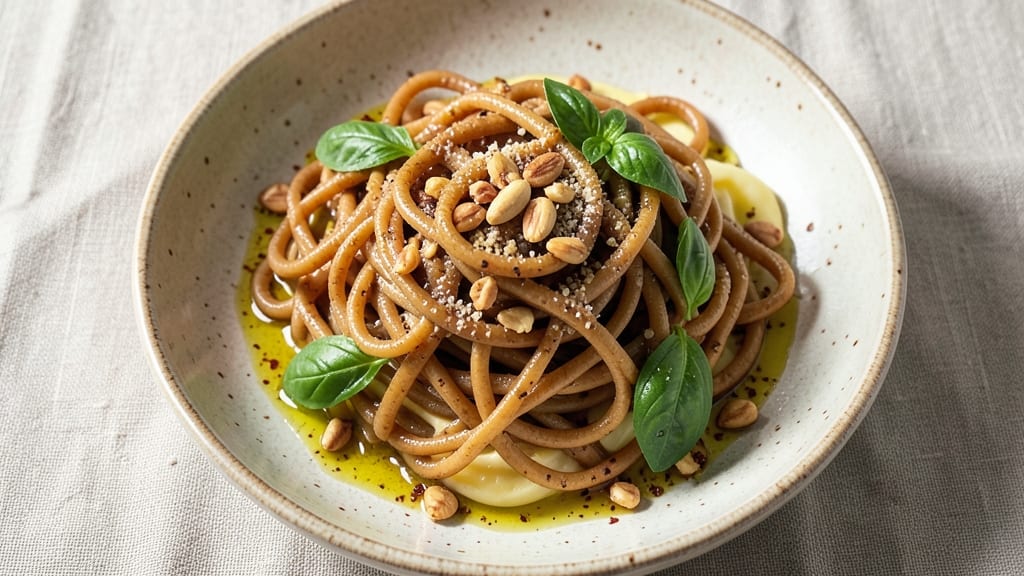
This brown rice flour pasta recipe delivers restaurant-quality al dente texture without gluten or refined flour—perfect for anyone seeking nutty, hearty noodles that pair beautifully with rich sauces.
The secret lies in a simple dough of brown rice flour, water, and olive oil, which develops a satisfying chew while maintaining a delicate, slightly sweet flavor profile. Unlike traditional wheat pasta, this version absorbs sauces differently, making it ideal for creamy or tomato-based dishes where its earthy notes shine.
The process mimics classic Italian pasta-making but with modern adaptability: mix the dough, rest it briefly, then roll or sheet-cut it for that signature texture.
Cooking takes just 15 minutes—no long soaking or complicated techniques—yet the result is a gluten-free pasta that holds its shape and delivers that coveted al dente bite.
The nutty undertones from the brown rice flour complement everything from garlic butter to pesto, making it a versatile star for any meal.
What sets this recipe apart is its gluten-free foundation without sacrificing flavor or texture, proving plant-based pasta can be just as satisfying as traditional wheat varieties. The pasta’s natural graininess adds a pleasant contrast to smooth sauces, while its neutral base absorbs flavors beautifully.
Whether you’re avoiding gluten or simply exploring new textures, this recipe transforms simple ingredients into a dish that feels both rustic and refined.
Serve with your favorite marinara, a vibrant pesto, or a creamy mushroom sauce for a meal that’s both nutritious and indulgent. The key to success lies in proper hydration and rolling—don’t skip the resting time, as it ensures the pasta holds together during cooking.
With this recipe, you’ll master gluten-free pasta that tastes as good as it looks, every time.
Ingredients for brown rice flour pasta
Gluten-free perfection starts with these 11 essential ingredients for nutty, restaurant-quality brown rice flour pasta.
| Ingredient | Amount | Notes |
|---|---|---|
| Brown Rice Flour 🌾 | 2 cups | Finely milled for smooth texture |
| Extra-Virgin Olive Oil 🫒 | ½ cup | High-quality, fruity variety |
| Water 💧 | ¾ cup | Room temperature preferred |
| Salt 🧂 | ½ tsp | Fine sea salt preferred |
| Ground Flaxseed 🌿 | 1 tbsp | For dough elasticity |
| Garlic Powder 🧄 | ½ tsp | For subtle flavor depth |
| Nutritional Yeast 🍄 | 1 tbsp | For umami richness |
| Semolina Flour 🌾 | ¼ cup | For rolling surface |
| Lemon Juice 🍋 | 1 tsp | Freshly squeezed |
| Vegan Butter 🧈 | 1 tbsp | For finishing touch |
| Fresh Basil Leaves 🌿 | ⅛ cup | Chopped for garnish |
The brown rice flour is the foundation here—opt for finely milled varieties like Bob's Red Mill or Anthony's for the smoothest texture. Trader Joe's often carries excellent options at a reasonable price, and the darker the flour, the more pronounced the nutty flavor. For those seeking organic certification, check the bulk bins at Whole Foods or Sprouts—just ensure it's labeled gluten-free. The extra-virgin olive oil should be cold-pressed with a fruity aroma—avoid refined oils that lack depth. Store both flours in airtight containers away from light to preserve freshness for up to 6 months after opening.
No flaxseed? Chia seeds ground to a powder work at the same ratio, though texture may vary slightly. Substituting tapioca starch for 25% of the brown rice flour can improve elasticity, but the nutty flavor will be less pronounced. The semolina flour is optional but recommended for rolling—its coarse texture prevents sticking. For a nut-free version, omit the nutritional yeast and increase the garlic powder to 1 tsp. Lemon juice can be swapped for apple cider vinegar at the same amount, though fresh lemon adds brightness. The vegan butter should be unsalted to control seasoning—brands like Miyoko's or Earth Balance deliver the best results without compromising texture.
This dough requires 30 minutes of resting at room temperature—don't skip it, as this ensures proper hydration and prevents cracking during rolling. Store uncooked dough wrapped in plastic for up to 2 days in the fridge or 3 months frozen. Cooked pasta reheats beautifully with a splash of water or olive oil—simmer for 1-2 minutes to restore texture. For batch prep, roll and cut all portions before cooking, then freeze on a parchment-lined tray before transferring to bags. Thaw frozen pasta in cold water for 5 minutes before cooking to prevent sticking.
Why You'll Love This Recipe
- No-Fuss Dough: I swear by this recipe because it’s actually foolproof—just mix the brown rice flour, flaxseed, olive oil, and water, then let it rest. No kneading, no fuss, and no waiting for dough to rise. Honestly, it’s the kind of pasta I can make while scrolling through my phone.
- Nutty Earthy Richness: The brown rice flour gives it a subtle, toasty depth that regular pasta can’t match, and the flaxseed adds a little nutty crunch. Toss it with a simple olive oil and garlic sauce, and suddenly, your meal feels gourmet without trying.
- Meal Prep MVP: This pasta holds up perfectly for lunch the next day—just reheat with a splash of water to keep it tender. Between us, I make a big batch on Sundays and use it for everything from stir-fries to cold salads all week.
- Budget-Friendly Staple: Brown rice flour is cheaper than specialty pasta, and this recipe stretches further than you’d think. Plus, the flaxseed adds fiber and omega-3s, so you’re basically eating a little health boost with every bite. (Yes, even on a Tuesday night.)
Step-by-step instructions for brown rice flour pasta
This gluten-free pasta achieves perfect al dente texture with nutty depth—here's the precise method.
Create the Dough with Proper Hydration
In a large mixing bowl, combine the 2 cups brown rice flour, 1 tbsp ground flaxseed, 0.5 tsp garlic powder, 1 tbsp nutritional yeast, and 0.5 tsp salt. Mix these dry ingredients thoroughly to distribute the flavor enhancers evenly. The flaxseed will contribute to elasticity while the nutritional yeast adds that essential umami character.
In a separate small bowl, whisk together the 0.5 cup extra-virgin olive oil and 0.75 cup water. Add this liquid mixture to the dry ingredients while stirring with a wooden spoon. The dough should form a shaggy mass that clumps together—this indicates proper hydration. If it appears too dry, add 1 teaspoon water at a time until it just comes together.
Knead and Rest for Optimal Texture
Transfer the dough to a lightly floured surface and knead gently for 5-7 minutes using the heel of your hand. You're not looking for smooth elasticity like wheat dough—brown rice flour creates a firmer, slightly grainy texture. The goal is to develop just enough gluten-free structure to hold shape during cooking.
Shape the dough into a disc, wrap tightly in plastic wrap, and let it rest at room temperature for 30 minutes. This resting period allows the flaxseed to hydrate fully and prevents cracking during rolling. I find this step particularly important with brown rice flour—it makes the difference between crumbly pasta and properly cohesive strands.
Roll and Cut for Perfect Strand Shape
After resting, divide the dough into 4 equal portions (about ½ cup each). On a clean surface dusted with 0.25 cup semolina flour, take one portion and roll it through a pasta machine set to the widest setting. Fold the sheet in half and roll again to develop even thickness. Gradually decrease the machine settings by one notch each time until you reach the thinnest setting that still allows the dough to pass through without tearing.
Cut the sheet into ¼-inch wide strips using a sharp knife or pasta cutter. The semolina flour prevents sticking and gives the pasta a professional finish. Transfer the cut pasta to a floured baking sheet and repeat with remaining dough portions. This method ensures consistent thickness and prevents the strands from sticking together during cooking.
Cook to Al Dente Perfection
Bring a large pot of water to a rolling boil and add 1 tsp salt. Add the pasta and cook for 3-4 minutes, stirring occasionally. Brown rice flour pasta cooks faster than wheat-based pasta, so watch closely—it's ready when it floats to the surface and has a slight resistance when bitten (this is the al dente test). Drain immediately and toss with 1 tbsp vegan butter and 1 tsp lemon juice to prevent sticking and enhance flavor.
For serving, divide the pasta among plates and garnish with 0.125 cup chopped fresh basil leaves. The lemon juice brightens the nutty flavor while the basil adds freshness. This pasta holds its shape beautifully when tossed with simple sauces or used in salads—proof that gluten-free can deliver restaurant-quality texture.
Pro Tips For Making Brown Rice Flour Pasta
- Mix Like a Dough: Brown rice flour is stubborn—it loves to clump like a toddler with glue. Whisk it dry in the bowl first, then slowly pour in water while stirring vigorously. I used to fight it, and the dough always ended up lumpy. Now I just accept the flour’s drama and win.
- Toast the Flaxseed: Ground flaxseed goes rancid fast, but toasting it first adds depth. Heat a dry pan over medium-low, add the flaxseed, and stir for 2 minutes until it smells nutty. Skip this, and your pasta might taste like wet cardboard instead of toasty, earthy goodness.
- Rest the Dough Twice: Let it sit 30 minutes after mixing, then another 30 after kneading. This isn’t optional—it’s how you avoid gummy, gluey pasta. I learned this the hard way when my first batch stuck together like a sad, overworked glue stick.
- Roll Thin, Cut Fast: Brown rice flour pasta needs to be rolled thin—about 1/16-inch—or it’ll stay doughy no matter how long you cook it. Use a pasta machine, but resist the urge to go slow. Speed through the thinnest setting, then cut before the dough dries out.
Best sauces and condiments for this dish
Creamy Garlic Sauce
This sauce transforms your brown rice pasta into a luxurious dish. Sauté 3 minced garlic cloves in 2 tbsp vegan butter until fragrant, then add 1 cup unsweetened almond milk and ¼ cup nutritional yeast.
Simmer for 3 minutes until thickened, then stir in 2 tbsp lemon juice and ½ tsp salt. The nutty pasta absorbs the sauce beautifully, creating a rich, velvety texture. 🌟
Spicy Tomato Marinara
For a vibrant contrast, blend 1 can (14 oz) crushed tomatoes, 2 tbsp tomato paste, 1 tsp red pepper flakes, 3 minced garlic cloves, and ½ tsp dried oregano. Simmer for 15 minutes until thickened, then toss with cooked pasta.
The brown rice flour’s earthiness complements the acidity perfectly, while the heat adds a satisfying kick. Add fresh basil at the end for brightness.
Lemon-Herb Olive Oil
Whisk together ½ cup extra-virgin olive oil, 2 tbsp lemon juice, 1 tbsp capers, 1 tsp Dijon mustard, and ¼ cup chopped parsley. Drizzle generously over pasta and finish with ¼ cup toasted pine nuts.
The pasta’s nutty flavor pairs exceptionally well with the bright, citrusy sauce, creating a refreshing yet hearty dish. Perfect for warm weather meals!
Mushroom-Wine Reduction
Sauté 1 cup sliced mushrooms in 2 tbsp olive oil until golden, then deglaze with ½ cup dry white wine. Reduce by half, then stir in 2 tbsp vegan cream cheese and 1 tsp thyme.
The umami depth of the sauce enhances the pasta’s natural nuttiness, while the wine adds complexity. This sauce works beautifully with roasted vegetables on the side.
Pesto Variations
Blend 2 cups fresh basil, ¼ cup walnuts, 2 tbsp nutritional yeast, 2 tbsp olive oil, and 1 clove garlic until smooth. For a twist, add 1 tbsp lemon zest or ½ tsp chili flakes.
The pasta’s neutral base lets the pesto flavors shine while its texture provides a satisfying bite. Toss immediately after cooking to prevent the sauce from turning slimy.
Nutty Tahini Dressing
Whisk ½ cup tahini, 3 tbsp lemon juice, 2 tbsp maple syrup, and ¼ cup water until smooth. Drizzle over pasta and top with ¼ cup toasted sesame seeds and 2 tbsp chopped scallions.
The tahini’s richness complements the brown rice flour’s earthy notes, creating a Middle Eastern-inspired dish that’s both bold and balanced. 💫
Nutrition facts
Frequently asked questions
Can I substitute white rice flour for brown rice flour?
While you can use white rice flour, the texture and flavor will differ significantly. Brown rice flour adds a nutty depth and slightly chewier bite that white rice flour lacks. For a closer match, blend half brown and half white rice flour, but expect a lighter color and milder taste. The dough will also be less elastic without the brown rice flour's natural binding properties.
Why does my brown rice flour pasta turn crumbly?
Crumbly pasta usually means the dough wasn't rested long enough or lacked proper hydration. Always rest the dough for 30 minutes after kneading, and ensure you're using 0.75 cup water for the full 2 cups flour. If the dough still feels dry, add 1 teaspoon water at a time until it just holds together. Semolina flour on your rolling surface also prevents sticking during cutting.
What's the best way to store uncooked brown rice flour pasta?
Store uncooked pasta in an airtight container at room temperature for up to 3 days, or freeze for 3 months. For freezing, lay cut strands on a parchment-lined tray first to prevent clumping. Once frozen solid, transfer to a sealed bag. Thaw in cold water for 5 minutes before cooking to maintain texture.
Can I make this pasta without a pasta machine?
Roll the dough with a rolling pin on a floured surface, starting with gentle pressure. Fold the dough in half after each roll to maintain even thickness. For cutting, use a sharp knife or a pasta cutter. The dough may require slightly more flour to prevent sticking, but you'll still achieve great results with this method.
How does this pasta compare to wheat pasta in texture?
Brown rice flour pasta has a firmer, slightly grainy texture with a nutty undertone that wheat pasta lacks. It holds its shape better when cooked al dente but cooks about 1-2 minutes faster. The strands are more resistant to overcooking, making them ideal for hearty sauces or cold salads where wheat pasta might become mushy.