
Main Courses
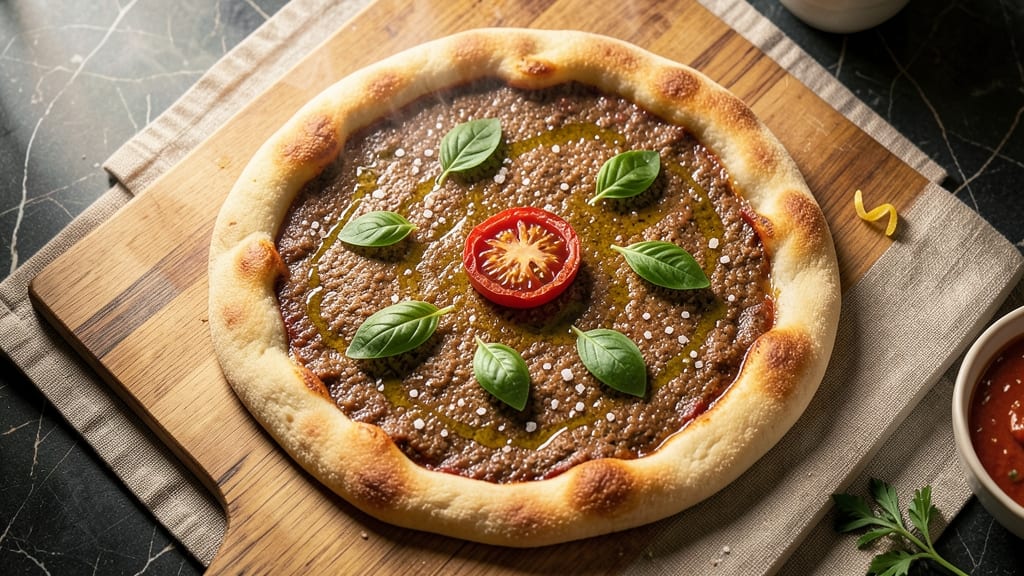
This gluten-free brown rice flour pizza dough delivers the perfect balance of crispy edges and chewy centers without sacrificing flavor or texture. The secret lies in proper hydration and a blend of xanthan gum for structure, creating a dough that behaves like traditional wheat-based dough but caters to dietary needs.
With just 5 simple ingredients and 15 minutes of prep, you'll achieve a pizza base that's sturdy enough to hold your favorite toppings while maintaining that satisfying bite. The dough's nutty undertones from brown rice flour add depth, making it a versatile option for both sweet and savory pizzas.
Ingredients for brown rice flour pizza dough
Five simple ingredients transform into a gluten-free pizza dough with restaurant-quality texture.
| Ingredient | Amount | Notes |
|---|---|---|
| Brown Rice Flour 🌾 | 2 cups | Finely milled for best texture |
| Xanthan Gum 🧪 | ¼ tsp | For gluten-free elasticity |
| Active Dry Yeast 🍞 | 1 tsp | Ensure freshness for rise |
| Granulated Sugar 🍚 | 1 tbsp | Feeds yeast for fermentation |
| Warm Water 💧 | 1 ¼ cups | 110°F for optimal yeast activation |
| Extra-Virgin Olive Oil 🫒 | 2 tbsp | High-quality for flavor |
| Fine Sea Salt 🧂 | ½ tsp | Enhances flavor balance |
| Apple Cider Vinegar 🍎 | 1 tsp | Improves dough structure |
Brown rice flour is the star here—Bob's Red Mill or Anthony's Goods brands deliver the finest grind for that perfect balance of crispy edges and chewy centers. The xanthan gum is non-negotiable; it mimics gluten's structure. Grab a small jar from Whole Foods or the baking aisle at Target. Fresh yeast is key—test it in warm water with a pinch of sugar; it should foam within 5 minutes. If it doesn't, toss it and start over. The apple cider vinegar adds a subtle tang that elevates the dough's flavor profile, making it perfect for both savory and sweet toppings.
No xanthan gum? Psyllium husk powder at half the amount works in a pinch, though the texture won't be identical. Swap the apple cider vinegar for white vinegar or lemon juice if needed. Olive oil matters—California Extra Virgin brands like Corto or Lucini have that fruity punch that translates beautifully. The sugar can be swapped for maple syrup if you prefer a less refined sweetener. For a quicker rise, use instant yeast at the same amount, but don't skip the warm water—it's essential for activating the yeast properly.
This dough keeps beautifully—wrap tightly in plastic and store in the fridge for 4-5 days. For longer storage, freeze portions on a floured tray before bagging for up to 3 months. Let it thaw in the fridge overnight before using. The dough doubles in size during proofing, so don't overfill your pizza pan. A light dusting of cornmeal or semolina prevents sticking when rolling. Trust me, the first bite of crispy yet chewy pizza crust will make it worth every minute.
Why You'll Love This Recipe
- Here’s what sold me: I can make two dough balls in 15 minutes, store them in the fridge for days, then bake whenever. Weeknight dinner? Brunch for friends? Done.
- No Yeast Nightmares: I swear by this dough—just mix, rest, and roll. No kneading, no waiting hours, no yeast math. That xanthan gum does all the heavy lifting while I sip my coffee.
- Nutty Crunch Edge: Brown rice flour isn’t just healthy—it’s flavorful. That toasty, slightly sweet bite when it browns? It’s the perfect contrast to creamy mozzarella or spicy marinara.
- Meal Prep Magic: Here’s what sold me: I can make two dough balls in 15 minutes, store them in the fridge for days, then bake whenever. Weeknight dinner? Brunch for friends? Done.
Step-by-step instructions for brown rice flour pizza dough
Here's how to create a gluten-free pizza crust with perfect chewy bite and crispy edges.
Activate the Yeast for Maximum Rise
In a small bowl, combine the 1.25 cups warm water (test by dipping your finger in—it should feel like bathwater, around 110°F), 1 tbsp granulated sugar, and 1 tsp apple cider vinegar. Whisk until the sugar dissolves completely. This acidic environment helps the yeast activate more efficiently than in plain water.
Sprinkle the 1 tsp active dry yeast over the liquid and let it sit for 5-10 minutes until it becomes frothy and bubbly. You'll see small bubbles forming on the surface and a foamy texture developing. If it doesn't activate within 10 minutes, your yeast may be dead—start over with fresh yeast. This step is crucial for developing the dough's structure and flavor.
Mix the Dough with Precision
In a large mixing bowl, whisk together the 2 cups brown rice flour and 0.25 tsp xanthan gum. The xanthan gum acts as a gluten substitute, providing the elasticity and chewiness that gluten-free doughs typically lack. Add the 0.5 tsp fine sea salt and mix well to distribute evenly.
Make a well in the center and pour in the yeast mixture along with the 2 tbsp extra-virgin olive oil. Using a wooden spoon or dough whisk, gradually incorporate the liquids into the dry ingredients, mixing from the bottom up. The dough will be sticky—this is normal—but it should come together into a shaggy mass. Avoid using your hands at this stage to prevent overworking the delicate gluten-free structure.
Knead and Rest for Optimal Texture
Transfer the dough to a lightly oiled surface and knead gently for 2-3 minutes using your hands. The goal is to develop just enough structure without overworking the flour. The dough should be smooth but still slightly tacky. If it feels too dry, add 1 tsp warm water at a time until it reaches the right consistency.
Place the dough in a lightly oiled bowl, cover it tightly with plastic wrap or a damp kitchen towel, and let it rest at room temperature for 1 hour. This initial rest allows the xanthan gum to fully hydrate and the flour to absorb the liquid, resulting in a more cohesive dough. You'll notice the dough may not double in size like wheat-based doughs, but it should feel slightly puffier and more pliable.
Shape and Proof for Perfect Crust
After resting, turn the dough onto a lightly floured surface and gently shape it into a ball. Since brown rice flour dough is more delicate, handle it with care to avoid tearing. Press the dough into a 12-inch round (about ½-inch thick) on a parchment-lined baking sheet. Use your fingers to create a slight border around the edges—this helps prevent the crust from puffing up too much during baking.
Cover the shaped dough loosely with plastic wrap and let it proof for another 30-45 minutes at room temperature. You'll know it's ready when the dough has expanded slightly and feels firm to the touch. The edges should still hold their shape when gently pressed. This second proofing ensures a light, airy texture rather than a dense, flat crust.
Pre-Bake for Crispy Edges and Chewy Center
Preheat your oven to 425°F with a pizza stone or baking sheet inside for at least 20 minutes. This ensures even heat distribution and a crispy crust. Once preheated, carefully transfer the dough to the hot stone or sheet. Use a pizza peel or spatula to avoid tearing the delicate dough.
Bake the crust for 12-15 minutes until the edges are golden brown and the center feels firm to the touch. It should be crispy around the edges but still slightly soft in the middle—this is where the chewy texture comes from. If the edges brown too quickly, tent the crust with aluminum foil to prevent over-browning while the center finishes cooking. The crust is ready when it sounds hollow when tapped on the bottom.
Pro Tips For Making Brown Rice Flour Pizza Dough
- Mix the Xanthan Gum First: Brown rice flour lacks gluten, so the xanthan gum is your secret weapon—but don’t just toss it in dry. Whisk it into the warm water first until fully dissolved (no clumps), then add the yeast and sugar. I learned this the hard way when my dough turned gummy because the gum didn’t disperse evenly.
- Use a Scale for Yeast: Active dry yeast is finicky, and eyeballing it leads to underproofed or overproofed dough. Weigh it out—1 packet (2¼ tsp) is about 7 grams, but if you’re making a larger batch, measure precisely. Too little yeast means a sad, flat pizza; too much makes it taste bitter.
- Let the Dough Rest Longer: This isn’t your grandma’s pizza dough. Brown rice flour absorbs moisture differently, so skip the 30-minute rest and give it at least 1.5 hours (or overnight in the fridge). The longer it rests, the more flavor develops and the easier it is to roll out—no tearing, no stress.
- Add a Little Oil to the Water: Brown rice flour dough can dry out fast, especially if you’re short on time. Mix in 1 tablespoon of olive oil with the warm water before activating the yeast. It keeps the dough supple and prevents cracking when you stretch it. (Yes, even if you’re impatient like me.)
Regional styles of these flavors
Italian Rustic Style
Inspired by traditional Italian pizza bianca, this version swaps tomato sauce for a simple olive oil and garlic base. Use 3 minced garlic cloves mixed with 2 tbsp extra-virgin olive oil and spread it generously on the pre-baked crust.
Top with ½ cup ricotta cheese, ¼ cup grated Pecorino Romano, and a handful of fresh baby arugula after baking. The nutty brown rice flour pairs beautifully with the sharpness of Pecorino, creating a flavor profile that feels authentically Italian but gluten-free. 🍅
Japanese-Inspired Okonomiyaki
Transform your pizza into a crispy Japanese-style savory pancake by adding ½ cup shredded cabbage, 2 tbsp soy sauce, and 1 tbsp mirin to the dough before shaping.
After pre-baking, top with 2 tbsp okonomiyaki sauce (or sub with a mix of 1 tbsp ketchup + 1 tbsp Worcestershire sauce), 2 slices bacon, and 2 tbsp shredded mozzarella. The brown rice flour’s mild sweetness balances the umami-rich toppings perfectly. 🌶️
Mexican Street Corn Fusion
Give your pizza a fiesta twist by mixing 1 tbsp chili powder, ½ tsp smoked paprika, and ¼ tsp cayenne pepper into the dough before shaping.
After pre-baking, spread a layer of ½ cup refried black beans and top with ½ cup corn kernels, ¼ cup cotija cheese, and a drizzle of salsa verde. The earthy brown rice flour complements the smoky, spicy flavors of Mexican street corn.
Finish with fresh cilantro and a squeeze of lime for brightness. 🌽
Sweet Dessert Pizza
Skip the savory toppings and go sweet by spreading ½ cup Nutella or peanut butter on the pre-baked crust. Top with ½ cup sliced strawberries, ¼ cup chopped pecans, and a sprinkle of flaky sea salt.
The brown rice flour’s subtle nuttiness enhances the sweetness, making it a perfect dessert option. For extra indulgence, drizzle with honey or caramel sauce after baking. 🍓
Sicilian-Style Stuffed Crust
Create a Sicilian-inspired stuffed crust by rolling the dough into a 10-inch round instead of 12 inches. Press your fingers into the edges to create a slightly thicker border, then fill the center with ½ cup ricotta mixed with 1 egg.
After pre-baking, top with ½ cup cherry tomatoes, ¼ cup fresh basil, and a sprinkle of grated Parmesan. The brown rice flour’s chewy texture holds up beautifully to the rich, creamy filling. 🍅
Nutrition facts
Frequently asked questions
Why does my brown rice flour pizza dough stick together so much?
Brown rice flour dough is naturally stickier than wheat-based dough because it lacks gluten's natural elasticity. The solution is simple: use a light dusting of cornmeal or semolina on your surface instead of flour when shaping, and keep your hands slightly oiled. The xanthan gum in the recipe helps bind the dough, but it still needs proper handling. If it's too sticky during mixing, add 1 tsp warm water at a time until it reaches a workable consistency.
Can I make this dough without xanthan gum?
Yes, but the texture will be different. Replace the 0.25 tsp xanthan gum with 0.5 tsp psyllium husk powder for better structure. Without either, your dough will be more crumbly and less chewy. The xanthan gum mimics gluten's stretchiness, so if you skip it, expect a denser crust that's better suited for flatbreads than traditional pizza. For a crispier result, press the dough thinner than ½-inch before baking.
How do I prevent my gluten-free pizza crust from getting soggy?
Pre-baking the crust is key! Bake it for 12-15 minutes at 425°F before adding toppings to create a sturdy base. Use water-based toppings (like fresh tomatoes) sparingly—they release moisture that can soften the crust. For extra protection, brush the baked crust with 1 tsp olive oil before adding toppings to create a moisture barrier. Also, let your cheese sit at room temperature before adding to prevent excess steam.
Can I use this dough for deep-dish pizza?
This recipe is designed for thin-crust or traditional pizza styles, not deep-dish. Brown rice flour dough is delicate and won't hold up well to the weight of thick toppings in a deep pan. For deep-dish, try increasing the xanthan gum to 0.5 tsp and adding 1 tbsp vital wheat gluten (if not strictly gluten-free), but expect a denser texture. The crust will be more like a focaccia than classic deep-dish. For best results, stick to thin-crust or stuffed-crust variations.
What's the best way to store leftover dough?
Wrap the dough tightly in plastic wrap and store it in the fridge for 4-5 days or freeze it for up to 3 months. For freezing, shape the dough first, then wrap it in plastic and place it on a floured tray before bagging to prevent sticking. Thaw overnight in the fridge—never at room temperature—to maintain texture. The dough keeps best when stored in an airtight container with a damp towel to prevent drying. Reproof for 20-30 minutes after thawing before using.