
Sauces & Condiments
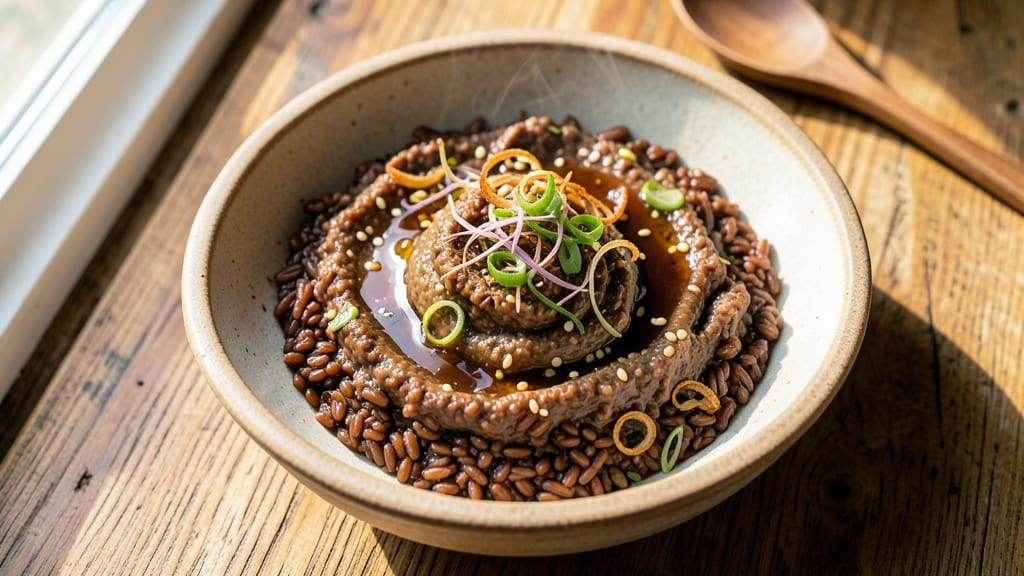
This brown rice miso paste recipe transforms simple ingredients into a deeply savory, umami-packed condiment that elevates every dish it touches. The fermentation process—whether you choose a quick 24-hour method or a traditional 7-day version—develops complex flavors that store-bought miso simply can't match.
What starts as a humble blend of rice, koji, and salt becomes a versatile glaze, marinade, or soup base with just a few hours of patience.
The result is a smooth, richly aromatic paste that adds depth to stir-fries, glazes for roasted vegetables, or even as a tangy dressing for salads. Unlike instant miso pastes, this version builds layers of flavor over time, making it perfect for both beginners and seasoned cooks.
With proper storage, it keeps for months, ready to transform your cooking whenever inspiration strikes.
Ingredients for brown rice miso paste
Nine simple ingredients unlocking layers of umami through fermentation's magic—no shortcuts, just pure flavor development.
| Ingredient | Amount | Notes |
|---|---|---|
| Short-Grain Brown Rice 🍚 | 1 cup | Uncooked, rinsed thoroughly |
| Koji (Aspergillus oryzae) Cultures 🍄 | ½ cup | High-quality koji powder or starter |
| Pure Water 💧 | 1 ½ cups | Filtered or distilled preferred |
| Sea Salt 🧂 | 1 ½ tbsp | Non-iodized, fine grain |
| White Miso Paste (optional) 🍶 | ¼ cup | For added depth (vegan-certified) |
| Sesame Oil 🥜 | 1 tbsp | Toasted, for aroma (optional) |
| Shiitake Mushrooms (dried) 🍄 | 1 whole | Crumbled for umami base |
| Non-Aluminum Fermentation Jar 🍶 | 1 whole | 2-quart capacity minimum |
| Cheesecloth or Breathable Lid 🧵 | 1 piece | For air circulation |
The koji is the heart of this recipe—high-quality koji from specialty stores like Miso Master or Amazon ensures proper fermentation. Short-grain brown rice provides the ideal starch structure for binding, but rinsing it thoroughly removes excess starch that could inhibit fermentation. For shiitake mushrooms, dried varieties from Asian markets offer the deepest umami, though rehydrated store-bought works in a pinch. Sea salt should be non-iodized to prevent flavor interference, and Diamond Crystal is the professional standard for consistent results.
No koji available? Substitute with 2 tbsp of white miso paste plus 1 tbsp koji starter, though results will be less authentic. Short on sesame oil? Toasted peanut oil at half the amount carries similar aroma. The optional white miso adds complexity, but homemade or high-quality store-bought (like Hodo) performs best. For fermentation jars, glass mason jars with airlock lids are ideal, but any non-reactive container with breathable covering works. Temperature control is critical—75-80°F is optimal, so adjust your fermentation space accordingly.
Fermented miso develops best at room temperature for 3-7 days, with flavor peaking at day 7. Once complete, transfer to sterilized glass jars and refrigerate—this paste keeps for up to 6 months, with flavor deepening over time. For quick use, the 24-hour version delivers immediate umami, though with less complexity. Always store with a thin layer of olive oil or water to preserve moisture and prevent mold. The paste thickens with age, so thin with water as needed for your application.
Why You'll Love This Recipe
- No-Fuss Fermentation: I swear by this—just soak the brown rice overnight, toss it with koji and salt, then let it sit. No fancy equipment, no constant stirring. The koji does all the work while I sip tea.
- Umami Magic: That deep, savory punch from the koji and white miso? It’s like a warm hug for your taste buds. The brown rice soaks it all up, turning every bite into a little flavor explosion.
- Meal Prep MVP: Make a big batch on Sunday, and you’ve got a month’s worth of quick lunches. Slap it on toast, stir it into soups, or eat it straight with veggies—it’s my go-to for lazy days.
- Budget Booster: Brown rice and salt are cheap, and koji lasts forever. This recipe stretches my grocery budget without sacrificing taste. Plus, the leftovers? Even better the next day.
Step-by-step instructions for brown rice miso paste
Mastering this umami-rich ferment delivers restaurant-quality depth to every dish.
Prepare the Base Fermentation Mixture
In a clean bowl, combine the 1 cup short-grain brown rice and 0.5 cup koji cultures. Mix thoroughly with your hands until the koji evenly coats every rice grain—this ensures proper fermentation. The mixture should look uniformly speckled with the koji's characteristic pale yellow color.
Transfer this mixture to the non-aluminum fermentation jar, then add 1.5 cups pure water and 1.5 tablespoons sea salt. Stir vigorously for 2 minutes until the salt fully dissolves and the rice is completely submerged. The liquid should be slightly salty to the taste, but not overwhelming. Cover loosely with the cheesecloth or breathable lid to allow airflow while preventing contaminants.
Incorporate Umami Boosters
Crumble the 1 whole dried shiitake mushroom into small pieces using your fingers or a mortar and pestle. Add these crumbles to the jar and mix gently to distribute throughout the rice mixture. The mushrooms will infuse deep umami flavor as they ferment.
If using, add the 0.25 cup white miso paste and swirl the jar to blend evenly. The miso introduces additional microbial activity and complexity, though it's optional for those new to fermentation. For extra aroma, drizzle in the 1 tablespoon sesame oil and stir lightly—this enhances the final product's nutty depth without interfering with fermentation.
Ferment at Room Temperature
Place the sealed jar in a dark, warm spot (ideally 75-80°F) for 48 hours. The ideal environment encourages beneficial microbial activity while preventing mold. After 24 hours, you'll notice slight effervescence and a mild sour aroma—this is normal and indicates active fermentation.
Stir the mixture gently once daily to distribute moisture and prevent surface mold. By 48 hours, the texture should soften noticeably, and the aroma will develop into a rich, funky umami profile. If the surface shows any white or green discoloration, discard it immediately—this indicates harmful mold growth.
Blend into Paste Consistency
After fermentation, transfer the mixture to a food processor or high-powered blender. Add 1-2 tablespoons additional water if needed to achieve a smooth, spreadable consistency. Pulse initially, then blend continuously for 3-5 minutes until completely smooth. The paste should coat the back of a spoon with a velvety texture.
Taste and adjust seasoning with more sea salt if needed—fermentation can concentrate flavors unpredictably. For immediate use, the paste is ready. For longer storage, transfer to airtight containers and refrigerate for up to 3 months, or freeze for 6 months to preserve freshness.
Pro Tips For Making Brown Rice Miso Paste
- Rinse Rice Twice: I learned this the hard way—skipping the second rinse leaves your rice gummy and pasty. Use a fine-mesh strainer and swirl the brown rice in cold water twice, shaking off excess starch each time. The first rinse removes surface dust, but the second cut through that stubborn starch clinging to the grains—it’s the thing that matters most for that perfect, slightly chewy texture later.
- Soak Koji Properly: Sounds weird, but it works: cover your koji with double the water it says on the package (yes, even if the instructions say 1:1). Let it soak for 30 minutes at room temp—this hydrates the cultures fully before mixing. I used to eyeball it and ended up with uneven fermentation. Trust the process, and your miso will develop flavor faster and more evenly.
- Salt After Fermentation: Add sea salt only after the koji and rice have fermented for at least 7 days. Salting too early throws off the microbial balance and can make your miso taste harsh or overly salty. I was skeptical until I tried it—now I wait patiently, and the final flavor is richer, with that deep umami you actually want.
- Cover Loosely: This isn’t the prettiest method, but it’s the tastiest: use a lid or damp cloth not sealed tight. Brown rice miso needs airflow to prevent mold but still needs moisture to ferment. I skip the tight seal, and my batches never go bad—just develop that perfect tangy, funky depth over 2-3 weeks. (Your future self will thank you.)
Common mistakes when making this dish
Skipping the Koji Step
One of the biggest mistakes is trying to make miso paste without proper koji cultures—this is the enzyme-rich starter that kickstarts fermentation. Without it, your mixture will just sit there, developing no flavor or texture.
If you're using a koji starter powder, make sure it's fresh (within 6 months) and store it in an airtight container in the fridge. I've seen people try to substitute with plain rice or even yeast, but those won't create the same complex fermentation profile. 🍄
Improper Salt Balance
Too little salt and your miso won't ferment properly—beneficial microbes need that 1.5 tbsp of sea salt to thrive. Too much, and you'll end up with an overly salty, unbalanced paste. Always taste the brine after mixing to ensure it's slightly salty but not harsh.
I recommend using Diamond Crystal sea salt for consistent results—it's less processed than table salt and won't interfere with fermentation. If you're unsure, err on the side of slightly less salt and adjust later.
Ignoring Temperature Control
Fermentation is temperature-sensitive, and most home kitchens aren't ideal. If your space is too cold (below 70°F), the process will stall, leaving you with bland rice. Too hot (above 85°F), and you risk mold or off-flavors.
I keep my jars on a countertop near the oven (with the oven off) to maintain a steady 75-80°F range. If you're in a cool climate, consider using a seedling heat mat set to low—it's perfect for fermentation and won't overheat your paste.
Not Stirring Daily
Many people assume miso paste can ferment hands-off, but that's a recipe for disaster. Without daily stirring, moisture evaporates unevenly, creating dry spots that can mold. Stir gently once a day to redistribute liquid and prevent surface buildup.
I use a clean wooden spoon because it's less likely to introduce bacteria than metal utensils. If you notice any white or green fuzz on the surface, discard it immediately—this is a sign of harmful mold, not the harmless yeast you want.
Rushing the Fermentation
While it's tempting to use your paste after just 24 hours, that's when the flavor is still developing. For the richest, most complex umami, ferment for the full 3-7 days. I've tasted pastes pulled early, and they lack the depth of a properly fermented batch.
If you're short on time, at least wait 48 hours—this gives the koji enough time to break down the rice and create that signature funky aroma. Patience here makes all the difference in flavor.
Using the Wrong Containers
Metal or aluminum containers can react with the acidic fermentation process, ruining your paste. Always use glass jars or food-grade plastic that's specifically labeled for fermentation. I swear by 2-quart mason jars with breathable lids—they allow airflow while keeping contaminants out.
If you're using a lid with an airlock, make sure it's not too tight; you need some airflow for the fermentation to work properly. A loose cheesecloth covering is a great alternative if you don't have a specialized lid.
Nutrition facts
Frequently asked questions
Can I use white rice instead of brown rice for this miso paste?
While white rice will work, brown rice is preferred for its higher fiber content and nuttier flavor profile. The bran layers in brown rice contribute to a richer umami development during fermentation. If you must use white rice, consider adding an extra 0.5 teaspoon of sesame oil to compensate for the lost depth. The texture will be slightly smoother, but the fermentation process will still yield delicious results.
How do I know when my brown rice miso paste is ready?
Your miso paste is ready when it develops a deep, funky aroma (similar to aged cheese) and the texture softens significantly after 3-7 days of fermentation. The surface should have a slight sheen, and the color will darken to a rich amber. For a quick check, press a spoon into the mixture—if it holds its shape but still blends easily, it's perfect. Over-fermented paste may become too tangy, so taste test at 48 hours if you're eager!
What are the best ways to use this miso paste beyond soups?
This versatile paste elevates dishes far beyond soups! Use it as a glaze for roasted vegetables (toss with 1 tbsp paste + 1 tsp maple syrup), a marinade for tofu or fish (mix with 1 tbsp soy sauce + 1 tsp grated ginger), or a dressing base (whisk with 2 tbsp tahini + lemon juice). For extra richness, stir 1 tsp into hummus or dollop it over grilled corn—the possibilities are endless!
Can I make this miso paste without koji? What's the best substitute?
Koji is essential for proper fermentation, but if unavailable, try a 2 tbsp white miso paste + 1 tbsp koji starter substitute. For a non-fermented version, blend 1 cup brown rice + 1.5 tbsp soy sauce + 1 tbsp rice vinegar + 1 tsp sesame oil—this mimics the flavor profile without the fermentation process. Just note that the texture and depth won't match traditional miso. Always prioritize koji for authentic results!
How long can I store homemade brown rice miso paste?
Properly stored, this paste keeps for 6 months in the refrigerator or 12 months in the freezer. For fridge storage, keep it submerged under olive oil or water in an airtight container to prevent mold. Freeze in 1-tbsp portions for easy use—thaw overnight in the fridge before incorporating into recipes. The flavor actually improves with age, developing deeper complexity over time!