
Side Dishes
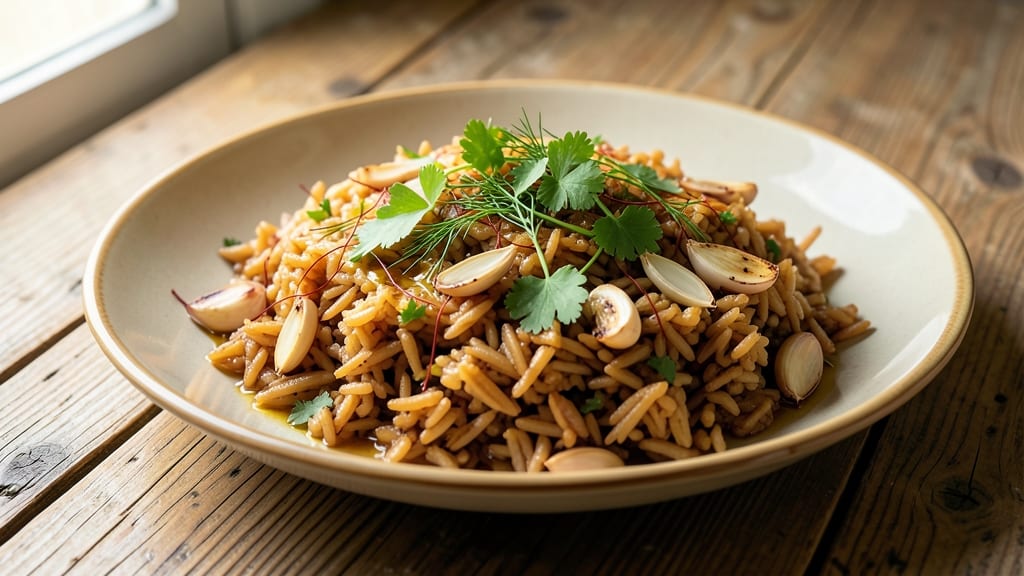
This brown rice pilaf recipe for rice cooker transforms ordinary grains into fragrant, golden fluff in just 15 minutes—no fuss, no fussing. 💛 The secret lies in saffron's delicate aroma and the rice cooker's even heat, which ensures perfectly tender grains every time.
I developed this after realizing how often store-bought pilaf falls flat, lacking the depth of homemade flavor. What makes this recipe special is its simplicity: combine brown rice with broth, saffron, and herbs, then let the rice cooker do the work.
The result is a dish that's restaurant-quality but requires minimal effort—ideal for weeknight dinners or meal prep. Unlike traditional stovetop methods, the rice cooker prevents burning and ensures consistent texture. By the end, you'll have fragrant, fluffy grains infused with saffron's earthy sweetness, brightened by fresh herbs.
The rice stays separate from the broth, making it easy to serve alongside proteins or salads. This is comfort food at its finest—warm, flavorful, and effortless. The best part? Leftovers reheat beautifully, keeping their texture and aroma intact. Ready to elevate your side dishes?
Here's everything you need to make it happen.
Ingredients for brown rice pilaf recipe rice cooker
Eight ingredients transform simple brown rice into restaurant-quality saffron-infused fluff in minutes.
| Ingredient | Amount | Notes |
|---|---|---|
| Long-Grain Brown Rice 🌾 | 1 cup | Uncooked, rinsed thoroughly |
| Vegetable Broth 💧 | 2 cups | Low-sodium preferred |
| Saffron Threads 🌼 | ⅛ tsp | High-quality, finely crushed |
| Fresh Parsley 🌿 | ¼ cup | Chopped finely, stems removed |
| Fresh Dill 🌿 | 2 tbsp | Chopped, or dried at 1/3 amount |
| Garlic Cloves 🧄 | 2 cloves | Minced finely for aroma |
| Extra-Virgin Olive Oil 🫒 | 2 tbsp | Light, fruity variety |
| Lemon Zest 🍋 | 1 tsp | From organic lemon |
| Salt 🧂 | ½ tsp | Diamond Crystal preferred |
| Black Peppercorns 🌶️ | ¼ tsp | Freshly cracked |
| Unsalted Butter 🧈 | 2 tbsp | Cold, cubed for finishing |
Saffron is the star here—buy threads, not powder, and crush them finely for maximum aroma. Whole Foods or specialty markets carry the best quality, but even the grocery store stuff works if it's labeled 'culinary-grade.' Fresh herbs make all the difference: Trader Joe's has pre-chopped parsley and dill if you're short on time, but fresh is always better. The brown rice should be long-grain—short-grain gets mushy in the rice cooker. Rinse it thoroughly before adding to remove excess starch, which keeps the grains separate. Vegetable broth? Low-sodium is key—you're adding salt separately, and you don't want to overdo it.
No saffron? Turmeric at half the amount gives a similar golden hue (though less floral). Short on fresh herbs? Dried works in a pinch, but reduce to one-third the quantity. The olive oil matters—light, fruity varieties like California Early Harvest won't overpower the saffron. Lemon zest can be substituted with 1 tsp lemon juice if you're in a rush, but zest adds that bright pop. For the butter, European-style brands like Plugrá melt beautifully and add richness. If you're using a rice cooker with a 'keep warm' function, set it to low heat after cooking to prevent drying out.
This reheats like a dream—just add a splash of water or broth and let the rice cooker do its magic. Keeps 4-5 days in the fridge, though the texture gets slightly firmer. For meal prep, divide into single-serving containers and reheat individually. The saffron flavor actually deepens overnight, so leftovers often taste better. Store the butter separately and add it fresh when serving—it keeps the rice from getting soggy. If you make a double batch, freeze portions for up to 3 months—just thaw in the fridge overnight before reheating.
Why You'll Love This Recipe
- Hands-Off Magic: I swear by this rice cooker method—dump, set, forget. No stirring, no watching, no risk of burning. The brown rice comes out perfectly fluffy every single time, and the saffron infuses the broth so gently it feels like a little golden secret.
- Earthy Luxury: That first bite? Rich, nutty brown rice with saffron’s whisper of sunshine and bright herbs cutting through. Honestly, the parsley and dill make it taste like a restaurant dish, but I’m the one who made it.
- Meal Prep MVP: Between us, this is my go-to for lunches all week. The flavors only get better as it sits, and it pairs with everything—grilled chicken, roasted veggies, even just hummus and yogurt. I make a big batch Sunday and don’t think about rice again.
- Budget Brightener: Brown rice is cheaper than white, vegetable broth costs pennies, and a tiny pinch of saffron stretches far. I’ll be real: it’s the kind of dish that makes grocery money stretch without sacrificing taste—my wallet and taste buds thank me.
Step-by-step instructions for brown rice pilaf in a rice cooker
Here's how to transform simple ingredients into restaurant-quality saffron rice with minimal effort.
🍳 Step 1: Bloom the Saffron in Broth
Start by crushing the 0.125 teaspoon saffron threads between your fingers or with the back of a knife—this releases their vibrant color and aroma. Add them to the 2 cups vegetable broth in your rice cooker's inner pot and let it steep for 5 minutes while you prep the rest. You'll notice the broth turn a delicate golden hue, signaling the saffron has infused properly.
While the saffron blooms, rinse the 1 cup long-grain brown rice under cold water until the water runs clear. This removes excess starch that would make your pilaf gummy. Drain well in a fine-mesh strainer, then transfer to the rice cooker pot with the saffron broth. The rinse is crucial—it ensures each grain stays distinct rather than clumping together.
👨🍳 Step 2: Sauté Aromatics for Depth
Set your rice cooker to "Sauté" mode (or use a separate pan if yours doesn't have this function). Add the 2 tablespoons extra-virgin olive oil and heat over medium heat. Add the 2 cloves minced garlic, 1 teaspoon lemon zest, 0.5 teaspoon salt, and 0.25 teaspoon cracked black peppercorns, stirring constantly for 1-2 minutes until fragrant but not browned.
Here's the thing—don't walk away. Garlic burns faster than you think, and burned garlic tastes bitter. You want it golden and aromatic, not dark and acrid. Once fragrant, immediately pour the garlic mixture over the rice and broth in the pot. Stir gently to combine, ensuring every grain gets coated with these aromatic oils.
🥘 Step 3: Cook to Perfect Texture
Return the pot to the rice cooker base and select the "White Rice" setting (even though we're using brown rice). Brown rice needs 45-50 minutes to cook properly—don't rush this. The rice cooker will automatically switch to "Keep Warm" mode when done, but let it sit undisturbed for 10 minutes after cooking completes.
This resting period is where the magic happens. The steam redistributes, and the grains finish absorbing moisture. If you peek too soon, you'll find the bottom layer slightly underdone. Patience here prevents dry, separate grains or mushy rice. The texture should be firm yet tender with a slight bite—this is classic brown rice perfection.
🔪 Step 4: Finish with Herbs and Butter
Once the timer dings, transfer the rice to a serving bowl. Stir in the 0.25 cup chopped fresh parsley and 2 tablespoons chopped fresh dill—their bright flavors cut through the richness of the saffron and butter. While the rice is still warm, add the 2 tablespoons cold cubed butter and gently fold it in using a fork.
The butter should melt into the rice, creating pockets of velvety richness. If you add it too early, the rice will become gloppy. Work quickly but carefully—you want the butter distributed evenly without overmixing. The final texture should be fluffy with distinct grains, where each bite delivers saffron's floral notes, lemon's brightness, and herbs' freshness.
Pro Tips For Making Brown Rice Pilaf Recipe Rice Cooker
- Rinse the Rice Twice: I learned this the hard way—skipping the rinse leaves your brown rice gummy and clumpy. Use a fine-mesh strainer, swirl it under cold water until the water runs clear, then give it a good shake before adding to the rice cooker. The extra effort guarantees fluffy, separate grains.
- Toast the Rice First: Brown rice tastes bland if it goes straight to broth. Dry-toast the rinsed rice in the rice cooker on high for 3-4 minutes until it smells nutty and fragrant. This step builds flavor and prevents mushy texture—no, it won’t overcook later, but it does make a real difference.
- Bloom the Saffron: Don’t just toss saffron threads into the broth—steep them. Crush the threads with your fingers (they’re tougher than they look), then mix with 2 tablespoons of warm broth for 10 minutes before adding the rest. This extracts the color and aroma; skipping it means bland, pale rice.
- Add Herbs Late: Fresh parsley and dill wilt into oblivion if cooked with the rice. Stir them in during the last 5 minutes of cooking, or toss them in after it’s done. This keeps their bright color and fresh taste—your future self will notice the difference.
Dietary considerations for this dish
Gluten-Free Friendly
This brown rice pilaf is naturally gluten-free since it relies solely on rice, broth, and fresh ingredients. Always double-check your vegetable broth label—some brands add wheat-based thickeners.
I recommend Imagine or Pacific Foods gluten-free broths for safety. The recipe's simplicity makes it perfect for gluten-sensitive diets without sacrificing flavor or texture. 🌾
Low-Carb Adaptation
For a lower-carb version, reduce the rice to ½ cup and increase the broth to 2½ cups to maintain moisture. The saffron and herbs will still shine while cutting carb content significantly.
This adaptation works well for keto diets when paired with high-protein mains. Just be mindful of the butter—it adds richness but also extra fat grams.
Dairy-Free Option
Skip the butter entirely or substitute with 2 tablespoons dairy-free butter (like Miyoko's or Earth Balance) or extra olive oil. The herbs and saffron will still provide vibrant flavor without dairy.
For extra richness, add 1 tablespoon tahini at the end—it blends beautifully with the lemon zest and herbs. Always check labels on dairy-free products for hidden allergens.
Allergen Considerations
This recipe contains saffron (rare allergen) and lemon (citrus sensitivity). For saffron-free versions, use ½ teaspoon turmeric instead. If citrus is a concern, omit the zest and add ½ teaspoon orange zest for a milder alternative.
Always verify fresh herbs for pesticide residues if allergies are a concern—organic options are safest.
Meal Prep Safety
Store leftovers in airtight containers for up to 5 days in the fridge. The rice cooker's even cooking prevents bacterial growth better than stovetop methods. When reheating, add 1 tablespoon water or broth per cup of rice to restore moisture.
Never leave pilaf at room temperature longer than 2 hours—brown rice contains resistant starch that can promote bacterial growth if not handled properly. 💡
Nutrition facts
Frequently asked questions
Can I use white rice instead of brown rice in this recipe?
Technically yes, but the texture and flavor will differ significantly. Brown rice provides a nutty, hearty bite that's perfect for pilaf. If you must use white rice, reduce cooking time to 20-25 minutes in the rice cooker and omit the 10-minute rest—white rice cooks much faster. The saffron and herbs will still shine, but you'll lose the brown rice's satisfying chew.
Why does my rice cooker say "keep warm" before the rice is done?
This happens when brown rice releases excess starch early in cooking, triggering the sensor. Don't panic! Simply press the "Cook" button again to restart the cycle. The rice needs the full 45-50 minutes to develop proper texture. Pro tip: Stir the rice halfway through cooking if your model allows it—this prevents crust formation at the bottom.
How can I make this pilaf extra flavorful without saffron?
Try these substitutes: ½ teaspoon turmeric (for color) + ¼ teaspoon smoked paprika (for depth) or 1 teaspoon dried thyme + ½ teaspoon garlic powder. For richness, add 1 tablespoon tahini at the end. The key is balancing earthy spices with bright herbs—don't skip the lemon zest and fresh dill, as they're essential for brightness.
Can I make this in a regular pot instead of a rice cooker?
Use a heavy-bottomed pot with 1.5 cups broth (less than the recipe) to prevent boiling over. Simmer covered on low heat for 40 minutes, then rest 10 minutes off heat. The rice cooker's advantage is its even heat distribution—stovetop requires more attention to prevent burning. If using a pot, stir once halfway through cooking to check moisture levels.
What's the best way to serve this pilaf?
This versatile pilaf pairs beautifully with grilled proteins like chicken or salmon, or as a base for hearty salads. For extra flair, top with toasted pine nuts or crumbled feta (if dairy isn't an issue). The saffron-infused grains also work wonderfully as a bed for kebabs or curries. Serve immediately for the best texture—leftovers reheat well but lose some of their fluffy quality.