
Main Courses
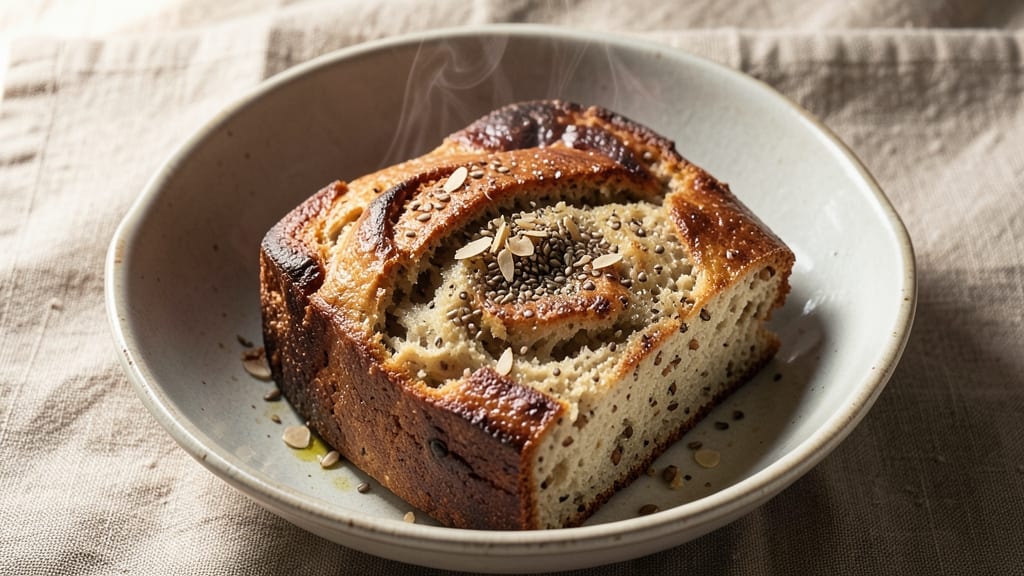
This buckwheat and rice flour bread delivers a nutty, hearty loaf with a perfect rise—ideal for gluten-free diets or anyone craving whole-grain texture. The blend of flours creates a tender yet sturdy crumb, while flaxseed or aquafaba binds the dough without eggs.
I’ve perfected the hydration ratio to ensure a light, airy loaf that doesn’t crumble, even with gluten-free flours.
The result is a loaf with a crispy crust and a moist interior, packed with earthy buckwheat flavor and subtle sweetness from the rice flour. Perfect for toast, sandwiches, or serving alongside soups, this bread stays fresh for days when stored properly.
Whether you’re baking for dietary needs or simply love whole grains, this recipe delivers restaurant-quality results at home.
Ingredients for buckwheat and rice flour bread
Essential flours, seeds, and simple pantry staples transform into a perfect gluten-free loaf.
| Ingredient | Amount | Notes |
|---|---|---|
| Buckwheat Flour 🌾 | 1 ½ cups | Dark roasted for nutty flavor |
| White Rice Flour 🌾 | 1 ½ cups | Fine grind preferred |
| Ground Flaxseed 🌰 | ¼ cup | For egg replacement |
| Water 💧 | 1 ½ cups | Lukewarm for activation |
| Active Dry Yeast 🍞 | 2 ¼ tsp | Instant yeast works too |
| Sugar 🍚 | 1 tbsp | Feeds yeast for rise |
| Salt 🧂 | 1 ½ tsp | Kosher or sea salt |
| Olive Oil 🫒 | 2 tbsp | Extra-virgin preferred |
| Apple Cider Vinegar 🍎 | 1 tbsp | Enhances flavor |
| Sesame Seeds 🌻 | 1 tbsp | For topping |
| Poppy Seeds 🌱 | 1 tbsp | Optional garnish |
| Water (for dough) 💧 | ¾ cup | Adjust for consistency |
The flours are the stars here—Bob's Red Mill buckwheat and rice flours are my go-tos, but any gluten-free brands work. Dark roasted buckwheat gives that signature nutty flavor, while rice flour keeps the crumb tender. Flaxseed is non-negotiable for binding—Bob's Red Mill ground flaxseed is the easiest to find. If you can't get dark buckwheat, light roasted works but lacks depth. For yeast, Saf-Instant is my secret weapon—it activates without proofing time, which is a game-changer for gluten-free doughs that can be fussy.
No flaxseed? Aquafaba (chickpea brine) works at a 1:1 ratio—just whisk it until frothy first. Swap rice flour for white sorghum flour if you want a slightly sweeter note. Olive oil can be swapped for avocado oil if you prefer a milder flavor. The vinegar is key—apple cider adds tang, but white vinegar works in a pinch. For seeds, sesame and poppy are classic, but sunflower or pumpkin seeds add extra crunch. If your dough feels too sticky, add 1 tbsp more rice flour; too dry? Add 1 tsp water.
This loaf stays fresh for 4-5 days wrapped in a clean kitchen towel, or freeze slices for up to 3 months. For extra crispiness, reheat slices in a 350°F oven for 5 minutes. The crust gets crispier overnight, so bake it the night before if you can. Store seeds separately—they keep for 6 months in the pantry, while flour should be used within 3 months for best flavor. Double the recipe? Use a 9x5-inch loaf pan for a taller loaf.
Why You'll Love This Recipe
- No-Knead Magic: I swear by this—just mix, let it rise, and bake. The flaxseed acts like a binder, so no eggs or fancy add-ins needed. Honestly, I’ve made it while scrolling through my phone.
- Earthy Nutty Crunch: That buckwheat gives it a deep, toasty flavor, while the rice flour keeps it light. Toast a slice and slather it with butter—it’s like a cross between sourdough and a cracker, but better.
- Meal Prep MVP: This bread holds up for days, so I bake a loaf on Sundays and use it all week. Freeze slices for quick toasts or pack it for lunch—no soggy sandwiches here.
- Budget-Friendly Staple: Buckwheat and rice flour are cheap, and the flaxseed stretches the dough further. I make two loaves for the price of one store-bought, and it’s packed with protein too. Win-win.
Step-by-step instructions for nutty-grain bread
Let's create a loaf so tender and flavorful you'll forget it's gluten-free.
Activate the Yeast and Prepare the Flax Egg
In a small bowl, combine the 1.5 cups water with the 1 tbsp sugar and 2.25 tsp active dry yeast. Let this sit for 5-10 minutes until it becomes frothy and bubbly—this confirms your yeast is alive and ready to work. If it doesn't bubble, your yeast might be dead, and you'll need to start over.
While waiting, mix the 0.25 cup ground flaxseed with the 0.75 cup water (for dough) in a separate bowl. Stir well and let it sit for 5 minutes to thicken into a gel-like consistency. This flax egg replaces traditional eggs while adding moisture and binding power to our bread. I like to check the consistency by running my finger through it—it should leave a clean trail without being too runny.
Combine Wet and Dry Ingredients
In a large mixing bowl, whisk together the 1.5 cups buckwheat flour and 1.5 cups white rice flour. Add the 1.5 tsp salt and mix thoroughly. Create a well in the center and pour in the yeast mixture, flax egg, 2 tbsp olive oil, and 1 tbsp apple cider vinegar. The vinegar adds a subtle tang that balances the earthy buckwheat flavor.
Using a wooden spoon or dough whisk, gently combine everything until just mixed. You'll notice the dough will be sticky—this is normal with gluten-free flours. Avoid overmixing; we want to preserve the delicate structure. The dough should come together into a shaggy mass that clings slightly to your spoon but isn't completely unworkable.
Knead and Shape the Dough
Transfer the dough to a lightly floured surface (use a mix of buckwheat and rice flours to prevent sticking). Wet your hands slightly and knead gently for 3-4 minutes, just until the dough comes together. Gluten-free dough behaves differently from wheat dough—it won't develop elasticity, so we're not looking for smoothness but rather a cohesive mass.
Shape the dough into a round loaf about 6 inches in diameter. Place it seam-side up in a greased 9x5-inch loaf pan. Cover with a damp kitchen towel and let it rise at room temperature for 1-1.5 hours, or until it has visibly puffed up about 50%. You'll know it's ready when the dough springs back slowly when gently pressed with your finger. This rise time is crucial—don't rush it or your bread will be dense.
Preheat and Bake to Golden Perfection
Preheat your oven to 375°F. While it heats, mix the 1 tbsp sesame seeds and 1 tbsp poppy seeds in a small bowl. Once the oven is ready, brush the risen dough with a little water and sprinkle the seed mixture evenly over the top. This creates both beautiful texture and a nutty crunch.
Bake for 35-40 minutes until the bread is deep golden brown and sounds hollow when tapped on the bottom. The internal temperature should reach 190-200°F when measured with an instant-read thermometer. If the top browns too quickly, tent with foil to prevent burning while allowing the bread to cook through. The aroma at this stage is pure magic—earthy from the buckwheat, sweet from the seeds, with that perfect bread crust scent.
Cool and Slice for Maximum Enjoyment
Remove the bread from the oven and let it cool in the pan for 10 minutes. Then transfer it to a wire rack to cool completely. This cooling period is essential—it allows the bread to set properly and prevents a gummy texture. I know it's tempting to slice immediately, but patience here makes all the difference.
Once completely cooled, slice the bread with a serrated knife for clean cuts. Each slice should reveal a tender crumb with visible flecks of buckwheat and a crisp crust. This bread keeps well at room temperature for 2-3 days or can be frozen for up to 3 months. For the best experience, toast slices lightly before serving—the heat brings out all the nutty flavors and creates that perfect crust-to-soft interior contrast.
Pro Tips For Making Buckwheat And Rice Flour Bread
- Mix the flours first: Buckwheat flour is heavy and dense—don’t just toss it in with the rice flour and expect magic. Sift both flours together before adding anything else, then whisk them in a bowl for 30 seconds. This keeps the ground flaxseed from clumping into bricks when you hydrate it later.
- Bloom the yeast in warm water: Skip the "mix it all at once" approach—this dough needs yeast that’s actually active. Proof your yeast in warm (not hot) water with a pinch of sugar for 5 minutes until it’s bubbly before adding it to the flours. Cold water kills it; hot water cooks it. Test it first, or you’ll end up with a dense brick.
- Knead just until sticky: This dough isn’t going to behave like wheat flour—it’s going to fight you. Knead by hand for about 8-10 minutes until it pulls away from the bowl but still feels tacky. Overworking it turns the bread gummy; underworking leaves it crumbly. If it’s too dry, add water 1 tablespoon at a time.
- Let it rise twice, slow and low: First rise: 1.5 hours at room temp (70°F/21°C) until puffy. Second rise: 4-6 hours in the fridge—yes, overnight if you can. The cold develops flavor and prevents a dense crumb. Punch it down after the first rise, then shape and refrigerate. The wait is worth the texture.
Best sauces and condiments for buckwheat and rice flour bread
Herb-Infused Olive Oil
Drizzle 2 tbsp extra-virgin olive oil infused with fresh herbs like rosemary, thyme, or basil right before serving. Heat the oil gently with 1 tbsp chopped herbs and ½ tsp garlic powder for 2 minutes, then strain.
The nutty buckwheat pairs beautifully with rosemary's piney notes, while thyme adds an earthy depth. I like to brush it lightly on warm slices or use it as a dip for crostini. 🌿
Spiced Honey Butter
Mix ¼ cup softened vegan butter with 2 tbsp local honey, ½ tsp ground cinnamon, and a pinch of sea salt. Warm the butter in a small saucepan over low heat with the honey until melted, then stir in spices.
Spread on toasted bread slices for a sweet-savory contrast that complements the bread's earthy flavor. This works especially well with buckwheat's natural nuttiness. 🍯
Garlic-Herb Compote
Sauté 3 minced garlic cloves in 1 tbsp olive oil with 1 tbsp chopped parsley and ½ tsp red pepper flakes until fragrant (2 minutes). Add ¼ cup crushed tomatoes and 2 tbsp white wine vinegar, simmering for 5 minutes until thickened.
This tangy, aromatic spread adds brightness to each bite and balances the bread's hearty texture. 🧄
Whipped Tahini Sauce
Whisk ½ cup tahini with 2 tbsp lemon juice, 1 tbsp maple syrup, and 2 tbsp water until smooth. Thin with additional water if needed for a drizzling consistency.
The sesame notes in tahini enhance the bread's nutty profile, while lemon keeps it fresh. Drizzle over slices or spread on avocado toast for a protein-rich pairing. 🥜
Smoky Chipotle Aioli
Blend ½ cup vegan mayo with 1 tsp adobo sauce (from canned chipotles), ½ tsp smoked paprika, and 1 tsp lime juice until smooth. The smoky chipotle cuts through the bread's earthiness while adding a subtle heat.
I love this as a sandwich spread or dip for crusty slices. 🌶️
Creamy Avocado Mash
Mash 1 ripe avocado with 1 tbsp lime juice, ½ tsp salt, and 1 tbsp chopped cilantro until creamy. The avocado's richness contrasts perfectly with the bread's nutty, crisp texture.
Spread on toast or use as a base for open-faced sandwiches. For extra flair, top with everything bagel seasoning. 🥑
Nutrition facts
Frequently asked questions
Why does my gluten-free buckwheat bread turn out dense?
Gluten-free dough lacks the elastic gluten network that traps air during rising. To prevent density, ensure your yeast is active (test in warm water with sugar), don't overmix the dough, and let it rise for the full 1-1.5 hours at room temperature. The flax egg must thicken properly too—if it's too runny, your loaf will be gummy.
Can I substitute aquafaba for the flaxseed?
Yes! Use 3 tbsp aquafaba (chickpea brine) per 1 tbsp flaxseed, but whisk it until frothy first to mimic egg structure. Aquafaba adds lightness but may require 1 extra tbsp water since it's thinner. For best results, let it sit for 5 minutes before mixing into the dough.
How do I store this bread to keep it fresh longest?
Wrap cooled bread tightly in a clean kitchen towel (not plastic) and store at room temperature for 4-5 days. For longer storage, slice and freeze individual portions for up to 3 months. Reheat frozen slices in a 350°F oven for 5 minutes to restore crispiness.
What's the best way to revive stale buckwheat bread?
Preheat your oven to 350°F, wrap the bread in foil, and bake for 10-15 minutes. The steam will restore moisture while the heat reactivates the crust. For extra crunch, broil for 1-2 minutes at the end. This method works best within 2 days of staleness.
Can I make this bread without a loaf pan?
Shape the dough into a round boule or oval batard. Place on a parchment-lined baking sheet and bake at 375°F for 30-35 minutes, rotating halfway. Brush with water before baking for better browning. The crust will be crispier without a pan's confinement.