
Side Dishes
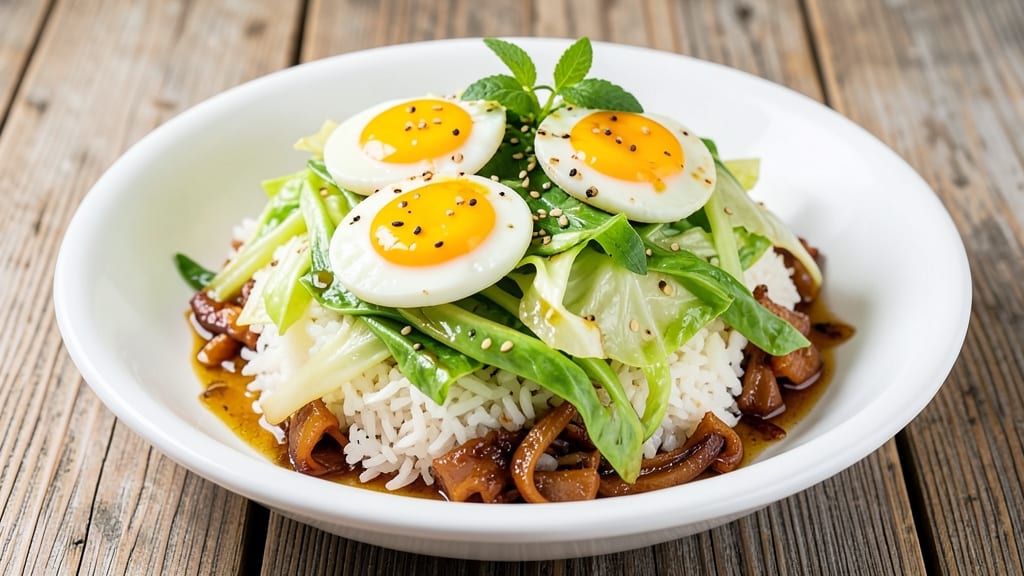
This cabbage egg fried rice recipe transforms simple ingredients into a crispy, savory dish that balances tender cabbage, fluffy egg bites, and perfectly seasoned rice. The secret lies in high-heat stir-frying for those irresistible golden edges on the eggs while keeping the cabbage just tender enough to hold its bite.
It’s the kind of one-pan meal that delivers restaurant-quality results in under 20 minutes—ideal for busy weeknights when you still want something flavorful and satisfying.
What sets this recipe apart is the harmony of textures: crispy egg cubes that stay intact, slightly charred cabbage for depth, and rice that’s light yet sturdy enough to hold up to every bite.
The seasoning—a blend of soy sauce, garlic, and a touch of sesame oil—elevates the dish without overpowering the natural flavors of the ingredients.
Whether you're serving it as a side or a main, this fried rice is versatile enough to pair with grilled meats, roasted vegetables, or even as a standalone dish for a quick lunch.
Ingredients for cabbage egg rice
Twelve essential ingredients for restaurant-style fried rice with crispy egg bites and tender cabbage.
| Ingredient | Amount | Notes |
|---|---|---|
| Day-Old Cooked White Rice 🍚 | 4 cups | Cold, preferably from fridge |
| Green Cabbage 🥬 | 4 cups | Shredded, core removed |
| Large Eggs 🥚 | 4 whole | Room temperature for even cooking |
| Vegetable Oil 🫒 | 3 tbsp | High smoke point preferred |
| Light Soy Sauce 🧂 | 2 tbsp | Low sodium preferred |
| Sesame Oil 🫒 | 1 tsp | Toasted, for aroma |
| Garlic Cloves 🧄 | 3 cloves | Minced, fresh preferred |
| Fresh Ginger 🌿 | 1 tbsp | Grated, peeled |
| Green Onions 🧅 | 3 whole | Sliced, white and green parts |
| Salt 🧂 | ½ tsp | Kosher or sea salt |
| Black Pepper 🌶️ | ¼ tsp | Freshly ground preferred |
| Toasted Sesame Seeds 🌱 | 1 tsp | For garnish |
The cabbage is the star here—opt for green cabbage over purple for its milder flavor and firmer texture, which holds up better during stir-frying. Trader Joe's or local Asian markets often carry the freshest heads, but any grocery store will work. Shred it just before cooking to prevent wilting. For the eggs, room temperature is key to achieving those perfect golden cubes. Crack them into a bowl first, then scramble them separately before adding to the pan—this ensures crispy edges without overcooking. The rice should be day-old, cold, and slightly dried out for optimal texture; spread leftover rice on a tray to cool faster if needed.
No sesame oil? Avocado oil at half the amount works in a pinch, though it lacks the nutty aroma. Substitute light soy sauce with coconut aminos for a gluten-free option, though the flavor will differ slightly. Fresh ginger and garlic can be swapped for powdered versions at one-third the amount, but fresh is ideal for that bright, zesty kick. The cabbage can be pre-shredded (the bagged kind), but it often contains more water—drain and spin it dry thoroughly. For extra protein, add chicken or shrimp cooked separately and tossed in at the end, though the dish remains satisfying on its own.
Store any leftovers in an airtight container in the fridge for up to 4 days, though it's best enjoyed fresh. The cabbage will soften further, so reheat gently with a splash of water to revive its texture. For meal prep, cook the rice and cabbage ahead, then scramble the eggs fresh when serving. The dish reheats beautifully—microwave for 1-2 minutes with a damp paper towel over it to retain moisture. Garnish with toasted sesame seeds right before serving to preserve their crunch.
Why You'll Love This Recipe
- One-Pan Magic: I swear by this—just toss everything into one skillet, and you’re done. No chopping boards, no extra pots, just that satisfying sizzle of cabbage and eggs cooking together until the rice soaks up all the savory goodness.
- Savory Crunch Contrast: The cabbage stays crisp-tender while the eggs get that golden, runny-yolk perfection—every bite has that textural magic. Honestly, the way the soy sauce clings to the cabbage leaves? Absolute flavor gold.
- Lunchbox Hero: Between us, this is my go-to for packed lunches. Cold or reheated, it’s still solid—just add a sprinkle of sesame seeds, and suddenly you’ve got a meal that feels fancy but costs next to nothing.
- Pantry Staple Power: I make this when I forget to meal prep or when my fridge is bare. Cabbage lasts forever, eggs are cheap, and leftover rice? Always lurking in my fridge. It’s the ultimate “I can’t think of anything else” solution.
Step-by-step instructions for cabbage egg fried rice
Master this technique and you'll achieve perfectly crispy egg bites with tender cabbage and fluffy rice every time.
Prepare the Cabbage and Aromatics
Begin by thoroughly washing the 4 cups green cabbage and removing the core. Shred the cabbage into thin strips—about ¼-inch wide—using a sharp knife or mandoline for even pieces. This size ensures the cabbage wilts quickly without turning mushy.
In a small bowl, combine the 3 minced garlic cloves and 1 tablespoon grated fresh ginger. Set aside. This aromatic blend forms the flavor foundation of the dish, so freshness matters—don't substitute with dried or powdered versions.
Cook the Cabbage Until Tender-Crisp
Heat 2 tablespoons vegetable oil in a large wok or skillet over medium-high heat until shimmering. Add the shredded cabbage and stir-fry for 4-5 minutes until just softened but still holding its shape. Overcooking will make it limp and unappetizing.
Add the garlic-ginger mixture and cook for 30 seconds until fragrant. Immediately pour in the 2 tablespoons light soy sauce and toss to coat. Remove the cabbage from the pan and set aside—it will continue cooking with the rice. This step builds the savory base without overpowering the dish.
Create Crispy Egg Bites
In the same pan, add 1 tablespoon vegetable oil and swirl to coat. Increase heat to high and crack the 4 large eggs directly into the pan. Let them sit undisturbed for 10 seconds before gently pushing them into small clusters with a spatula.
Cook for 2-3 minutes until the edges are deep golden brown and the centers are still slightly runny. This creates the signature crispy exterior while keeping the interior creamy. Don't flip or stir too soon—patience ensures perfect texture.
Combine All Ingredients
Return the cabbage to the pan along with the 4 cups day-old cooked white rice. Drizzle with 1 teaspoon sesame oil and toss everything together for 2-3 minutes until the rice is heated through and the cabbage is fully wilted.
Season with ½ teaspoon salt and ¼ teaspoon black pepper, then taste and adjust if needed. The rice should be evenly coated with the cabbage and egg mixture, with no dry spots remaining. This is where all the flavors come together.
Finish and Garnish
Remove the pan from heat and sprinkle with 1 teaspoon toasted sesame seeds and the sliced 3 green onions. Toss gently to distribute evenly. The sesame seeds add a nutty crunch, while the green onions provide fresh contrast to the rich fried rice.
Serve immediately while the eggs are still slightly runny and the cabbage retains its texture. Each bite should deliver a perfect balance of crispy egg, tender cabbage, and fluffy rice—this is the hallmark of a well-executed cabbage egg fried rice.
Pro Tips For Making Cabbage Egg Rice
- STIR-FRY CABBAGE FAST: Cut the cabbage into 1-inch-wide ribbons—thicker than usual—and blanch them in boiling water for 30 seconds first. This softens them just enough to wilt quickly in the pan without turning to mush, and you’ll save 5 minutes of waiting for stubborn stems to break down.
- USE DAY-OLD RICE: Skip the fresh rice—it’ll turn to glue. The slightly dried grains in day-old rice absorb the soy sauce and egg better, giving you that perfect separate-but-sticky texture. If you’re in a pinch, spread freshly cooked rice on a tray and microwave it for 2 minutes to dry it out.
- EGG ON THE SIDE: Fry the eggs separately until just set (about 2 minutes per side) and slice them into quarters before tossing with the rice. This keeps them from breaking into strings when you stir everything together, and the warm, intact slices add a cleaner bite.
- SALT THE RICE FIRST: Toss the day-old rice with 1 teaspoon of soy sauce and a pinch of salt before adding the cabbage. This seasons the grains evenly, and the rice won’t clump when you mix in the wet cabbage later—no need to play cleanup chef.
Troubleshooting perfect results
Mushy Cabbage Fix
If your cabbage turns out too soft or watery, it’s likely because it was overcooked or not drained properly. To prevent this, pat shredded cabbage dry with paper towels before stir-frying—this removes excess moisture that causes limp texture.
Also, cook it for only 4-5 minutes on high heat; any longer and it’ll lose its structure. For extra firmness, add ½ teaspoon cornstarch to the cabbage while stir-frying to help it hold its shape. 🥬
Eggs Too Runny
Overly soft eggs usually mean they weren’t cooked long enough or the heat wasn’t high enough. Crack eggs into a bowl first, then scramble them separately before adding to the pan—this ensures even cooking.
Use high heat and let them sit undisturbed for 10 seconds before gently pushing them into clusters. If they’re still too runny, cook them for another 30 seconds until just set. For extra insurance, beat the eggs lightly before cooking to help them hold together better. 🥚
Rice Too Dry
Day-old rice should be slightly sticky but not wet, but if yours ends up dry, it’s likely because it was too old or not seasoned enough. Spread freshly cooked rice on a tray to cool faster, and avoid refrigerating it for more than 24 hours before using.
If the rice is already dry, sprinkle 1 teaspoon water over it while tossing in the pan, or add ½ teaspoon soy sauce to help bind the grains together. 🍚
Flavor Too Mild
If your dish lacks depth, the seasoning might not be balanced. Double-check your soy sauce—some brands are saltier than others, so taste as you go. For extra umami, add ½ teaspoon fish sauce or 1 teaspoon oyster sauce when combining the ingredients.
A pinch of white pepper or a dash of chili flakes can also elevate the flavor without overpowering. 🌶️
Sticky Pan Issues
Sticking happens when the rice or cabbage releases too much moisture. Use a wok or non-stick skillet with a high smoke-point oil like avocado or vegetable oil. If the pan starts sticking, lower the heat slightly and add 1 teaspoon water or oil to loosen the ingredients.
Avoid overcrowding the pan—cook in batches if needed. A wooden spatula helps scrape up stuck bits without damaging the pan. 🔥
Nutrition facts
Frequently asked questions
Can I use frozen cabbage instead of fresh?
Fresh cabbage works best for this recipe, but frozen will do in a pinch! Just thaw and drain it thoroughly first—frozen cabbage holds more water, which can make your dish soggy. For 4 cups frozen, use 3 cups thawed and drained, then pat completely dry with paper towels before cooking.
How do I make this vegetarian?
This recipe is already vegetarian, but you can boost protein by adding 1 cup firm tofu (cubed and pan-fried first) or ½ cup mushrooms (sliced and sautéed with the cabbage). For extra richness, stir in 1 tablespoon nutritional yeast when combining ingredients. The eggs provide plenty of protein on their own!
Can I prep this ahead of time?
Cook the rice and chop the cabbage 1 day ahead, then store separately in the fridge. When ready to serve, scramble the eggs fresh and stir-fry everything together—this keeps the cabbage crisp and eggs perfectly cooked. For meal prep, cook the eggs separately and reheat them gently in the microwave for 20 seconds before adding to the rice.
What's the best rice for this recipe?
Use jasmine or long-grain white rice—they hold up best to stir-frying. Avoid sticky rice varieties like sushi rice, as they can make the dish too dense. For extra flavor, cook the rice with ½ teaspoon soy sauce mixed into the water. The rice should be day-old and cold for the best texture—freshly cooked rice is too moist.
Can I make this spicy?
Yes! Add ½ teaspoon chili flakes or 1 teaspoon sriracha when combining ingredients, or stir in 1 chopped Thai chili with the garlic and ginger. For heat lovers, top with 1 tablespoon chopped serrano peppers before serving. Balance the spice with a squeeze of lime or extra green onions.