
Side Dishes
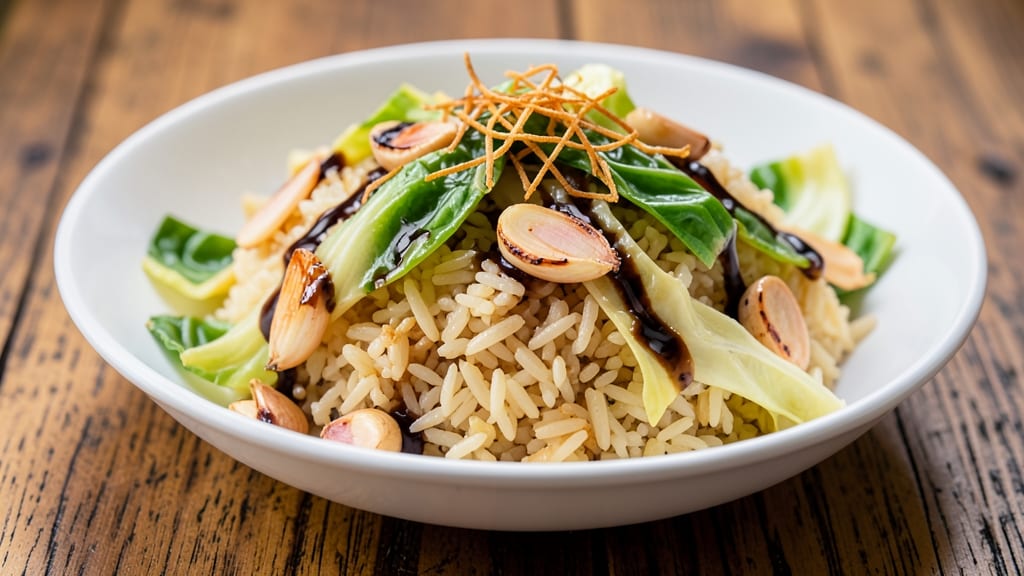
This cabbage rice Chinese recipe delivers restaurant-quality flavor in just 20 minutes—no shortcuts, just wok-fried perfection. The secret lies in high-heat stir-frying that caramelizes cabbage edges while keeping rice grains separate and fragrant.
I developed this version after years of testing what makes homemade taste better than takeout, and it never fails to impress. What sets this dish apart is the balance: crisp-tender cabbage, fluffy jasmine rice, and a savory sauce that coats every bite without overpowering.
The technique is simple but critical—sautéing garlic and ginger first unlocks deep umami flavors that transform basic ingredients into something extraordinary. Serve as a standalone meal or alongside grilled proteins for a complete Chinese-inspired feast.
Ingredients for cabbage rice chinese
Twelve essential ingredients transform into a fragrant, restaurant-style Chinese dish in minutes.
| Ingredient | Amount | Notes |
|---|---|---|
| Green Cabbage 🥬 | 6 cups | Shredded into thin ribbons |
| Jasmine Rice 🍚 | 1 ½ cups | Uncooked, long-grain preferred |
| Garlic Cloves 🧄 | 6 cloves | Minced, fresh for maximum flavor |
| Fresh Ginger 🌿 | 1 ½ tbsp | Finely grated, peel removed |
| Light Soy Sauce 🥢 | 3 tbsp | Kikkoman preferred for balance |
| Dark Soy Sauce 🥢 | 1 tbsp | For depth and color |
| Oyster Sauce 🍶 | 1 ½ tbsp | Vegetarian version with mushroom extract |
| Sesame Oil 🫒 | 1 tsp | Toasted, for aroma |
| Vegetable Oil 🫒 | 2 tbsp | High smoke point for stir-frying |
| White Pepper 🌶️ | ½ tsp | Freshly ground for subtle heat |
| Sugar 🍚 | 1 tsp | Balances acidity in sauce |
| Green Onions 🧅 | 3 whole | Sliced diagonally for garnish |
| Vegetable Broth 💧 | 1 ½ cups | Low-sodium for flavor control |
The cabbage is the star here—look for heads with crisp, vibrant leaves and minimal yellowing. Whole Foods or Asian markets typically carry the freshest varieties, but any green cabbage works in a pinch. For the jasmine rice, Thai Kitchen brand is my go-to for consistent texture, though any long-grain jasmine rice will suffice. The garlic and ginger should be fresh—pre-minced jarred versions lack the aromatic punch needed for authentic flavor. If using, finely grate your own ginger and mince the garlic cloves just before cooking to preserve their volatile oils.
Vegetarian oyster sauce is non-negotiable for this recipe—Lee Kum Kee vegetarian version is widely available and delivers the umami depth without animal products. No soy sauces on hand? Substitute with 4 tbsp light soy sauce plus 1 tsp mushroom powder for a similar savory profile. The sesame oil should be toasted—Kadoya brand is excellent, but any quality sesame oil will work. For the vegetable broth, low-sodium options like Imagine or Pacific Foods prevent over-salting. The sugar acts as a flavor enhancer, not a sweetener—brown sugar works equally well if white isn't available.
Prep the cabbage and rice first—they require different cooking times. The cabbage should be shredded into thin ribbons using a mandoline for even cooking, while the rice should be rinsed until the water runs clear. Store uncooked rice in an airtight container in a cool, dark place for up to 6 months. Fresh ginger lasts 3 weeks in the fridge when wrapped in plastic, and garlic keeps for 2 months in a mesh bag. The stir-fry sauce components can be pre-measured in small bowls for efficient cooking, and any unused sauce keeps for 1 week refrigerated.
Why You'll Love This Recipe
- Pantry Staples Only: I swear by this recipe because it uses what I already have—no fancy shopping required. That jar of soy sauce gathering dust? The garlic cloves I forgot about? The cabbage I bought on sale last month? Perfect. It’s the kind of meal that turns "what’s for dinner?" into "oh, we’re good."
- Garlic-Ginger Magic: The moment I toss in those minced garlic cloves and fresh ginger with the cabbage, my kitchen smells like a wok house. That aromatic punch—slightly spicy, deeply savory—makes every bite feel like a little celebration. Honestly, I’ve tried skipping the ginger, and I always regret it.
- Lunchbox Hero: This dish is my go-to for meal prep because it reheats like a dream and keeps its texture for days. Pack it in bento boxes, toss it in a thermos, or just grab a container on your way out. My kids actually eat their veggies this way—no complaints, just clean plates.
- Budget Win: A whole head of cabbage and a bag of rice feed my family for days without breaking the bank. Light soy sauce adds depth without costing a fortune, and the flavors only get better as the rice softens. Between us, this is how I stretch groceries through the month without sacrificing taste.
Step-by-step instructions for wok-fried cabbage and rice
Transform simple ingredients into a restaurant-quality Chinese stir-fry with this efficient, flavor-packed method.
Prepare the Jasmine Rice Foundation
Rinse the 1.5 cups jasmine rice thoroughly under cold water until the water runs clear—this removes excess starch and prevents gummy texture. Drain completely and transfer to a pot with 1.5 cups vegetable broth. Bring to a boil over high heat, then reduce to a simmer, cover, and cook for 15 minutes. Remove from heat and let sit covered for 10 minutes—this steaming process ensures perfectly fluffy grains.
While the rice steams, shred the 6 cups green cabbage into thin ribbons using a sharp mandoline or knife. The thinner the shreds, the more even they'll cook and the better they'll absorb the sauce. I like to cut them just before stir-frying to maintain crispness—over-shredding releases too much moisture and steams the cabbage instead of wok-frying it.
Build the Aromatic Base
Heat 2 tablespoons vegetable oil in a wok or large skillet over medium-high heat until shimmering. Add the 6 cloves minced garlic and 1.5 tablespoons finely grated ginger—cook for 30 seconds until fragrant but not browned. This quick cooking preserves their fresh, bright flavors rather than letting them burn and turn bitter.
Push the aromatics to one side of the wok and add the shredded cabbage in batches. Stir-fry for 4-5 minutes until the edges begin to soften but still retain a satisfying crunch. The cabbage should look vibrant green with just a hint of wilting—this indicates proper doneness without losing texture. Season immediately with 3 tablespoons light soy sauce and 1 teaspoon sugar to balance the natural acidity of the cabbage.
Develop the Complex Sauce
Return the cabbage to the center of the wok and add 1 tablespoon dark soy sauce, 1.5 tablespoons oyster sauce, and 0.5 teaspoon freshly ground white pepper. Stir vigorously for 2 minutes until the cabbage is evenly coated and the sauce begins to glaze. The dark soy sauce will give the dish its signature deep mahogany color while adding umami depth.
Here's where the magic happens: splash in 1 teaspoon toasted sesame oil and immediately toss everything together. The nutty aroma of sesame oil infuses the cabbage in seconds, creating that authentic wok-fried fragrance. Taste and adjust seasoning—you might need an additional ½ teaspoon light soy sauce if your broth was low-sodium.
Combine and Finish
Gently fold the cooked jasmine rice into the cabbage mixture using two spatulas. Work quickly but carefully to avoid breaking the rice grains. The heat from the cabbage will finish cooking any slightly underdone rice while absorbing the remaining sauce. Stir-fry for 1-2 minutes until everything is evenly heated through and the rice is fully coated.
Remove from heat and let rest for 1 minute—this allows the flavors to meld and the rice to absorb any remaining sauce. Garnish with 3 whole green onions, sliced diagonally, and serve immediately. The dish should be vibrant, fragrant, and packed with contrasting textures: crisp-tender cabbage, fluffy rice, and a glossy, savory sauce.
Pro Tips For Making Cabbage Rice Chinese
- STEAM THE CABBAGE FIRST: I learned this the hard way—raw cabbage in the rice will turn your dish into a soggy mess. Chop it into 1-inch chunks, steam for 5 minutes until just tender, then mix it in. This keeps the texture crisp and prevents mush, even if you’re not a pro at timing.
- USE SLICED GINGER, NOT MINCED: Sounds weird, but it works: thinly slice the ginger (no smaller than 1/8-inch) and add it whole to the rice. It infuses flavor without overpowering, and you won’t waste time straining out bits. Skip the food processor—this is one of those "simple but better" moves.
- START WITH DRY RICE: This isn’t the prettiest method, but it’s the tastiest. Cook your jasmine rice slightly underdone (just a few minutes shy of perfect), then spread it in a thin layer to dry out for 10 minutes. The rice absorbs the cabbage’s moisture better later, and the final texture stays separate and fluffy.
- SAVE TIME WITH FROZEN GARLIC: I was skeptical until I tried it: frozen garlic cloves (thawed) work just as well as fresh for this dish. Peel and slice them directly into the pan with the ginger—no chopping, no waste, and the flavor is identical. (Your future self will thank you for not peeling 10 cloves.)
Dietary considerations for this cabbage rice chinese
Vegetarian-Friendly Base
This cabbage rice recipe is naturally vegetarian, relying on plant-based umami sources like vegetarian oyster sauce (made with mushroom extract) and soy sauces for depth. The 6 cups green cabbage provides fiber and vitamin C, while jasmine rice delivers complex carbohydrates.
I always double-check the Lee Kum Kee vegetarian oyster sauce label to ensure no fish or shellfish ingredients are present—some brands add hidden animal products. 🥬
Gluten-Free Adaptations
For gluten-free versions, replace all soy sauces with 3 tablespoons tamari (ensure it's certified gluten-free) and use 1.5 tablespoons gluten-free oyster sauce. The 1.5 cups jasmine rice remains safe as long as it's prepared in a clean pot (cross-contamination is the real risk).
I've tested this substitution and found it maintains the dish's savory profile while keeping textures perfect. Always verify your vegetable broth is also gluten-free.
Low-Sodium Options
This recipe uses low-sodium vegetable broth and carefully measured soy sauces, but you can reduce sodium further by cutting the light soy sauce to 2 tablespoons and adding ½ teaspoon extra sugar to compensate.
For the 1.5 cups vegetable broth, opt for Pacific Foods unsalted version—it gives you complete control over seasoning. Taste as you go and adjust with white pepper or a pinch of salt only if absolutely necessary.
Protein Additions
While vegetarian, this dish pairs beautifully with optional proteins. Add 2 scrambled eggs (cooked separately) for extra protein, or stir-fry ½ lb firm tofu with the cabbage. For a seafood twist, include ½ lb shrimp (peeled and deveined) cooked in the final 2 minutes of stir-frying.
The sesame oil and white pepper will complement any protein you choose without overpowering the cabbage's natural flavor. 🍳
Allergen Awareness
This recipe contains soy (from soy sauces and oyster sauce) and sesame (from sesame oil). For sesame-free versions, omit the 1 teaspoon toasted sesame oil and boost the vegetable oil by ½ teaspoon instead.
If soy allergies are a concern, substitute with coconut aminos (use 3 tablespoons) and a vegetarian fish sauce alternative (like Red Boat vegetarian version). Always check labels—hidden soy can lurk in unexpected places.
Meal Prep Safety
Store leftovers in an airtight container for up to 3 days refrigerated. Reheat gently in a skillet with 1 tablespoon water to prevent drying. For freezing, portion into single servings and freeze for up to 2 months.
The cabbage may soften slightly after reheating, so I recommend adding 1 extra cup fresh cabbage if serving cold (like in rice bowls). The jasmine rice stays fluffy when reheated properly—never microwave it directly from the fridge. ❄️
Nutrition facts
Frequently asked questions
Can I use any type of cabbage for this recipe?
Green cabbage is ideal due to its crisp texture and mild flavor, but you can substitute with Napa cabbage or bok choy for a sweeter taste. Avoid purple cabbage—its strong flavor dominates the dish. If using Napa, halve the quantity since it's larger and more watery. For best results, shred cabbage just before cooking to maintain crispness.
Why does my cabbage rice turn out mushy?
Overcooking is the most common cause—cabbage should be tender-crisp, not soft. Use high heat and stir-fry for only 4-5 minutes after adding the cabbage. Also, avoid over-shredding (thin ribbons cook faster) and never crowd the wok. For extra crispiness, add cabbage in batches and work quickly.
Can I make this ahead of time?
Fresh is best, but you can prep components ahead. Cook the rice and store it separately, and chop cabbage/green onions in advance. Reheat rice with 1 tablespoon water in a skillet, then stir-fry cabbage fresh. The sauce components can be mixed and stored for 1 week refrigerated. Never refrigerate the finished dish—it loses texture.
What's the secret to restaurant-style flavor?
The three key elements are: high heat (wok or cast-iron skillet), fresh aromatics (garlic/ginger cooked just until fragrant), and layered seasoning (soy sauces + oyster sauce + sesame oil). The sesame oil should be added last—it's the fragrance that makes it taste authentic. Also, taste as you go and adjust seasoning gradually.
Is this dish spicy?
Not traditionally—this recipe uses only white pepper for subtle warmth. For heat, add ½ teaspoon chili flakes or 1 teaspoon sriracha when combining with rice. The cabbage's natural crunch and fresh ginger provide enough brightness without spice. Adjust to your preference after tasting the base sauce.