
Side Dishes
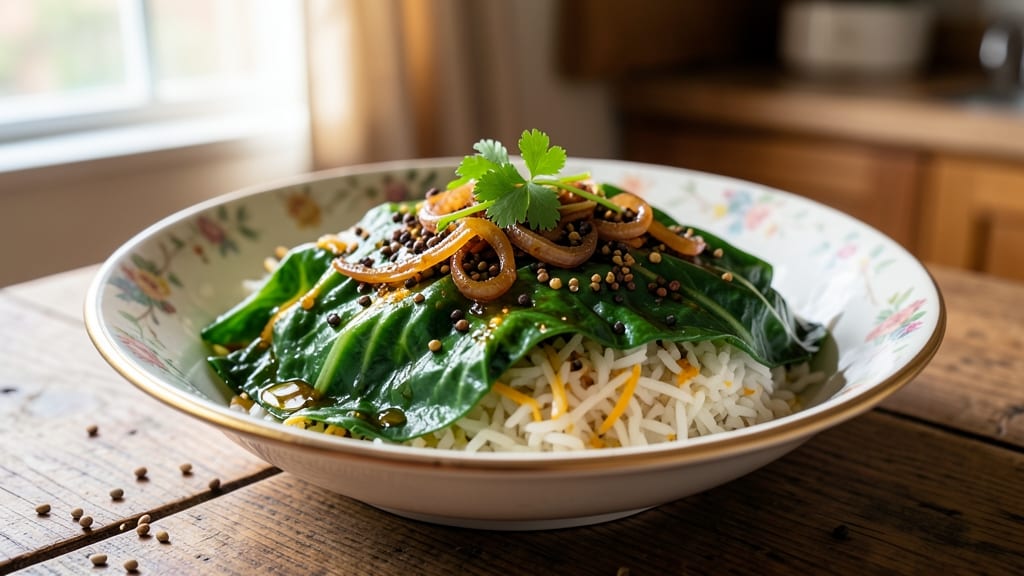
This cabbage rice Indian recipe transforms simple ingredients into a fragrant, one-pot dish that’s both comforting and restaurant-worthy. 🌟 The secret lies in tempering whole spices with mustard seeds and turmeric, creating layers of aroma that infuse every grain and bite of cabbage.
Perfect for vegetarians or anyone craving a hearty, flavorful side that pairs beautifully with curries or as a standalone meal.
With just 20 minutes of active prep and a pressure cooker (or stovetop), you’ll achieve tender rice and perfectly cooked cabbage—no soggy textures here. The dish balances earthy spices with a touch of tangy lemon, making it versatile for weeknight dinners or festive spreads. Ready to elevate your rice game?
Ingredients for cabbage rice indian
Simple spices and fresh vegetables create this aromatic cabbage rice dish perfect for any meal.
| Ingredient | Amount | Notes |
|---|---|---|
| Basmati Rice 🍚 | 1 cup | Uncooked, long-grain preferred |
| Green Cabbage 🥬 | 4 cups | Shredded, core removed |
| Mustard Seeds 🌶️ | 1 tbsp | Whole, yellow variety |
| Turmeric Powder 🌿 | ½ tsp | Freshly ground preferred |
| Cumin Seeds 🌶️ | ½ tsp | Toasted for deeper flavor |
| Onion 🧅 | 1 whole | Medium, finely chopped |
| Ginger Root 🧄 | 1 tbsp | Freshly grated, peeled |
| Garlic Cloves 🧄 | 4 cloves | Peeled, minced |
| Vegetable Oil 🫒 | 2 tbsp | Refined for neutral flavor |
| Salt 🧂 | 1 tsp | Diamond Crystal preferred |
| Lemon Juice 🍋 | 1 tbsp | Freshly squeezed |
| Fresh Coriander Leaves 🌿 | ¼ cup | Chopped, for garnish |
| Water 💧 | 2 cups | For cooking rice |
| Asafoetida Powder 🌶️ | ⅛ tsp | Optional, for aroma |
The mustard seeds and turmeric are non-negotiable for that signature Indian aroma. Whole mustard seeds should be toasted until they pop—this is where the magic happens. For the best quality, grab Penzeys spices or check the bulk bins at Whole Foods for vibrant, freshly ground turmeric. The cabbage should be crisp and green; organic varieties from the farmers market have the best texture. If you're using a pressure cooker, the cabbage will soften perfectly without turning mushy—just 3-4 whistles after the rice starts cooking.
No mustard seeds? Substitute with 1 tsp ground mustard, but the flavor won't be identical. Fresh ginger and garlic can be swapped for powdered versions at half the amount, though fresh is always preferred. The asafoetida (hing) is optional but adds incredible depth—find it in Indian grocery stores or online. For a tangier profile, add an extra tablespoon of lemon juice. The rice-to-water ratio is crucial: 1 cup rice to 2 cups water gives you perfectly fluffy grains. If you're short on time, pre-shredded cabbage works, but fresh is always better for texture.
This dish reheats beautifully—just add a splash of water and cover until warm. Keeps for 4-5 days in the fridge, though the flavors deepen over time. For meal prep, store components separately: rice, cabbage mix, and spices. Recombine with a splash of water when ready to eat. The coriander garnish should be added fresh at the end—it brightens the dish instantly. Freezes for 3 months if stored in an airtight container with parchment paper between layers.
Why You'll Love This Recipe
- One-Pot Magic: I swear by this recipe when I’m too tired to wash three bowls. Toss everything—rice, cabbage, spices—into one pot, add water, and let it simmer. The mustard seeds and cumin sizzle like a little flavor party while you sip your tea.
- Golden Crunch Factor: That first bite of cabbage with its perfect crunch? It’s the star. The turmeric stains your hands yellow (don’t worry, it washes off), but the earthy warmth and the way the cabbage stays crisp-tender? Absolute win.
- Lunchbox Hero: Between us, this is my go-to for packed lunches. It reheats like a dream—no mushy rice, no sad veggies—and the flavors only get better the next day. Honestly, my kids fight over who gets the leftovers.
- Pocketbook Friendly: Basmati rice and cabbage? Two of the most budget-stretching ingredients out there. A single head of cabbage feeds four, and the spices cost pennies. I make this twice a month just to prove how cheaply delicious meals can be.
Step-by-step instructions for cabbage rice with Indian flavors
Transform simple ingredients into a fragrant, aromatic dish with these precise techniques.
🍳 Step 1: Temper the Spices for Maximum Flavor
Heat the 2 tablespoons vegetable oil in a heavy-bottomed pot over medium heat until shimmering. Add the 1 tablespoon mustard seeds and let them sizzle for 30 seconds until they begin popping. This is your signal to add the 0.5 teaspoon cumin seeds—they'll join the dance immediately.
Add the 0.125 teaspoon asafoetida powder (if using) and stir for 10 seconds until the aroma fills your kitchen. The asafoetida adds that unmistakable umami depth that defines South Indian cooking. Immediately follow with the 0.5 teaspoon turmeric powder and mix for 20 seconds until the spices bloom and release their vibrant colors.
👨🍳 Step 2: Build the Aromatic Base
Lower the heat to medium-low and add the 1 whole onion that you've finely chopped. Sauté for 4-5 minutes until the onions turn a beautiful golden brown, developing that caramelized sweetness that forms the foundation of the dish. Here's the thing—don't rush this step. You'll know it's ready when the onions release from the pot easily and take on that rich, jammy texture.
Add the 1 tablespoon freshly grated ginger root and 4 minced garlic cloves, stirring constantly for 1-2 minutes until the raw garlic aroma transforms into something sweet and mellow. The garlic should be just cooked through—don't let it brown or it'll turn bitter. This aromatic base is where all the magic happens, so take your time here.
🥘 Step 3: Cook the Cabbage Until Tender
Add the 4 cups shredded green cabbage and stir to coat evenly in the spice mixture. Increase heat to medium-high and cook for 8-10 minutes, stirring occasionally, until the cabbage begins to soften and release its moisture. You'll see it transform from crisp green to a vibrant yellow-green as the turmeric works its color magic.
Add the 1 cup basmati rice and 2 cups water, then stir gently to combine. The rice should be fully submerged in the liquid. Bring to a gentle boil, then immediately reduce heat to low and cover with a tight-fitting lid. Let it simmer for 15 minutes without disturbing it—this prevents the rice from breaking and ensures even cooking.
⏰ Step 4: Finish with Acid and Fresh Herbs
After 15 minutes, remove the lid and stir gently to check for doneness. The rice should be tender with just a slight bite, and the cabbage should be completely wilted. Add the 1 teaspoon salt and 1 tablespoon fresh lemon juice, stirring well to brighten the flavors and cut through any richness.
Finally, fold in the 0.25 cup chopped fresh coriander leaves and mix gently. The coriander adds a fresh, citrusy note that balances the warm spices. Taste and adjust seasoning—you might need a pinch more salt or lemon to achieve that perfect balance of flavors. Let it sit covered for 5 minutes before serving to allow the flavors to meld completely.
Pro Tips For Making Cabbage Rice Indian
- SOAK BASMATI 20 MINUTES: I learned this the hard way—skipping the soak makes your rice turn mushy when it hits the cabbage. Just toss the raw grains in warm water for 20 minutes before cooking, then drain. The grains stay separate and fluffy, not glued together like sad porridge.
- CHOP CABBAGE UNIFORMLY: Small, even pieces cook faster and soak up flavors better. Cut the cabbage into 1-inch chunks—no need to shred unless you’re going for a different texture. (Yes, even if you’re impatient like me, resist the urge to rush this.)
- TOAST SPICES LOW AND SLOW: Crank the heat to medium-low when blooming mustard and cumin seeds. High heat burns them instantly, giving bitter smoke instead of nutty aroma. Let them sizzle gently for 30 seconds until they pop—this is where the real flavor lives.
- ADD TURMERIC LAST: Mix the turmeric powder directly into the cooked rice, not with the raw cabbage. It’ll stain everything yellow if you add it early, and the rice absorbs it better at the end. (Your future self will thank you for not scrubbing pots.)
Regional styles of these flavors
South Indian Style
In South India, this dish often includes asafoetida (hing) for its pungent aroma and urad dal for extra protein. The cabbage is cooked until tender but retains a slight crunch, and the rice is fluffed to perfection.
I love adding mustard seeds and curry leaves to the tempering for that signature South Indian flavor. Serve with coconut chutney for a tangy contrast. 🌶️
For an authentic touch, use short-grain rice instead of basmati—it absorbs flavors beautifully. Garnish with fried curry leaves just before serving for that extra aroma. This version is lighter and perfect for summer meals.
North Indian Twist
North India takes this dish with richer spices like garam masala and kasuri methi (dried fenugreek leaves). The cabbage is often cooked with tomatoes and green chilies for a deeper, slightly spicy profile.
I use whole cumin seeds and bay leaves in the tempering for a more complex flavor base. 🌿
For a heartier dish, add chana dal (split chickpeas) along with the rice. The dal soaks up the flavors and adds a satisfying texture. Finish with a sprinkle of roasted cumin powder for extra warmth.
Hyderabadi Fusion
Hyderabadi cuisine brings a unique blend of yogurt and tamarind to this dish. The cabbage is marinated in yogurt and turmeric before cooking, giving it a creamy, tangy flavor.
I love adding dried red chilies and peppercorns to the tempering for a smoky kick. This version is perfect for those who enjoy bold, layered flavors. 🔥
For an extra touch, serve with mirchi ka salan (a spicy chili curry) and boondi raita (yogurt with crispy chickpea flour pearls). The combination of creamy yogurt and tangy tamarind balances the dish beautifully.
Bengali-Inspired
In Bengal, this dish often includes mustard oil and panch phoron (a five-spice blend of cumin, fennel, fenugreek, black pepper, and mustard seeds). The cabbage is cooked with potatoes for added heartiness.
I use mustard oil for its distinct flavor, but if you're not a fan, vegetable oil works just as well. 💛
The rice is often cooked separately and mixed with the cabbage just before serving. Garnish with mustard greens and sesame seeds for a fresh, nutty finish. This version is comforting and perfect for chilly days.
Kerala-Style
Kerala’s version features coconut milk and curry leaves in the tempering, giving the dish a fragrant, tropical twist. The cabbage is cooked with grated coconut and green chilies for a unique flavor profile.
I love adding black pepper to the tempering for a subtle heat. This dish is lighter and perfect for a quick, flavorful meal. 🌴
Serve with appam (fermented rice pancakes) or dosai for a complete Kerala-style feast. The coconut milk adds a creamy richness that pairs perfectly with the cabbage and rice.
Nutrition facts
Frequently asked questions
Can I substitute basmati rice with another variety?
Yes! For a South Indian style, try short-grain rice like Ponni or Matta rice—it absorbs flavors beautifully. For a lighter texture, jasmine rice works too, but basmati gives the best separation. If using another variety, adjust water by 1/4 cup more since absorption rates vary.
What if I don't have mustard seeds?
Use 1 teaspoon ground mustard instead, but the flavor won't be identical. For a closer substitute, combine 1/2 teaspoon cumin seeds and 1/2 teaspoon black mustard seeds (if available). Skip the seeds entirely and add an extra 1/4 teaspoon turmeric for depth. The dish will still taste good, just slightly different.
How do I make this dish spicier?
Add 1-2 green chilies (finely chopped) with the onions or 1/2 teaspoon red chili powder when tempering the spices. For heat lovers, include 1/4 teaspoon cayenne pepper with the turmeric. Always taste before serving—you can adjust with more lemon juice or salt to balance the spice.
Can I prepare this ahead of time?
This dish reheats beautifully. Store in an airtight container for 4-5 days in the fridge. For best results, add 1-2 tablespoons water when reheating and cover until warm. Freeze for 3 months by storing components separately (rice, cabbage mix, spices) in airtight bags. Recombine with fresh lemon juice when ready to eat.
What's the best way to serve this?
Pair with yogurt-based raita (like cucumber or mint) to balance the spices. For a complete meal, serve with dal tadka (tempered lentils) or roti. Garnish with extra coriander and a squeeze of lemon at the table. In South India, it's often served with coconut chutney, while North India prefers pickled onions.