
Sauces & Condiments
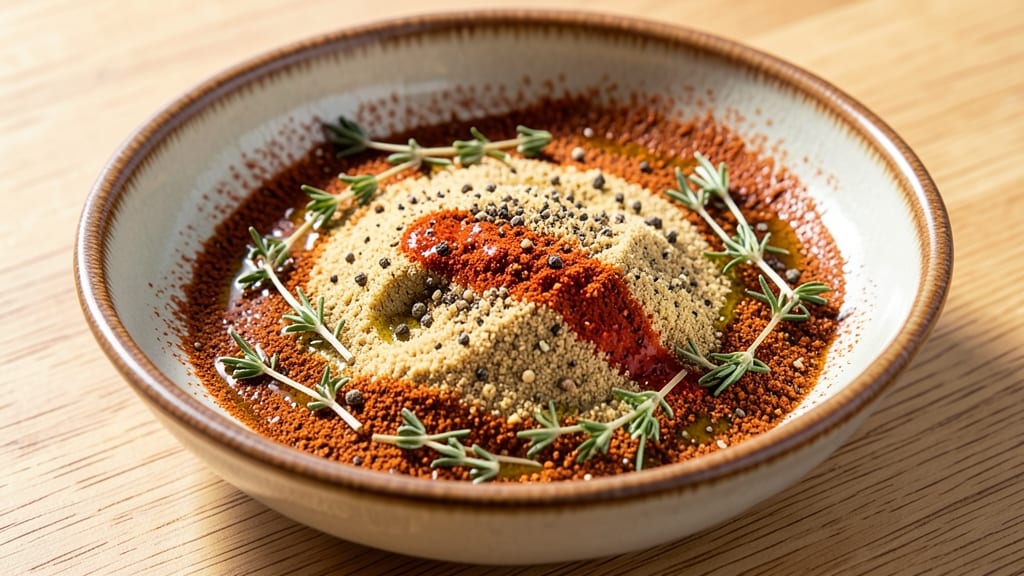
Transform your rice dishes with this Cajun rice dressing mix recipe—a bold, aromatic blend that elevates salads, bowls, and sides with deep, smoky heat. ✨ Designed for long-term storage, this dry seasoning mix combines classic Cajun spices with just the right balance of heat and earthiness to create restaurant-quality flavor in minutes.
Perfect for meal prep, this versatile mix includes paprika, garlic powder, onion powder, dried thyme, and cayenne—all measured precisely for consistent results. Simply stir into cooked rice or use as a seasoning for vegetables, meats, or even popcorn.
Store in an airtight container for up to six months, ready to transform any dish with a single sprinkle.
Ingredients for cajun rice dressing mix
Nine aromatic spices blend into restaurant-quality Cajun rice dressing mix for bold flavor.
| Ingredient | Amount | Notes |
|---|---|---|
| Smoked Paprika 🌶️ | 2 tbsp | High-quality for smoky depth |
| Garlic Powder 🧄 | 1 ½ tbsp | Freshly ground preferred |
| Onion Powder 🧅 | 1 ½ tbsp | Diamond Crystal for consistency |
| Dried Thyme 🌿 | 1 tbsp | French thyme for authenticity |
| Ground Black Pepper 🌶️ | 1 tbsp | Freshly cracked for sharpness |
| Cayenne Pepper 🔥 | 1 tsp | Adjust for desired heat level |
| Ground Cumin 🌿 | 1 tsp | Toasted for enhanced aroma |
| Dried Oregano 🍃 | 1 tsp | Mexican oregano preferred |
| Kosher Salt 🧂 | 1 tsp | Diamond Crystal for balance |
| Bay Leaves 🌿 | 1 whole | Crushed for intensified flavor |
The foundation of this mix lies in the quality of your spices. Smoked paprika is non-negotiable for that signature Cajun smokiness—Penzeys or McCormick Gourmet deliver consistent results. For the garlic and onion powders, Diamond Crystal brands are preferred due to their fine grind and balanced flavor profiles. Dried thyme should be French, not Italian—it carries more floral notes that complement the smoky base. The bay leaves might seem minor, but crushing them before adding releases oils that deepen the overall aroma. If you're using this mix for sensitive stomachs, consider reducing the cayenne to half a teaspoon—it's the most variable ingredient here.
No smoked paprika? Substitute regular paprika plus a pinch of liquid smoke (start with 1/4 teaspoon and adjust). Short on thyme? Dried marjoram at the same quantity works surprisingly well. For a milder heat profile, swap cayenne for red pepper flakes at half the amount. The oregano is crucial—Mexican oregano has a distinct, slightly citrusy flavor that pairs perfectly with the other spices. If you can't find it, regular oregano will suffice, but you'll notice the difference. For long-term storage, ensure all spices are completely dry before mixing—even slight moisture can cause clumping. If you're making this for a large batch, consider toasting the cumin and bay leaves separately before grinding for an extra layer of complexity.
This mix stays potent for up to six months when stored in an airtight container away from direct light and heat. For best results, portion into small jars or resealable bags—this prevents flavor degradation from repeated exposure to air. The bay leaves can be removed before use if you prefer a smoother texture, but leaving them in adds subtle earthiness. To test freshness, smell the mix before using—if it lacks aroma, it's time to remake. For meal prep, I typically make three double batches: one for rice, one for roasted vegetables, and one as a dry rub for proteins. Each batch keeps separately, ensuring maximum flavor in every application.
Why You'll Love This Recipe
- Pantry Magic: I swear by this mix—just toss those five spices together, and boom, you’ve got flavor without the fuss. No measuring cups, no mess, no stress. That smoked paprika alone transforms everything.
- Deep, Smoky Kick: Between us, the garlic powder and smoked paprika hit different. It’s not just seasoning—it’s a punch of warmth that sticks with you. Perfect for when you want that Cajun soul without the extra work.
- Meal Prep MVP: This stuff lasts forever in my spice drawer, ready to jazz up rice, roasted veggies, or even scrambled eggs. Honestly, I’ve used it on everything from weeknight dinners to last-minute potluck sides.
- Budget Booster: A few cents’ worth of spices turns plain rice into something special. No fancy ingredients, no markup—just pure, reliable flavor that doesn’t break the bank. My wallet and taste buds thank me every time.
Step-by-step instructions for Cajun rice dressing mix
Creating this bold spice blend transforms ordinary rice into a vibrant, flavor-packed centerpiece.
👨🍳 Step 1: Crush the Bay Leaf for Maximum Flavor
Place the whole bay leaf between two sheets of plastic wrap. Using a rolling pin or heavy pan, gently crush it until it releases its aromatic oils and breaks into small pieces. This step intensifies the herbal notes that form the base of your Cajun profile. The crushed leaf should resemble coarse sand rather than whole leaves—this ensures even distribution throughout your mix.
I recommend crushing the bay leaf first because its delicate flavor can be overpowered by stronger spices if added later. Set the crushed bay leaf aside temporarily; you'll add it to your dry blend in the next step. The released oils will mingle perfectly with the other spices when combined.
🍳 Step 2: Combine All Dry Ingredients in a Mixing Bowl
In a medium bowl, add the 2 tbsp smoked paprika, 1.5 tbsp garlic powder, 1.5 tbsp onion powder, 1 tbsp dried thyme, 1 tbsp ground black pepper, 1 tsp cayenne pepper, 1 tsp ground cumin, 1 tsp dried oregano, and 1 tsp kosher salt. Pour the crushed bay leaf pieces over the top. This precise combination delivers the signature Cajun heat, depth, and complexity that defines Southern cuisine.
Use a whisk or clean spoon to gently fold the ingredients together, breaking up any clumps of paprika or thyme. The goal is to distribute the crushed bay leaf evenly—its flavor should be present in every bite of your finished rice. Avoid overmixing; a few visible specks of bay leaf are perfectly acceptable and won't affect the final flavor.
🥘 Step 3: Whisk Until Uniform and Fragrant
Transfer the dry ingredients to a clean, dry bowl. Using a whisk, mix vigorously for 30 seconds until the blend appears uniform in color and texture. The mixture should resemble a fine, speckled powder with no visible clumps. At this stage, you'll notice an immediate aroma—smoky, peppery, and slightly herbal—that signals the spices are properly combined.
This blending process ensures each serving of rice receives consistent flavor. The whisking action also helps distribute the crushed bay leaf oils more evenly throughout the mix. If you prefer a finer texture, you can pulse the blend briefly in a food processor (just until combined), but I find whisking by hand preserves the best balance of heat and aroma.
⏰ Step 4: Store Properly for Maximum Freshness
Transfer the Cajun rice dressing mix to an airtight container, such as a small glass jar with a tight-sealing lid. Store in a cool, dark place like your pantry for up to 3 months. The spices will retain their vibrant color and potent flavor when protected from light and moisture. For longer storage, freeze the mix in an airtight container for up to 6 months—just be sure to thaw completely before using.
To use, measure 1 tablespoon of this mix per 1 cup of uncooked rice. Stir it into your rice while cooking, or sprinkle it over finished rice for an instant flavor boost. The mix works equally well in salads, soups, or even as a seasoning for roasted vegetables. The key to success is using freshly toasted spices whenever possible—this blend delivers its boldest flavor when made from scratch.
Pro Tips For Making Cajun Rice Dressing Mix
- TOAST THE SPICES FIRST: Smoked paprika and dried thyme lose their punch when added raw—give them 30 seconds in a dry pan over medium heat until fragrant. I learned this the hard way when my first batch tasted flat; now I swear by this step, even if it feels unnecessary.
- USE FRESH GARLIC POWDER: Garlic powder loses potency fast—if yours smells like sawdust, toss it. For maximum flavor, buy a small jar and store it in the freezer. I was skeptical until I tried it; the difference in depth is night and day.
- MEASURE BY SPOON, NOT PINCH: A "pinch" of thyme or black pepper is too vague—use ½ teaspoon per tablespoon of paprika. Too much black pepper can overpower; too little thyme makes the mix taste one-dimensional. I skip the guesswork now.
- BLEND WITH A MORTAR FIRST: This isn’t the prettiest method, but it’s the tastiest—crush the dried thyme with a mortar and pestle before mixing. It releases more aroma and distributes evenly. (Yes, even if you’re impatient like me.)
Regional styles of cajun rice dressing mix
Louisiana Creole Roots
This Cajun rice dressing mix traces its roots to Louisiana’s bayous, where French, African, and Native American flavors collided in the 18th century. The blend mirrors classic Cajun étouffée techniques, using smoked paprika for that signature campfire aroma and cayenne for heat.
In New Orleans, cooks traditionally tossed rice with holy trinity (onion, bell pepper, celery) and spices—this mix condenses that essence into a single sprinkle. 🌶️
The dried thyme and bay leaves reflect French influences, while the cumin and oregano nod to Spanish and Mexican trade routes. This isn’t just seasoning; it’s a taste of Louisiana’s cultural stew. For authenticity, I always toast my spices before blending—just like grandmères did in Cajun country.
Texas BBQ Twist
Swap the cayenne for 1 tsp chipotle powder and add ½ tsp ground coriander to transform this mix into a Texas BBQ staple. The smoky-sweet profile pairs perfectly with brisket or pulled pork, mimicking the rubs used at Central Market’s famous BBQ pits.
For extra depth, toast 1 tsp coffee grounds with the spices—this adds a subtle acidity that cuts through rich meats. 🔥
In Texas, Cajun flavors often get a sweeter, smokier makeover. Use this adapted mix as a dry rub for ribeye steaks or stir it into black beans for tacos.
The garlic powder and onion powder become even more pronounced when paired with beef fat, creating a crust that’s pure comfort food.
Creole vs. Cajun Clarity
True Creole versions (like those from New Orleans) often include filé powder (ground sassafras leaves) and hot sauce—this mix stays strictly Cajun by omitting those elements. The key difference?
Creole flavors are tomato-forward, while Cajun relies on smoke and pepper. For a Creole twist, add ½ tsp celery salt and ¼ tsp allspice to this blend. 🌿
Cajun cuisine hails from rural Acadiana, where French settlers adapted to local ingredients. This mix reflects that rustic simplicity: bold, smoky, and unapologetically spicy. If you’re serving it at a Mardi Gras gathering, reduce the cayenne slightly—guests might not expect the heat!
Gulf Coast Seafood Boost
For shrimp and grits or blackened catfish, boost this mix with ½ tsp Old Bay seasoning and ¼ tsp mustard powder. The smoked paprika enhances the seafood’s natural sweetness, while the black pepper adds a bright contrast.
Toss the mix with cornmeal for a crispy crust on fried fish—this is how Cajun seafood shacks do it. 🦞
In coastal Louisiana, bay leaves are sacred—locals believe they ward off evil spirits (and bad flavors). Crush yours extra fine for this application, as the seafood’s delicate flavors need the herbs’ subtlety. Serve with lemon wedges to cut the richness and highlight the mix’s complexity.
Modern Meal-Prep Hack
Divide this mix into small mason jars (like Weck jars) for easy grab-and-go seasoning. Label each jar with its purpose—“Rice,” “Veggies,” or “Meat”—to streamline your prep. The airtight seal keeps the spices fresh for 6 months, making it perfect for lunchboxes or campfire cooking. 🏕️
For freezer-friendly prep, portion the mix into ice cube trays (wrap each cube in parchment). Pop one into soups or stews for instant depth. I keep a jar in my RV pantry—it’s the secret to restaurant-quality camp meals with minimal effort.
Nutrition facts
Frequently asked questions
Can I use this Cajun rice dressing mix for other dishes besides rice?
This versatile blend works beautifully on grilled meats, roasted vegetables, popcorn, or even cornbread. The key is to use 1 teaspoon per pound of food for meats and 1 tablespoon per 2 cups for vegetables. For popcorn, toss ½ teaspoon with melted butter before popping.
How do I adjust the heat level in this mix?
Reduce the cayenne pepper by ½ teaspoon for mild heat or increase by ½ teaspoon for extra spice. For a smoky kick without heat, replace cayenne with ½ teaspoon chipotle powder. Always taste before adding more—this mix is designed to be balanced!
Can I make this mix without smoked paprika?
Yes! Substitute with regular paprika plus ¼ teaspoon liquid smoke for the same smoky depth. If you can't find liquid smoke, add ½ teaspoon coffee grounds (toasted) for a subtle smoky note. The flavor won't be identical, but it'll still deliver bold Cajun character.
Why does my mix clump together after storage?
Clumping happens when moisture gets trapped in the spices. Store your mix in a completely dry airtight container, and add 1-2 rice grains to absorb any humidity. Before using, break up clumps with a fork or whisk. For long-term storage, freeze the mix in small portions.
What's the best way to use this mix with quinoa or couscous?
Use the same ratio as rice: 1 tablespoon per cup of uncooked grain. Stir it into the dry grains before adding liquid, or sprinkle over finished dishes. The smoked paprika and garlic powder pair especially well with quinoa's nutty flavor, creating a perfect Cajun-inspired side.