
Main Courses
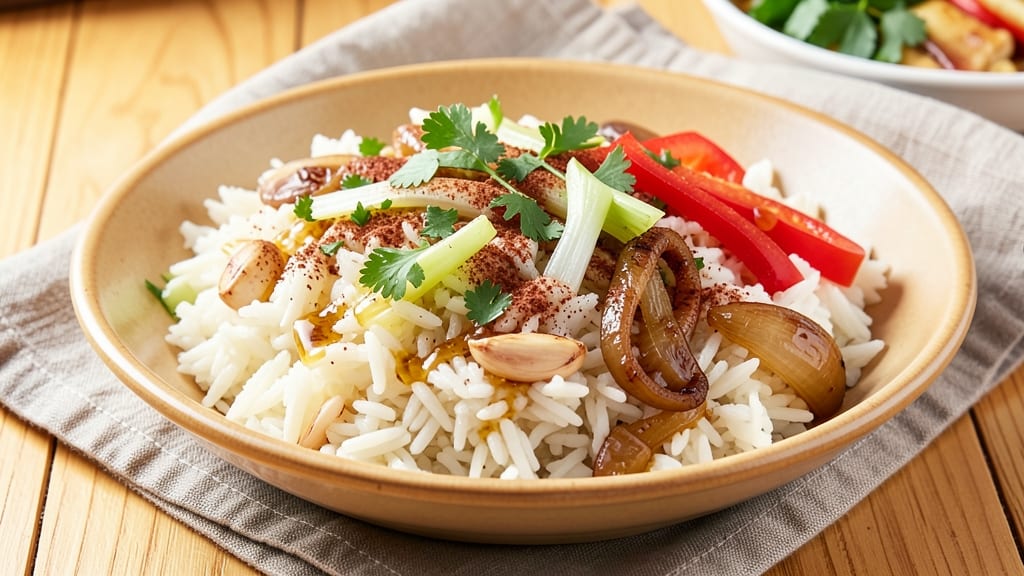
This one-pot Cajun white rice transforms a simple side into a bold, aromatic centerpiece that absorbs smoky paprika and zesty cayenne like a flavor sponge.
The secret lies in toasting the celery crown first—its crisp edges and nutty aroma become the foundation for the dish, while the rice cooks in a rich blend of broth and Cajun seasoning until tender and perfectly seasoned.
What sets this recipe apart is the balance: the rice stays fluffy and separate, never mushy, while the spices infuse deeply without overpowering. A pat of butter at the end adds richness, and the toasted celery crown on top delivers that signature Cajun crunch.
Ready in just 30 minutes, this dish delivers restaurant-quality flavor with minimal cleanup—ideal for weeknight dinners or holiday feasts.
Ingredients for cajun white rice
This one-pot Cajun white rice recipe delivers bold, aromatic flavor through precise ingredient selection and technique.
| Ingredient | Amount | Notes |
|---|---|---|
| Long-Grain White Rice 🍚 | 1 ½ cups | Uncooked, rinsed thoroughly |
| Celery Stalks 🧅 | 3 whole | Organic preferred, cut into 1-inch pieces |
| Yellow Onion 🧅 | 1 whole | Yellow or white, diced small |
| Garlic Cloves 🧄 | 4 cloves | Fresh, minced finely |
| Cajun Seasoning 🌶️ | 2 tbsp | Homemade or store-bought blend |
| Smoked Paprika 🌶️ | 1 tsp | For authentic smoky depth |
| Dried Thyme 🌿 | 1 tsp | Or 0.25 cup fresh thyme leaves |
| Chicken Broth 💧 | 2 cups | Low-sodium preferred, homemade or high-quality |
| Unsalted Butter 🧈 | 2 tbsp | Cold, cubed for finishing |
| Cayenne Pepper 🔥 | ½ tsp | Adjust for heat preference |
| Diamond Crystal Kosher Salt 🧂 | 1 ½ tsp | For seasoning, to taste |
| Fresh Parsley 🌿 | ¼ cup | Chopped, for garnish |
The celery crown is non-negotiable—organic celery from Whole Foods or your local farmers' market delivers the crispest texture and most intense flavor. Look for stalks that are vibrant green with tight leaves, avoiding any with wilted or yellowed sections. The onion and garlic should be fresh, with no signs of sprouting. For the Cajun seasoning, Tony Chachere's is a reliable store-bought option, but making your own blend ensures you control the heat level. If toasting the celery seems tedious, pre-chop everything before starting—it makes the process smoother and prevents flavor loss from prolonged exposure to heat.
No Cajun seasoning on hand? Substitute 1 tbsp smoked paprika, 1 tsp garlic powder, 1 tsp onion powder, 0.5 tsp dried oregano, and 0.25 tsp cayenne for a homemade version. Fresh thyme is ideal, but dried at one-third the amount works in a pinch. For the broth, low-sodium options like Swanson or homemade prevent over-salting the dish. The parsley is purely decorative, but if you're out, fresh basil or chives add a nice contrast. Always taste the broth before adding rice—adjust salt to preference, as the Cajun seasoning already packs a punch.
This rice reheats beautifully—simply cover with a damp paper towel and microwave for 2 minutes, then fluff with a fork. For best texture, store in an airtight container for up to 5 days, though the flavors deepen overnight. The celery crown can be toasted ahead and stored in the fridge for 3 days, making prep easier on busy days. To freeze, portion into single servings and freeze for up to 3 months. When reheating from frozen, add 1 tablespoon of broth to prevent drying. The butter should be added at the very end—never melt it into the rice, as this can make it greasy.
Why You'll Love This Recipe
- Here’s what sold me: the Cajun seasoning does all the work. No need to balance flavors—just a pinch of that smoky, zesty mix and suddenly your rice tastes like it’s from a Louisiana roadside diner. The garlic? It caramelizes just enough to make every bite irresistible.
- One-Pot Magic: I swear by this recipe because it’s actually one-pot—no rice cooker, no extra bowls. Just toss the rice, chopped veggies (celery and onion, nothing fancy), garlic, and seasoning into a pot, add water, and let it simmer. Twenty minutes later, you’ve got a dish that feels like a full meal.
- Spice Without Stress: Here’s what sold me: the Cajun seasoning does all the work. No need to balance flavors—just a pinch of that smoky, zesty mix and suddenly your rice tastes like it’s from a Louisiana roadside diner. The garlic? It caramelizes just enough to make every bite irresistible.
- Meal Prep MVP: Between us, this is my go-to for lunches all week. Cook a big batch, and it reheats like a dream—no mushy rice, no sad leftovers. I pack it with grilled chicken or black beans, and suddenly I’ve got a week’s worth of easy, satisfying meals without any extra effort.
Step-by-step instructions for Cajun white rice
Master this one-pot technique for perfectly infused, toasted celery crown rice every time.
Prepare the Celery Crown and Aromatics
Begin by cutting the 3 whole celery stalks into 1-inch pieces—this creates the signature celery crown texture. Set aside 1 tablespoon of these pieces for garnish later. In a large, heavy-bottomed pot with a tight-fitting lid, melt the 2 tablespoons unsalted butter over medium heat. Add the remaining celery pieces, 1 whole yellow onion diced small, and 4 cloves garlic cloves minced finely.
Cook the vegetables for 5-6 minutes, stirring occasionally, until the celery softens slightly and the onion becomes translucent. This step develops the foundational flavors while preventing the rice from sticking to the bottom. The butter should foam and then settle into a light golden color—this indicates it's ready for the next ingredients. If you notice the butter browning too quickly, reduce the heat slightly to maintain even cooking.
Toast the Spices and Add the Rice
Add the 2 tablespoons Cajun seasoning, 1 teaspoon smoked paprika, 1 teaspoon dried thyme, 0.5 teaspoon cayenne pepper, and 1.5 teaspoons diamond crystal kosher salt to the pot. Stir vigorously for 1-2 minutes until the spices become fragrant and the butter takes on a rich, toasted aroma. This step infuses the butter with deep, smoky flavors that will carry through the entire dish.
Next, add the 1.5 cups long-grain white rice, stirring to coat each grain evenly with the spiced butter. The rice should look dry but well-coated. Cook for an additional 2 minutes, stirring constantly, until the rice grains begin to turn opaque at the edges. This brief toasting enhances the nutty flavor of the rice and prevents a gummy texture. If the rice starts to brown too quickly, reduce the heat to medium-low to maintain even cooking.
Deglaze and Simmer the Rice
Pour in the 2 cups chicken broth, stirring once to distribute it evenly. Bring the mixture to a gentle boil, then immediately reduce the heat to low and cover the pot with the lid. The goal is to maintain a barely simmering state—you should see just a few bubbles at the edges, not a vigorous boil. This controlled simmer ensures the rice absorbs the liquid evenly without becoming mushy.
Let the rice cook undisturbed for 15 minutes. Avoid peeking or stirring, as this disrupts the even cooking process. After 15 minutes, check the rice by inserting a fork into the center. If the grains are still slightly firm but the liquid has been absorbed, proceed to the next step. If the rice appears undercooked, cover and cook for an additional 5 minutes. If it's overcooked, the rice will be mushy and lack the desired texture.
Rest and Garnish for Perfect Texture
Once the rice is tender but still slightly firm to the touch, remove the pot from the heat and let it rest, covered, for 5 minutes. This resting period allows the residual heat to finish cooking the rice and redistribute the moisture evenly. During this time, transfer the reserved 1 tablespoon celery pieces and 0.25 cup fresh parsley to a small bowl and chop them finely for garnish.
After resting, fluff the rice gently with a fork, being careful not to mash the grains. The rice should be tender but still hold its shape, with a slight bite at the center. Transfer the rice to a serving dish and garnish with the chopped celery and parsley. The celery crown adds a pop of color and freshness, while the parsley brightens the dish with a touch of brightness. Serve immediately, as the flavors and textures are best enjoyed fresh from the pot.
Pro Tips For Making Cajun White Rice
- SOFTEN THE CELERY FIRST: I learned this the hard way—chopping celery raw makes it release bitter water instead of sweet flavor. Give those stalks a quick 2-minute blanch in boiling water, then shock in ice. The texture stays crisp, and the flavor integrates smoother into the rice.
- SWEAT THE AROMATICS LOW: After burning three batches, I finally figured out: the onion, celery, and garlic need gentle heat. Cook them at medium-low for 5-7 minutes until the onion is translucent but not browned—otherwise, you’ll taste bitterness instead of depth. (Yes, even if you’re impatient like me.)
- SALT THE RICE WATER: Skip the salt in the Cajun seasoning for the water—add 1 teaspoon of plain salt per 2 cups of liquid. The seasoning’s got enough paprika and cayenne; you want the rice to absorb flavor evenly, not turn into a spicy broth.
- TOAST THE RICE BRIEFLY: Sounds weird, but it works: After draining the rice, spread it in the pot over medium heat for 30 seconds. The grains turn slightly opaque—this locks in starch and gives each bite a firmer texture. (Your future self will thank you.)
Essential equipment for this recipe
Heavy-Bottomed Pot
Invest in a large, heavy-bottomed pot with a tight-fitting lid—this is non-negotiable for even heat distribution. I swear by All-Clad’s 5-quart stainless steel pot for its durability and even cooking. The weight helps maintain consistent temperatures, preventing hot spots that can burn your rice.
If you're on a budget, Calphalon’s 4-quart pot is a great alternative. Avoid thin, lightweight pots—they cause uneven cooking and stickiness. 🔥
Wooden Spoon
A wooden spoon is essential for stirring and fluffing without scratching your pot. I prefer Oxo’s Good Grips wooden spoon because it’s heat-resistant and has a comfortable handle. Avoid metal spoons—they can react with acidic ingredients or scratch the pot’s surface.
Keep one dedicated to rice cooking to prevent flavor cross-contamination from other dishes. A sturdy spoon also helps scrape up any stuck bits during the deglazing step.
Fine-Mesh Strainer
Rinsing your rice thoroughly before cooking removes excess starch, which prevents gummy texture. A fine-mesh strainer like OXO’s Good Grips makes this step effortless. Place the rice in the strainer and rinse under cold water until the water runs clear.
This simple step is often overlooked but makes a huge difference in texture. For extra convenience, I keep a strainer in the sink for quick rinsing. 💫
Digital Thermometer
While not mandatory, a digital thermometer helps perfect your rice every time. I use a Thermoworks ThermoPop to check the internal temperature of the rice—ideal doneness is 205-210°F. This ensures your rice is fully cooked but still fluffy.
For a budget-friendly option, Kizen’s digital thermometer works well. It’s especially useful if you’re new to rice cooking or dealing with high-altitude adjustments.
Sharp Chef’s Knife
A sharp chef’s knife is crucial for dicing onions and mincing garlic efficiently. I recommend Shun Premier’s 8-inch knife for its precision and durability. Properly chopped aromatics ensure even cooking and better flavor distribution.
If you’re not confident with knives, Wüsthof’s Ikon is a great mid-range option. Always keep your knife sharp—dull blades crush garlic and onions, releasing bitter compounds that ruin the dish. 💪
Nutrition facts
Frequently asked questions
Can I substitute long-grain white rice with another type?
While long-grain white rice is ideal for this recipe, you can use jasmine rice or basmati rice for similar texture. Avoid short-grain varieties like sushi rice—they'll become too sticky. For a nutty flavor, try brown rice, but increase cooking time to 20-25 minutes and use 2.5 cups liquid per 1.5 cups rice.
How do I adjust this recipe for high altitude?
At elevations above 3,500 feet, add 1-2 tablespoons extra broth and reduce cooking time by 5 minutes. For every 1,000 feet above 5,000 feet, reduce liquid by 1 tablespoon. Always check doneness at 12-13 minutes—high altitude rice cooks faster. A digital thermometer helps ensure perfect 205-210°F internal temperature.
Can I make this recipe vegetarian?
Replace the chicken broth with vegetable broth and use vegetable butter instead of regular butter. For extra umami, add 1 teaspoon soy sauce or 1/2 teaspoon liquid smoke to the spice blend. The celery crown and Cajun seasoning keep the dish hearty and flavorful without meat.
Why does my Cajun rice turn out mushy?
Mushy rice usually happens from overcooking or stirring too much. Always use 1:1 rice-to-liquid ratio (here it's 1.5 cups rice : 2 cups broth) and avoid peeking under the lid. If your rice sticks to the pot, your heat is too high—reduce to low after boiling. Let it rest 5 minutes covered before fluffing. For extra insurance, use 1/4 cup less liquid if your pot isn't heavy-bottomed.
How can I make this dish spicier?
Boost the heat by adding 1/2-1 teaspoon extra cayenne pepper during the spice toast. For depth, include 1/4 teaspoon ground cloves or 1/2 teaspoon crushed red pepper flakes. If you love smoky heat, add 1/2 teaspoon chipotle powder to the Cajun seasoning blend. Always taste the spices before adding rice—you can adjust heat at any point, but you can't remove it later!