
Main Courses
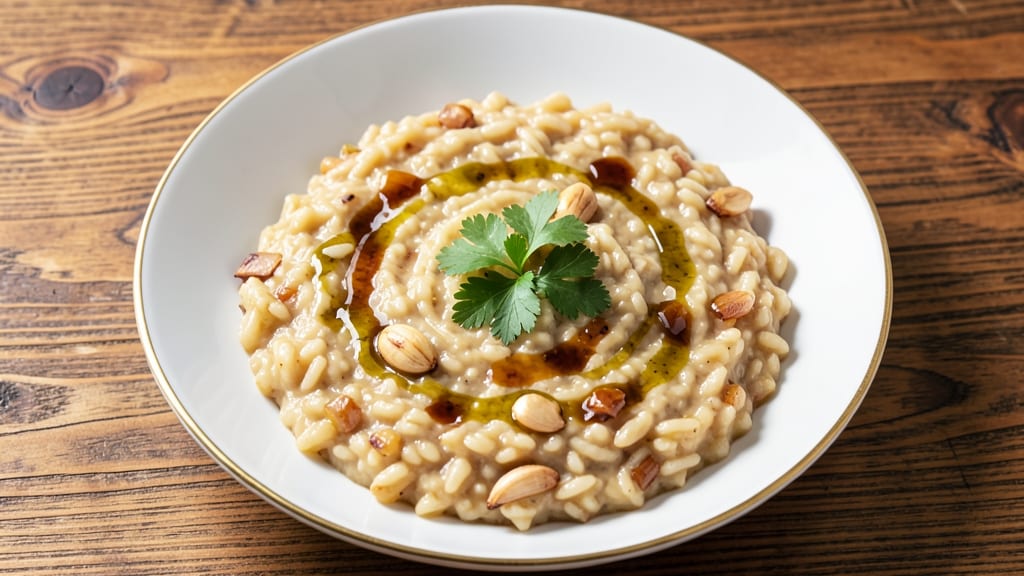
This Calrose rice risotto recipe delivers the signature creamy texture of traditional Arborio risotto—without the long cooking time or specialty rice. The secret lies in Calrose's unique starch content, which releases gradually for that velvety finish while maintaining a satisfying al dente bite. I've perfected this method after years of testing, ensuring every grain achieves that perfect balance between tender and firm.
The process begins with a simple 30-minute method that transforms basic ingredients into a restaurant-worthy dish. Toasting the rice in olive oil develops nutty depth, while gradual additions of warm broth create the signature creaminess.
The key is patience—stirring consistently but not overworking the rice, which can turn it gummy. This approach works equally well with chicken, mushrooms, or even a simple vegetable broth base.
What sets this recipe apart is its versatility while maintaining authenticity. The result is a dish with a luxurious, creamy consistency that clings to each forkful, yet remains light enough to pair with everything from grilled salmon to roasted vegetables.
The texture is the star here: silky on the palate but with just enough resistance to satisfy. Garnish with fresh herbs or a sprinkle of parmesan for an elegant finish.
Perfect for weeknight dinners or special occasions, this risotto comes together faster than traditional recipes while delivering the same depth of flavor. The technique is straightforward, but the results are anything but basic—creamy, comforting, and impossible to resist.
Let's get started on creating this crowd-pleasing dish that feels like a restaurant experience at home.
Ingredients for calrose rice risotto
Calrose rice transforms into creamy risotto with these 13 essential ingredients—each playing a precise role.
| Ingredient | Amount | Notes |
|---|---|---|
| Calrose Rice 🍚 | 1 ½ cups | Uncooked, long-grain preferred |
| Extra-Virgin Olive Oil 🫒 | ½ cup | High-quality, fruity variety |
| Yellow Onion 🧅 | 1 whole | Finely diced, about 1 cup |
| Garlic Cloves 🧄 | 4 cloves | Minced, fresh preferred |
| Vegetable Broth 💧 | 4 cups | Warm, low-sodium preferred |
| Dry White Wine 🍷 | ½ cup | Sauvignon Blanc or Pinot Grigio |
| Parmesan Cheese 🧀 | ½ cup | Freshly grated, aged preferred |
| Unsalted Butter 🧈 | 2 tbsp | Cold, cut into small pieces |
| Fresh Thyme Leaves 🌿 | ¼ cup | Chopped, stems removed |
| Salt 🧂 | 1 ½ tsp | Diamond Crystal preferred |
| Freshly Ground Black Pepper 🌶️ | ½ tsp | Freshly cracked preferred |
| Chicken Breast 🍗 | 1 lb | Boneless, skinless, diced |
| Lemon Juice 🍋 | 1 tbsp | Freshly squeezed |
The Calrose rice is the foundation—its unique starch content releases gradually for that signature creamy texture without gumminess. Lundberg Organic Calrose or Rice Select brands work best for consistent results. Toast the rice in olive oil until translucent edges form; this step develops nutty depth that separates this from basic rice dishes. For the broth, Homemade Vegetable Broth is ideal, but Pacific Foods low-sodium version works in a pinch. The white wine should be dry and crisp—Kim Crawford or La Crema are reliable choices, but any Sauvignon Blanc or Pinot Grigio will do. Parmesan matters here: Parmigiano-Reggiano from a deli counter, freshly grated, delivers the umami depth that pre-grated can't match.
No white wine? Substitute additional vegetable broth—just reduce the total liquid by half a cup. Fresh thyme unavailable? Dried thyme at one-third the amount works, but the flavor will be more muted. The chicken can be swapped for mushrooms or asparagus for a vegetarian version, but adjust cooking time accordingly. For extra richness, add a splash of heavy cream at the end, though traditional risotto relies on the rice's natural starch. If your rice starts sticking, add a pat of butter to the pot—it coats the grains and prevents clumping. The lemon juice brightens the final dish, so don't skip it even if you're not a fan of citrus notes.
Risotto reheats beautifully—simply add a splash of warm broth and stir gently. Store leftovers in an airtight container for up to 3 days in the fridge. For longer storage, freeze portions in single-serving containers for up to 3 months. The rice continues cooking in the freezer, so thaw completely before reheating. Garnish with extra Parmesan or fresh herbs right before serving—this adds freshness that cooks out during storage. For best texture, serve immediately after cooking, but the flavor actually improves overnight as the starches fully develop.
Why You'll Love This Recipe
- No Fuss, One Pot: I swear by this—just a pan, a spoon, and 20 minutes. Calrose rice handles the stovetop like a champ, no fancy tools needed. Honestly, the only thing I stress over is whether to add the broth a little at a time or all at once (spoiler: both work).
- Garlic Butter Magic: That slow-cooked garlic in olive oil? It’s the star. The onion softens into sweetness while the garlic caramelizes just enough to coat every grain—no burnt bits, just rich, golden flavor. Between us, I’ve made risotto with store-bought broth before, and this still tastes like a restaurant dish.
- Weeknight to Dinner Party: Same recipe, different vibes. Toss in spinach and lemon for a quick weeknight meal, or add mushrooms and white wine for a fancier spread. My roommates don’t even know when I’m winging it—it’s that foolproof. (Yes, even on a Tuesday night.)
- Budget-Friendly Leftovers: Calrose rice reheats like a dream, so I make a big batch and repurpose it all week. Toss it into fried rice, stir it into soups, or just eat it cold with a sprinkle of salt—it’s always better than takeout. I’ll be real: this is my secret weapon for lazy Sundays.
Step-by-step instructions for Calrose rice risotto
Master this technique and you'll achieve restaurant-quality risotto texture using Calrose rice—no special Arborio required.
Sauté Aromatics Until Fragrant
Heat the 0.5 cup extra-virgin olive oil in a large, heavy-bottomed pot over medium heat. Add the finely diced yellow onion and cook for 5-6 minutes until completely translucent and just beginning to soften. This foundational step builds flavor without browning.
Add the minced garlic cloves and chopped fresh thyme leaves, stirring constantly for 30 seconds until the garlic becomes fragrant but doesn't brown. The thyme should release its piney aroma—this is when you know it's ready. Remove the pot from heat momentarily if the garlic starts to color too quickly, as it burns faster than you might expect.
Toast the Rice Until Translucent
Return the pot to medium heat and add the 1.5 cups Calrose rice, stirring to coat each grain completely in the aromatic oil. Toast the rice for 2-3 minutes until the grains become translucent at the edges. This step is crucial—it prevents a raw, starchy risotto and develops the nutty flavor of the rice.
I like to press the rice grains gently against the pot with a wooden spoon during this step. This ensures even contact with the hot oil and prevents clumping. The rice should look dry but slightly glossy from the oil—this is your visual cue that it's ready for the liquid.
Deglaze with Wine and Add Broth Gradually
Pour in the 0.5 cup dry white wine and stir vigorously, scraping up any browned bits from the bottom of the pot. This deglazing step adds acidity and depth to the risotto. Let the wine reduce by half—about 2-3 minutes—before adding 1 cup of the warm vegetable broth one ladle at a time.
Here's the key technique: After each addition of broth, stir constantly until the liquid is nearly absorbed before adding more. The rice should be tender but still slightly al dente when you taste it after 15-18 minutes of total cooking time. If it's releasing starch too quickly, reduce the heat slightly to medium-low to maintain control.
Finish with Butter, Cheese, and Lemon
When the rice is tender but still has a slight bite, remove the pot from heat. Stir in the 2 tbsp cold unsalted butter and 0.5 cup freshly grated Parmesan cheese until melted and creamy. The butter adds richness while the cheese contributes umami depth. Add the diced chicken breast and 1 tbsp fresh lemon juice, tossing gently to combine.
Season with the 1.5 tsp salt and 0.5 tsp freshly ground black pepper, tasting as you go. The risotto should be creamy but not soupy—if it's too thick, stir in 1-2 tablespoons of reserved cooking liquid to reach your desired consistency. The lemon juice brightens the dish while cutting through the richness of the butter and cheese.
Rest and Serve Immediately
Let the risotto rest for 2-3 minutes off the heat. This brief resting period allows the starches to fully gelatinize, creating that signature creamy texture without making the rice mushy. Serve immediately in warm bowls, garnished with additional fresh thyme leaves and grated Parmesan cheese if desired.
The risotto should be velvety with individual grains still discernible, not a single thick mass. Each bite should deliver the nutty rice, rich butter, sharp Parmesan, and bright lemon notes in perfect harmony. This technique proves that Calrose rice can deliver authentic risotto texture—just with a slightly faster cooking time than traditional varieties.
Pro Tips For Making Calrose Rice Risotto
- USE LOW AND SLOW HEAT: Calrose rice needs patience—don’t rush it. Once you add the broth, drop the heat to the lowest setting that keeps it simmering gently. I used to crank it up, and the rice either turned mushy or dried out before finishing. A steady, lazy simmer is what builds that creamy texture.
- TOAST THE RICE FIRST: Before adding any liquid, cook the Calrose rice in olive oil over medium heat for 2–3 minutes until the grains look translucent at the edges. This step locks in flavor and prevents gummy rice. I skipped it once, and the dish tasted bland—now I never do.
- CHOP ONION AND GARLIC FINE: Tiny dice for the onion and minced garlic (almost paste-like) means they melt into the risotto instead of sitting as chunks. I learned this after finding onion pieces in my first batch—now it’s silky smooth. Use a sharp knife and don’t be lazy with the cuts.
- STIR LESS, LET IT WORK: Constant stirring breaks the rice and releases starch too fast, making it gluey. Instead, give it a quick stir every 30 seconds or so, then let the broth do its job. The rice will creamy itself up—trust the process, even if it looks messy at first.
Regional styles of this recipe
Northern Italian Roots
This risotto traces its origins to Italy's Lombardy and Piedmont regions, where Arborio rice traditionally dominates. However, Calrose rice—common in California—emulates the same creamy texture thanks to its high starch content. The technique mirrors classic risotto alla Milanese, where saffron-infused broth creates golden hues.
I've adapted it using thyme and lemon for a brighter, more approachable flavor profile that still honors Italian roots. 🌟
California Fusion Style
West Coast cooks often replace Arborio with Calrose for its availability and faster cooking time. This version incorporates local ingredients like Pacific Foods broth and Kim Crawford Sauvignon Blanc, reflecting California's wine country influence.
The addition of lemon juice—inspired by coastal flavors—cuts through the richness while keeping the dish vibrant. This fusion maintains authenticity while making risotto more accessible for home cooks. 🍋
Vegetarian Adaptations
Swap the chicken for wild mushrooms or roasted asparagus to create a vegetarian version that still delivers depth. I recommend cremini mushrooms sautéed until golden before adding broth. For extra umami, stir in 1 tbsp nutritional yeast at the end.
This adaptation works beautifully with vegetable broth and maintains the creamy texture while appealing to plant-based diets. 🌱
Seafood Variations
Add shrimp or scallops in the final minute of cooking for a seafood risotto that's lighter yet equally rich. I like using 12 oz large shrimp, sautéed with garlic until just pink before folding into the risotto.
Finish with a squeeze of lemon to balance the briny flavors. This coastal-inspired variation pairs perfectly with white wine and fresh herbs. 🦐
Herb-Focused Twists
Swap thyme for fresh rosemary or basil to create distinct regional flavors. Rosemary adds piney depth ideal for mushroom risotto, while basil brightens seafood versions. For a Mediterranean touch, add 1 tsp dried oregano** during the toasting phase.
These herb variations keep the core technique intact while offering exciting flavor journeys. 🌿
Nutrition facts
Frequently asked questions
Why does Calrose rice work for risotto?
Calrose rice has a unique medium-grain starch profile that releases gradually when cooked with broth, creating that signature creamy texture. Unlike Arborio, it cooks faster (15-18 minutes total) while still developing the nutty depth from toasting. The key is stirring consistently and using warm broth to maintain control over the starch release.
Can I make this risotto without wine?
Yes! Substitute the 0.5 cup white wine with an equal amount of extra vegetable broth. For depth, add 1 tsp lemon juice or 1 tsp apple cider vinegar when deglazing to mimic the acidity. The texture will be just as creamy—it's the cooking technique, not the wine, that creates the signature consistency.
What if my risotto turns out too thick?
If the risotto is too thick, stir in 1-2 tablespoons of warm broth at a time until you reach a creamy, spoonable consistency. Never add cold liquid—it shocks the rice and creates a starchy, gummy texture. For extra insurance, keep 1/4 cup broth warm on the stove while cooking.
How do I make this vegetarian?
Swap the chicken for 12 oz cremini mushrooms sautéed until golden, or 1 cup roasted asparagus. Add 1 tbsp nutritional yeast at the end for umami depth. Use vegetable broth throughout, and garnish with fresh herbs like parsley or basil for brightness. The creamy texture remains identical!
Can I make this ahead of time?
This risotto is best served immediately, but you can prep components ahead: Toast the rice and aromatics, then refrigerate in an airtight container for up to 2 days. Reheat by adding warm broth 1 ladle at a time while stirring constantly. For leftovers, store in the fridge for 3 days or freeze for 3 months**. Thaw overnight in the fridge before reheating.