
Main Courses
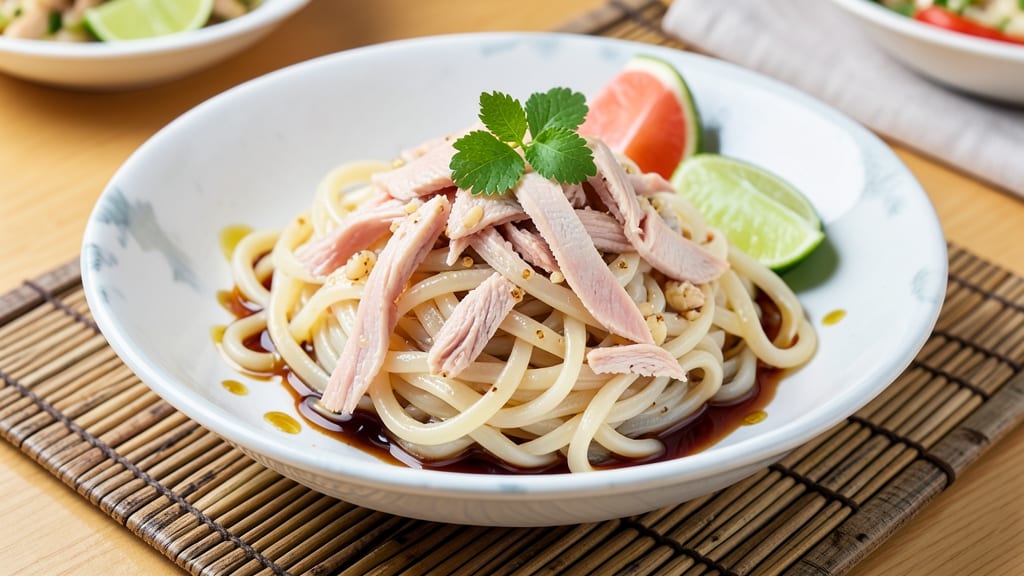
This canned tuna rice noodle recipe transforms pantry staples into a restaurant-worthy meal in just 15 minutes. The secret lies in balancing the rich umami of tuna with bright, aromatic flavors like soy sauce and lime, creating a dish that's both satisfying and quick.
I developed this recipe during a busy week when I needed a protein-packed meal that didn't require multiple pots or complicated techniques.
What makes this dish truly versatile is its ability to adapt to any occasion—serve it warm with a sprinkle of chili flakes for a spicy kick or chill it for a refreshing cold salad.
The combination of tender rice noodles, flaky tuna, and a zesty dressing makes this a perfect option for pescatarians or anyone looking for a gluten-free meal. Garnish with fresh herbs or lime wedges to elevate the flavors even further.
Ingredients for canned tuna rice noodles
Pantry staples meet fresh flavors in this quick, protein-packed one-pan meal.
| Ingredient | Amount | Notes |
|---|---|---|
| Rice Noodles 🍜 | 8 oz | Thin or medium width preferred |
| Canned Tuna in Water 🐟 | 2 cans | High-quality, drained well |
| Soy Sauce 🍶 | 3 tbsp | Low-sodium preferred |
| Lime Juice 🍋 | 2 tbsp | Freshly squeezed |
| Sesame Oil 🫒 | 1 tbsp | Toasted for aroma |
| Garlic Cloves 🧄 | 3 cloves | Minced for depth |
| Fresh Ginger 🌿 | 1 tbsp | Grated, fresh preferred |
| Vegetable Oil 🫒 | 1 tbsp | For cooking noodles |
| Red Chili Flakes 🌶️ | ½ tsp | Adjust for heat preference |
| Green Onions 🧅 | 3 whole | Thinly sliced, for garnish |
| Fresh Cilantro 🌿 | ¼ cup | Chopped, for garnish |
| Salt 🧂 | ½ tsp | Kosher or sea salt |
| Black Pepper 🌶️ | ¼ tsp | Freshly ground |
| Lime Zest 🍋 | 1 tsp | For bright finish |
The rice noodles are the base, so grab the thin or medium width variety—they cook faster and soak up flavors better. Thai Kitchen or Lotus Foods brands are reliable for consistent texture. Fresh ginger and garlic are non-negotiable here—they bring the aromatic depth that separates this from basic tuna salad. If you're short on time, pre-minced garlic from a jar works in a pinch, but fresh is always better. The canned tuna should be high-quality (like Wild Planet or StarKist in water)—avoid the oil-packed kind unless you're okay with extra fat.
No sesame oil? Toasted sesame seeds at half the amount add a similar nutty note. Short on lime juice? Lemon juice works too, but lime's brightness is key here. The green onions and cilantro are purely for garnish, so use whatever you have—baby spinach or Thai basil could even substitute if you're feeling adventurous. For extra umami, add a dash of fish sauce (like Red Boat) to the soy sauce mix. And if you're not a fan of spice, skip the chili flakes entirely—this dish still shines without them.
Cooked noodles keep well in the fridge for 3-4 days, but the tuna and lime dressing are best used within 2 days for peak freshness. Store components separately to prevent sogginess. For meal prep, assemble the dish just before serving—this keeps the noodles from getting mushy. The flavors actually improve overnight, so make extra and save leftovers for lunch the next day. Freezing isn't recommended due to the noodles' texture, but you can freeze the dressing separately for up to 3 months.
Why You'll Love This Recipe
- Pantry-to-Plate Magic: I swear by this one—no shopping lists, no last-minute grocery runs. Just noodles, a can of tuna, and a few pantry staples. The lime juice and sesame oil do all the heavy lifting, so you’re basically a flavor alchemist with zero effort.
- Umami Bomb: That salty-sweet soy sauce and tuna combo? It’s like a hug in a bowl. The sesame oil adds this nutty depth that makes it taste way more restaurant-worthy than it actually is. Honestly, I’ve sent this to friends and they’ve asked for the recipe—no joke.
- Lunchbox Hero: Between us, this is my go-to for meal prep. Pack it cold or reheat it—it handles both like a champ. My kids take it to school (yes, even the picky eater), and my coworker’s been begging for the recipe after I brought it to the office. Zero complaints, all satisfaction.
- Budget Win: I make this when the grocery budget’s tight, but it never feels like I’m cutting corners. A single can of tuna stretches across two meals, and the noodles? Cheap as dirt. It’s the kind of dish that proves you don’t need fancy ingredients to make something that feels like a treat.
Step-by-step instructions for canned tuna rice noodles
This umami-packed meal comes together faster than you can say "one-pan wonder."
Prepare the Aromatic Base
Heat the 1 tablespoon vegetable oil in a large skillet or wok over medium-high heat until shimmering. Add the 3 cloves minced garlic cloves and 1 tablespoon grated fresh ginger—cook for 30-45 seconds until fragrant but not browned. This quick cooking preserves their bright flavors while preventing bitterness.
Immediately stir in the 0.5 teaspoon red chili flakes and 0.5 teaspoon salt, letting them toast for 10 seconds until you smell their aromatic oils release. This step builds the flavor foundation—don't skip it. The chili flakes will add subtle heat that balances the dish's richness.
Cook the Noodles Al Dente
Add the 8 ounces rice noodles to the skillet and toss gently to coat in the aromatic oil mixture. Pour in 1 cup hot water (just boiled) and stir immediately to distribute evenly. Cover the skillet and cook for 3-4 minutes until the noodles are tender but still hold their shape—this prevents mushiness.
Here's the thing—rice noodles cook faster than you think. Check for doneness by tasting a strand: it should be soft but still offer slight resistance. If you see any dry spots, add 1-2 tablespoons more hot water and cook another 30 seconds uncovered. The noodles should absorb all the liquid by the end.
Incorporate the Tuna and Seasonings
Drain the 2 cans canned tuna in water, reserving 2 tablespoons of the liquid for moisture. Add the tuna to the skillet with the noodles and stir vigorously for 1 minute to distribute evenly. The tuna will break apart slightly, creating a creamy texture that coats every noodle.
Pour in the 3 tablespoons soy sauce and 2 tablespoons lime juice, stirring continuously. Add the 1 tablespoon sesame oil last—this adds nutty depth and helps bind everything together. The mixture should look glossy and well-combined, with the noodles fully coated in the umami-rich sauce.
Finish with Bright Aromatics
Remove the skillet from heat and stir in the 1 teaspoon lime zest and 0.25 teaspoon black pepper. The lime zest adds a citrusy pop that cuts through the richness of the tuna and soy sauce. Sprinkle with the 0.25 cup chopped fresh cilantro and 3 thinly sliced whole green onions, reserving some for garnish.
Let the dish rest for 1-2 minutes off heat—this allows the flavors to meld. The noodles will absorb any remaining sauce, resulting in a perfectly balanced texture. Taste and adjust seasoning if needed, adding a splash more lime juice or a pinch of salt as required.
Serve Immediately with Fresh Garnishes
Divide the noodles among 4 serving plates, topping each with additional thinly sliced green onions and chopped fresh cilantro. The fresh garnishes add vibrant color and a bright contrast to the rich tuna and noodles. Serve while hot for the best texture and flavor experience.
This dish delivers bold umami flavors with minimal effort—ideal for busy weeknights. The combination of garlic, ginger, lime, and sesame oil creates a complex flavor profile that elevates simple canned tuna into something restaurant-worthy. Enjoy immediately while the noodles are still tender and the aromatics are fresh.
Pro Tips For Making Canned Tuna Rice Noodles
- SOAK NOODLES SEPARATELY: I learned this the hard way—dumping dry rice noodles straight into boiling water makes them clump like glue. Instead, break them into bite-sized pieces first, then soak in warm (not boiling) water for 3-5 minutes. They’ll soften evenly without turning into one sad, sticky mass.
- DRAIN TUNA WELL: That watery can of tuna? Don’t just shake it out. Drain it, then rinse the flakes under cold water to wash off the last bit of brine. Trust me, your noodles won’t taste like a salty science experiment if you take 10 seconds to do this.
- STOP AT AL DENTE: Rice noodles cook faster than you think—usually 2-3 minutes in boiling water. Pull them out the second they’re tender but still have a hint of bite. Overcooking turns them mushy, and no one wants sad, limp noodles drowning in sauce.
- FINISH WITH SESAME OIL LAST: Sounds weird, but it works: Toss your drained noodles with soy sauce and lime juice first, then drizzle the sesame oil after everything’s mixed. If you add it early, the heat burns off its nutty aroma—you’ll end up with a dish that smells like nothing special.
Creative variations of canned tuna rice noodles
Spicy Thai Fusion
Transform your dish into a Thai-inspired bowl by adding 1 tbsp fish sauce (like Red Boat) and 1 tsp palm sugar to the sauce mixture. Stir in 1 tbsp chopped Thai basil instead of cilantro, and top with crushed peanuts and sliced red chili for crunch and heat.
Serve with a lime wedge on the side for squeezing—this version tastes like a lighter take on pad thai! 🌶️
Mediterranean Twist
Swap the sesame oil for 1 tbsp extra-virgin olive oil and replace lime with lemon juice. Add ½ cup diced cucumber and ¼ cup chopped kalamata olives to the noodles, then finish with feta cheese crumbles and dried oregano.
This version works perfectly as a cold salad—pack it for lunch with a side of warm pita bread. 🥗
Umami Bomb with Mushrooms
Sauté 1 cup sliced shiitake mushrooms with the garlic and ginger for extra depth. Add 1 tsp soy sauce to the mushrooms before mixing with the noodles. Top with toasted sesame seeds and thinly sliced scallions for a Japanese-inspired flavor profile.
The mushrooms add a meaty texture that makes this dish even more satisfying. 🍄
Cold Noodle Salad
Let the noodles cool completely before assembling, then chill for 30 minutes in the fridge. Toss with 1 tbsp rice vinegar and 1 tsp honey for a sweet-tangy dressing.
Garnish with mandarin orange segments and crushed pistachios for a refreshing summer dish. This works as a make-ahead meal—just add the tuna fresh before serving. ❄️
Breakfast Wrap Adaptation
Spread the noodle mixture on a low-carb tortilla or rice paper wrap with a fried egg on top. Add avocado slices and hot sauce for a protein-packed breakfast.
Roll tightly and serve with a side of sriracha mayo for dipping. This version turns your lunch into a hearty morning meal in minutes! 🍳
Kid-Friendly Version
Skip the chili flakes and add 1 tbsp sweet teriyaki sauce instead of soy sauce. Mix in ½ cup finely diced bell peppers and ¼ cup shredded carrots for color.
Top with crushed potato chips (like Lay's) for a fun crunch. Kids love the familiar flavors, and parents get a healthy, protein-rich meal. 🧒
Nutrition facts
Frequently asked questions
Can I use oil-packed tuna instead of water-packed?
Yes, but drain it very thoroughly and reduce the sesame oil to ½ tablespoon to avoid excess fat. The oil-packed version adds richness, so you might want to cut back on the soy sauce slightly (2 tablespoons instead of 3) to balance flavors.
How do I prevent the noodles from getting mushy?
Cook the noodles in batches if needed, and always use hot water (not cold) to hydrate them. Remove from heat as soon as they're tender but still firm to the bite—usually 3-4 minutes. Stirring constantly while cooking also helps maintain texture.
Can I make this dish ahead of time?
Prepare the noodles and sauce separately, then store them in airtight containers in the fridge for up to 2 days. Reheat the noodles gently in a pan with a splash of water, then mix with the cold sauce and fresh tuna just before serving. This keeps everything fresh and prevents sogginess.
What's the best way to add extra protein?
Try adding ½ cup cooked quinoa or ½ cup diced hard-boiled eggs for extra protein. For a meaty texture, stir in ½ cup shredded rotisserie chicken or ½ cup chopped smoked sausage when mixing with the tuna. These additions work especially well in the cold salad variation.
Why does my dish taste flat?
Flat flavor usually means the aromatics weren't cooked long enough or the sauce needs more acidity. Toast the garlic and ginger for 45 seconds until fragrant, and always use fresh lime juice (not bottled). For extra depth, add 1 teaspoon fish sauce or a pinch of white miso paste to the soy sauce mixture.