
Main Courses
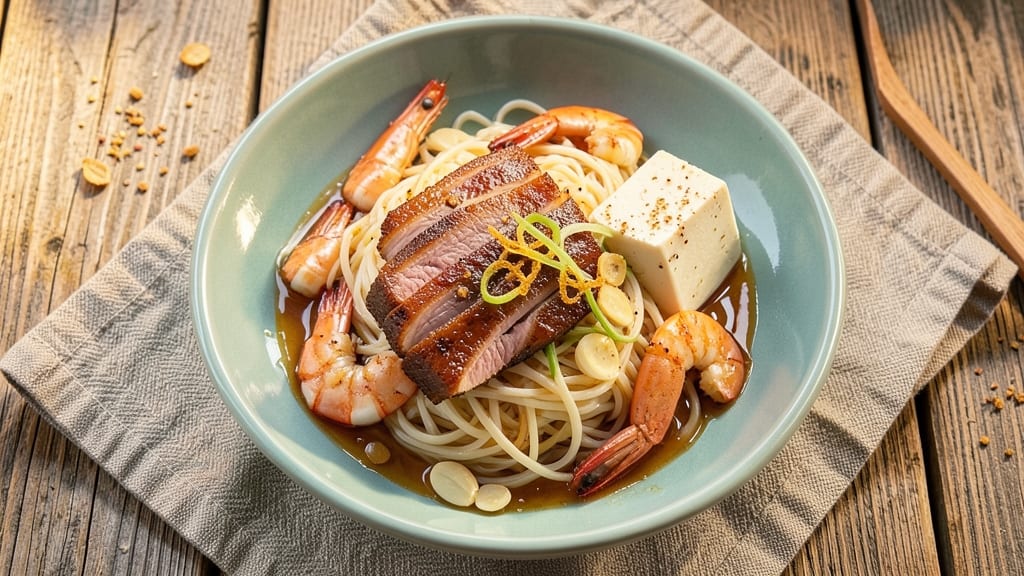
This Cantonese rice noodle recipe delivers the perfect balance of chewy noodles and umami-packed sauce, just like your favorite dim sum dish. The secret lies in high-heat wok tossing and a simple yet flavorful sauce that clings to every strand.
I've perfected this technique over years of testing, ensuring the noodles stay al dente while the protein cooks through perfectly.
What sets this dish apart is its versatility—whether you're using char siu pork, shrimp, or tofu, the same method guarantees restaurant-quality results. The sauce, made with just a few pantry staples, transforms simple ingredients into a harmonious blend of sweet, salty, and tangy flavors that define Cantonese cuisine.
Ready in under 30 minutes, this recipe proves you can recreate authentic flavors at home without shortcuts.
Ingredients for cantonese rice noodle
Chewy rice noodles meet umami sauce—authentic Cantonese flavors with restaurant-quality technique.
| Ingredient | Amount | Notes |
|---|---|---|
| Rice Noodles (Stir-Fry Type) 🍜 | 12 oz | Dried, uncooked, medium width |
| Char Siu Pork 🐷 | 1 lb | Pre-cooked, sliced thin |
| Extra-Firm Tofu 🥬 | 1 lb | Pressed, cubed |
| Large Shrimp (Peeled & Deveined) 🦐 | 1 lb | Frozen works if thawed |
| Garlic Cloves 🧄 | 6 cloves | Minced for sauce |
| Fresh Ginger 🌿 | 2 tbsp | Grated, finely |
| Light Soy Sauce 🍶 | ½ cup | Kikkoman preferred |
| Dark Soy Sauce 🍶 | 2 tbsp | For color depth |
| Sesame Oil 🫒 | 1 tbsp | Toasted, for aroma |
| Rice Vinegar 🍶 | 2 tbsp | White or seasoned |
| Granulated Sugar 🍚 | 2 tbsp | Or brown sugar |
| Vegetable Oil 🫒 | ½ cup | High smoke point |
| Green Onions 🧅 | 4 whole | Sliced, for garnish |
| Sesame Seeds 🌾 | 1 tbsp | Toasted, for crunch |
| Salt 🧂 | 1 tsp | Adjust to taste |
The rice noodles are non-negotiable for texture. Thai Kitchen or Golden Gate brands deliver consistent quality, but check for medium-width stir-fry noodles—thin ones overcook too fast. For protein, char siu pork from an Asian market has the best balance of sweetness and salt, but pre-sliced deli ham works in a pinch. Extra-firm tofu should be pressed for 20 minutes to remove excess water—wrap it in a towel and place a heavy pan on top. Shrimp? Tail-on, head-off for presentation, but peeled and deveined is fine for quick cooking. Fresh ginger and garlic are essential—no substitutes here, as they carry the authentic aroma.
No char siu pork? Substitute with thinly sliced chicken thigh or firm tofu, both of which hold up well to high-heat wok tossing. Light soy sauce is your base, but Kikkoman or Pearl River Bridge are the gold standards—avoid high-sodium brands. For extra depth, add a 1 tsp of oyster sauce if you're using shrimp or tofu. The sauce should be glossy but not watery—adjust the rice vinegar if it's too thick. Need to make it ahead? Store sauce components separately and combine just before tossing to preserve freshness. The green onions and sesame seeds can be toasted in a dry pan for 30 seconds before garnishing for extra aroma.
Rice noodles cook in 3-4 minutes—no more, or they turn mushy. Store dry noodles in an airtight container to prevent staling. The sauce keeps for 5 days in the fridge, but the protein should be added fresh for best texture. For meal prep, cook the noodles and sauce separately, then reheat with a splash of water to restore chewiness. Freeze cooked noodles for up to 3 months, but they're best enjoyed fresh. Garnishes like sesame seeds and green onions add crunch, so toast them fresh before serving—never use pre-toasted seeds from a jar.
Why You'll Love This Recipe
- No-Fuss Prep: I swear by this—just soak those stir-fry noodles for 10 minutes while I slice the tofu and shrimp. No fancy techniques, no stress, and the char siu pork practically cooks itself if you buy it pre-made.
- Umami Bomb: That crispy tofu, juicy shrimp, and smoky char siu? It’s a flavor party in your wok. The garlic hits just right—sharp but balanced—without overpowering the dish.
- Lunchbox Hero: Between us, this is my go-to for meal prep. Toss the cooked noodles with a little soy sauce and sesame oil, pack them in containers, and they stay fresh for days. My kids actually eat their veggies when I sneak them in.
- Budget Flex: Honestly, this recipe stretches further than you’d think. A block of tofu and a pack of shrimp go a long way, and the noodles are cheaper than takeout. Plus, leftovers reheat like a dream—no soggy mess.
Step-by-step instructions for Cantonese rice noodle stir-fry
Master the wok hei technique for restaurant-quality texture and flavor balance.
Prepare and Soak the Rice Noodles
Place the 12 oz rice noodles (stir-fry type) in a large bowl and cover with hot water (about 4 cups). Let them soak for 10-15 minutes until pliable but still slightly firm to the touch—this prevents mushiness. Drain immediately and toss with 1 tablespoon sesame oil to prevent sticking. The noodles should be tender enough to wok-toss but still hold their shape when tossed.
Here's the thing—over-soaking leads to gummy noodles. Test by pressing a strand between your fingers; it should yield slightly but not fall apart. Keep the drained noodles covered with a damp towel until ready to cook. This step ensures your noodles absorb the sauce perfectly without turning into a gluey mess.
Marinate and Prep Protein Components
Cut the 1 lb extra-firm tofu into ½-inch cubes and pat dry with paper towels. In a bowl, toss with 1 tablespoon light soy sauce, ½ teaspoon salt, and 1 teaspoon cornstarch (if available). This creates a light coating that helps the tofu develop a crisp exterior during stir-frying. Let it marinate for 10 minutes while you prep the other ingredients.
For the 1 lb large shrimp (peeled & deveined), pat dry thoroughly and season with ½ teaspoon salt. The shrimp should be completely dry to ensure proper searing. Keep them separate from the tofu until ready to cook—this prevents over-marinating and maintains their delicate texture.
Build the Umami-Packed Sauce Base
In a small bowl, combine ½ cup light soy sauce, 2 tablespoons dark soy sauce, 2 tablespoons rice vinegar, 2 tablespoons granulated sugar, and 2 tablespoons fresh ginger. The dark soy sauce adds that signature Cantonese color while deepening the umami profile. Let this mixture sit for 5 minutes to allow the flavors to meld.
In a separate small bowl, whisk together 1 tablespoon sesame oil with 6 cloves minced garlic. This aromatic blend will infuse the entire dish with fragrant depth. Keep both mixtures separate until ready to combine with the wok hei technique—this prevents premature flavor breakdown.
Stir-Fry Proteins with Wok Hei Technique
Heat ½ cup vegetable oil in a 14-inch wok or large skillet over high heat until shimmering. Add the shrimp first and stir-fry for 1-2 minutes until just opaque—don't overcook or they'll turn rubbery. Remove and set aside. In the same wok, add the tofu cubes and cook for 2-3 minutes until golden brown on all sides. Remove and set aside with the shrimp.
This high-heat searing creates the signature wok hei (breath of the wok) aroma. The key is maintaining high heat throughout—if the oil smokes excessively, reduce to medium-high and let it recover. The char siu pork can be added back later to reheat briefly since it's pre-cooked.
Assemble and Toss with Noodles
Return the wok to high heat and add the drained noodles. Toss vigorously for 1-2 minutes until heated through and slightly charred in spots. This step develops the authentic wok-tossed texture. Pour the garlic-sesame oil mixture over the noodles and toss again to coat evenly.
Add the sauce mixture and toss continuously for 2-3 minutes until everything is evenly coated and the noodles are tender. Return the shrimp, tofu, and char siu pork to the wok, tossing gently to combine. Garnish with 4 sliced green onions and 1 tablespoon toasted sesame seeds. Serve immediately while the noodles are hot and the sauce is glossy.
Pro Tips For Making Cantonese Rice Noodle
- SOAK NOODLES UNTIL PLUMP: I used to eyeball the water and end up with either mushy or crunchy noodles—neither is ideal. These stir-fry noodles need 10-15 minutes in room-temperature water (not hot) until they’re soft but still hold shape when drained. Test one strand: if it bends without snapping, they’re ready. Drain thoroughly and toss with a drizzle of oil to prevent sticking—trust me, this saves you from a soggy mess later.
- CUT TOFU IN HALF: Extra-firm tofu is stubborn, and whole blocks turn into a dense, uneven pile that never crisps. Slice each block lengthwise into two slabs before pressing (if pressing). This gives you more surface area for browning and ensures the center cooks through without staying rubbery. Skip the pressing? At least cube it—smaller pieces crisp faster, but they’ll still taste bland if you don’t sear them properly.
- SEAR SHRIMP IN BATCHES: Tossing all the shrimp into the pan at once guarantees they’ll steam instead of sear. Divide them into two piles and cook the first batch undisturbed for 60 seconds—until the edges curl and the flesh turns opaque. Only then add the second batch. Overcrowding kills the crust, and nobody wants gray shrimp in their noodles. (Yes, even if you’re impatient like me.)
- MINCE GARLIC FINE, THEN TOAST: Whole garlic cloves in stir-fry? That’s a flavor crime. Mince them so finely they’re almost paste-like—this way, they dissolve into the sauce instead of sitting as chewy chunks. After mincing, dry-toast them in the wok for 20 seconds before adding oil. This removes that raw bite and deepens the aroma—your noodles will taste like a proper Cantonese kitchen, not a shortcut.
Regional styles of this cantonese rice noodle
Hong Kong Yum Cha Style
In Hong Kong's bustling yum cha (tea houses), rice noodles are often served as a light, refreshing dish.
For an authentic twist, use thin rice noodles (like Vermicelli) and toss them with shredded char siu pork, bean sprouts, and a lighter sauce made with 1 tbsp oyster sauce instead of dark soy sauce. Garnish with crispy fried shallots for texture.
Serve with a side of hot tea—the classic pairing in yum cha culture. 🍵
Guangzhou Hakka Noodles
The Cantonese heartland of Guangzhou serves Hakka noodles, a heartier version with wider noodles and a richer sauce. Replace the shrimp with pork belly slices and add 1 tbsp fermented black beans to the sauce for depth.
The sauce should be slightly thicker—reduce it by simmering for 2 minutes before tossing. Top with crispy lardons and extra green onions for that Guangzhou street-food feel. 🌟
Macau-Inspired Seafood
Macau's Portuguese-influenced cuisine elevates rice noodles with seafood. Swap the char siu for clams and mussels, steamed open in 1 tbsp white wine and 1 tsp soy sauce for 3 minutes. Toss with the noodles and a sauce made with 1 tbsp fish sauce instead of soy sauce.
Garnish with lemon wedges and cilantro for a bright, coastal twist. This version is a nod to Macau's African-Portuguese fusion. 🦪
Dim Sum-Inspired Bites
Turn your noodles into dim sum-style skewers! Cut the cooked noodles into 2-inch strands and thread onto skewers with char siu pork cubes and shredded cabbage. Toss in the sauce and serve with a side of sweet chili sauce for dipping.
This interactive version is perfect for parties—just arrange the skewers on a platter and let guests assemble their own bites. 🍢
Vegetarian Buddhist Version
For a Buddhist temple-style dish, use tofu and mushrooms as the protein base. Add shiitake mushrooms and bok choy to the wok for extra umami. The sauce should include 1 tbsp vegetarian oyster sauce (like Lee Kum Kee) and 1 tsp sesame paste for richness.
Garnish with red chili oil and scallions for a vibrant, plant-based bowl. This version is a staple in Cantonese Buddhist cuisine. 🌱
Nutrition facts
Frequently asked questions
Can I use dried rice noodles instead of fresh?
This recipe is designed for dried stir-fry rice noodles, which are perfect for wok tossing. Soak them for 10-15 minutes in hot water until pliable but still firm. Fresh rice noodles would cook too quickly and turn mushy—stick with dried for that authentic chewy texture.
What's the best protein substitute if I don't have char siu pork?
Try chicken thigh (cut into thin strips) or extra-firm tofu for a vegetarian option. Both hold up well to high-heat stir-frying. For seafood lovers, shrimp or scallops work beautifully—they just need 1-2 minutes of cooking to stay tender.
Why does my sauce turn watery when tossing?
This happens when the sauce isn't reduced enough before combining. Simmer the sauce mixture for 2-3 minutes before tossing to thicken it. Also, make sure your noodles are drained completely—excess water dilutes the sauce. For extra richness, add 1 tsp cornstarch to the sauce before tossing.
Can I make this ahead of time?
Prepare the sauce and marinate proteins in advance, but cook the noodles fresh for best texture. Store components separately in the fridge for 2 days, then assemble and stir-fry when ready. For leftovers, reheat with a splash of water to restore chewiness. The sauce can be pre-made and kept for 5 days.
What's the secret to getting that smoky wok hei flavor?
Use a carbon steel wok or cast iron skillet and maintain high heat throughout cooking. The key is quick, continuous tossing—this creates steam and tiny charred spots that develop the signature smoky aroma. If your pan isn't hot enough, the noodles will steam instead of sear.