
Main Courses
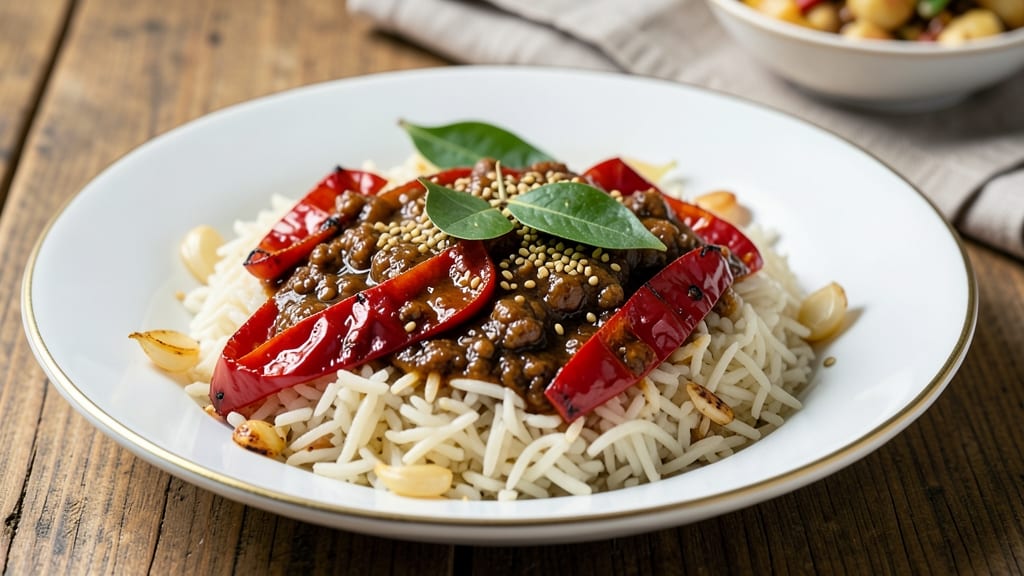
This capsicum masala rice recipe transforms humble basmati into a fragrant, spice-packed one-pot dish that tastes like a restaurant favorite. The secret lies in blooming whole spices in hot oil—cumin, mustard seeds, and curry leaves—before adding capsicum and aromatic masala, creating layers of smoky depth that cling to every grain.
I developed this version after years of testing, ensuring the rice stays perfectly tender while absorbing all those bold flavors.
The beauty of this dish is its versatility—serve it as a standalone meal with yogurt and sliced onions on the side, or pair it with grilled chicken, paneer, or even tofu for a satisfying protein boost.
The one-pot method means minimal cleanup, while the spices adapt easily to vegetarian or vegan diets. By the time you finish, you’ll have a dish that’s aromatic, flavorful, and ready in under 45 minutes—no complicated techniques required.
Ingredients for capsicum masala rice
Spices, peppers, and rice—this one-pot dish packs restaurant-level flavor with minimal effort.
| Ingredient | Amount | Notes |
|---|---|---|
| Basmati Rice 🍚 | 1 ½ cups | Uncooked, long-grain preferred |
| Yellow Bell Peppers (Capsicum) 🌶️ | 2 whole | Medium size, sliced into strips |
| Cumin Seeds 🌿 | 1 tbsp | Whole, toasted lightly |
| Mustard Seeds 🌿 | ½ tbsp | Whole, yellow or brown |
| Curry Leaves 🍃 | 10 whole | Fresh, dried if unavailable |
| Garlic Cloves 🧄 | 4 cloves | Peeled, minced finely |
| Onion 🧅 | 1 whole | Medium, finely chopped |
| Ginger 🌿 | 1 inch | Fresh, grated finely |
| Tomato Paste 🍅 | 2 tbsp | Smooth, no sugar added |
| Ground Coriander 🌿 | 1 tsp | Freshly ground preferred |
| Turmeric Powder 🌶️ | ½ tsp | Freshly ground preferred |
| Garam Masala 🌶️ | 1 tsp | Store-bought or homemade |
| Salt 🧂 | 1 tsp | Adjust to taste |
| Vegetable Oil 🫒 | ½ cup | High smoke point preferred |
| Plain Yogurt 🥛 | ¼ cup | For serving, unsweetened |
The spices here are non-negotiable. Whole cumin and mustard seeds need to be toasted in hot oil until they pop—this unlocks their nutty, smoky depth. Curry leaves are the secret weapon; grab them at Indian markets or online if your grocery store doesn’t carry them. For the capsicum, yellow bell peppers work best—they hold up better to cooking than red or green. If you can’t find fresh curry leaves, dried ones work in a pinch, but use half the amount. The basmati rice should be long-grain and uncooked—anything else gets mushy in this spiced broth.
No curry leaves? Dried thyme at one-third the amount gives a similar earthy note, though it won’t be authentic. Running low on garam masala? Mix equal parts cinnamon, cardamom, and cloves for a DIY version. The tomato paste can be swapped for 1/4 cup crushed tomatoes if you prefer a chunkier texture. For extra richness, stir in 1 tbsp coconut milk at the end—trust me, it’s worth it. And if you’re making this vegan, skip the yogurt garnish or use a dairy-free alternative like coconut yogurt.
This dish tastes even better the next day, so double the batch if you’re feeding a crowd. Store leftovers in an airtight container for up to 4 days in the fridge, or freeze for 3 months. The spices mellow slightly after chilling, so reheat gently with a splash of water to restore texture. For serving, keep the yogurt chilled and the sliced onions crisp—add them fresh to every bowl so they stay crunchy.
Why You'll Love This Recipe
- One-Pot Magic: I swear by this—just rice, peppers, and spices simmered together. No extra pans, no fuss, and that golden rice with tender capsicum? Pure satisfaction.
- Spice Symphony: The mustard seeds crackle, cumin blooms, and curry leaves perfume the air—then those sweet yellow peppers caramelize into something ridiculously good. Every bite balances heat, sweetness, and smoky depth.
- Lunchbox Hero: Between us, this makes the best packed lunch. The rice stays fluffy, the capsicum stays crisp, and it reheats like a dream. My kids actually finish their school lunches now.
- Budget Brightener: Yellow bell peppers are cheap, basmati rice is a staple, and these spices last forever. I stretch a single batch into three meals—no waste, no guilt, just flavor-packed leftovers that taste fresh.
Step-by-step instructions for capsicum masala rice
Here's how to create this aromatic, smoky one-pot masterpiece with perfectly balanced flavors.
Toast the Whole Spices and Prepare the Base
Heat the 0.5 cup vegetable oil in a heavy-bottomed pot over medium heat. Add the 1 tablespoon cumin seeds and 0.5 tablespoon mustard seeds—they'll sizzle and pop within 30 seconds. Watch carefully; if they burn, reduce the heat slightly. Once they release their nutty aroma, add the 10 whole curry leaves and let them sizzle for another 10 seconds until fragrant.
Next, add the 1 whole onion (finely chopped) and cook until golden brown—about 5 minutes. This deep browning develops rich, caramelized flavors that form the foundation of your masala. Stir occasionally so nothing sticks to the bottom. When the onions are fully cooked, add the 1 inch ginger (grated) and 4 cloves garlic cloves (minced), cooking for another 1 minute until the raw garlic smell disappears.
Build the Spice Blend and Add Tomato
Lower the heat to medium-low and add the 2 tablespoons tomato paste, stirring constantly to prevent burning. Cook for 2-3 minutes until the paste darkens slightly and develops a rich, sweet aroma. This is where the magic happens—don't rush this step.
Now add the 1 teaspoon ground coriander, 0.5 teaspoon turmeric powder, and 1 teaspoon salt. Stir vigorously for 1 minute to toast the spices and release their essential oils. The mixture should smell intensely aromatic—this is your flavor base. Immediately add 1.5 cups basmati rice and stir to coat each grain with the spice mixture. Let it sit for 1 minute to absorb the flavors before adding liquid.
Cook the Capsicum and Prepare for Steaming
Increase heat to medium-high and add 2 whole yellow bell peppers (cut into strips). Stir-fry for 3-4 minutes until they soften slightly but still retain their vibrant color. The peppers should release their juices but not turn mushy—this ensures they stay crisp-tender in the final dish.
Pour in 2.5 cups water (for every 1.5 cups rice, use 1.75 cups water plus 0.75 cups for the peppers). Bring to a gentle boil, then reduce heat to low. Cover tightly with a lid and let it steam for 12-15 minutes without disturbing. This undisturbed cooking allows the rice to absorb water evenly and develop its signature texture.
Finish with Garam Masala and Rest
After 12 minutes, check the rice—it should be 80% cooked with some liquid remaining. Sprinkle the 1 teaspoon garam masala evenly over the surface, then gently fold it in. Cover again and let it steam for another 3-5 minutes until all liquid is absorbed and the rice is tender but still slightly firm (it'll finish cooking from residual heat).
Remove from heat and let it sit covered for 5 minutes. This resting period allows the flavors to meld completely and the rice to finish cooking through steam. Fluff gently with a fork—you should have perfectly separate grains with vibrant yellow peppers and aromatic spices throughout.
Serve with Yogurt for Perfect Balance
Transfer to a serving dish and immediately serve with 0.25 cup plain yogurt drizzled on top. The cool yogurt cuts through the richness of the spices while adding a creamy contrast. Garnish with extra curry leaves if desired, and serve with lemon wedges for brightness.
Each bite should deliver a perfect balance of smoky spices, tender rice, and sweet peppers. The one-pot method keeps everything cohesive while the layered spices create depth of flavor that builds with every mouthful.
Pro Tips For Making Capsicum Masala Rice
- Char the Capsicum: Toss those yellow bell peppers in a dry pan for 2-3 minutes before adding oil—just until the edges darken slightly. I learned this the hard way: skipping this step means your capsicum stays bland and watery, no matter how much masala you toss in later.
- Split the Mustard: Crush the mustard seeds with the back of a spoon before adding them to the oil—this releases their flavor and prevents bitter spluttering. Sounds weird, but it works: your rice will taste deeper and less harsh from the start.
- Don’t Rush the Rice: After draining the rice, spread it on a tray and let it sit uncovered for 5 minutes—this prevents soggy grains when mixing with the capsicum later. I know, I know, but trust the process: the texture makes all the difference.
- Bloom the Spices Hot: Heat the oil until it shimmers (not smoking) before adding cumin and curry leaves—this guarantees the spices release their aroma instead of just burning. After burning three batches, I finally figured out: patience here saves cleanup later.
Troubleshooting this dish
Spices Burned
If your spices start burning before they release their aroma, reduce the heat immediately to low-medium. I’ve found that using a heavy-bottomed pot (like a Lodge cast iron) helps distribute heat more evenly, preventing scorching.
Always toast whole spices like cumin and mustard seeds over medium heat—never high—so they pop without burning. 🔥
Rice Too Mushy
Overcooking is the usual culprit here. Remove the rice from heat when it’s 80% cooked (about 12 minutes of steaming) and let it rest covered for 5 minutes. If it’s still mushy, spread it on a tray and let it cool slightly—this helps firm it up.
For next time, reduce water by ¼ cup if your rice tends to break down.
Peppers Too Soft
Yellow bell peppers should stay crisp-tender, not mushy. Stir-fry them for only 3-4 minutes over medium-high heat—any longer and they’ll turn to mush.
If they’re already overcooked, try adding them later in the process: toss them in after the rice is fully cooked and stir gently to warm through. 🌶️
Flat or Bland Flavor
This usually means the spices weren’t toasted long enough or the rice didn’t absorb the flavors. Toast your whole spices until they pop and sizzle for 30 seconds, then let the ground spices (like coriander and turmeric) bloom for 1 full minute before adding rice.
For extra depth, add ½ tsp sugar with the tomato paste to caramelize the spices further.
Liquid Not Absorbed
If there’s excess liquid after cooking, your pot might not have been sealed tightly, or the heat was too low. Use a tight-fitting lid and ensure the heat is at low-medium during steaming.
If needed, uncover for 1-2 minutes to evaporate extra moisture before resting. For next time, reduce water by ¼ cup if your rice absorbs quickly.
Nutrition facts
Frequently asked questions
Can I use green or red bell peppers instead of yellow?
Yes, but yellow bell peppers are ideal because they hold their shape better during cooking. Green peppers will turn olive-green and get slightly bitter, while red peppers may soften faster. If using them, add them later in the process (after the rice is cooked) to preserve their color and texture.
How do I make this recipe vegan?
Skip the yogurt garnish or use coconut yogurt, and ensure your garam masala doesn't contain honey or dairy. The rest of the recipe is already vegan-friendly! For extra richness, stir in 1 tbsp coconut milk at the end. All the spices and peppers are naturally plant-based.
Why does my rice turn out mushy?
This usually happens from overcooking or using too much water. Remove the rice from heat when it's 80% cooked (after 12 minutes of steaming), then let it rest covered for 5 minutes. For next time, reduce water by ¼ cup or spread the rice on a tray to cool slightly if it's still too soft.
Can I make this dish in an Instant Pot?
Sauté the spices and peppers as directed, then add rice, water, and salt. Cook on high pressure for 6 minutes, followed by a 10-minute natural release. Finish with garam masala and yogurt. The Instant Pot version cooks faster but requires close monitoring to avoid overcooking.
What’s the best way to store leftovers?
Store in an airtight container for up to 4 days in the fridge or freeze for 3 months. Reheat gently with a splash of water to restore texture. The flavors actually improve after chilling, making it perfect for meal prep!