
Main Courses
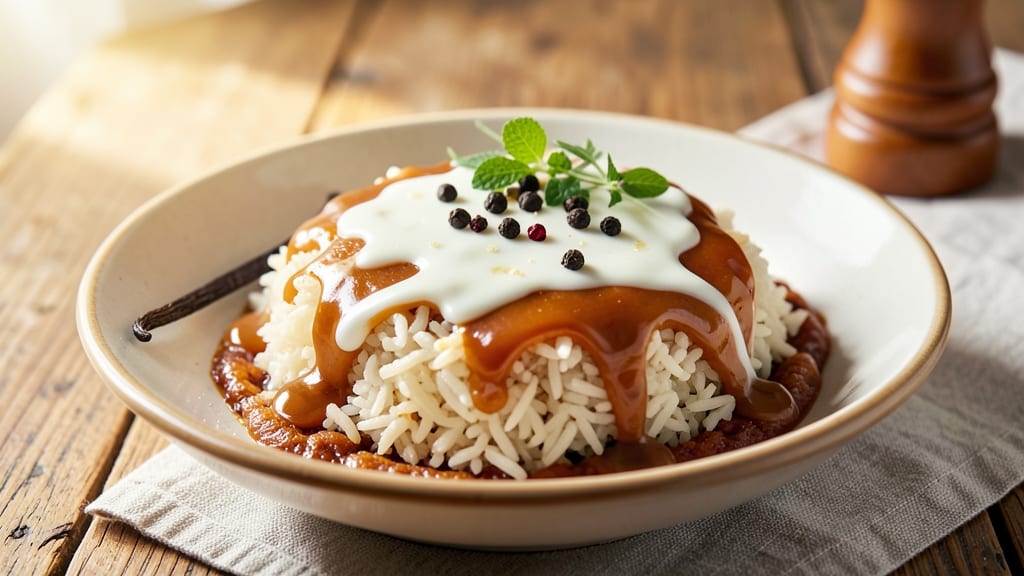
This caramel rice recipe transforms simple grains into a buttery-sweet, sticky masterpiece with crunchy edges and rich flavor. The secret lies in caramelizing sugar with butter, creating a glossy coating that clings to each grain.
Perfect for dessert, breakfast, or even as a side dish, this versatile recipe delivers restaurant-quality results at home.
Start with jasmine rice cooked to perfection, then stir in a velvety caramel mixture of sugar, butter, and a touch of vanilla for depth. The result is tender grains with a sweet, buttery finish that's impossible to resist.
Whether you top it with toasted coconut, raisins, or serve it alongside grilled chicken, this dish elevates any meal with its irresistible texture and flavor.
Ingredients for caramel rice
Jasmine rice, butter, and sugar create this indulgent caramel masterpiece with sticky grains and crunchy edges.
| Ingredient | Amount | Notes |
|---|---|---|
| Jasmine Rice 🍚 | 1 ½ cups | Uncooked, long-grain preferred |
| Granulated Sugar 🍬 | 1 cup | Light or dark brown preferred |
| Unsalted Butter 🧈 | ½ cup | Cold, cubed for caramelizing |
| Pure Vanilla Extract 🌿 | 1 tsp | High-quality, Madagascar preferred |
| Salted Butter 🧈 | 2 tbsp | For finishing, room temperature |
| Heavy Cream 🥛 | ¼ cup | Full-fat for richness |
| Toasted Coconut Flakes 🥥 | ¼ cup | Optional garnish, unsweetened |
| Raisins 🍇 | ¼ cup | Plump, seedless preferred |
| Water 💧 | 2 ¼ cups | Filtered or spring water |
| Diamond Crystal Kosher Salt 🧂 | ½ tsp | For seasoning rice |
| Ground Cinnamon 🌶️ | ¼ tsp | Optional, for depth |
| Chopped Toasted Almonds 🌰 | 0.15 cup | Optional crunch topping |
The jasmine rice makes all the difference—look for long grains that stay separate when cooked. Lundberg or Calrose brands deliver consistent texture. For the butter, use European-style unsalted (like Plugrá) for higher fat content and better caramelization. Sugar should be light or dark brown—the molasses content adds depth. Toast your coconut flakes in a dry pan for 2-3 minutes until golden; this prevents them from turning mushy when mixed in later. Raisins should be plump—soak in warm water for 10 minutes if they're dry.
No brown sugar? White sugar plus 1/2 tsp molasses works in a pinch. Running short on vanilla? Vanilla bean paste gives more flavor, or almond extract at 1/4 tsp adds complexity. For a dairy-free version, replace butter with vegan butter and heavy cream with full-fat coconut milk (though texture will differ slightly). The cinnamon is optional but worth it—it pairs beautifully with the caramelized sugar. If you can't find Diamond Crystal salt, use Morton kosher salt but reduce to 1/4 tsp—it's coarser. Toasted almonds can be swapped for pecans or walnuts if preferred.
This dish reheats beautifully—just add a splash of water or heavy cream to restore moisture. Store in an airtight container for up to 4 days in the fridge, though flavor peaks within 2 days. Freezes well for 3 months if portioned in single servings. For make-ahead prep, cook the rice and caramel separately, then combine when ready to serve. The caramel mixture can be made 2 days ahead and refrigerated, though it'll thicken slightly—thin with a splash of cream before using.
Why You'll Love This Recipe
- One-Pot Magic: I swear by this—just rice, sugar, and butter simmered together until golden. No extra bowls, no sticky mess, and honestly? The kids don’t even realize I’m not slaving away.
- Buttery Sweet Crunch: That perfect balance of salty-sweet caramel with fluffy jasmine rice? It’s like dessert sneaking into dinner. The vanilla extract ties it all together—trust me, a splash makes it ridiculously good.
- Lunchbox Hero: Cold caramel rice is a game-changer for packed lunches. (Yes, even on a Tuesday.) The rice stays soft, the caramel holds up, and my coworkers still ask for seconds—no reheating required.
- Budget Breakthrough: Jasmine rice and butter? Affordable staples that feel fancy. I make this for date nights, potlucks, or just because I’m craving something indulgent without breaking the bank. Leftovers? Even better the next day.
Step-by-step instructions for caramel rice
Here's the method to achieve perfectly balanced sweetness and texture—rich caramelized grains with a subtle crunch.
Caramelize the Butter and Sugar
In a heavy-bottomed saucepan, melt the 0.5 cup unsalted butter over medium-low heat. Once fully melted, add the 1 cup granulated sugar and stir constantly with a wooden spoon until the mixture turns a deep amber color—this should take about 8-10 minutes. The caramel should smell rich and toasty, with no burnt bits.
Here's the thing—watch the heat carefully. If it gets too hot, the sugar will crystallize or burn. You want smooth, glossy caramel that coats the back of the spoon. Once you reach the perfect amber hue, immediately remove the pan from heat and stir in the 1 tsp pure vanilla extract and 0.25 tsp ground cinnamon to infuse the flavor.
Toast the Rice in the Caramel
Return the pan to low heat and add the 1.5 cups jasmine rice, stirring gently to coat each grain evenly in the caramel. Cook for 2-3 minutes until the rice turns translucent at the edges—this step ensures each grain gets that signature buttery sweetness. Don't walk away; you want the rice to toast without browning.
Next, pour in the 2.25 cups water and add the 0.5 tsp diamond crystal kosher salt. Bring to a gentle boil, then reduce heat to low, cover the pan tightly with a lid, and simmer for 15 minutes. This initial cooking phase allows the rice to absorb moisture evenly while maintaining its caramel coating.
Finish with Cream and Raisins
After 15 minutes, remove the lid and stir in the 0.25 cup heavy cream and 0.25 cup raisins. The cream will create a luscious, velvety texture that balances the caramel's sweetness. Simmer uncovered for another 5 minutes, stirring occasionally, until the liquid is fully absorbed and the rice is tender but still slightly firm to the bite.
Real talk: If the rice feels undercooked after 5 minutes, add 2-3 tablespoons of water and continue cooking until fully tender. The goal is sticky, glossy grains that hold their shape but still have a satisfying bite. Once done, transfer the rice to a serving dish and spread evenly.
Top with Crunch and Butter
Melt the 2 tbsp salted butter in a small saucepan over low heat until it becomes a smooth, runny liquid. Drizzle this melted butter evenly over the warm rice, letting it soak in for 1-2 minutes. This step adds an extra layer of richness and helps distribute the caramelized flavor throughout.
Finally, sprinkle the 0.25 cup toasted coconut flakes and 0.15 cup chopped toasted almonds over the top. The coconut adds a tropical crunch, while the almonds provide a nutty contrast. Serve immediately while the rice is still warm and the caramel is at its peak stickiness.
Pro Tips For Making Caramel Rice
- TOAST THE RICE FIRST: Cook your jasmine rice in the dry pot for 2-3 minutes at medium-high heat before adding liquid—just until the grains turn translucent at the edges. I learned this the hard way: skipping it makes the caramel cling like glue instead of coating evenly. (Yes, it smells amazing, but resist the urge to burn it.)
- USE SALTED BUTTER LAST: Save the salted butter for the final stir—after the sugar’s caramelized and the rice is mostly done. The salt in the butter will pull moisture from the rice if added too early, turning your creamy caramel into a sticky mess. Trust me, the last spoonful makes all the difference.
- STOP BEFORE IT LOOKS DONE: Pull the rice off heat when it’s almost tender—about 2 minutes before the package says it should be. The residual heat will finish cooking it while the caramel absorbs. I used to overcook it, and the texture turned gummy. Now I check with a fork and let it rest under a towel.
- SWAP VANILLA FOR EXTRA DEPTH: If you’re short on vanilla extract, scrape the seeds from a split vanilla bean into the caramel instead. It’s cheaper, more aromatic, and won’t overpower the buttery sweetness. (I keep a pod in my pantry just for this—it’s worth the splurge.)
Essential equipment for perfect results
Heavy-Bottomed Pan
This is the most critical piece of equipment for caramel rice—no exceptions. I use my All-Clad stainless steel 3-quart saucepan because it distributes heat evenly and prevents sugar from burning.
If you don’t have one, a Le Creuset Dutch oven works perfectly too. The key is avoiding thin pans that cause hot spots—those lead to burnt sugar and uneven caramelization. 🔥
Wooden Spoon
Never use metal utensils when caramelizing sugar and butter—they can cause the sugar to crystallize instantly. My Oxo Good Grips wooden spoon is my go-to because it’s heat-resistant and provides just the right amount of control.
Keep it nearby and ready to stir constantly once the sugar starts melting. A silicone spatula works too, but wood gives the best texture for coating the rice grains.
Fine-Mesh Strainer
For toasting your coconut flakes and nuts, a fine-mesh strainer (like the OXO Good Grips) is essential. It ensures even toasting without burning. Place it over a plate and shake gently while toasting—this prevents clumping and gives you perfectly golden flakes.
I also use it to drain any excess water from plump raisins before adding them to the rice.
Digital Thermometer
While not mandatory, a digital instant-read thermometer (I recommend Thermoworks ThermoPop) helps you nail the perfect caramel color. Aim for 320-340°F—this range ensures smooth, glossy caramel without burning.
It’s especially helpful if you’re nervous about heat control. The thermometer gives you peace of mind and consistent results every time. ✨
Rice Cooker Alternative
If you prefer hands-off cooking, a multi-functional rice cooker (like the Zojirushi NS-LAC10) can handle the rice base while you focus on caramelizing. Just cook the rice separately, then mix in the caramel sauce at the end.
The Instant Pot also works—use the “Rice” setting and add the caramel mixture during the last 5 minutes of cooking. Both methods save time without sacrificing flavor.
Optional: Stand Mixer
For large batches (6+ servings), a stand mixer with the paddle attachment makes stirring the caramelized rice effortless. I use my KitchenAid Artisan Series on low speed to combine everything evenly.
This is especially helpful if you’re making caramel rice for a crowd—it cuts down on arm fatigue and ensures perfect distribution of the caramel coating. 💫
Nutrition facts
Frequently asked questions
Can I use any type of rice for caramel rice?
Jasmine rice is ideal because its long grains stay separate and absorb the caramel beautifully. For a chewier texture, try arborio rice (common in risotto), but avoid sticky short-grain rice like sushi rice—it'll turn mushy. Brown rice works too, but requires 20% more water and an extra 5-10 minutes of cooking time.
How do I fix burnt sugar in my caramel?
If your sugar turns dark brown or black, immediately remove the pan from heat and stir in 1 tablespoon cold water—this stops the burning. For a quick fix, whisk in 1 tablespoon heavy cream to smooth out the texture. If severely burnt, start over with fresh butter and sugar, but reduce heat to medium-low and stir constantly.
Can I make caramel rice ahead of time?
Yes! Cook the rice and caramel separately, then combine when ready to serve. Store in an airtight container for up to 4 days in the fridge. To reheat, warm in a skillet over low heat with 1 tablespoon water or cream per cup of rice. The texture will be slightly drier but still delicious. For best flavor, serve within 2 days.
What's the best way to serve caramel rice?
This dish shines as a dessert with vanilla ice cream or as a breakfast side with scrambled eggs and bacon. For a savory twist, pair it with grilled chicken or salmon. Garnish with extra toasted coconut, chopped nuts, or a drizzle of honey. Serve warm in small ramekins for elegant presentation, or pile high on a platter for casual sharing.
Why did my caramel rice turn out too sweet?
Too much sugar or insufficient rice can make the dish overly sweet. Balance by adding 1/4 cup raisins or dried fruit to soak up excess sweetness, or stir in 1 teaspoon lemon zest to brighten flavors. For future batches, reduce sugar by 1-2 tablespoons and increase rice by 1/4 cup to dilute the sweetness while keeping the caramel coating.