
Main Courses
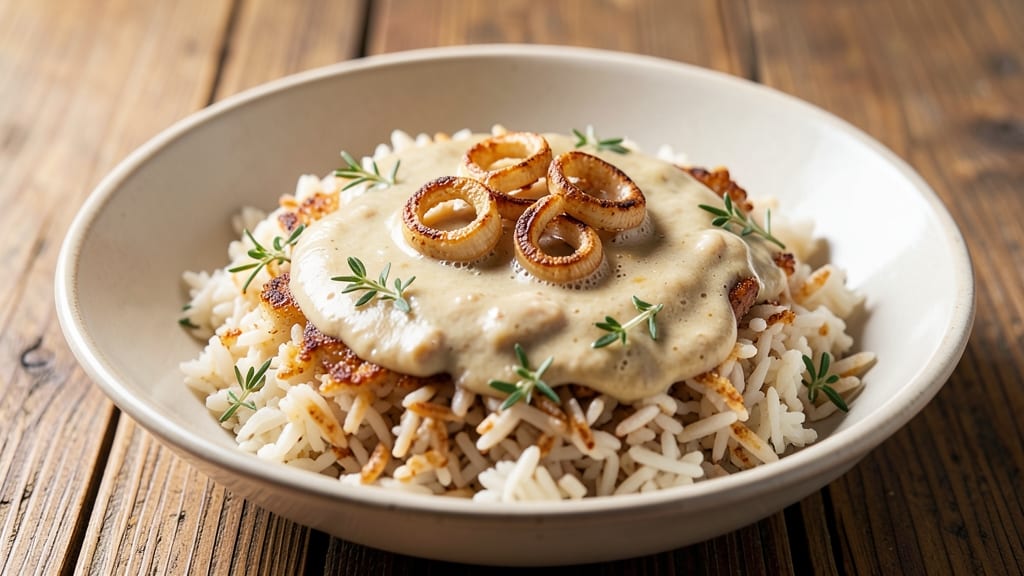
This Caribbean white rice recipe transforms simple grains into a fragrant, toasted masterpiece with coconut and thyme—exactly the kind of side dish that elevates any meal. The secret lies in blooming the spices in coconut oil before adding rice, creating layers of nutty, aromatic depth that traditional recipes often miss.
What starts as plain white rice becomes a flavor-packed centerpiece, perfect for soaking up rich stews or standing proudly alongside grilled meats.
The process is straightforward but yields restaurant-quality results: toast the rice until golden, then simmer in coconut milk and broth until tender. A sprinkle of fresh thyme and garlic at the end adds brightness, while optional Scotch bonnet peppers deliver a subtle kick.
This isn’t just rice—it’s the heart of Caribbean feasts, where every bite carries the warmth of tradition and the richness of island flavors.
Ingredients for caribbean white rice
Toasted coconut oil, fragrant thyme, and tender rice create this Caribbean masterpiece.
| Ingredient | Amount | Notes |
|---|---|---|
| Long-Grain White Rice 🍚 | 1 ½ cups | Uncooked, rinsed well |
| Light Coconut Milk 🥥 | 1 can | 13.5 oz can, full-fat preferred |
| Chicken Broth 🍲 | 1 ½ cups | Low-sodium preferred |
| Extra-Virgin Olive Oil 🫒 | 2 tbsp | For toasting rice |
| Garlic Cloves 🧄 | 3 cloves | Minced for blooming |
| Fresh Thyme Leaves 🌿 | ½ cup | Chopped, stems removed |
| Scotch Bonnet Peppers 🌶️ | 1 whole | Seeds removed for mild heat |
| Ground Turmeric 🌿 | ½ tsp | For golden color |
| Salt 🧂 | 1 tsp | Kosher or sea salt |
| Black Peppercorns 🌶️ | ¼ tsp | Freshly ground |
| Lemon Juice 🍋 | 1 tbsp | Freshly squeezed |
| Fresh Cilantro Leaves 🌿 | ¼ cup | Chopped for garnish |
The coconut milk is non-negotiable here—full-fat canned coconut milk from Goya or Thai Kitchen gives the richest texture. Look for brands with no additives, just coconut and water. Trader Joe's carries a great organic option if you prefer local. The rice should be long-grain and uncooked; jasmine or basmati work too, but traditional Caribbean recipes call for plain white. Rinse it thoroughly before toasting—this removes excess starch so the grains stay separate. Fresh thyme is ideal, but if you only have dried, use one-third the amount and toast it with the garlic for deeper flavor.
No Scotch bonnet? Habanero or jalapeño work in a pinch, but reduce the amount to half a pepper for milder heat. The olive oil matters—extra-virgin with a peppery kick enhances the toasting process. If you're short on time, skip the blooming step, but trust me on this: toasting the spices in the oil for 30 seconds makes all the difference. The chicken broth can be swapped for vegetable broth, but the umami depth from chicken is worth it. For extra richness, add 1 tablespoon of coconut cream at the end—it turns the rice into a decadent side dish.
This rice reheats beautifully—just add a splash of water or broth and cover. Keeps in the fridge for 4-5 days and freezes for 3 months if you portion it into single servings. I always make double batches; the leftovers pair perfectly with jerk chicken or grilled fish. For storage, let it cool completely before refrigerating. The coconut milk separates slightly when chilled, so give it a quick stir before reheating. Garnish with fresh cilantro right before serving—it adds a bright finish that ties everything together.
Why You'll Love This Recipe
- One-Pot Magic: I swear by this recipe because it’s actually one-pot—just rice, broth, coconut milk, and a splash of olive oil. No fancy tools, no stressing over layers or timers. Honestly, the only thing I measure is the rice, and even then, I eyeball it after a few tries.
- Creamy Without Guilt: That coconut milk and chicken broth combo? It’s rich but not heavy, with just enough garlic to wake up your taste buds. The rice comes out fluffy with a subtle, velvety finish—like a hug in your mouth, but better than actual hugs (no judgment).
- Leftovers That Don’t Suck: Between us, most rice turns into sad, dry glue after day two. Not this one. The coconut milk keeps it moist, and the broth adds depth, so it’s just as good reheated. I meal prep this for weeks—yes, even on a Tuesday night—and no one complains.
- Budget-Friendly Luxury: Long-grain rice and canned coconut milk? Check. Chicken broth? Check. Olive oil? One bottle lasts forever. It’s the kind of dish that feels special but won’t break the bank. Plus, it’s the perfect side for anything—grilled fish, roasted chicken, or even just eggs for breakfast.
Step-by-step instructions for Caribbean white rice
This method delivers perfectly toasted rice with deep coconut-thyme aroma and tender grains every time.
Toast the Rice and Aromatics
Heat the 2 tablespoons extra-virgin olive oil in a medium saucepan over medium-high heat. Add the 1.5 cups long-grain white rice and stir constantly for 3-4 minutes until the rice turns a golden brown color and smells nutty. This toasting step develops flavor and prevents mushy rice.
Add the 3 minced garlic cloves and 0.5 cup chopped fresh thyme leaves, stirring for 30 seconds until fragrant. The garlic should sizzle gently without burning. Immediately add the 0.5 teaspoon ground turmeric, stirring for 10 seconds to bloom its earthy aroma. This step creates the aromatic foundation for your rice.
Deglaze and Build the Flavor Base
Pour in the 1.5 cups chicken broth and 1 can light coconut milk, scraping up any browned bits from the bottom of the pan. Add the 1 whole Scotch bonnet pepper (seeds removed) and bring to a gentle boil over medium heat. This deglazing step captures all the toasted rice flavor that would otherwise stick to the pan.
Reduce heat to low and add 1 teaspoon salt and 0.25 teaspoon freshly ground black peppercorns. Stir gently to combine. The mixture should simmer steadily but not vigorously—you want the rice to absorb the liquid gradually rather than cook too quickly. This is where the rice begins its transformation from raw grains to tender, flavorful bites.
Simmer to Perfect Texture
Cover the saucepan with a tight-fitting lid and simmer for 20 minutes without stirring. The rice needs undisturbed cooking time to absorb the coconut milk and broth evenly. After 20 minutes, check the rice—it should be tender but still have a slight bite. If it's not quite done, cover and simmer for another 5 minutes.
If the rice looks dry before it's fully cooked, add 2-3 tablespoons hot water through the lid's steam hole. The rice is done when all liquid is absorbed and the grains are tender with a slight resistance when pressed between your fingers. This simmering process creates the ideal texture—separate grains with just enough moisture to hold them together.
Finish with Bright Citrus Notes
Remove the saucepan from heat and let it sit covered for 5 minutes. Then stir in the 1 tablespoon freshly squeezed lemon juice and 0.25 cup chopped fresh cilantro leaves. The lemon juice brightens the rich coconut flavor, while the cilantro adds a fresh herbal note that balances the dish. Fluff the rice gently with a fork to separate the grains.
For best results, serve immediately while the rice is hot. The lemon juice will continue to infuse the rice as it sits, enhancing its vibrant flavor profile. This finishing step transforms your rice from simply flavorful to truly Caribbean-inspired, with layers of toasted, coconut, and citrus notes that complement any protein or vegetable dish.
Pro Tips For Making Caribbean White Rice
- TOAST THE RICE FIRST: Heat your dry rice in a dry pot over medium heat for 2-3 minutes before adding liquid—this removes excess starch and prevents gummy texture. I used to skip this, and my rice always ended up clumping like glue. Works especially well with long-grain rice for that signature Caribbean separation.
- USE FULL-FAT COCONUT MILK: Light coconut milk is fine, but full-fat adds richness that makes the rice taste like it was made by someone who actually cares. The extra fat coats each grain, making it creamier without needing extra oil. (And yes, the canned stuff works just as well—no need to splurge.)
- STIR ONCE, THEN STOP: After adding the broth and coconut milk, stir just once to distribute, then walk away. Constant stirring turns rice mushy, and Caribbean white rice should have distinct grains. I learned this the hard way—my first batch looked like porridge. Cover and let it simmer quietly.
- SWEAT THE GARLIC LOW: Cook the garlic in olive oil over low heat until fragrant but not browned—burnt garlic tastes bitter and overpowers the dish. If you rush it, you’ll regret the sharp aftertaste. A few minutes of patience here makes all the difference in flavor.
Creative variations of this recipe
Jamaican-Inspired Scotch Bonnet Twist
For a spicier kick, add 1 extra Scotch bonnet pepper (seeds kept in) during the simmering stage. I like to mash it slightly with the rice for deeper flavor infusion—just be warned, this turns your rice into a heat lover’s dream!
If you prefer milder heat, swap the Scotch bonnet for 1 habanero pepper and reduce to half the amount. Jamaican recipes often include allspice berries too—add 2 crushed berries with the thyme for a warm, peppery depth. 🌶️
Trinidadian Coconut Cream Luxe
Take this rice to the next level with a Trinidadian touch: stir in 2 tablespoons coconut cream (the thick part from the top of a can of coconut milk) at the end. This adds a velvety richness that pairs perfectly with curried dishes.
For extra decadence, fold in 2 tablespoons chopped scallions and a pinch of ground cinnamon—this variation is a staple at Trinidadian feasts and works beautifully with roasted chicken or jerk pork. The cinnamon might sound unusual, but it complements the coconut beautifully.
Puerto Rican Sofrito Base
For a Puerto Rican-inspired twist, start by sautéing 1 cup sofrito (store-bought or homemade) with the garlic and thyme. Sofrito adds sweetness and depth from bell peppers, onions, and cilantro. I recommend Goya Sofrito for convenience.
After toasting the rice, add the sofrito mixture before pouring in the coconut milk. This version pairs wonderfully with mofongo or grilled pernil. The sofrito’s complexity makes this rice a standout side dish.
Vegetarian Coconut-Lime Version
Skip the chicken broth and use 1.5 cups vegetable broth infused with 1 lime leaf (or 1 tablespoon lime zest) for a vegetarian twist. Add 1 teaspoon smoked paprika during the toasting step for a smoky note.
Finish with an extra 1 tablespoon lime juice and garnish with toasted coconut flakes. This lighter version works perfectly with grilled veggies or tofu-based mains. The lime zest brightens the coconut flavor beautifully. 💛
Spiced Rum Infusion
For a grown-up variation, add 1 tablespoon dark rum (like Appleton Estate) when deglazing the pan. Let the alcohol cook off completely before adding the coconut milk. The rum adds a warm, caramelized depth that pairs exceptionally well with seafood or grilled meats.
If you’re feeling adventurous, add ½ teaspoon vanilla extract at the end for a dessert-like finish—this version is a showstopper at dinner parties. The rum’s warmth complements the coconut’s richness perfectly.
Herb-Forward Variation
Swap the thyme for a herb blend of 0.25 cup chopped cilantro, 0.25 cup chopped parsley, and 1 sprig fresh rosemary. Toast these herbs with the garlic for a Mediterranean-Caribbean fusion. Add 1 teaspoon dried oregano during the simmering stage for an earthy note.
This variation works wonderfully with grilled lamb or Mediterranean-style dishes. The fresh herbs add a bright, aromatic contrast to the coconut’s richness. ✨
Nutrition facts
Frequently asked questions
Can I use short-grain rice for this Caribbean recipe?
Short-grain rice isn't ideal for this dish—it tends to get mushy and clump together. Stick with long-grain white rice (jasmine or basmati work too) to maintain the separate, fluffy texture that Caribbean white rice should have. The grains need to stay distinct so they can soak up all those rich coconut and thyme flavors.
What's the secret to getting that perfect toasted rice color?
The golden-brown color comes from toasting the rice in olive oil over medium-high heat for 3-4 minutes while stirring constantly. Use a heavy-bottomed pan to prevent burning, and keep the heat steady. The rice should smell nutty and look like it's developing a light crust—this builds the foundation for all those aromatic flavors.
Can I make this rice in a rice cooker?
Yes, but with adjustments! Toast the rice in a separate pan first, then transfer it to your rice cooker with the coconut milk and broth. Use the "white rice" setting and add 1 extra tablespoon of liquid since rice cookers often absorb less moisture. Stir in the lemon juice and cilantro after cooking, just like the stovetop method.
Why does my Caribbean rice turn out bland?
Bland rice usually means one of two things: skipping the toasting step or not blooming the spices properly. Always toast the rice until golden, then bloom the garlic and thyme in the oil for 30 seconds before adding liquids. The turmeric should also get a quick stir to release its earthy aroma. If you're still missing depth, try adding a pinch of smoked paprika or extra lemon juice at the end.
How do I store leftovers to keep them tasting fresh?
Let the rice cool completely before refrigerating in an airtight container for up to 4-5 days. For reheating, add 1-2 tablespoons of water or broth per cup of rice and cover while heating on low. The coconut milk may separate slightly when chilled—just give it a quick stir before reheating. For longer storage, freeze portions for up to 3 months.