
Side Dishes
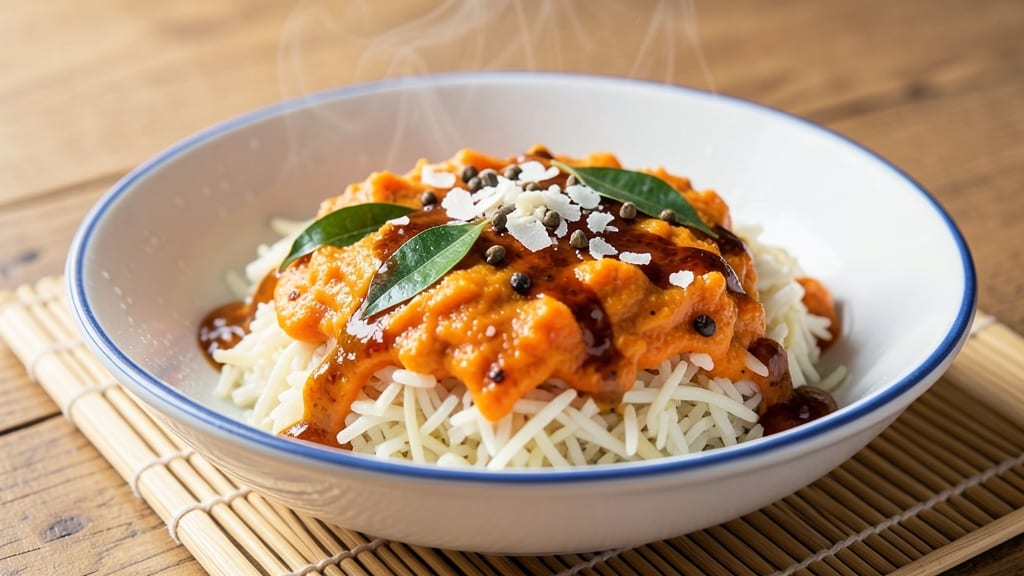
This South Indian carrot rice recipe brings vibrant flavors to your table with its fragrant cumin-tamarind aroma and perfectly cooked rice. 🌟 The one-pot method simplifies preparation while staying true to traditional techniques, making it ideal for festive occasions or everyday meals.
My grandmother's influence shines through in the careful tempering of spices and the balance of sweet and tangy notes.
The recipe begins with steaming rice until just tender, then blending it with vibrant carrots for a striking orange hue. A tempering of mustard seeds, curry leaves, and cumin adds depth, while tamarind and coconut milk create that signature South Indian tanginess.
This dish is naturally vegetarian and packed with nutrients, making it a wholesome choice for any meal.
What makes this recipe special is how it transforms simple ingredients into something extraordinary. The fragrant spices infuse the rice with warmth, while the carrots add natural sweetness that balances the tangy tamarind.
It pairs beautifully with coconut chutney or sambar, creating a complete, satisfying meal that feels both comforting and celebratory.
The one-pot approach ensures minimal cleanup while delivering restaurant-quality results. Whether you're serving it at a family gathering or enjoying a quiet dinner, this carrot rice delivers bold flavors and cultural richness in every bite. Let's get started on this fragrant journey!
Ingredients for carrot rice recipe south indian
Fragrant spices, vibrant carrots, and tender basmati rice create this South Indian one-pot masterpiece.
| Ingredient | Amount | Notes |
|---|---|---|
| Long-Grain Basmati Rice 🍚 | 1 ½ cups | Uncooked, rinsed thoroughly |
| Orange Carrots 🥕 | 2 cups | Medium, peeled and grated finely |
| Coconut Milk 🥥 | 1 cup | Full-fat, canned for creaminess |
| Tamarind Paste 🍈 | 2 tbsp | Unsweetened, dissolved in warm water |
| Mustard Seeds 🌿 | 1 tsp | Whole, light brown preferred |
| Curry Leaves 🌿 | ¼ cup | Fresh, packed loosely |
| Ground Cumin Seeds 🌶️ | 1 tsp | Freshly toasted for aroma |
| Green Chili 🌶️ | 1 whole | Slit lengthwise, fresh preferred |
| Asafoetida Powder 🌿 | ⅛ tsp | Pinch, enhances depth |
| Turmeric Powder 🧂 | ¼ tsp | Freshly ground preferred |
| Ghee 🧈 | 2 tbsp | Clarified butter for rich flavor |
| Salt 🧂 | 1 tsp | Diamond Crystal preferred |
| Fresh Coriander Leaves 🌿 | ¼ cup | Chopped, for garnish |
| Vegetable Oil 🫒 | 2 tbsp | Light, for tempering |
The heart of this dish lies in its spices. Curry leaves and mustard seeds are non-negotiable for that authentic South Indian aroma—grab them at Indian grocery stores or the international aisle at Whole Foods. For tamarind paste, Mama Earth or Koyo brands are reliable, but if using a block, soak it in warm water for 10 minutes to dissolve. The coconut milk should be full-fat for richness; Thai Kitchen cans work well, but avoid light versions. Carrots should be bright orange—organic varieties often have deeper flavor. Toast your cumin seeds in a dry pan for 30 seconds before grinding to release their aroma.
No curry leaves? Dried curry powder at half the amount works in a pinch, though it lacks the true depth. Substitute tamarind with lemon juice plus 1 tsp sugar for tanginess, but you'll lose that signature South Indian complexity. For ghee, vegetable oil or coconut oil can stand in, though the flavor will differ slightly. The green chili can be omitted entirely if you prefer milder heat. If your carrots are large, grate them while still whole to avoid excess moisture. For extra richness, stir in 1 tbsp cashew paste at the end—it mimics the creaminess of coconut milk beautifully.
Rice and carrots keep best in airtight containers for 3-4 days in the fridge, though the flavors deepen overnight. For longer storage, freeze portions for up to 3 months. Reheat gently on low with a splash of water to restore moisture. This dish reheats beautifully—microwave for 2 minutes or warm on the stovetop with a lid. Garnish with fresh coriander just before serving to preserve its vibrant color and aroma. The one-pot method ensures minimal cleanup, but if you prefer, cook the rice separately and blend it with the carrots at the end for a more traditional approach.
Why You'll Love This Recipe
- One-Pot Magic: I swear by this recipe when I’m too tired to wash multiple bowls—just rice, carrots, and spices simmering together in one pot. The tamarind and mustard seeds caramelize right into the rice, so you’re left with zero cleanup and maximum flavor.
- Sweet-Sour Balance: That tangy tamarind paste cuts through the natural sweetness of the carrots and coconut milk like a dream. It’s not too sweet, not too sour—just that perfect, addictive harmony you didn’t know you needed in your life.
- Lunchbox Hero: Between us, this is my go-to for packed lunches. The rice stays fluffy for days, and the carrots hold their texture, so it’s still fresh by afternoon. (Yes, even on a Tuesday night when I’m prepping for work.)
- Pantry Staple Power: Honestly, I make this when I’m low on groceries because it uses things I always have: rice, a few spices, and whatever carrots are lurking in the fridge. The coconut milk makes it feel fancy without breaking the bank.
Step-by-step instructions for South Indian carrot rice
This fragrant, tangy one-pot dish combines traditional spices with vibrant carrots for a dish that's as visually stunning as it is flavorful.
🍳 Step 1: Temper the Spices and Aromatics
Heat the 2 tablespoons vegetable oil in a heavy-bottomed pot over medium heat. Add the 1 teaspoon mustard seeds and let them splutter for 30 seconds—this is your signal they're ready. Immediately add the 1 teaspoon ground cumin seeds and 0.25 cup curry leaves, stirring constantly for 1 minute until the cumin releases its deep, earthy aroma.
Here's the thing—don't rush this step. The curry leaves should sizzle and darken slightly, releasing their complex flavor. Next, add the 1 whole green chili (slit lengthwise) and 0.125 teaspoon asafoetida powder, stirring for 20 seconds until the chili turns vibrant green and the asafoetida dissolves completely into the oil. This aromatic base forms the flavor foundation of your dish.
🍳 Step 2: Cook the Carrots Until Tender
Add the 2 cups finely grated orange carrots to the pot and stir to coat them evenly in the spiced oil. Cook for 5-6 minutes over medium heat, stirring occasionally, until the carrots soften slightly but retain their bright orange color. You're looking for them to become just tender enough to break down during the cooking process but not mushy.
I press the carrots gently with the back of a spoon during the last minute of cooking—this helps them release their moisture and incorporate into the rice. If the carrots start to stick, add 2 tablespoons water to prevent burning. The goal is to create a vibrant, carrot-infused base that will blend seamlessly with the rice.
👨🍳 Step 3: Add Rice and Spices for Perfect Texture
Rinse the 1.5 cups long-grain basmati rice thoroughly until the water runs clear, then add it to the pot. Stir gently to combine with the carrots and spiced oil. Add the 0.25 teaspoon turmeric powder, 1 teaspoon salt, and 2 tablespoons ghee, stirring well to coat each grain of rice. The ghee will give your dish that rich, nutty flavor that's characteristic of South Indian cooking.
Pour in 2 cups water (just enough to cover the rice by about ½ inch) and bring to a gentle boil. Once boiling, reduce heat to low and cover the pot with a tight-fitting lid. The key here is to maintain a gentle simmer—you'll see small bubbles at the edges but not a vigorous boil. This ensures even cooking and prevents the rice from becoming mushy.
⏰ Step 4: Simmer and Infuse with Tamarind
Cook the rice for 12-15 minutes on low heat, without lifting the lid. After 10 minutes, dissolve the 2 tablespoons tamarind paste in ¼ cup warm water until smooth, then pour this mixture evenly over the rice. Stir gently to distribute the tangy tamarind flavor throughout.
Real talk: the tamarind is what transforms this from ordinary carrot rice to something truly special. The acidity cuts through the richness of the ghee and coconut milk, creating that perfect balance of flavors. Continue cooking for another 3-5 minutes until the rice is tender but still has a slight bite—this is called "al dente" in Italian, but it applies here too.
🥘 Step 5: Finish with Coconut Milk and Garnish
Once the rice is cooked, remove the pot from heat and stir in the 1 cup coconut milk gently. The residual heat will warm the coconut milk, creating a creamy texture that coats each grain. Cover the pot again and let it sit for 5 minutes to allow the flavors to meld completely.
Finally, fluff the rice with a fork, then garnish with the 0.25 cup chopped fresh coriander leaves. The bright green of the coriander contrasts beautifully with the orange carrots and white rice, making this dish as visually appealing as it is delicious. Serve immediately while still warm, with a side of yogurt or a sprinkle of roasted peanuts for extra crunch.
Pro Tips For Making Carrot Rice Recipe South Indian
- SOAK RICE 20 MINUTES: I used to skip this, but 20 minutes in warm water makes basmati fluffier and prevents that stubborn chewiness—especially important when mixing with tender carrots. Drain well afterward, or your rice will turn mushy when the coconut milk gets involved.
- JULIENNE CARROTS, NOT DICE: Thin, matchstick-cut carrots cook faster and stay vibrant, while dice turns them into mush by the time the rice is done. If you’re impatient, microwave them for 2 minutes first to soften edges—just don’t overdo it.
- TEMPER MUSTARD LOW: Crank the heat for the mustard seeds, but as soon as they pop, immediately lower the flame. I learned this the hard way—burnt mustard tastes bitter and overpowers the tamarind’s tang. A quick drop to medium keeps the aroma intact.
- SIMMER COCONUT MILK GENTLY: After adding coconut milk, keep the heat at a bare simmer—no boiling. I was skeptical until I tried it: high heat curdles the milk, turning your creamy rice into a grainy mess. A slow, steady bubble is all you need.
Perfect pairings for this carrot rice recipe south indian
Coconut Chutney
This creamy, tangy chutney is the classic pairing for South Indian carrot rice, balancing its richness with bright, citrusy notes. Blend 1 cup coconut (fresh or canned), 2 tbsp tamarind paste, 1 tbsp roasted cumin powder, 1 green chili, and ¼ cup water until smooth.
Adjust salt to taste—about ½ tsp—then drizzle over your carrot rice. The coconut's creaminess complements the tamarind's tang, while the cumin echoes the dish's spiced base. 🥥
Sambar
For a complete South Indian meal, serve your carrot rice with a hearty sambar. This lentil-based stew features toor dal, tomatoes, tamarind, and a mix of vegetables like drumsticks and eggplant.
The earthy sambar contrasts beautifully with the sweet carrots and creamy rice, creating a harmonious balance of flavors. I love adding a pinch of asafoetida to the sambar to deepen its complexity. 🍛
Raita
Cool down the spice with a refreshing yogurt raita. Mix 1 cup plain yogurt with 1 tbsp grated cucumber, 1 tbsp chopped mint, ½ tsp roasted cumin powder, and a pinch of black salt (kala namak).
The cool, creamy texture cuts through the warmth of the carrot rice, while the mint and cucumber add brightness. For extra flavor, stir in 1 tsp chaat masala just before serving. 🥛
Roasted Peanuts
Add a crunchy contrast with lightly roasted peanuts. Toss ½ cup shelled peanuts with 1 tsp salt and ½ tsp turmeric powder, then roast in a dry pan over medium heat for 5-6 minutes**, stirring constantly, until golden and fragrant.
Sprinkle them over your carrot rice right before serving—their nutty flavor and texture add an unexpected depth that ties everything together. 🌰
Spicy Tomato Onion Salad
Brighten the meal with a quick tomato-onion salad. Thinly slice 1 large onion and 2 tomatoes, then toss with 1 tbsp rice vinegar, ½ tsp chaat masala, and 1 tsp chopped cilantro.
The acidity in the vinegar cuts through the richness of the carrot rice, while the raw vegetables provide a crisp, refreshing contrast. Serve chilled for the best experience. 🥗
Mango Lassi
Round out the meal with a sweet and creamy mango lassi. Blend 1 cup yogurt, ½ cup ripe mango pulp, ½ cup cold milk, 1 tbsp sugar, and ½ tsp cardamom powder until smooth.
The tropical sweetness of the mango complements the earthy spices in the carrot rice, creating a satisfying balance. Serve chilled in small glasses for a refreshing finish. 🍦
Nutrition facts
Frequently asked questions
Can I use regular rice instead of basmati for this recipe?
While you can use regular long-grain rice, basmati is ideal because its slender grains stay separate and absorb flavors beautifully. For best results, choose a rice with a similar texture—like jasmine rice. If using regular rice, reduce cooking time by 2-3 minutes since it cooks faster than basmati.
What if I can't find tamarind paste? Can I substitute it?
Yes! Mix 1 tbsp lemon juice with ½ tsp sugar as a quick substitute. For deeper flavor, use 1 tbsp vinegar (apple cider or white) plus ½ tsp sugar. The acidity is key—just be prepared for slightly different tanginess.
How do I make this dish less spicy?
Reduce or omit the green chili entirely and use ½ tsp mild chili powder instead of fresh chili. For extra mildness, remove the seeds from the chili before adding. The dish will still have aromatic spices without the heat. Adjust to taste after cooking!
Can I prepare this carrot rice ahead of time?
This dish tastes even better the next day. Store in an airtight container in the fridge for 3-4 days. Reheat gently with 2 tbsp water on low heat, stirring occasionally. For best texture, avoid microwaving—stovetop reheating preserves the grains better.
What's the secret to getting the perfect texture?
The key is cooking the rice at a gentle simmer (small bubbles at edges) and not lifting the lid during the first 10 minutes. This prevents steam from escaping and keeps the grains separate. Also, use 1:1.5 rice-to-water ratio—just enough to cover the rice by ½ inch.