
Main Courses
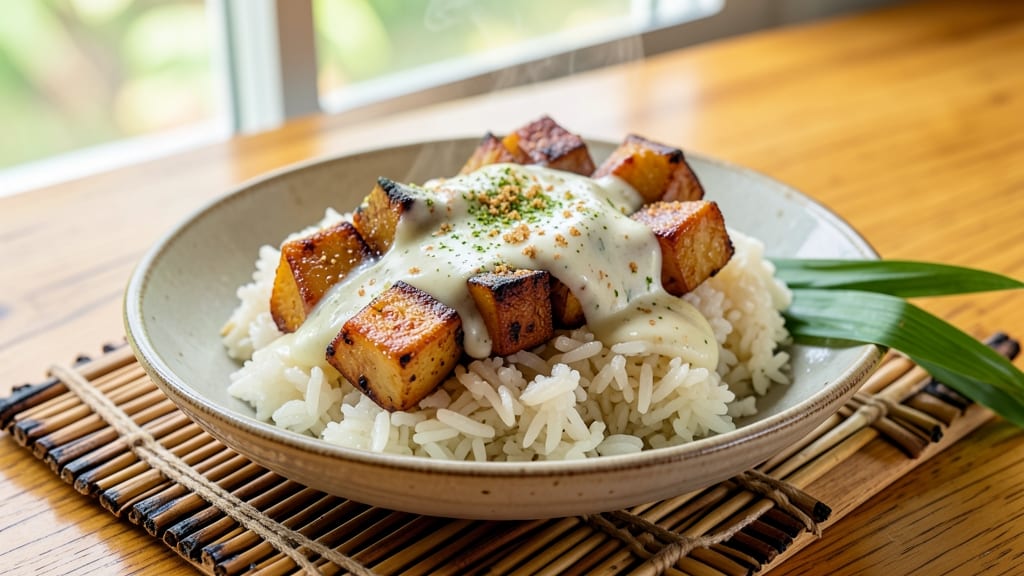
This cassava and glutinous rice recipe transforms humble ingredients into a sticky-sweet tropical delight that’s perfect for special occasions or cozy weeknight dinners. The combination of tender cassava—whether boiled, fried, or mashed—and fragrant glutinous rice creates a dish that’s both comforting and elegant, with just a touch of caramelized sweetness.
I’ve perfected this method to deliver a one-pot solution that minimizes cleanup while maximizing flavor, making it ideal for home cooks who want restaurant-quality results without the fuss.
The beauty of this recipe lies in its versatility—whether you’re preparing a traditional Thai khao tom, a Filipino-inspired bibingka, or a Latin American-style yuca con arroz dulce, the core technique remains the same.
The cassava absorbs the rich coconut milk and palm sugar, while the glutinous rice becomes irresistibly sticky and fragrant. Serve it warm with a sprinkle of toasted coconut flakes or a drizzle of honey for a dish that’s as visually stunning as it is delicious.
Ready in just one pot, this recipe is your gateway to tropical comfort food.
Ingredients for cassava and glutinous rice
Transform humble tropical staples into a restaurant-worthy one-pot dessert with this versatile recipe.
| Ingredient | Amount | Notes |
|---|---|---|
| Fresh Cassava (Yuca) 🍠 | 2 lb | Peeled and cut into 1-inch cubes |
| Glutinous Rice (Sweet Rice) 🍚 | 1 ½ cups | Uncooked, rinsed thoroughly |
| Coconut Milk (Full-Fat) 🥥 | 1 can (13.5 oz) | High-quality, no additives |
| Palm Sugar (or Brown Sugar) 🍯 | ½ cup | Finely ground for even dissolving |
| Fresh Coconut Water 💧 | 1 cup | From young green coconuts |
| Fresh Pandan Leaves 🌿 | 2 whole | Tied into a bundle for infusion |
| Fresh Ginger 🧄 | 2 tbsp | Finely grated for aromatic depth |
| Salt 🧂 | 1 tsp | Diamond Crystal preferred |
| Toasted Coconut Flakes 🥥 | ¼ cup | For garnish, lightly toasted |
| Vanilla Extract 🌸 | 1 tsp | Pure vanilla for subtle sweetness |
| Vegetable Oil 🫒 | 2 tbsp | For shallow frying cassava |
| Lime Juice 🍋 | 1 tbsp | Freshly squeezed for brightness |
The cassava is the foundation—fresh, firm yuca works best, not pre-packaged or waxy varieties. Look for vibrant, unblemished tubers at Asian or Latin markets; they often carry better quality than mainstream grocers. Glutinous rice should be sticky when cooked, so check labels for 'sweet rice' or 'mochigome'. Coconut milk quality matters too—Thai brands like Aroy-D or Chaokoh deliver the richest flavor. For pandan, frozen leaves work in a pinch, but fresh bundles infuse better. Always buy extra ginger since it's used in both cooking and garnish.
No fresh pandan? Vanilla bean paste or a few drops of pandan extract replicate the aroma, though texture differs. Substitute palm sugar with dark brown sugar or coconut sugar if unavailable. For coconut water, light coconut milk diluted with water mimics the liquid ratio. Cassava too fibrous? Boil it first for 10 minutes to soften before frying. The lime juice can be omitted if you prefer a sweeter profile, but it balances the richness beautifully. Toast your coconut flakes in a dry pan for 2-3 minutes until golden—don't walk away or they'll burn.
This dish reheats beautifully—simply warm with 2 tbsp coconut milk per serving over low heat. Stores 3-4 days in the fridge when fully cooled, though texture softens slightly. For longer storage, freeze portions in airtight containers for up to 3 months. The cassava cubes can be pre-cooked and frozen separately, saving time. Garnish with extra coconut flakes and lime zest right before serving to maintain presentation. Leftovers transform into delicious rice pudding—just add more coconut milk and heat through.
Why You'll Love This Recipe
- No Chopping Nightmare: I peel and cut cassava once—no small dice, no fussy prep. Just thick slices simmered until tender, while the glutinous rice soaks up coconut milk like a dream. Honestly, my hands stay cleaner than with most rice dishes.
- Sweet-Savory Magic: The caramelized palm sugar and coconut water create this perfect balance—creamy, slightly sticky, with just enough natural sweetness. Between us, it’s the kind of dish where the first bite makes you pause mid-spoonful.
- Leftover Hero: This keeps for days in the fridge, reheats beautifully, and even tastes better the next day. I’ve packed it for lunches, served it cold with a squeeze of lime, or reheated slices for a quick snack—no waste, all flavor.
- Pantry Staple Power: Uses ingredients you might already have (or can grab cheaply): cassava lasts weeks, rice is a bulk buy, and coconut milk adds richness without breaking the bank. My go-to when I’m low on ideas but high on hunger.
Step-by-step instructions for cassava and glutinous rice
This tropical one-pot recipe delivers perfectly balanced textures and flavors through precise technique.
Prepare the Cassava for Even Cooking
Peel the 2 lb fresh cassava (yuca) using a sharp vegetable peeler or chef's knife, working carefully to remove all the tough brown skin. Cut the peeled cassava into uniform 1-inch cubes—this ensures even cooking throughout the dish. For best results, I recommend soaking the cubed cassava in cold water for 15 minutes to remove any residual starch that could make the texture gummy.
After soaking, drain and pat the cassava dry completely with paper towels. Heat 2 tablespoons vegetable oil in a large, heavy-bottomed pot over medium-high heat. Once the oil shimmers, add the cassava in a single layer and cook undisturbed for 5-6 minutes until the edges turn golden brown. This initial searing develops flavor and prevents the cassava from absorbing too much liquid later in the cooking process.
Build the Flavor Base with Aromatics
Reduce the heat to medium and add the 2 tablespoons finely grated fresh ginger to the same pot. Cook for 1 minute until fragrant—you'll notice the aroma become more intense and slightly spicy. Immediately add the 2 whole fresh pandan leaves tied together with kitchen twine, the 1 cup fresh coconut water, and the 1 can (13.5 oz) full-fat coconut milk. Stir gently to combine, scraping up any browned bits from the bottom of the pot.
Bring the mixture to a gentle simmer, then add the 1.5 cups rinsed glutinous rice (sweet rice) and 1 teaspoon salt. The rice should be fully submerged in the liquid. Here's the thing—don't stir the rice constantly. Let it sit undisturbed for 2 minutes to allow the grains to absorb the liquid evenly. This initial resting period prevents the rice from becoming mushy.
Simmer to Perfect Texture
Once the rice has settled, gently stir once more to distribute any grains that might have risen to the surface. Add the 0.5 cup finely ground palm sugar (or brown sugar) and 1 teaspoon vanilla extract, stirring until the sugar dissolves completely. The mixture should smell sweetly tropical with hints of pandan and vanilla. Cover the pot tightly with a lid and reduce the heat to low.
Simmer for 45-50 minutes without lifting the lid. The rice needs this undisturbed time to absorb the coconut milk and develop that signature sticky texture. After 30 minutes, check the rice—if the liquid has been fully absorbed but the rice still feels slightly firm, add 2-3 tablespoons of water through the lid's steam vent to prevent burning. The cassava should be tender when pierced with a fork, but still hold its shape slightly.
Finish with Brightness and Garnish
When the rice is tender and the mixture has a thick, pudding-like consistency, remove the pot from heat. Carefully remove and discard the pandan leaf bundle. Stir in the 1 tablespoon freshly squeezed lime juice—this final step brightens the dish and cuts through the richness of the coconut milk. The mixture should have a vibrant, slightly tangy aroma that signals it's ready to serve.
Transfer the cassava and rice mixture to a serving bowl or directly to individual plates. Garnish each serving with 0.25 cup toasted coconut flakes for texture contrast and visual appeal. Serve immediately while warm, as the sticky texture is best enjoyed right out of the pot. The cassava should be tender yet slightly firm, while the rice creates a luscious, slightly chewy base that clings to each bite.
Pro Tips For Making Cassava And Glutinous Rice
- PEEL CASSAVA THINLY: Use a sharp knife and cut off just the outer skin—don’t strip away too much, or you’ll lose the tender, starchy layers underneath. I learned this the hard way after peeling too aggressively and ending up with dry, chewy chunks instead of the creamy texture this dish needs.
- SOAK RICE 4+ HOURS: Glutinous rice absorbs water like a sponge, and skipping a long soak means gummy, uneven grains. Toss it in cold water (1:3 rice-to-water ratio) and let it sit—yes, even overnight if you’re forgetful. The longer it soaks, the fluffier and more tender it’ll be when steamed.
- STEAM CASSAVA UNTIL FINGER-TESTED: Pierce the cassava before steaming to prevent explosions (trust me, it’s worse than it sounds), then check for doneness by sliding a knife in—it should glide in like butter, not fight you. Overcooking turns it mushy; undercooking leaves it raw-tasting. Aim for that perfect middle where it’s soft but holds shape.
- SWEAT PALM SUGAR FIRST: Bloom the palm sugar (or brown sugar) in coconut milk over low heat for 2-3 minutes—it caramelizes slightly and deepens the flavor. Skipping this step means your dish will taste sweet but one-dimensional. Stir constantly, or it’ll burn before you know it.
Flavor customization for these flavors
Sweet vs. Savory
This dish thrives as both a dessert and savory side—it's all about the balance. For a sweet tropical dessert, stick with the original recipe using palm sugar and vanilla. The coconut milk and lime juice create a perfect harmony.
For a savory twist, swap the palm sugar for 1 tbsp soy sauce and 1 tsp turmeric, then finish with crushed peanuts and fresh cilantro. The ginger and coconut milk still shine, but now with an umami depth that pairs beautifully with grilled proteins. 🌶️
Spicy Heat Level
If you love heat, add 1 tbsp sambal oelek or 1-2 sliced Thai chilies when searing the cassava. For a milder kick, reduce to ½ tsp chili flakes or 1 tsp sweet chili sauce at the end.
I recommend starting with 1 tsp chili paste—you can always add more, but removing heat is trickier. Balance spice with extra lime juice if needed. The cassava’s natural starchiness helps mellow the burn. 🔥
Coconut Variations
Swap coconut milk for 1 cup full-fat Greek yogurt and ½ cup coconut milk for a lighter, tangier version. For extra richness, use 1 can (13.5 oz) coconut cream instead of milk—it’s thicker and adds a velvety texture.
If you’re avoiding dairy, cashew cream (blended soaked cashews + water) works beautifully, though the flavor will be slightly nuttier. Toast 1 tbsp desiccated coconut with the cassava for added aroma. 🥥
Regional Twists
For a Thai-inspired khao tom, add 1 tsp pandan extract and top with crumbled mung bean noodles. In Filipino bibingka style, fold in ½ cup shredded young coconut and sprinkle with grated cheese before serving.
For a Latin American touch, replace pandan with 1 cinnamon stick and garnish with lime zest and tajín. Each version keeps the cassava and rice core but adapts to local flavors. 🗺️
Texture Adjustments
Want firmer cassava? Reduce simmering time to 35-40 minutes and add 1 extra tablespoon of oil when searing. For softer rice, increase simmering to 50-55 minutes and add 1 extra tablespoon of coconut milk if dry.
To make it extra sticky, mash ½ the cooked rice into the mixture before the final simmer—this creates a pudding-like consistency. 💫
Garnish Ideas
Beyond toasted coconut flakes, try crushed macadamia nuts for crunch or edible flowers for elegance. A drizzle of honey or agave adds glossy sweetness, while lime zest brightens the palette.
For a smoky touch, sprinkle toasted sesame seeds or smoked salt. Save 1 tbsp lime juice for garnish—its acidity cuts through the richness and makes the dish pop. ✨
Nutrition facts
Frequently asked questions
Can I use pre-cooked cassava (yuca) for this recipe?
Fresh cassava works best for texture, but you can use pre-cooked cassava in a pinch! Just boil or steam it until tender (15-20 minutes), then cut into 1-inch cubes and pat dry. Skip the initial frying step—add the pre-cooked cassava directly to the pot with the coconut milk. Expect slightly softer cubes, but the flavor will still shine.
Why does my glutinous rice turn out dry or grainy?
This usually happens when the rice absorbs too much liquid too quickly. To fix it, use 1:1.5 ratio of rice to coconut milk (1.5 cups rice to 2.25 cups coconut milk) and simmer 10 minutes longer with the lid slightly ajar. For extra stickiness, mash ½ the rice gently before the final simmer.
What’s the best way to store leftovers?
Store in an airtight container in the fridge for 3-4 days, or freeze for 3 months. Reheat gently with 2 tbsp coconut milk per serving over low heat—never microwave directly, as it can make the rice gummy. For best texture, reheat until just warm, then garnish fresh.
Can I make this recipe without pandan leaves?
Substitute with 1 tsp pandan extract or ½ tsp vanilla bean paste + ½ tsp cinnamon. For a nutty twist, add 1 tbsp toasted coconut oil when searing the cassava. The dish will still taste delicious—just slightly less aromatic.
How do I adjust the sweetness for kids or diabetics?
For kids, reduce palm sugar to 0.25 cup and add 1 extra tbsp lime juice for brightness. For diabetics, swap sugar with 0.25 cup monk fruit sweetener or 0.5 cup unsweetened applesauce, and increase vanilla to 1.5 tsp to maintain flavor depth.