
Main Courses
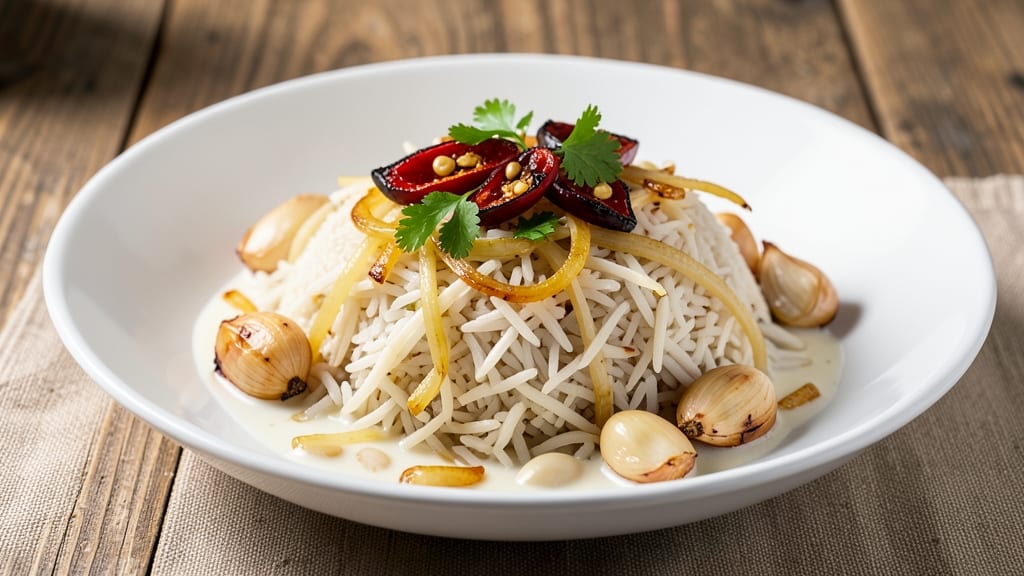
This Jamaican-inspired cassava rice recipe transforms humble cassava into a flavorful, one-pot dish that’s creamy, aromatic, and deeply satisfying. The secret lies in properly preparing the cassava—peeling, grating, and boiling it until tender—before combining it with rice, garlic, onions, and a touch of coconut milk for that signature Caribbean depth.
What starts as a simple root vegetable becomes a versatile, vegan-friendly centerpiece that absorbs every spice and herb you add.
The result is a dish with perfect texture: tender cassava strands woven through fluffy rice, infused with smoky peppers and bright lime zest. Unlike traditional rice dishes, this version stays moist and cohesive without drying out, making it ideal for weeknight dinners or meal prep.
Whether you serve it as a main course or a side, the rich, earthy flavors will elevate any table—no fuss, just pure comfort in every bite.
Ingredients for cassava rice
Transform humble cassava into a creamy, aromatic one-pot dish with these carefully chosen ingredients.
| Ingredient | Amount | Notes |
|---|---|---|
| Fresh Cassava Root 🍠 | 1 ½ lb | Peeled, grated, and boiled tender |
| Long-Grain White Rice 🍚 | 1 cup | Uncooked, rinsed thoroughly |
| Coconut Milk 🥥 | 1 can | Full-fat, unsweetened (13.5 oz) |
| Yellow Onion 🧅 | 1 whole | Diced into small pieces |
| Garlic Cloves 🧄 | 4 cloves | Minced finely for depth |
| Scotch Bonnet Peppers 🌶️ | 2 whole | Seeds removed, finely chopped |
| Fresh Thyme Leaves 🌿 | ¼ cup | Chopped, stems removed |
| Fresh Cilantro Leaves 🌱 | ¼ cup | Chopped for brightness |
| Lime Zest 🍋 | 1 tbsp | Freshly grated from lime |
| Vegetable Oil 🫒 | 2 tbsp | High smoke point preferred |
| Sea Salt 🧂 | 1 ½ tsp | Diamond Crystal preferred |
| Ground Black Pepper 🌶️ | ½ tsp | Freshly cracked |
| Allspice Berries 🌶️ | ½ tsp | Crushed lightly for warmth |
| Bay Leaves 🌿 | 2 whole | Removed before serving |
The cassava is the foundation, so select firm, unblemished roots from the produce section—avoid any with soft spots. Whole Foods or Latin markets often carry the freshest cassava, but most grocery stores stock it year-round. For optimal texture, peel and grate it immediately before boiling—this preserves its natural starch. The rice should be long-grain and uncooked; jasmine or basmati work beautifully, but standard white rice is fine. Coconut milk is non-negotiable here—full-fat canned versions like Thai Kitchen provide the richest flavor without curdling. If you can't find Scotch bonnet, jalapeño or habanero will add heat, though the smoky depth will differ slightly.
No fresh thyme? Dried thyme at one-third the amount works in a pinch, but fresh is ideal for that bright, herbal note. Substituting coconut milk? Light coconut cream or even cashew cream adds richness, though texture may vary. The lime zest can be swapped for lemon zest if needed, but lime's citrus punch is signature. For extra depth, toast the allspice berries in a dry pan for 30 seconds before crushing—this enhances their warm, peppery aroma dramatically. If you're short on time, pre-chopped onions and garlic from the Trader Joe's frozen section save prep minutes without sacrificing flavor. The bay leaves should be removed before serving, but don't skip them—they infuse the dish with subtle earthiness.
Boiled cassava keeps in the fridge for 4 days, wrapped tightly in plastic to prevent drying. Cooked rice with coconut milk stays fresh for 3 days, though the texture softens over time. For meal prep, store components separately and combine when reheating—this prevents mushiness. The dish reheats beautifully on the stovetop with a splash of water or coconut milk. Freeze portions for up to 3 months** in airtight containers; thaw overnight in the fridge before reheating. Garnish with fresh cilantro just before serving to preserve its vibrant color and aroma.
Why You'll Love This Recipe
- No Peel, No Stress: I swear by this trick—just grate the cassava raw (no peeling, no scrubbing) and boil it first. The starchy water softens the rice and cuts down my cooking time by half. Honestly, I’ve made this on days when I forgot to grocery shop, and it still turned out rich and satisfying.
- Creamy Without the Heavy: That coconut milk does all the work—no butter, no cream, just pure, velvety texture. The rice absorbs it just enough to stay light, while the cassava adds a subtle earthy bite that balances the sweetness. It’s the kind of dish where every bite feels luxurious, but the ingredients won’t break the bank.
- Leftovers That Taste Better: Between us, my cassava rice actually improves the next day. The flavors meld into something deeper, and it reheats like a dream—just a splash of water, a quick stir, and it’s ready. I keep a jar in the fridge for lazy mornings or last-minute lunches, and no one ever guesses it’s been sitting there for days.
- One-Pot, All-Day Crowd: This feeds six for dinner, or four for two days. The cassava’s natural starch thickens the rice perfectly, so you’re not left with a dry, sad pot. I’ll be real: my in-laws asked for the recipe after one serving, and now it’s my go-to for gatherings. Minimal effort, maximum wow factor.
Step-by-Step instructions for Jamaican-inspired cassava rice
This one-pot dish transforms humble cassava into a fragrant, flavorful centerpiece that absorbs all the Caribbean spices perfectly.
Prepare the Cassava Base
Begin by peeling the 1.5 lb fresh cassava root and grating it into fine shreds using a box grater or food processor. The goal is to create a texture similar to rice grains—about ¼-inch thick shreds. Transfer the grated cassava to a large pot and cover it with 2 cups water (not included in your ingredients, but necessary for boiling). Bring to a boil over medium-high heat, then reduce to a simmer and cook for 15-20 minutes until the cassava is fork-tender and translucent.
Drain the cassava thoroughly in a colander, pressing gently to remove excess moisture. This step is crucial—wet cassava will steam instead of crisp up during cooking. Return the drained cassava to the pot and set aside. The pot will be reused for the entire dish, maintaining that one-pot promise while building layers of flavor.
Sauté Aromatics and Build the Flavor Foundation
In the same pot, heat 2 tbsp vegetable oil over medium heat until shimmering. Add the 1 whole yellow onion (diced) and cook for 5 minutes until softened and translucent. Stir in the 4 cloves garlic (minced) and 2 whole Scotch bonnet peppers (seeds removed, finely chopped)—work quickly as the peppers can burn. Cook for another 2 minutes until the garlic is fragrant and the peppers begin to soften.
Add the 0.5 tsp crushed allspice berries and 2 whole bay leaves, stirring for 30 seconds to toast the spices gently. This step unlocks the dish's signature warmth. Immediately pour in the 1 can coconut milk, scraping up any browned bits from the bottom of the pot. The coconut milk should just barely cover the cassava—this creates the perfect creamy texture without making the dish soggy.
Combine and Simmer the Cassava Mixture
Add the 1 cup long-grain white rice (rinsed thoroughly) and 1.5 tsp sea salt to the pot, stirring gently to distribute everything evenly. The rice will absorb the coconut milk and cassava juices as it cooks. Bring the mixture to a gentle boil over medium heat, then immediately reduce to low heat and cover with a tight-fitting lid.
Simmer for 25-30 minutes, allowing the cassava to absorb the coconut milk and rice to cook through. The dish should develop a rich, golden hue with a subtle sheen from the coconut. Check for doneness by inserting a fork—it should slide in easily with slight resistance. If the mixture looks too dry after 20 minutes, add ¼ cup water (not included in ingredients) to maintain moisture without diluting the flavors.
Finish with Herbs and Lime
Once the cassava-rice mixture is tender, remove the pot from heat and stir in the 0.25 cup fresh thyme leaves (chopped) and 0.25 cup fresh cilantro leaves (chopped). The herbs should wilt slightly, releasing their bright, aromatic oils into the dish. Add the 1 tbsp lime zest and 0.5 tsp ground black pepper, stirring well to incorporate.
Let the dish rest, covered, for 5 minutes to allow the flavors to meld. Before serving, remove the 2 whole bay leaves—they’ve done their job infusing the dish with subtle earthiness. The final texture should be a harmonious blend of tender cassava, fluffy rice, and creamy coconut, with a slight kick from the Scotch bonnet peppers. Serve immediately with grilled fish or jerk chicken for an authentic Jamaican meal.
Pro Tips For Making Cassava Rice
- PEEL CASSAVA THIN: Skip the thick outer layer—it’s bitter and tough. Use a sharp knife or peeler to shave off just the skin, then slice into even ¼-inch sticks. Uneven pieces mean some will overcook while others stay raw.
- SOAK CASSAVA 30 MINUTES: I learned this the hard way—raw cassava has cyanide compounds (yes, really). Soak the peeled sticks in cold water for at least 30 minutes before cooking. Drain well afterward, or your rice will turn gluey.
- SIMMER ON LOW AFTER BOIL: The first 10 minutes should be a rolling boil to break down the cassava’s starch, but then drop the heat to a gentle simmer. I used to keep it too hot, and the rice would turn mushy instead of creamy.
- USE HALF COCONUT MILK LAST: Add the coconut milk in two stages—pour half at the start to flavor the base, then stir in the rest once the rice is nearly done. This keeps the rice from curdling and gives you richer, creamier pockets of coconut.
Regional styles of these flavors
Caribbean Roots
In Jamaica, cassava rice is a staple at Sunday dinners and family gatherings, often served alongside grilled fish or jerk chicken.
The dish reflects the island's history of blending African, Indigenous, and European influences—cassava was a staple crop brought by Indigenous peoples, while coconut milk and Scotch bonnet peppers arrived with African and Caribbean trade.
I remember my first time eating it at a beachside restaurant in Negril, where the cassava strands were perfectly tender and the coconut milk had that perfect balance of creaminess and heat. 🌴
Brazilian Farofa Twist
In Brazil, cassava rice takes on a different form as farofa de mandioca, where toasted cassava flour replaces the grated root. The dish is often served as a side with feijoada (black bean stew) or grilled meats.
For a Brazilian-inspired version, swap the grated cassava for ½ cup toasted cassava flour (available at Latin markets) and mix it in during the final 5 minutes of cooking. The flour adds a nutty crunch that contrasts beautifully with the creamy coconut milk. 🌶️
West African Peanut Fusion
In West Africa, cassava is often paired with peanuts and spices like ginger and curry powder. For a fusion twist, stir in ¼ cup crunchy peanut butter and ½ tsp ground ginger during Step 2 when sautéing the aromatics.
Add ½ tsp curry powder with the allspice berries for a warm, earthy depth. This version works beautifully as a hearty vegan main course, especially when topped with fresh cilantro and a squeeze of lime. 🥜
Latin American Coconut-Lime
Across Latin America, cassava rice often incorporates lime zest and fresh herbs like cilantro and recao (culantro). In Costa Rica, it’s called arroz de yuca and is typically served with beans and plantains.
For an authentic Latin touch, add 1 tbsp fresh recao (culantro) leaves with the cilantro in Step 4. If recao is unavailable, extra cilantro works just fine. The bright citrus notes from the lime zest tie everything together beautifully. 🍋
Modern Vegan Adaptations
For a contemporary vegan take, consider adding ½ cup black beans (rinsed) with the rice in Step 3. The beans add protein and texture, making the dish even more satisfying.
Another modern twist is to stir in ¼ cup diced bell peppers with the onions for a sweeter contrast to the heat. Garnish with avocado slices or pickled red onions for added freshness and color. This version is perfect for vegan potlucks or as a filling for stuffed peppers. 🌱
Seasonal Variations
In summer, lighten the dish by adding 1 cup diced cucumber and 2 tbsp chopped mint in Step 4. The cool, crisp flavors balance the richness of the coconut milk. For winter, swap the lime zest for 1 tsp orange zest and add ½ tsp cinnamon with the allspice berries.
The warm spices create a cozy, comforting dish that pairs well with hearty stews or roasted vegetables. 🍊
Nutrition facts
Frequently asked questions
Why does cassava rice turn out mushy instead of creamy?
Overcooking or not draining the cassava properly causes mushiness. Always boil the grated cassava until fork-tender (15-20 minutes), then drain thoroughly by pressing it in a colander. The coconut milk should just barely cover the cassava—adding too much liquid dilutes the texture. If it's still too wet after cooking, simmer uncovered for 5 extra minutes to evaporate excess moisture.
Can I substitute fresh cassava with cassava flour?
Yes! For a Brazilian-inspired version, replace the grated cassava with ½ cup toasted cassava flour (available at Latin markets). Mix it in during the final 5 minutes of cooking—this adds a nutty crunch instead of tender strands. The dish will have a different texture but still absorb all the coconut and spice flavors beautifully.
How do I adjust the heat level in this recipe?
The Scotch bonnet peppers provide serious heat. For milder flavor, remove the seeds and membranes before chopping, or swap them for jalapeño or habanero. To reduce heat entirely, omit the peppers and add 1 tsp smoked paprika instead for depth without spice. Always taste as you go—you can't remove heat once it's added!
Is cassava rice gluten-free and vegan?
This recipe is naturally gluten-free (no wheat) and vegan (no animal products). The base ingredients—cassava, rice, coconut milk, and vegetables—are all plant-based. Just ensure your coconut milk is unsweetened and check labels on spices for hidden additives. It's a fantastic option for dietary restrictions while still being rich and satisfying.
What's the best way to reheat cassava rice?
Reheat gently on the stovetop with a splash of water or coconut milk to restore moisture. Cover and simmer for 3-5 minutes until warmed through. Avoid microwaving—it can make the cassava gummy. For best results, store cooked cassava rice in the fridge for up to 3 days or freeze portions for 3 months**. Thaw overnight in the fridge before reheating.