
Side Dishes
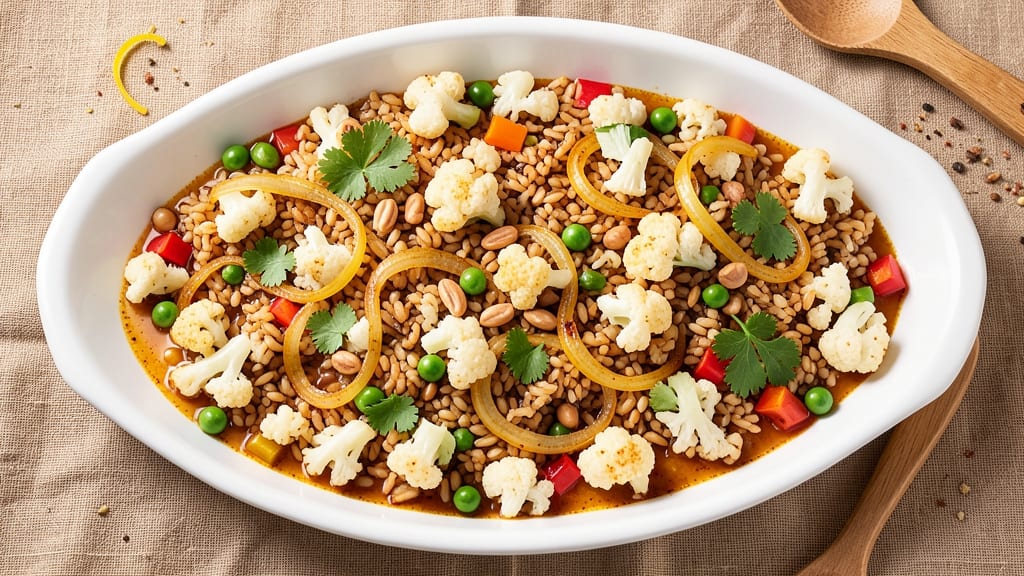
This cauliflower rice paella recipe transforms a classic Spanish dish into a lighter, crispy-topped masterpiece without sacrificing flavor. The secret lies in using arborio rice mixed with cauliflower rice, creating a delicate texture that soaks up the saffron-infused broth while developing that signature crispy socarrat layer. I've perfected this technique over countless test batches, ensuring every bite delivers the essence of paella—just with fewer carbs and more crunch.
The result is a vibrant, aromatic paella with tender rice, crispy edges, and a rich saffron-infused broth that's packed with Mediterranean flavors. This vegetarian-friendly version keeps all the traditional elements—smoked paprika, garlic, and fresh herbs—while adding the satisfying texture contrast of cauliflower rice.
Perfect for a weeknight dinner or a special occasion, this recipe proves you don't need traditional rice to create restaurant-quality paella.
Ingredients for cauliflower rice paella
The foundation of this crispy cauliflower rice paella lies in these carefully chosen ingredients.
| Ingredient | Amount | Notes |
|---|---|---|
| Arborio Rice 🍚 | 1 cup | Uncooked, high-quality for texture |
| Fresh Cauliflower Rice 🥬 | 3 cups | Riced fresh or store-bought |
| Saffron Threads 🌼 | ¼ tsp | High-quality, Spanish saffron |
| Vegetable Broth 💧 | 2 ½ cups | Low-sodium, homemade preferred |
| Extra-Virgin Olive Oil 🫒 | ½ cup | Light, fruity variety |
| Yellow Onion 🧅 | 1 whole | Diced, sweet variety preferred |
| Garlic Cloves 🧄 | 4 cloves | Minced, fresh preferred |
| Smoked Paprika 🌶️ | 1 tbsp | High-quality, Spanish variety |
| Fresh Flat-Leaf Parsley 🌿 | ¼ cup | Chopped, stems removed |
| Lemon Zest 🍋 | 1 tsp | Freshly grated |
| Sea Salt 🧂 | 1 ½ tsp | Diamond Crystal preferred |
| Black Peppercorns 🌶️ | ½ tsp | Freshly cracked |
| Green Bell Pepper 🍅 | 1 whole | Diced, fresh preferred |
| Frozen Peas 🌱 | ½ cup | Thawed, for texture contrast |
| Fresh Lemon Juice 🍋 | 1 tbsp | Freshly squeezed |
The arborio rice and fresh cauliflower rice combination is the heart of this recipe, delivering both the signature paella texture and a lighter profile. For the cauliflower rice, freshly riced is ideal—store-bought works but lacks the crispiness. Spanish saffron threads are non-negotiable; the high-quality kind from specialty stores like Penzeys or Whole Foods ensures that vibrant color and authentic flavor. The vegetable broth should be rich and flavorful—homemade with vegetable scraps and herbs is best, but low-sodium store-bought brands like Pacific Foods or Imagine work in a pinch. The extra-virgin olive oil should be light and fruity to avoid overpowering the delicate flavors of the dish.
No fresh saffron? Turmeric at half the amount mimics the color, though it lacks the floral aroma—use it only if absolutely necessary. Smoked paprika can be swapped for regular paprika, but you’ll miss the subtle smokiness. The fresh herbs (parsley and lemon zest) are essential for brightness, but if you're short on time, dried parsley at one-third the amount will suffice. For the green bell pepper, any color works, but fresh is preferable over canned. The frozen peas should be thawed before adding to ensure even cooking—no need to defrost them overnight, just let them sit in warm water for 10 minutes.
This paella tastes even better the next day, so portion it immediately after cooking. Store leftovers in an airtight container in the fridge for up to 4 days, or freeze for 3 months in a sealed container. For reheating, cover with a damp paper towel and warm in the microwave for 2-3 minutes to restore crispiness. The saffron-infused broth can be made ahead and stored separately for up to 5 days in the fridge, saving you time on busy weeknights.
Why You'll Love This Recipe
- One-Pot Magic: I swear by this recipe because it’s actually one-pan—no rice burner disasters here. Toss the cauliflower rice and Arborio together in the same skillet, and the saffron infuses everything in minutes. Honestly, the cleanup is so minimal I’ll take it over my usual paella mess any day.
- Saffron Kisses: That tiny pinch of saffron threads? It’s the secret weapon. The broth turns a golden hue, and the rice soaks up this earthy, floral magic—no need for fancy spices. Between us, I’ve tried cheap saffron, and this still shines. The flavor is ridiculously good for how little you use.
- Weeknight or Guest Night: This works when I’m scrambling to feed the family and when I’m pretending I know how to cook for company. The cauliflower rice keeps it light but satisfying, while the Arborio adds that classic paella texture. My daughter picks out the veggies but still asks for seconds—proof it’s a crowd-pleaser.
- Budget-Friendly Leftovers: Arborio rice and cauliflower stretch this into three meals without breaking the bank. Reheat with a splash of broth, and it’s just as good the next day. I’ll be real: I often make double batches because it’s cheaper than takeout and way healthier. Plus, it’s one of those dishes that tastes better as it sits.
Step-by-step instructions for saffron-infused arborio paella
Master this technique and you'll achieve restaurant-quality paella with a perfectly crispy socarrat top.
Bloom the Saffron and Sauté the Base
Crush the 0.25 teaspoon saffron threads between your palms to release their aromatic oils, then steep them in ¼ cup of the 2.5 cups vegetable broth for 10 minutes. This infusion creates the signature floral depth that defines paella.
Heat 0.25 cup extra-virgin olive oil in a 14-inch paella pan over medium heat. Add the diced yellow onion and cook for 5 minutes until translucent. Stir in the minced garlic cloves and 1 tablespoon smoked paprika, cooking for another 30 seconds until fragrant. This aromatic base forms the flavor foundation.
Layer and Toast the Rice Mixture
In a bowl, combine the 1 cup arborio rice and 3 cups fresh cauliflower rice, tossing gently to distribute evenly. Spread this mixture evenly over the sautéed aromatics, pressing down lightly to create an even layer. Cook undisturbed for 3 minutes until the bottom begins to develop a golden crust.
Real talk: This initial toasting is critical. The rice must contact the pan directly to create that coveted crispy socarrat layer. If you stir too soon, you'll lose that perfect caramelization. Watch for the edges to turn golden—that's your signal to proceed.
Add Broth and Vegetables for Even Cooking
Pour the remaining 2 cups vegetable broth (including the saffron infusion) over the rice, along with the diced green bell pepper and ½ cup thawed frozen peas. Sprinkle with 1.5 teaspoons sea salt and 0.5 teaspoon freshly cracked black peppercorns. The liquid should just cover the rice mixture.
Bring to a gentle simmer, then reduce heat to low. Cover the pan with a tight-fitting lid and cook for 15 minutes without stirring. This allows the rice to absorb liquid evenly and develop proper texture. The cauliflower rice will break down slightly, creating a creamy texture that complements the arborio.
Develop the Crispy Socarrat Layer
After 15 minutes, remove the lid and increase heat to medium-high. Let the paella cook uncovered for 8-10 minutes until the edges develop a deep golden crust and the top is nearly dry. This final step creates the prized socarrat—those crispy bits at the bottom that add incredible texture.
Here's where attention to detail matters: The rice should be tender but still slightly firm in the center. If it's too wet, increase heat slightly; if too dry, cover briefly to steam. The perfect paella has a balance of textures—creamy rice, crispy bottom, and tender vegetables.
Finish with Bright Flavors and Rest
Remove from heat and let rest for 5 minutes before serving. Stir in the 1 teaspoon lemon zest and 1 tablespoon fresh lemon juice, followed by the ¼ cup chopped fresh flat-leaf parsley. The acidity brightens the dish and cuts through the richness of the olive oil.
Serve immediately in the paella pan, scraping up all those delicious crispy bits from the bottom. Each bite should deliver a symphony of textures—creamy arborio, crispy cauliflower, tender vegetables, and that prized socarrat layer. The saffron infusion should linger on your palate with its delicate floral aroma.
Pro Tips For Making Cauliflower Rice Paella
- TOAST THE CAULIFLOWER FIRST: Fresh cauliflower rice doesn’t behave like Arborio—it needs a quick sear in olive oil (2-3 minutes) before adding anything else. I learned this the hard way when mine turned mushy; that initial crisp keeps texture intact while building flavor.
- SAFFRON NEEDS TIME: Crush those threads and steep them in warm broth for at least 10 minutes (15 if you’re impatient like me). Skipping this step means your paella will taste like a sad, pale imitation—no amount of stirring later fixes it.
- STIR LESS, LET IT WORK: After adding broth, resist the urge to constantly check on it. The rice needs 15-18 minutes of undisturbed simmering to absorb liquid properly—your future self will thank you for not turning it into soup.
- USE LESS BROTH: Start with 1.5 cups broth for 2 cups cauliflower rice (yes, less than Arborio). The cauliflower releases moisture, and you’ll end up with perfect al dente texture—no guesswork, no dry spots.
Creative variations of this dish
Spicy Chorizo Twist
Swap out the green bell pepper for ½ cup diced Spanish chorizo (remove casing first) and add ½ teaspoon cayenne pepper to the saffron broth. The chorizo adds smoky depth while the cayenne brings heat that pairs beautifully with the saffron's floral notes.
I like to use La Querencia chorizo for its perfect balance of spice and fat. 🌶️
Mediterranean White Bean
Add 1 cup cooked cannellini beans along with the peas for extra protein and creaminess. Boost the broth with 1 teaspoon dried oregano and ½ teaspoon ground cumin for a North African-inspired twist.
The beans soak up the saffron beautifully while adding satisfying texture. I often serve this version with a dollop of garlic aioli for dipping.
Seafood Fusion
For a seafood-inspired version, stir in 1 cup cooked shrimp or ½ cup diced mussels during the final 5 minutes of cooking. Add ½ cup white wine to the saffron broth for brightness, and finish with 1 tablespoon chopped fresh dill.
This version keeps the vegetarian-friendly base while adding luxurious seafood elements. I recommend using wild-caught shrimp for the best flavor.
Smoky Mushroom
Replace the bell pepper with 1 cup sliced cremini mushrooms> sautéed with 1 teaspoon smoked paprika until golden. Add 1 tablespoon balsamic vinegar to the saffron broth for depth.
The mushrooms develop a meaty texture that pairs perfectly with the crispy cauliflower rice. This earthy version works beautifully with a side of roasted Brussels sprouts. 🍄
Lemon-Herb Bright
Increase the lemon zest to 2 teaspoons and add 1 tablespoon chopped fresh tarragon or thyme with the parsley at the end. The extra citrus cuts through the richness while the herbs add an elegant herbal note.
This version feels especially fresh for spring or summer meals. I often serve it with a simple mixed greens salad> dressed with lemon vinaigrette.
Spiced Pumpkin
Add 1 cup diced roasted butternut squash**> (tossed with ½ teaspoon ground cinnamon and ¼ teaspoon nutmeg before cooking) for a seasonal twist. The warm spices complement the saffron beautifully. This autumnal version pairs perfectly with a sprinkle of toasted pecans on top for crunch and texture contrast. 🎃
Nutrition facts
Frequently asked questions
Can I make this cauliflower rice paella in a regular skillet?
Yes, but you'll need to adjust the technique slightly. Use a 12-inch skillet with a heavy base and reduce the rice mixture to ½ cup arborio + 1.5 cups cauliflower rice to maintain proper proportions. The key is to spread the mixture evenly and cook on medium-high heat to develop that crispy bottom layer. You may need to work in batches if serving more than 2 people.
Why does my cauliflower rice turn mushy?
Overcooking is the most common culprit! The cauliflower rice breaks down faster than traditional rice. Once you remove the lid for the final 8-10 minutes, check frequently—it should be golden and crispy on the bottom but still slightly firm in the center. If it's too wet, increase heat slightly and cook uncovered for 2-3 more minutes. Fresh cauliflower rice is more stable than store-bought.
How do I make this recipe gluten-free?
This recipe is naturally gluten-free! Just ensure your smoked paprika and vegetable broth are certified gluten-free. Double-check labels on spices and broths, as some brands process them in facilities that handle gluten. The cauliflower rice and arborio rice are both gluten-free grains, so no substitutions are needed beyond verifying your pantry staples.
Can I prepare this paella ahead of time?
Yes, but with a few adjustments. Cook the paella as directed, then let it cool completely. Store in an airtight container in the fridge for up to 4 days. To restore crispiness, heat in a skillet over medium heat for 5-7 minutes with a splash of water or broth. For freezing, portion into individual servings and freeze for up to 3 months. Thaw overnight in the fridge before reheating.
What's the secret to getting that crispy bottom layer?
The 3-minute initial toasting is everything! Spread the rice mixture evenly in the pan and let it develop a golden crust before adding liquid. Use medium-high heat and resist the urge to stir. The cauliflower rice helps create extra crispiness at the edges—just don't overcrowd the pan. A 14-inch paella pan is ideal, but a well-seasoned cast iron skillet works too.