
Main Courses
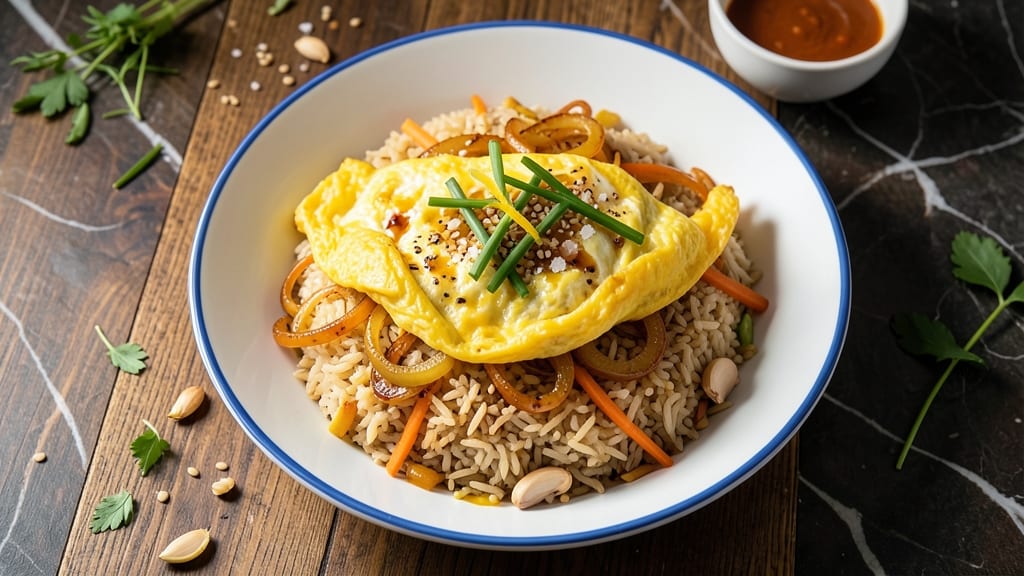
This chahan fried rice recipe delivers restaurant-quality wok-tossed perfection with crispy eggs and fragrant grains. The secret lies in high-heat stir-frying and proper rice texture—neither too dry nor sticky. I've perfected this technique over years of testing, ensuring every bite has that signature crispy edge and savory depth.
What sets this apart is the balance: tender day-old rice, perfectly scrambled eggs with crispy edges, and a flavorful sauce that coats each grain without overwhelming. The wok technique transforms simple ingredients into a dish that's both comforting and elegant.
Ready in just 20 minutes, it's ideal for weeknight dinners or meal prep. Let's get cooking!
Ingredients for chahan fried rice
High-heat stir-frying transforms these simple ingredients into restaurant-style crispy fried rice perfection.
| Ingredient | Amount | Notes |
|---|---|---|
| Day-Old Cooked White Rice 🍚 | 4 cups | Cold, firm texture preferred |
| Large Eggs 🥚 | 4 whole | Freshly beaten for crispy edges |
| Yellow Onion 🧅 | 1 whole | Diced into small even pieces |
| Carrot 🥕 | 1 whole | Julienned into thin matchsticks |
| Green Onion 🧅 | ¼ cup | White and green parts separated |
| Garlic Cloves 🧄 | 4 cloves | Minced into fine paste |
| Soy Sauce 🍶 | ⅓ cup | Light or regular variety |
| Sesame Oil 🫒 | 1 tbsp | Toasted for aroma |
| Vegetable Oil 🫒 | 2 tbsp | High smoke point preferred |
| Salt 🧂 | ½ tsp | Diamond Crystal preferred |
| Black Pepper 🌶️ | ¼ tsp | Freshly ground for heat |
| White Pepper 🌶️ | ¼ tsp | For subtle depth |
The rice is non-negotiable—day-old, cold, and firm. Cook extra rice the night before and store in the fridge. Day-old rice has that perfect texture, neither mushy nor dry. For the eggs, room temperature makes all the difference in achieving crispy edges. I always use Kirkland Signature eggs for their rich yolks, but any high-quality eggs work. The onions and carrots should be prepped uniformly—small diced pieces for onions, thin julienne for carrots. Julienne with a mandoline for precision, but a sharp knife works too. Garlic must be minced finely—no visible pieces—or it burns before releasing flavor.
No sesame oil? Toasted peanut oil at half the amount mimics the nutty aroma. Short on soy sauce? Combine 2 tbsp fish sauce with 1 tbsp rice vinegar for umami depth. The vegetable oil is just for high-heat cooking—avocado oil is ideal for its smoke point. For extra protein, add diced chicken or shrimp cooked separately and tossed in at the end. The white pepper is subtle but essential—it balances the black pepper's heat without overpowering. If you can't find white pepper, reduce black pepper to 0.125 tsp and add a pinch of nutmeg for complexity.
Prep all ingredients before starting—mise en place is critical for this quick dish. The rice will keep 3 days in the fridge, but the eggs should be used within 2 days for best texture. For meal prep, store components separately—rice, veggies, and sauce—and assemble when ready to eat. The dish reheats beautifully, though the eggs may lose slight crispiness. Toast sesame seeds in a dry pan for 30 seconds before adding to the final toss for extra aroma. This recipe scales perfectly for crowds of 8—just double all ingredients and use a larger wok or skillet.
Why You'll Love This Recipe
- Uses Day-Old Rice: I never waste leftover rice again—this recipe turns yesterday’s dinner into today’s lunch. The grains stay separate and soak up all the savory flavors like a sponge, making every bite heartier than fresh rice ever could.
- Crispy Egg Magic: That perfectly runny yolk? It’s the star. Scrambling the eggs just until set and folding them into the hot rice later gives you pockets of creamy richness with every forkful. Honestly, I’ll take this over any takeout fried rice.
- One-Pan Crowd Feeder: Between us, this is my go-to for game day, lazy Sundays, or when friends drop by unannounced. Toss in whatever veggies you have—carrots, onions, even leftover roasted chicken—and it stretches to feed four (or five, if someone’s extra hungry).
- Budget Breakfast for Dinner: Eggs, rice, and a single onion? Check. Carrots from last week’s grocery haul? Double check. It’s the kind of meal that costs next to nothing but feels like a treat—especially when you’re scraping the last bites from the pan. My wallet and taste buds both win.
Step-by-step instructions for wok-tossed crispy egg fried rice
Master this classic Japanese technique for perfectly crispy eggs and aromatic grains.
Prepare the Base Ingredients
Break the 4 whole large eggs into a bowl and beat vigorously with a fork until frothy. The eggs should be fully combined but still slightly thick—this creates those signature crispy edges in the final dish. In a separate small bowl, combine the 0.5 teaspoon salt, 0.25 teaspoon black pepper, and 0.25 teaspoon white pepper. Set aside.
Using a sharp knife, julienne the 1 whole carrot into thin matchsticks (about 1/8-inch thick). For the 1 whole yellow onion, dice into small, even pieces—about 1/4-inch cubes. The smaller and more uniform your vegetables, the faster they'll cook through during the wok toss. Separate the 0.25 cup green onion into white and green parts, keeping them separate for different cooking times.
Create the Aromatic Base
Heat a wok or large skillet over high heat until it's smoking hot. Add the 2 tablespoons vegetable oil and swirl to coat the entire surface. Immediately add the 4 cloves minced garlic and the white parts of the 0.25 cup green onion. Stir constantly for 30 seconds until fragrant—you should smell the garlic's pungent aroma filling the kitchen.
Add the diced yellow onion and carrot matchsticks. Stir-fry for 2-3 minutes until the onions become translucent and the carrots begin to soften slightly. This quick cooking preserves their texture while building flavor. If the vegetables start to stick, add a splash of water and scrape up any browned bits from the wok—these contain concentrated flavor.
Cook the Eggs to Crispy Perfection
Push the vegetables to one side of the wok, creating space in the center. Pour the beaten eggs into the empty space. Let them sit undisturbed for 10-15 seconds until the edges begin to set. This resting time is crucial—it creates the signature crispy egg edges while keeping the centers runny.
Using a spatula, gently fold the eggs over themselves, creating soft curds while maintaining some liquid egg. Cook for another 20-30 seconds until the eggs are mostly set but still slightly moist. Remove the eggs from the wok and set aside temporarily—they'll finish cooking when combined with the rice.
Combine All Ingredients
Increase the heat to maximum and add the 4 cups day-old cooked white rice to the wok. Break up any large clumps with your spatula and spread the rice evenly. Pour the 0.33 cup soy sauce over the rice and immediately add the 1 tablespoon sesame oil. Stir-fry vigorously for 1-2 minutes, using quick, chopping motions to prevent the rice from sticking.
The rice should become slightly crispy at the edges while remaining tender in the center. This is where the magic happens—the high heat and constant motion create that signature chahan texture. If the rice seems dry, add 1-2 tablespoons of water to steam it slightly, but don't overdo it or you'll lose the crispiness.
Finish and Serve
Return the crispy eggs to the wok and toss everything together for 30-60 seconds. The residual heat will finish cooking the eggs while distributing their flavor throughout the rice. Add the green parts of the green onion and toss once more to incorporate.
Taste and adjust seasoning if needed—you may want to add a touch more soy sauce for saltiness or a pinch of pepper for heat. Serve immediately while the rice is hot and the eggs are still slightly runny in the center. Each bite should deliver a perfect balance of crispy eggs, tender rice, and aromatic vegetables with that umami-rich soy sauce flavor.
Pro Tips For Making Chahan Fried Rice
- CRACK THE EGGS FIRST: Don’t wait until the wok is screaming hot—crack your eggs into a bowl with a splash of water first. Stir them into the rice after it’s already sizzling in the pan, or you’ll end up with scrambled bits instead of silky ribbons. I learned this the hard way after making my first batch look like a scrambled mess.
- CHOP ONIONS SMALLER THAN YOU THINK: Your knife skills don’t need to impress anyone here—dice that yellow onion into 1/4-inch pieces or smaller. Big chunks stay chewy and undercooked while the rest of the rice turns golden. My grandmother swore by this, and she was right: tiny onions melt into the rice evenly without stealing the spotlight.
- USE COLD RICE, NOT LUKEWARM: Grab that day-old rice straight from the fridge—no need to thaw it. Cold rice toasts faster and absorbs the egg and sauce better than warm, limp rice. If you’re in a rush, toss it with a little oil first to speed up the toasting. (Yes, even if you’re impatient like me.)
- STOP STIRRING WHEN IT LOOKS DONE: The moment the rice releases from the pan and looks dry but not burnt, stop stirring. Overworking it turns the texture gummy. Let the residual heat finish cooking it for 10 seconds—your future self will thank you when the rice stays separate and fluffy. I know, I know, but trust the process.
Common mistakes when making this dish
Overcooking the Eggs
I’ve ruined more chahan fried rice than I’ll admit by overcooking the eggs—turning them rubbery instead of crispy. The key is timing: once the edges set (10-15 seconds undisturbed), fold them gently for 20-30 seconds max.
Overcooking dries out the yolks and kills that perfect runny center. If the eggs look fully set too soon, lower the heat slightly and cover the wok for 10 seconds to steam them gently. 🍳
Using Fresh Rice
Freshly cooked rice is a common downfall—it’s too moist and turns mushy when stir-fried. Always use day-old rice (or even better, 2-day-old) for that ideal firm, separate-grain texture. If you’re in a pinch, spread freshly cooked rice on a tray and refrigerate for 30 minutes to dry it out.
Pro tip: Spread the rice on a baking sheet and let it sit uncovered in the fridge for 1 hour before using. ❄️
Skipping the High Heat
Low heat is the enemy of crispy fried rice. Your wok or skillet must be smoking hot before adding oil—no exceptions. If you’re using a nonstick pan, crank the heat to maximum and let it preheat for 2-3 minutes.
Cold pans cause the rice to steam instead of crisp, and the eggs will turn greasy. A carbon steel wok heats up fastest, but any heavy-bottomed pan works if you give it time. 🔥
Uneven Vegetable Cooking
Chopping vegetables unevenly leads to some pieces burning while others stay raw. Dice onions into ¼-inch cubes and julienne carrots into ⅛-inch matchsticks—consistency is key. Cook the onions first until translucent (2-3 minutes), then add carrots for the final 1 minute of stir-frying.
If your veggies stick, add a splash of water and scrape up those flavorful browned bits (they’re packed with umami!). 🥕
Underseasoning the Rice
Many home cooks hold back on soy sauce, fearing it’ll be too salty—but chahan needs that bold umami punch. Start with the full ⅓ cup soy sauce and adjust to taste. If your rice tastes bland, add another ½ teaspoon soy sauce or a dash of fish sauce for depth.
The sesame oil adds aroma, but don’t skip it—it’s what makes the dish sing. Taste as you go! 🍶
Letting the Rice Sit Too Long
Freshly stir-fried chahan loses its magic if left sitting. Serve it immediately while the rice is still crispy at the edges and the eggs have that perfect runny yolk.
If you must prep ahead, cook the rice and veggies separately, then assemble and reheat in a dry skillet over high heat for 2-3 minutes. Adding a splash of water revives the texture without making it soggy. 💡
Nutrition facts
Frequently asked questions
Why does chahan fried rice need day-old rice?
Freshly cooked rice is too moist and turns mushy during stir-frying. Day-old rice has firmer grains that develop a slight crispiness at the edges when wok-tossed. For best results, refrigerate your rice uncovered for 1 hour to dry the surface further. This texture is what gives chahan its signature bite!
Can I make chahan with fresh rice?
Not ideal, but you can try! Spread freshly cooked rice on a tray and refrigerate for 30 minutes to dry it out. For better results, cook extra rice the night before and store it in the fridge. The texture difference is noticeable—day-old rice creates that perfect crispy edge that fresh rice can't match.
What's the secret to crispy eggs in chahan?
The magic is in the timing: let beaten eggs sit undisturbed for 10-15 seconds after pouring into the hot wok until edges set, then fold gently for just 20-30 seconds. Overcooking turns them rubbery! Use room-temperature eggs and high heat—they should be mostly set but still slightly runny when mixed with the rice.
Can I add other proteins to chahan?
Cook diced chicken, shrimp, or pork separately first, then toss in at the end with the rice. For shrimp, cook until just pink (1-2 minutes) to avoid overcooking. Chicken should be fully cooked before adding. Just be sure not to overcrowd the wok or the rice will steam instead of crisp.
How do I prevent my chahan from getting soggy?
Keep heat high throughout cooking and avoid adding too much liquid. If needed, use just 1 tablespoon water to steam the rice briefly, then immediately increase heat to crisp the edges. Serve immediately—chahan loses its texture when left sitting. For meal prep, store components separately and reheat in a dry skillet over high heat for 2-3 minutes.