
Main Courses
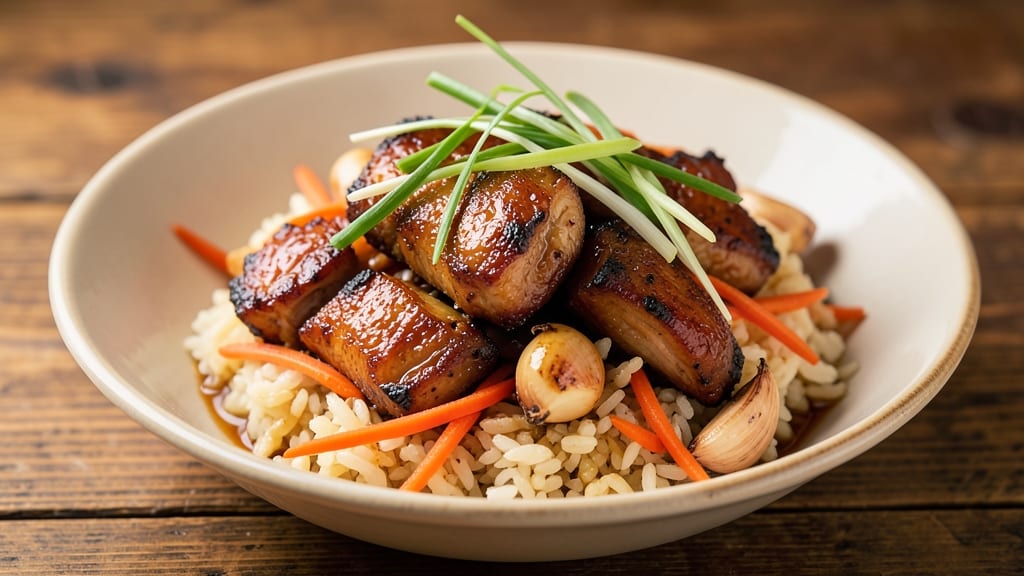
This chao fan rice recipe delivers the fragrant, wok-tossed magic that defines Chinese home cooking—where day-old rice transforms into a crispy, aromatic masterpiece with just a few key techniques. The secret lies in high-heat searing and layered seasoning that awakens every grain, creating texture that’s both satisfying and nostalgic.
I’ve perfected this version to balance simplicity with restaurant-quality depth, using just a handful of ingredients that work together in perfect harmony.
What sets this recipe apart is the method: first, we revive cold rice by breaking up clumps and achieving that signature "dry" texture through quick stir-frying.
Then, we build flavor in stages—starting with protein (egg, chicken, or shrimp), then vegetables, and finishing with a splash of soy sauce that coats every bite in umami richness. The result?
A dish that’s equally at home as a quick weeknight meal or a showstopping centerpiece for guests, with room to customize based on what’s in your pantry.
Ingredients for chao fan rice
This wok-tossed rice recipe transforms ordinary ingredients into restaurant-quality aroma through precise technique.
| Ingredient | Amount | Notes |
|---|---|---|
| Day-Old Cooked White Rice 🍚 | 4 cups | Cold, separated into clumps |
| Large Eggs 🥚 | 2 whole | Room temperature for even cooking |
| Boneless Chicken Thighs 🍗 | 1 lb | Cut into 1-inch pieces |
| Carrots 🥕 | 2 medium | Julienned into matchsticks |
| Green Onions 🧅 | ½ cup | White and green parts separated |
| Garlic Cloves 🧄 | 4 cloves | Minced into fine paste |
| Fresh Ginger Root 🌿 | 1 ½ tbsp | Grated finely |
| Light Soy Sauce 🥫 | 3 tbsp | Kikkoman preferred |
| Dark Soy Sauce 🥫 | 1 tbsp | For color depth |
| Sesame Oil 🫒 | 1 tbsp | Toasted for aroma |
| Vegetable Oil 🫒 | ½ cup | High smoke point |
| White Peppercorns 🌶️ | ½ tsp | Freshly ground |
| Salt 🧂 | 1 tsp | Diamond Crystal preferred |
The rice is the foundation—day-old, cold rice develops the signature crispy texture when properly separated. Look for short-grain Japanese rice if available, but any white rice works. Chicken thighs are ideal for their fat content, but boneless, skinless breasts work in a pinch. Carrots should be julienned into thin matchsticks for even cooking. Fresh ginger and garlic are non-negotiable for authentic flavor—Penzeys bulk section offers excellent quality. The soy sauces create depth: light soy for saltiness, dark for that signature caramelized color.
No chicken? Shrimp or tofu works equally well—just adjust cooking time. Substitute fish sauce for half the soy sauce amount if you prefer a stronger umami kick. The sesame oil is for aroma only—add it at the very end. For extra heat, swap white pepper for Sichuan peppercorns. If you're using pre-minced garlic, toast it first in the oil to deepen flavor. The vegetable oil should have a high smoke point—avocado or grapeseed oil are excellent choices. For vegetarian versions, replace chicken with extra-firm tofu pressed for 30 minutes.
This dish reheats beautifully—keep leftovers covered in the fridge for up to 4 days. For best texture, reheat in a dry wok or skillet over medium heat. The rice will crisp up again perfectly. For meal prep, portion into airtight containers with parchment paper between layers. Freeze for up to 3 months if needed, but texture may soften slightly. Always bring ingredients to room temperature before cooking for even results.
Why You'll Love This Recipe
- One-Pan Magic: I swear by this recipe on nights when I’m too tired to wash dishes. The chicken, eggs, and rice all sizzle together in one pan—no chopping boards, no extra pots. That crispy egg on top? Pure reward for minimal effort.
- Umami Bomb: The chicken thighs stay juicy while the edges get that golden, caramelized crust, and the eggs? They’re silky in the center with a slightly runny yolk that cuts through everything. Honestly, the first bite makes me forget it’s just leftover rice.
- Lunchbox Hero: Between us, this is my go-to for meal prep. Pack it in containers, and it reheats like a dream—no soggy rice, no dry chicken. My kids (and my husband) actually ask for it, which is basically a parenting win.
- Budget Win: Chicken thighs are cheaper than breasts, day-old rice is free, and carrots stretch forever. I make this twice a month and never feel guilty about the grocery bill. Plus, it’s the kind of dish that tastes even better the next day.
Step-by-step instructions for chao fan rice
Master the art of wok hei with this precise method for restaurant-quality chao fan.
Prepare the Chicken and Vegetable Components
Cut the 1 lb boneless chicken thighs into 1-inch pieces and set aside. Using a mandoline or sharp knife, julienne the 2 medium carrots into matchsticks—aim for even ¼-inch thick strips that will cook quickly in the wok. Separate the 0.5 cup green onions into white and green parts, keeping the whites for the stir-fry and reserving the greens for garnish.
In a small bowl, combine the 4 cloves garlic cloves (minced into a fine paste) with the 1.5 tbsp fresh ginger root (grated finely). Let this aromatic mixture sit for 5 minutes to release its oils—this ensures maximum flavor infusion when cooked. The ginger should be finely grated, not chopped, to avoid bitterness.
Create the Flavor Base and Scramble the Eggs
Heat a 14-inch wok over high heat until a drop of water sizzles and evaporates instantly. Add the 0.5 cup vegetable oil and swirl to coat the entire surface. When the oil shimmers (350°F), add the chicken pieces in a single layer. Stir-fry for 2-3 minutes until the chicken turns opaque white and develops a light crust—this prevents dryness later.
Push the chicken to one side of the wok and add the garlic-ginger mixture. Stir for 20 seconds until fragrant—this is where the foundation of flavor builds. In a separate bowl, whisk the 2 whole large eggs with 0.5 tsp white peppercorns and 1 tsp salt until frothy. Pour the eggs into the wok, tilting slightly to spread evenly. Scramble quickly with a spatula until just set (about 30 seconds), then remove and set aside.
Stir-Fry the Vegetables and Combine
Add the julienned carrots and white parts of the green onions to the wok. Stir-fry for 1-2 minutes until the carrots soften but retain a crisp texture—bright orange color indicates they're ready. Pour in the 3 tbsp light soy sauce and 1 tbsp dark soy sauce, stirring vigorously to coat the vegetables evenly. The dark soy sauce adds depth of color while balancing the light soy's saltiness.
Return the chicken and scrambled eggs to the wok. Add the 4 cups day-old cooked white rice (broken into clumps) and toss gently to combine. The rice should absorb the flavors quickly—30 seconds of tossing is all it takes. Drizzle with 1 tbsp sesame oil and toss once more to distribute evenly. The sesame oil carries the aroma that defines chao fan.
Finish with Perfect Wok Hei
Transfer the chao fan to a serving platter and garnish immediately with the reserved green onion greens. The dish should sizzle slightly from residual heat—this is wok hei, the signature smoky aroma. Serve while hot, ensuring every bite delivers a balance of textures: tender chicken, crisp carrots, and fluffy rice coated in savory sauce.
Real talk: The key to success lies in the timing. Work quickly once the wok is hot—overcrowding or slow tossing will steam the ingredients instead of searing them. If the rice seems dry after tossing, add 1-2 tablespoons of water and fold in gently to steam slightly. Each serving should be aromatic, flavorful, and packed with contrasting textures.
Pro Tips For Making Chao Fan Rice
- CRISP THE RICE FIRST: Spread your day-old rice in a thin layer on a baking sheet and toast it in a 350°F (175°C) oven for 10-15 minutes before stir-frying. Cold, clumpy rice just won’t get that signature crispy texture—this step guarantees it’ll sizzle like a pro’s.
- SALT THE CHICKEN THIGHS: Season the chicken thighs with 1 tsp salt and ½ tsp pepper at least 30 minutes before cooking—preferably overnight if you’re prepping ahead. This ensures even seasoning and prevents dryness, especially since chicken thighs can be forgiving but still benefit from a head start.
- CUT CARROTS SMALLER THAN YOU THINK: Dice the carrots into ¼-inch pieces, not the usual ½-inch chunks. They’ll cook faster and absorb flavors better, so they don’t turn mushy while the chicken finishes. (Yes, they’ll disappear faster, but that’s the point.)
- SCRAMBLE EGGS SEPARATELY: Push the eggs to one side of the wok after cooking the chicken and veggies, then scramble them in the residual heat. This keeps them creamy and prevents them from turning rubbery—no need to add extra oil or overmix. (Trust me, your eggs will thank you.)
Wine and beer pairings for this recipe
Light Beer Pairings
A crisp, pilsner-style beer like Asahi Super Dry or Sapporo complements chao fan beautifully. The light body and subtle hop bitterness won’t overpower the dish’s savory depth, while the effervescence cleanses your palate between bites.
I always keep a cold Asahi on hand for this recipe—its clean finish lets the soy sauce and sesame oil shine. 🍺
Rice Wine Options
For an authentic touch, serve with Shaoxing wine, the traditional Chinese cooking wine. A dry, uncooked version (like Chongqing Laojiao) enhances the dish’s umami notes without adding sweetness. If you can’t find Shaoxing, a dry sake like Dassai works well too—its subtle graininess mirrors the rice’s texture. 🍶
Red Wine Contrast
Surprisingly, a light-bodied red wine like Pinot Noir pairs wonderfully with chao fan’s bold flavors. Look for a Chinese Cabernet Sauvignon from Yantai—its bright acidity and red fruit notes complement the soy sauce’s depth. Avoid heavy Cabernets that would clash with the dish’s delicate aromatics. 🍷
Non-Alcoholic Choices
For a refreshing non-alcoholic option, try jasmine green tea served chilled. The floral notes harmonize with the ginger and garlic, while the tea’s natural sweetness balances the soy sauce’s saltiness. Another great choice is lychee soda—its tropical sweetness contrasts the savory rice in an unexpected but delicious way. 🌿
Regional Chinese Beers
If you want to stay true to Chinese flavors, try Tsingtao Lager or Snow Beer. Both have a clean, slightly malty profile that won’t compete with the dish’s complex seasoning.
For a craft option, Guangdong-based beers like Snow Mountain offer a more robust flavor that stands up to the dish’s richness. 🍻
Nutrition facts
Frequently asked questions
Why does chao fan use day-old rice instead of freshly cooked?
Day-old rice is essential because its slightly dried texture becomes crispy when stir-fried, creating the signature crunch. Freshly cooked rice releases too much moisture, making the dish mushy. The cold rice also absorbs flavors better during the quick wok toss. For best results, refrigerate cooked rice for at least 4 hours before using.
Can I make chao fan without a wok?
A heavy-bottomed skillet or cast-iron pan works perfectly. The key is maintaining high heat and keeping ingredients moving to prevent sticking. For extra crispiness, use a nonstick pan and add 1/2 cup vegetable oil to help create that wok-tossed texture. Stir-fry in batches if needed to avoid overcrowding.
What's the secret to preventing soggy rice?
Soggy rice happens when moisture isn't controlled. Always use properly cooled day-old rice that's broken into clumps (not sticky). Cook proteins and veggies first to remove excess liquid, then add rice only at the end. If the rice seems too wet, spread it on a tray to dry slightly before stir-frying. The high heat should crisp it up in 30 seconds of tossing.
How can I add extra protein without changing the texture?
For best results, use proteins that cook quickly and release minimal moisture. Shrimp (peeled and deveined) or tofu (pressed and cubed) work well. Cook proteins separately until just done, then add them back to the wok with the rice. Avoid ground meats that can make the dish too dense. For extra umami, add 1 tbsp fish sauce when combining ingredients.
What are common mistakes when making chao fan?
The biggest mistakes are using fresh rice, overcrowding the pan, and not maintaining high heat. Fresh rice releases too much steam, while low heat creates a mushy texture. Also, don't over-stir the rice—just toss gently to distribute flavors. Another pitfall is adding all sauce at once, which can make the dish too salty. Start with 2 tbsp soy sauce and adjust to taste.