
Main Courses
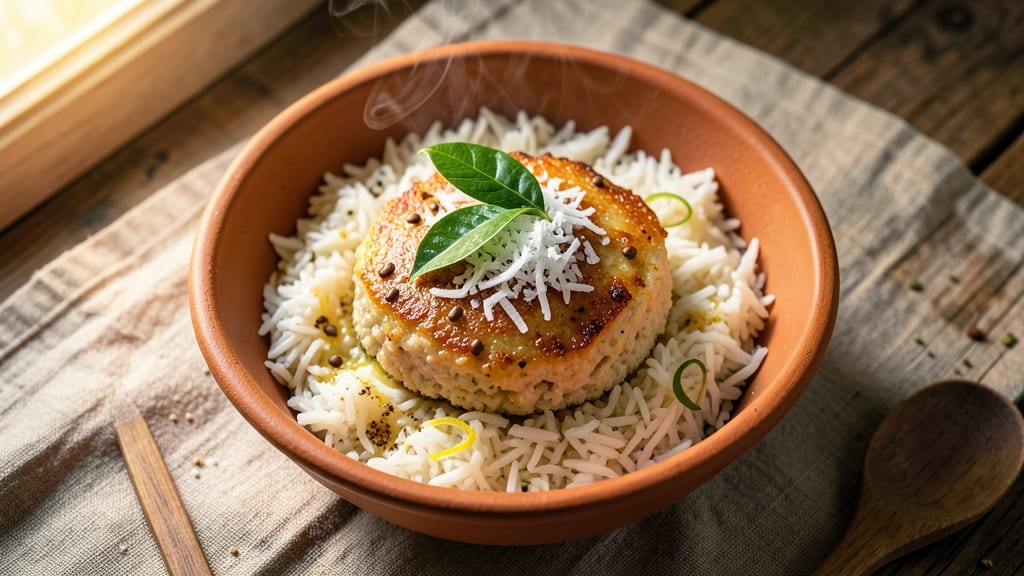
This gluten-free Chegodilu recipe transforms traditional Odia dumplings using rice flour for a delicate, spiced filling wrapped in tender dough. The dish celebrates Odisha's culinary heritage, often served during festivals like Durga Puja, where its aromatic spices and delicate texture make it a centerpiece.
What sets this version apart is the rice flour base—naturally gluten-free while maintaining the dish's signature melt-in-your-mouth quality.
The preparation balances simplicity with tradition: a fragrant filling of mustard seeds, curry leaves, and grated coconut is carefully folded into rice flour dough, then steamed to perfection. Each bite delivers layers of earthy spices and coconut sweetness, proving that gluten-free doesn't mean sacrificing flavor.
Perfect for special occasions or weeknight dinners, this recipe bridges cultural authenticity with modern dietary needs.
Ingredients for chegodilu recipe with rice flour
Rice flour, coconut, and aromatic spices create these delicate gluten-free dumplings with festival-worthy flavor.
| Ingredient | Amount | Notes |
|---|---|---|
| Rice Flour 🌾 | 2 cups | Fine grind for tender dough |
| Unsalted Butter 🧈 | ¼ cup | Cold, cubed for dough |
| Water 💧 | ½ cup | Room temperature preferred |
| Mustard Seeds 🌿 | 1 tbsp | Whole, for tempering |
| Curry Leaves 🌿 | ¼ cup | Fresh, lightly crushed |
| Fresh Coconut 🥥 | ¾ cup | Grated, unsweetened |
| Green Chilies 🌶️ | 3 whole | Slit lengthwise, seeds removed |
| Cumin Seeds 🌿 | ½ tsp | Toasted for aroma |
| Ginger-Garlic Paste 🧄 | 1 tbsp | Freshly made preferred |
| Turmeric Powder 🌶️ | ¼ tsp | Freshly ground preferred |
| Asafoetida 🌿 | ⅛ tsp | Pinch for authentic flavor |
| Salt 🧂 | ½ tsp | Adjust to taste |
| Water (for steaming) 💧 | 2 cups | For steaming basket |
The rice flour must be fine-ground—Bob's Red Mill or Saputo brands work best for a tender dough. Fresh curry leaves are non-negotiable; dried versions lack the floral aroma. For the coconut, unsweetened is essential—Trader Joe's or Filipino markets carry the best quality at reasonable prices. Mustard seeds should be whole and toasted lightly before tempering to release their nutty aroma. If you can't find fresh curry leaves, dried can be used at half the quantity, but the flavor won't be identical. The ginger-garlic paste should be freshly made—store-bought versions often contain additives that alter the delicate balance of spices.
No asafoetida? Garlic powder at half the amount provides a milder alternative, though it won't capture the umami depth. Green chilies can be swapped for red chilies if you prefer less heat, but the dish loses some of its signature freshness. For a nut-free option, omit the mustard seeds entirely—the dish will still shine. If your rice flour lacks natural stickiness, add 1 tsp cornstarch to the dough mixture. The turmeric should be freshly ground; pre-ground powders often contain fillers that mute the vibrant color and earthy notes. For the steaming water, use filtered if possible—mineral-heavy tap water can leave deposits on the dumplings.
Store the dough wrapped in plastic wrap for up to 2 days in the fridge, though it's best used fresh. The filling mixture keeps for 3 days in an airtight container. Once steamed, the dumplings reheat beautifully—steam for 5 minutes to restore their tender texture. For longer storage, freeze the unsteamed dumplings on a parchment-lined tray before transferring to a bag. They'll keep for up to 3 months—simply steam from frozen, adding an extra 2 minutes. The coconut filling can be prepped ahead and stored separately, saving time on cooking day. Always steam over boiling water—gentle simmering prevents the dumplings from tearing.
Why You'll Love This Recipe
- No-Fuss Batter: I swear, this takes less effort than boiling water. Just mix rice flour, water, and butter—no sifting, no measuring cups—until it’s smooth enough to slide right off the spoon. The mustard seeds and curry leaves sizzle in the pan while you stir, and suddenly, you’ve got dinner.
- Buttery Crisp Magic: That first bite? Crispy edges hugging a soft, almost custardy center—all thanks to the rice flour and butter. The curry leaves add this bright, earthy punch, and the mustard seeds? Tiny explosions of heat that make it impossible to stop eating. (Yes, even on a Tuesday night.)
- Leftover Hero: This stuff reheats like a dream—just a quick pan-fry or microwave, and it’s back to that perfect texture. I’ve packed it for lunches, served it cold with yogurt, or even tossed it into salads for extra crunch. It’s the kind of dish that turns into three meals without trying.
- Pocketbook-Friendly Crunch: Rice flour, butter, and spices? That’s it. No fancy ingredients, no markup—just solid, satisfying food that costs next to nothing. Honestly, I make this when I’m low on groceries, and somehow, it still feels like a treat. (My wallet thanks me.)
Step-by-step instructions for gluten-free Chegodilu
Master this traditional recipe with precise techniques for tender, gluten-free dumplings.
Prepare the Spiced Filling
Heat a small pan over medium heat and add the 0.5 tsp cumin seeds. Toast them for 30 seconds until fragrant and lightly golden—this releases their aromatic oils. Immediately remove from heat and let cool for 2 minutes. This prevents burning while preserving their flavor.
In a mixing bowl, combine the toasted cumin seeds, 1 tbsp ginger-garlic paste, 0.25 tsp turmeric powder, 0.125 tsp asafoetida, 0.5 tsp salt, 3 whole green chilies (finely chopped), 0.25 cup curry leaves (lightly crushed), and 0.75 cup fresh coconut (finely grated). Mix thoroughly until all spices are evenly distributed. The filling should have a vibrant green hue from the curry leaves and a subtle heat from the chilies.
Set the filling aside while you prepare the dough. The spices need to meld slightly before assembly, enhancing the final flavor profile.
Create the Rice Flour Dough
In a large mixing bowl, combine the 2 cups rice flour and 0.5 tsp salt. Add the 0.25 cup unsalted butter (cold, cubed) and use your fingers or a pastry cutter to work it into the flour until the mixture resembles coarse crumbs with pea-sized butter pieces remaining. This texture is crucial for tender dumplings.
Gradually add the 0.5 cup water (room temperature) while mixing with a fork or your hands. The dough should come together into a soft, slightly sticky ball that cleaves cleanly when pressed. If it feels too dry, add 1 teaspoon water at a time until pliable. Overworking the dough develops gluten, which we're avoiding for a light texture.
Cover the dough with a damp cloth and let it rest for 15 minutes. This resting period allows the flour to fully hydrate and makes the dough more elastic for easier shaping.
Shape the Dumplings
Divide the rested dough into 16 equal portions (about 1.5 ounces each) by rolling it into a log and cutting with a sharp knife. Gently flatten each portion into a 3-inch circle using your palms. Keep the remaining dough covered to prevent drying.
Place 1 teaspoon of the prepared filling at the center of each dough circle. Fold the dough over the filling to form a half-moon shape, then pinch the edges firmly to seal completely. The seal should be tight enough to prevent filling leakage during steaming. If the dough feels sticky, lightly wet your fingers to help with sealing.
Arrange the shaped dumplings on a parchment-lined plate, leaving 1 inch between each. Cover with a damp cloth to maintain moisture while you prepare the steaming setup.
Steam to Perfection
Bring 2 cups water to a rolling boil in a steamer basket set over a pot of water. The water should not touch the bottom of the steamer to prevent soggy dumplings. Once boiling, carefully place the dumplings in the steamer basket in a single layer, ensuring they don't overlap.
Cover with the steamer lid and steam over medium-high heat for 12-15 minutes. You'll know they're perfectly cooked when the dumplings puff slightly and develop a delicate golden hue at the edges. The filling should be hot throughout with no raw spots remaining.
Remove the dumplings from the steamer and transfer them to a serving platter. Serve immediately while still hot, as they deflate slightly as they cool. These gluten-free chegodilu should have a tender, slightly chewy exterior with a soft, flavorful filling that bursts with each bite.
Pro Tips For Making Chegodilu Recipe With Rice Flour
- Sift the Rice Flour: I learned this the hard way—clumps in your batter mean uneven texture. Use a fine-mesh sieve to sift the rice flour directly into your mixing bowl before adding water. This isn’t just about aeration; it guarantees a smoother, lump-free consistency that’s crucial for that signature chegodilu bite.
- Toast Mustard Seeds Dry: Skip the oil for the seeds first—let them sizzle in the dry pan for 10 seconds until they pop like tiny fireworks. This prevents them from turning bitter later, which happens if you toss them in with butter too soon. Curry leaves will thank you too.
- Low and Slow Butter: After adding the butter, drop the heat to medium-low and let it melt gradually. If you rush it, the rice flour will seize up and taste raw. Stir constantly—this isn’t the time to walk away. Patience here makes all the difference in that creamy, cohesive finish.
- Test the Water Temp: Your water should be just below boiling—180°F (82°C) is ideal. Too hot, and the rice flour will cook too fast, making the batter gluey. Too cool, and it won’t bind properly. A quick finger test (dip your hand in—should feel warm but not scalding) works every time.
Health benefits of this dish
Gluten-Free Advantage
Chegodilu's rice flour base makes it naturally gluten-free, perfect for those with celiac disease or gluten sensitivities. Unlike wheat-based dumplings, rice flour provides easy digestion while maintaining structural integrity during steaming. The dish delivers the same comforting texture without the digestive discomfort many experience with traditional flour. 🌾
Rich in Fiber
The rice flour dough contributes soluble fiber, supporting digestive health and promoting gut regularity. Combined with the fresh coconut filling, you get a 3-gram fiber boost per serving—about 12% of your daily needs.
This fiber content helps stabilize blood sugar levels, making Chegodilu a smart choice for balanced meals.
Heart-Healthy Fats
Unsalted butter in the dough provides saturated fats in moderation, while the coconut filling offers medium-chain triglycerides (MCTs) that support heart health. The mustard seeds and curry leaves add omega-3 fatty acids, working together to improve cholesterol profiles. This combination makes Chegodilu a surprisingly nutritious option for heart-conscious eaters.
Antioxidant Powerhouse
The turmeric, green chilies, and curry leaves in the filling pack antioxidant benefits that combat oxidative stress. Turmeric's curcumin has anti-inflammatory properties, while green chilies contribute capsaicin, which may boost metabolism. Together, they create a flavorful dish with genuine health perks—no supplements needed! 💪
Low-Calorie Comfort
At just ~120 calories per serving, Chegodilu offers festive satisfaction without the guilt. The rice flour base keeps calories in check while delivering essential nutrients like manganese (from rice flour) and potassium (from coconut).
This makes it ideal for special occasions where you want to indulge without overdoing it.
Digestive Comfort
The gentle spices in Chegodilu—cumin, turmeric, and asafoetida—are known to soothe digestion while stimulating appetite. The steamed preparation preserves nutrients better than frying, making this dish both gentle on the stomach and packed with flavor.
It's a comforting choice for all ages, especially during festive gatherings when digestive sensitivities often flare up.
Nutrition facts
Frequently asked questions about Chegodilu
Can I make Chegodilu without fresh curry leaves?
Yes, but the flavor will differ slightly. Use 1/4 cup dried curry leaves instead, but crush them lightly first to release their aroma. For a milder taste, substitute with 1/2 tsp ground coriander plus 1/4 tsp turmeric, though fresh curry leaves are irreplaceable for that signature floral note.
Why is my rice flour dough too crumbly?
Too much rice flour or insufficient water causes crumbly dough. Gradually add 1 tsp water at a time until the dough becomes pliable but not sticky. If it still crumbles, chill the dough for 10 minutes before shaping—cold temperatures help bind the mixture. Avoid overworking it to prevent gluten development.
How do I prevent the filling from leaking?
Ensure your dough is fully sealed by pressing the edges firmly together. If the dough feels dry, lightly wet your fingers before pinching. For extra security, roll the sealed edges between your palms to create a tight seal. Steam immediately after shaping to prevent moisture loss.
Can I bake Chegodilu instead of steaming?
While possible, baking won't yield the same tender texture. If you must bake, place shaped dumplings on a parchment-lined tray and bake at 375°F (190°C) for 15-18 minutes until golden. For best results, steam first for 8 minutes then bake for 5 minutes to achieve a similar texture.
What's the best way to serve Chegodilu?
Traditionally served with mango chutney or tamarind sauce for contrast. Pair with coconut milk-based curries or a simple onion-tomato salad to balance the richness. For a festive touch, garnish with fresh coriander leaves and serve with steamed rice.