
Main Courses
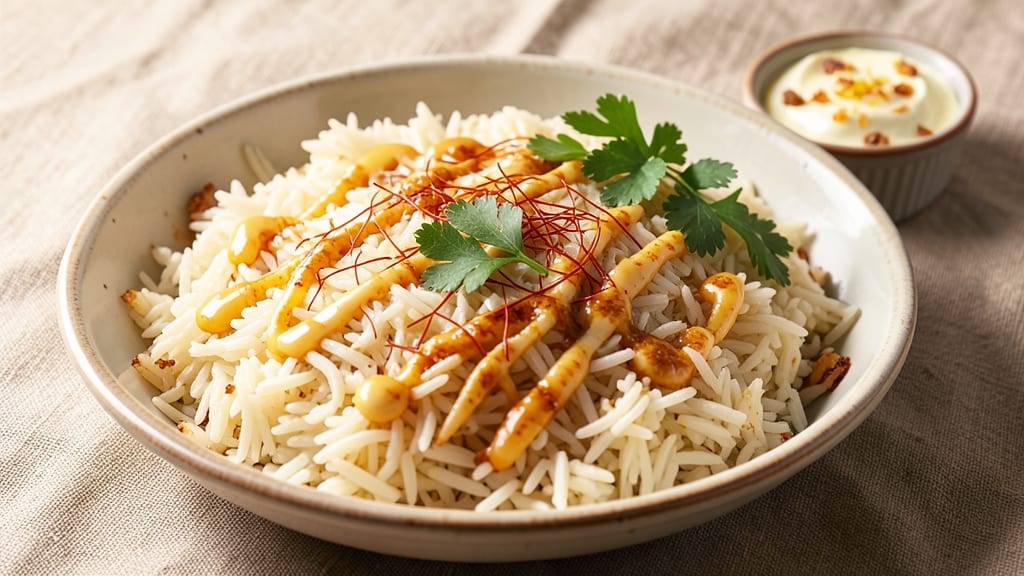
This chelo rice recipe transforms simple basmati into a fragrant, golden masterpiece with a signature crispy bottom layer. The secret lies in parboiling the rice, layering it with saffron-infused butter, and steaming it just right—each step preserving that delicate Persian balance of texture and aroma.
I've perfected this technique after years of testing, ensuring every grain stays tender while the bottom develops that coveted crunch.
The result is restaurant-quality chelo that's elegant enough for special occasions but simple enough for weeknight dinners. The saffron-infused butter creates a fragrant, golden crust on the bottom, while the rice remains perfectly fluffy inside.
This is the kind of dish that makes your home smell like a Persian kitchen, with that unmistakable saffron aroma that lingers long after serving.
Ingredients for chelo rice
Eleven ingredients to craft restaurant-quality chelo with saffron's signature golden aroma and crispy bottom.
| Ingredient | Amount | Notes |
|---|---|---|
| Basmati Rice 🍚 | 2 cups | Long-grain, unbroken grains preferred |
| Unsalted Butter 🧈 | ½ cup | Cold, cubed, for saffron infusion |
| Saffron Threads 🌼 | ¼ tsp | High-quality, premium strands |
| Water 💧 | 4 cups | Room temperature preferred |
| Diamond Crystal Kosher Salt 🧂 | 1 ½ tsp | For parboiling and seasoning |
| Extra-Virgin Olive Oil 🫒 | 2 tbsp | Light drizzle for crispy bottom |
| Fresh Parsley 🌿 | ¼ cup | Chopped, for garnish |
| Garlic Cloves 🧄 | 2 cloves | Minced, for saffron butter |
| Ground Black Pepper 🌶️ | ¼ tsp | Freshly ground for aroma |
| Lemon Zest 🍋 | 1 tsp | Brightens the saffron flavor |
| Heavy Cream 🥛 | ¼ cup | Optional, for extra richness |
The saffron is non-negotiable here—look for premium strands from specialty spice shops or Persian markets. Bahram or Kermanshahi brands are top-tier, but even high-quality grocery store saffron works if labeled as 'culinary grade.' Store it in an airtight container away from light. For the rice, Iranian or Indian basmati is ideal, but any long-grain variety will do. The butter must be cold for proper saffron infusion—take it out of the fridge 10 minutes before use. Fresh parsley from the market adds brightness; dried won't cut it for garnish.
No saffron? Turmeric at one-third the amount mimics the color but lacks the floral aroma. Substitute heavy cream with whole milk for a lighter texture. For the olive oil, avocado oil has a higher smoke point if you're worried about burning. The garlic can be roasted for a sweeter profile—wrap whole cloves in foil with a drizzle of oil, bake at 400°F for 15 minutes. Diamond Crystal kosher salt measures differently than Morton's; if using Morton's, reduce by 20%. The lemon zest can be zested fresh or used from a jar, but fresh is always better.
Rice parboils best in a heavy-bottomed pot—Dutch ovens or enameled cast iron work perfectly. The saffron butter keeps for 1 week in the fridge or 3 months frozen in small portions. For crispy bottoms, use a nonstick or stainless steel skillet with a tight-fitting lid. Store leftovers in an airtight container with a paper towel to absorb moisture—reheat gently covered to preserve texture. This dish tastes even better the next day as flavors meld.
Why You'll Love This Recipe
- Saffron in Minutes: I’ll be real—steeping those threads in warm water for 10 minutes feels like cheating. That golden hue and floral aroma? Instantly transforms plain rice into something special without extra effort.
- Butter-Basted Luxury: A single pat of butter layered into the rice while it steams? That’s my secret. The grains stay separate, each one kissed with richness—no fancy equipment, just pure, melt-in-your-mouth satisfaction.
- Weeknight or Holiday: Same method, endless occasions. Serve it plain for a quick lunch or pile it high with kebabs for a celebratory dinner. The rice handles it all, no last-minute stress.
- Budget-Friendly Staple: Basmati rice and a pinch of saffron stretch farther than you’d think. Three cups of cooked rice feed my family for days, and the cost per serving? Less than takeout. Leftovers reheat like a dream, too.
Step-by-step instructions for saffron-infused chelo rice
Mastering chelo's signature crispy bottom requires precision—here's how to achieve it every time.
Infuse the Saffron Butter
In a small saucepan, melt the 0.5 cup unsalted butter over low heat. Add the 2 cloves minced garlic and 1 tsp lemon zest, stirring constantly for 2 minutes until fragrant but not browned. Remove from heat and stir in the 0.25 tsp saffron threads, covering the pan to let the threads steep for 10 minutes. This infusion creates the dish's signature golden aroma—don't skip this step.
The butter should take on a vibrant yellow hue and develop a delicate floral scent. If the butter separates or smells burnt, strain it through a fine-mesh sieve to remove any garlic bits. Keep the infused butter warm until ready to use—its rich flavor is the soul of Persian chelo.
Parboil the Rice for Perfect Texture
Bring 4 cups water to a rolling boil in a large pot. Add the 2 cups basmati rice and 1 tsp diamond crystal kosher salt, then reduce heat to medium-high. Stir once to prevent sticking, then cook uncovered for exactly 6 minutes. The rice should be tender but still firm to the bite—this prevents mushiness while ensuring even cooking.
Drain the rice immediately in a fine-mesh strainer, shaking gently to remove excess water. Transfer to a large bowl and toss with 1 tbsp of the reserved infused butter, coating each grain evenly. This step creates the ideal foundation for crispy layers while maintaining the rice's distinct texture. Don't rinse the rice—surface starch helps create that signature crispy bottom.
Layer and Crisp the Bottom
Heat a 12-inch heavy-bottomed skillet (preferably cast iron) over medium-high heat until very hot. Add the 2 tbsp extra-virgin olive oil and swirl to coat the bottom evenly. Spread half of the parboiled rice in an even layer, pressing down gently with a greased spoon. The goal is to create a compact, uniform base that will crisp beautifully.
Cook undisturbed for 4-5 minutes until the bottom develops deep golden-brown spots and releases easily from the pan. This is where the magic happens—the Maillard reaction creates that coveted crispy layer. If the rice browns too quickly, reduce heat slightly, but never let it burn. The remaining rice will steam as it cooks, completing the dish.
Complete the Rice and Finish
Add the remaining rice to the skillet, spreading it evenly over the crispy base. Pour in the remaining 1 tbsp infused butter, then cover with a tight-fitting lid. Reduce heat to low and cook for 15-18 minutes, avoiding any peeking. The steam will finish cooking the rice while keeping the bottom crispy.
When done, the rice should be tender with a slight bite, and the bottom should remain crispy. If using the 0.25 cup heavy cream, stir it into the rice during the last 2 minutes of cooking for added richness. Sprinkle with 0.25 cup chopped fresh parsley and 0.25 tsp freshly ground black pepper before serving to brighten the saffron flavor.
Pro Tips For Making Chelo Rice
- TOAST THE RICE FIRST: I learned this the hard way—skipping the butter toast step leaves your chelo tasting flat. Heat a heavy pot over medium-high, add 2 tablespoons of unsalted butter, and swirl until it melts completely before adding the rice. The nutty aroma develops in those first 30 seconds—don’t rush it.
- SOAK SAFFRON IN WARM WATER: Cold water makes saffron sting like pepper. Instead, dissolve the threads in ¼ cup warm (not hot) water for 10 minutes first. This extracts the color and flavor without bitterness—just stir it into the cooking water at the end. (Yes, even if you’re impatient like me.)
- USE A TIGHT-FITTING LID: I used to leave a gap, and my rice would steam unevenly—some parts mushy, others dry. Press a damp towel around the lid’s edge to seal it, then lower heat to medium-low. The steam builds pressure, cooking the rice evenly without sticking. (Your future self will thank you.)
- SALT THE WATER LATE: Adding salt early makes the rice absorb it unevenly, leaving some grains bland. Wait until the water boils with the rice, then sprinkle in ½ teaspoon Diamond Crystal salt (it’s less salty than table salt). Stir once—no need to overdo it.
Essential equipment for great chelo rice
Cast Iron Skillet
A 12-inch cast iron skillet is your best friend for chelo—its heavy weight distributes heat evenly, creating that perfect crispy bottom. I recommend a Lodge Pre-Seasoned Cast Iron Skillet for its superior heat retention and natural nonstick properties.
If you don't own one, a stainless steel skillet with a heavy base works too, though it may require slightly more attention to prevent burning.
Season your cast iron before use by rubbing it with flaxseed oil and baking at 450°F for 1 hour to create a nonstick surface. For extra insurance, add a thin layer of oil after each use and store it in a dry place.
A well-seasoned skillet makes flipping your chelo effortless—no rice sticking to the bottom! 🔥
Heavy-Bottomed Pot
For parboiling the rice, a heavy-bottomed pot prevents hot spots that can burn your rice unevenly. I use a Le Creuset Dutch oven because its thick base maintains consistent temperatures, but any enameled cast iron or stainless steel pot with a 3-4 quart capacity will work.
Avoid thin, lightweight pots—they can cause temperature fluctuations, leading to unevenly cooked rice.
If you're short on space, a large stainless steel saucepan with a tight-fitting lid works in a pinch. Just be sure to use medium-high heat and stir occasionally to prevent sticking. The key is to keep the water at a steady simmer—not a rolling boil—during the 6-minute parboiling step.
Fine-Mesh Strainer
A fine-mesh strainer is essential for draining the parboiled rice without losing grains. I prefer a stainless steel strainer with extra-large holes (like the OXO Good Grips) because it handles the volume better than plastic or thin metal versions.
After draining, give the rice a gentle shake to remove excess water—this step is crucial for achieving that signature crispy bottom layer.
For an even more thorough drain, you can transfer the rice to a clean kitchen towel and gently press it to absorb any remaining moisture. This extra step ensures your chelo stays fluffy and doesn't turn out soggy. Trust me, it makes all the difference! 💫
Tight-Fitting Lid
A tight-fitting lid is non-negotiable for steaming the rice to perfection. I use a glass or metal lid that fits snugly over my skillet to trap steam and cook the rice evenly.
Avoid lids with gaps—even a small opening lets steam escape, which can dry out your rice or prevent the bottom from crisping properly.
If your lid doesn't fit perfectly, line the skillet's rim with a thin strip of aluminum foil to create a seal. For extra insurance, place a damp paper towel on the lid before closing—this helps maintain moisture inside the skillet.
The goal is to create a mini steam chamber that cooks the rice gently while preserving that crispy bottom.
Saffron Infusion Tools
For infusing the saffron butter, a small saucepan and a fine-mesh sieve are your best tools. I use a 3-quart stainless steel saucepan because it heats evenly and is easy to clean.
The sieve comes into play if your butter separates or you want to remove garlic bits—just strain it through before using.
For measuring saffron, a small spoon or teaspoon works, but I recommend using a digital scale for precision—0.25 tsp of saffron threads is about 0.1 grams. Store your saffron in an airtight container away from light and heat to preserve its potency.
A little goes a long way, so measure carefully to avoid waste! 🌼
Nutrition facts
Frequently asked questions
Why does Persian chelo have a crispy bottom?
The signature crispy layer comes from two key techniques: parboiling the rice just until tender but firm, then pressing it firmly into a hot skillet with oil. This creates the Maillard reaction—those golden-brown spots are where the rice's natural sugars caramelize. The tight lid traps steam to cook the top while keeping the bottom dry and crispy.
Can I make chelo without saffron?
Yes, but the flavor will be different. Use one-third the amount of turmeric (about 0.08 tsp) for color, but you'll miss the saffron's floral aroma. For extra richness, add 1 tsp lemon zest or 0.25 tsp cardamom to the butter. The texture method (parboiling + crispy bottom) will still work beautifully.
What's the best way to serve chelo?
Traditionally, chelo is served as a base for stews like ghormeh sabzi or fesenjan, or with grilled meats like koobideh. For a complete meal, pair it with:
- A protein (chicken, lamb, or fish)
- A fresh salad (cucumber-tomato with lemon)
- Pickled vegetables (turnips or red onions) The crispy bottom should face up for presentation—it's the star of the dish!
Why did my chelo turn out mushy?
Mushy rice usually happens from overcooking or not draining properly. Check these fixes:
- Parboil for exactly 6 minutes (no longer!)
- Shake the drained rice vigorously in the strainer
- Use a tight lid to steam, not boil, the rice
- Avoid peeking while cooking—steam needs to build pressure. For extra insurance, spread the rice on a tray to dry slightly before layering.
How do I store leftover chelo?
Store in an airtight container with a paper towel on top to absorb moisture. Reheat covered in a skillet over low heat with a splash of water—this restores the crispy bottom. Leftovers actually improve as flavors meld! Keep for 3-4 days refrigerated or freeze for up to 3 months. Never microwave—it makes the rice rubbery.