
Main Courses
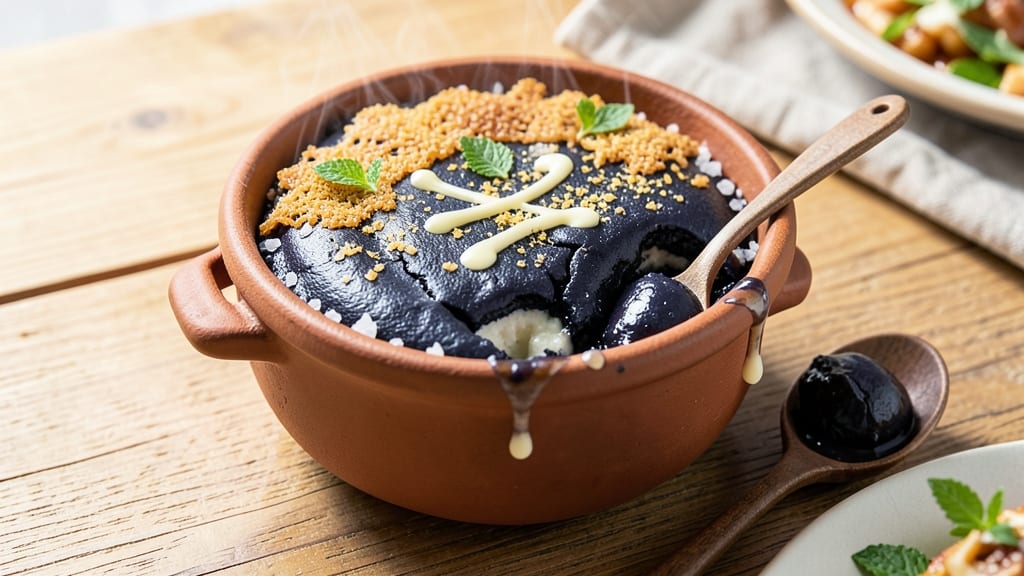
This black glutinous rice biko transforms simple ingredients into a Filipino dessert masterpiece—rich, fragrant, and perfectly sticky. The secret lies in balancing coconut cream, sugar, and steam until the rice achieves that signature melt-in-your-mouth texture. I’ve refined this recipe to deliver restaurant-quality results at home, whether steamed or baked.
What makes this dessert special is its two-stage cooking process: first, the rice absorbs coconut milk until tender, then steaming or baking creates that signature caramelized crust.
The result? A golden, slightly crisp exterior hiding velvety sweetness inside. Perfect for celebrations or a comforting treat, this recipe delivers every time.
Ingredients for black glutinous rice biko
Rich coconut cream and tender black glutinous rice create this luxurious dessert masterpiece.
| Ingredient | Amount | Notes |
|---|---|---|
| Black Glutinous Rice 🍚 | 1 cup | Uncooked, soaked overnight |
| Coconut Cream 🥥 | 13 ½ oz | Full-fat, chilled overnight |
| Granulated Sugar 🍚 | 1 cup | White or brown preferred |
| Unsalted Butter 🧈 | ½ cup | Cold, cubed for baking |
| Salt 🧂 | ¼ tsp | Fine sea salt preferred |
| Vanilla Extract 🌿 | 1 tsp | Pure vanilla preferred |
| Coconut Oil 🫒 | 2 tbsp | For greasing steamer basket |
| Lemon Zest 🍋 | 1 tsp | Freshly grated preferred |
| Ground Cinnamon 🌿 | ½ tsp | Freshly toasted preferred |
| Water 💧 | ½ cup | For steaming process |
| Toasted Sesame Seeds 🌰 | 1 tbsp | For garnish, optional |
The black glutinous rice is the heart of this dessert—look for premium quality at Asian markets or specialty stores like H Mart. Soaking it overnight softens the grains for perfect texture. Coconut cream must be full-fat for richness; brands like Goya or Thai Kitchen work well. The sugar should be fine granulated to dissolve smoothly into the coconut mixture. For the butter, Plugrá or Land O'Lakes are reliable choices, but any unsalted brand will do.
No coconut cream? Substitute with coconut milk plus extra sugar—about ½ cup more sugar per can. Brown sugar adds depth if you prefer. The vanilla extract can be swapped for vanilla bean paste for more intense flavor. For a nutty twist, add toasted coconut flakes to the mixture. If steaming feels intimidating, baking at 350°F works just as well—just extend the time by 10-15 minutes. The lemon zest brightens the coconut flavor beautifully, but skip it if you prefer pure sweetness.
Store leftover biko in an airtight container in the fridge for up to 5 days, though it reheats beautifully. For longer storage, freeze portions for 3 months. The texture changes slightly after freezing, but reheating with a splash of coconut milk restores its velvety consistency. Garnish with toasted sesame seeds just before serving for that restaurant-quality touch. This dessert keeps well at room temperature for 2 hours after baking or steaming.
Why You'll Love This Recipe
- No Fuss Setup: I swear by this recipe because it’s three ingredients plus water—no fancy techniques, no last-minute grocery runs. Just soak the black glutinous rice overnight, simmer it in coconut cream, and stir in sugar until it’s glossy. That’s it. Even my "I can’t boil water" roommate nailed it.
- Velvet Richness: The moment that creamy coconut butter melts into the rice? Chef’s kiss. It’s like dessert meets breakfast—sweet but not cloying, with that deep, earthy black rice flavor cutting through the richness. Honestly, I’ve made it plain, with toasted coconut, even with a sprinkle of sesame—it’s always a win.
- Weeknight Hero: This is my go-to when I need something impressive with zero effort. Serve it warm for breakfast, cold in jars for lunch, or reheated with a drizzle of butter for dinner. (Yes, even on a Tuesday night.) It’s the kind of dish that makes you look like a culinary genius while you’re actually just stirring a pot.
- Budget-Friendly Staple: Black glutinous rice might sound fancy, but a bag lasts forever, and coconut cream stretches far. I make a big batch, store it in the fridge, and pull it out for days—no waste, no stress. Plus, the sugar and butter are basic pantry items. It’s the kind of recipe that saves money while still feeling special.
Step-by-step instructions for black glutinous rice biko
Transform soaked black glutinous rice into luscious, coconut-infused biko with this precise method.
Prepare the Glutinous Rice Base
Drain the soaked 1 cup black glutinous rice thoroughly, then transfer it to a food processor fitted with the metal blade. Pulse in 2 batches until you achieve a fine, powdery texture similar to flour. This step is crucial—it ensures your biko will have that signature smooth, pudding-like consistency.
Work quickly to avoid over-processing, which can generate heat and make the rice gummy. Transfer the rice powder to a mixing bowl and set aside. The texture should resemble coarse sandpaper when rubbed between your fingers—this indicates proper grinding.
Create the Coconut Cream Mixture
In a separate large bowl, combine the 13.5 oz chilled coconut cream, 1 cup granulated sugar, 0.5 cup cold cubed unsalted butter, 0.25 tsp salt, 1 tsp vanilla extract, 1 tsp lemon zest, and 0.5 tsp ground cinnamon. Whisk vigorously for 3-4 minutes until the butter melts completely and the mixture becomes smooth and glossy.
Here's the thing—cold ingredients create a more stable emulsion. The butter should incorporate fully without leaving any visible lumps. If you notice any graininess, strain the mixture through a fine-mesh sieve to ensure silky texture. This is your flavor foundation, so take your time to get it right.
Combine and Steam the Biko
Gradually add the rice powder to the coconut mixture while whisking continuously. The batter will thicken dramatically—this is normal. Add 0.5 cup water gradually, 1 tablespoon at a time, until you achieve a thick, spreadable consistency that leaves a trail when drizzled. It should be thick enough to hold its shape but still pourable.
Transfer the batter to a greased steamer basket lined with parchment paper (lightly greased with 2 tbsp coconut oil). Smooth the top with a wet spatula and create a slight depression in the center. Steam over medium-high heat with 1 inch of water in the steamer for 45-50 minutes until the edges are set and the center jiggles slightly when shaken.
Finish and Garnish
Remove the steamed biko from the heat and let it rest for 10 minutes before unmolding. Run a knife around the edges to loosen it, then invert onto a serving plate. The texture should be firm yet tender with a slight wobble—this is the perfect consistency for biko.
Garnish immediately with 1 tbsp toasted sesame seeds sprinkled evenly over the surface. Serve warm while still moist, cutting into diamond shapes for that classic presentation. The aroma of toasted sesame will complement the coconut and vanilla perfectly, creating a harmonious finish.
Pro Tips For Making Black Glutinous Rice Biko
- SOAK THE RICE LONGER: Black glutinous rice needs at least 4 hours—or overnight if you can swing it—to soften properly. I learned this the hard way when my first batch turned out gummy; the rice just can’t absorb enough liquid otherwise, no matter how long you steam it.
- STEAM IT TWICE: First steam the rice until it’s almost done—about 80% of the way—then fold in the coconut cream and sugar, cover, and steam again. This two-step method guarantees even distribution of sweetness and creaminess instead of dry pockets of rice.
- USE FULL-FAT COCONUT CREAM: The cheap, watery versions from a can won’t cut it here. Splurge on the thick, rich coconut cream (the stuff that sits on top in the jar) or even better, blend fresh coconut meat with water. Your biko will taste like a proper dessert, not a sad, watery pudding.
- SALT THE BUTTER: Skip the salted butter—this recipe’s flavor balance depends on it. Mix a pinch of salt (about ¼ teaspoon) into the unsalted butter before melting it into the coconut cream. Trust me, the difference is noticeable, and it’s the thing that makes the whole dish sing.
Make-ahead tips for black glutinous rice biko
Prep Ahead for Perfection
Start by soaking the 1 cup black glutinous rice in water for at least 8 hours (overnight works best) in the fridge. This softens the grains perfectly and prevents gummy texture later.
I like to use a large glass bowl for easy draining—just place a fine-mesh strainer over it and let it drain completely before processing. 💧
Coconut Cream Prep
Chill the 13.5 oz coconut cream overnight in the fridge to separate the thick cream from the water. Scoop out only the thick part—about 1 cup—for the richest texture.
If using canned coconut milk, refrigerate it for 4 hours first, then scoop out the solidified cream. This step makes all the difference in achieving that velvety consistency. 🥥
Make the Batter Early
Prepare the coconut mixture up to 24 hours ahead and store it in an airtight container in the fridge. The flavors meld beautifully overnight, and the cold butter incorporates more smoothly when you're ready to steam.
Just whisk it again briefly before adding the rice powder—this ensures a seamless blend without lumps. 🌟
Steam Basket Prep
Grease your steamer basket and parchment paper with 2 tbsp coconut oil the night before. This prevents sticking and makes unmolding a breeze. If you don't have a steamer, assemble a makeshift one by placing a heatproof bowl over a pot of boiling water on the stove.
The key is maintaining steady steam throughout cooking. ⚡
Baking Alternative
For a hands-off approach, transfer the batter to a greased 8x8-inch baking dish and bake at 350°F for 45-50 minutes. The edges will pull away slightly from the pan, creating a golden crust.
This method works perfectly if you're prepping for a party—just cover and refrigerate until serving time. 🔥
Reheating Leftovers
Store finished biko in an airtight container for up to 5 days. To reheat, steam for 5-7 minutes or microwave in 30-second bursts with a damp paper towel covering it. For a restaurant-style finish, sprinkle with toasted sesame seeds just before serving—this adds that final touch of authenticity. 💫
Nutrition facts
Frequently asked questions
Why does my black glutinous rice biko turn out too dry or gummy?
The texture depends on rice grinding and moisture balance. For perfect consistency, grind the rice until it's fine like flour (not coarse) and add water 1 tablespoon at a time until the batter leaves a slight trail when drizzled. Over-grinding causes gumminess, while under-mixing leads to dryness. The batter should be thick but still pourable—like a cross between pudding and cake batter.
Can I make this biko without a steamer?
For a baking alternative, transfer the batter to a greased 8x8-inch baking dish and bake at 350°F for 45-50 minutes. The edges will pull away slightly, creating a golden crust. If using a microwave, cook in 30-second bursts on medium-high until the center is set (about 2-3 minutes total). The texture will be slightly denser than steamed but still delicious.
How do I make this recipe vegan?
Replace the 0.5 cup butter with 0.5 cup coconut oil and use 1 cup coconut condensed milk instead of regular condensed milk. For extra richness, add 1 tablespoon maple syrup to the coconut mixture. The texture remains creamy, though slightly lighter than the original. Garnish with toasted coconut flakes instead of sesame seeds for a fully plant-based finish.
What's the secret to getting that golden crust?
The crust forms from caramelization during the final 5-10 minutes of steaming or baking. For extra color, brush the top with a little coconut milk before the last 5 minutes of cooking. A lightly greased steamer basket also helps create that signature sheen. If baking, cover loosely with foil for the first 30 minutes, then uncover to let it brown.
Can I use white glutinous rice instead of black?
While you can substitute, the black glutinous rice gives biko its signature color and earthy flavor. White glutinous rice will work but may lack depth. If you must use white, add 1 teaspoon activated charcoal powder (food-grade) to the batter for color, or serve with a drizzle of black sesame syrup for contrast. The texture remains the same, but the taste will differ slightly.