
Main Courses
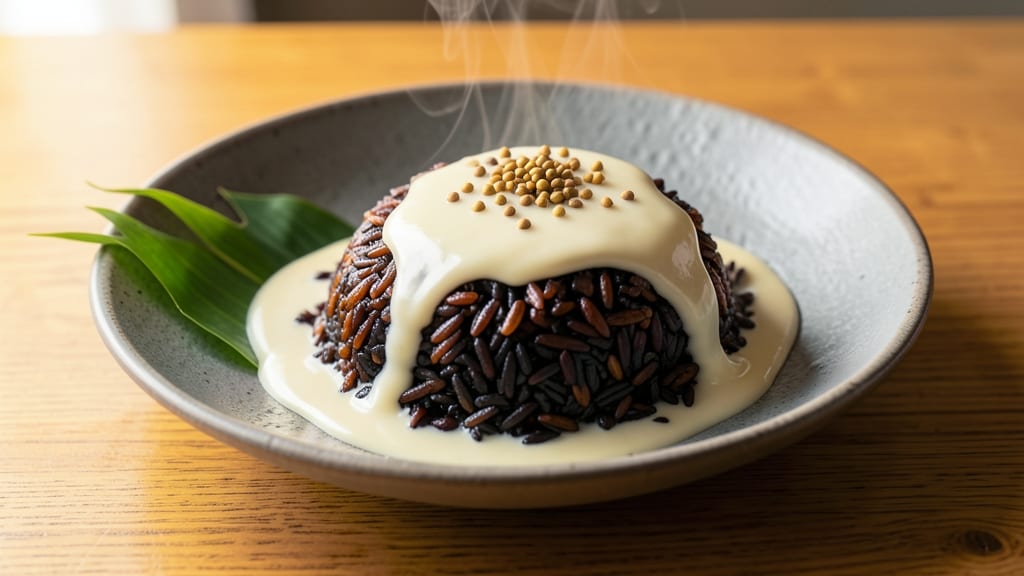
This black Kavuni rice recipe transforms simple grains into a fragrant, toasted masterpiece with South Indian spice harmony—perfect for elevating any meal. The deep purple-black hue and nutty aroma come from slow-toasting the rice, a technique that unlocks its natural richness.
Unlike white rice, Kavuni requires careful preparation to achieve ideal texture and flavor balance.
Mastering this dish means understanding the rice's unique properties: soaking it properly prevents mushiness, while toasting develops that signature toasted aroma. A light tempering with coconut milk or pandan leaf adds depth, creating a dish that pairs beautifully with curries, grilled meats, or even as a standalone centerpiece.
The key lies in patience—each step builds toward that perfect fragrant, toasted finish.
Ingredients for black kavuni rice
Eleven ingredients transform ordinary rice into South India's fragrant toasted masterpiece.
| Ingredient | Amount | Notes |
|---|---|---|
| Black Kavuni Rice 🌾 | 1 cup | Uncooked, high-quality grains |
| Ghee 🧈 | ¼ cup | Clarified butter for toasting |
| Coconut Milk 🥥 | ½ cup | Full-fat for tempering |
| Pandan Leaf 🌿 | 1 whole | Tied in cheesecloth for infusion |
| Mustard Seeds 🌶️ | ½ tsp | Lightly toasted for aroma |
| Cumin Seeds 🌶️ | ¼ tsp | Toasted until fragrant |
| Curry Leaves 🌿 | 8 whole | Fresh, lightly crushed |
| Bay Leaves 🌿 | 2 whole | For subtle earthiness |
| Green Cardamom Pods 🍃 | 4 whole | Lightly crushed |
| Salt 🧂 | ½ tsp | Fine sea salt preferred |
| Water 💧 | 2 cups | Room temperature preferred |
| Lemon Juice 🍋 | 1 tbsp | Freshly squeezed |
The Black Kavuni rice is the heart of this dish—its deep purple hue and nutty undertones demand high quality. Indian grocery stores or specialty Asian markets carry the best varieties, often labeled as 'Kavuni' or 'Black Forbidden Rice'. Avoid pre-washed or processed versions; raw, whole grains yield the best texture. For optimal results, opt for organic rice with visible specks of bran. The ghee should be pure, unsalted, and preferably grass-fed for richer flavor. If unavailable, coconut oil works, though it lacks the same depth. Toast the rice slowly over medium heat to develop its signature aroma without burning.
No pandan leaf? Vanilla extract or a pinch of turmeric can mimic its floral notes, though neither replicates the true essence. Substitute coconut milk with light coconut cream if needed, but the full-fat version ensures proper tempering. For the spices, pre-ground powders work in a pinch, but whole seeds and leaves deliver superior aroma. Mustard seeds and cumin should be toasted until they sizzle gently—this releases their essential oils. If you lack curry leaves, dried thyme or a dash of asafoetida provides a similar earthy base, though the flavor profile shifts slightly. Always use freshly ground salt for balanced seasoning.
Store uncooked Kavuni rice in an airtight container in a cool, dark place for up to 6 months. Once cooked, the rice keeps for 3 days in the refrigerator, though it's best enjoyed fresh. For longer storage, freeze portions in airtight containers for up to 3 months. Reheat gently with a splash of water or coconut milk to restore moisture. The tempering spices can be pre-toasted and stored in a glass jar for 2 weeks, though fresh toasting enhances flavor. This dish pairs beautifully with mild curries or grilled seafood, where its nutty aroma complements delicate flavors.
Why You'll Love This Recipe
- Minimal Chopping Required: I swear by this—just toast the rice, simmer the coconut milk, and let the pandan leaf perfume everything. No dicing, no peeling, no fuss. The mustard seeds pop in seconds, and the ghee adds richness without extra work.
- Rich, Earthy Magic: That deep black rice soaks up the ghee and coconut milk like a dream, turning into something creamy yet textured. The pandan’s floral note balances the nuttiness, and honestly? It tastes like a hug from a Malaysian kitchen.
- Leftovers That Shine: This rice reheats beautifully—just add a splash of water and stir. I make a big batch on Sundays, and by Wednesday, it’s still the star of my lunch. (Yes, even my picky kids ask for seconds.)
- Pocket-Friendly Luxury: Ghee and coconut milk might sound fancy, but a little goes a long way. Black kavuni rice is affordable, and the spices stretch the flavor. It’s the kind of dish that makes you feel special without breaking the bank.
Step-by-step instructions for black Kavuni rice with South Indian spice harmony
Master this aromatic rice dish through precise toasting and layered spice infusion.
Toast the Rice and Whole Spices
Heat a heavy-bottomed pot over medium-high heat and add the 0.25 cup Ghee. Once the ghee is shimmering but not smoking, add the 1 cup Black Kavuni Rice and stir continuously for 2-3 minutes until the grains turn translucent at the edges and release a nutty aroma. This toasting develops the rice's natural flavors and prevents mushiness.
Add the 4 whole Green Cardamom Pods and 2 whole Bay Leaves to the pot. Toast for another 30 seconds until the spices begin to release their fragrance. The cardamom should smell sweetly aromatic while the bay leaves will contribute subtle earthiness. Remove the pot from heat briefly to prevent burning these delicate spices.
Infuse with Aromatics and Water
Return the pot to medium heat and add the 0.5 tsp Mustard Seeds and 0.25 tsp Cumin Seeds. Toast for 20-30 seconds until the mustard seeds pop audibly and the cumin releases its warm, earthy scent. Immediately add the 8 whole Curry Leaves and stir for 10 seconds until they darken slightly but don't burn.
Pour in the 2 cups Water and add the 1 whole Pandan Leaf tied in cheesecloth. Bring to a gentle boil, then reduce heat to low and cover with a tight-fitting lid. Simmer for 15 minutes without disturbing. The rice should absorb all the water while developing its characteristic nutty aroma from the pandan infusion.
Temper with Coconut Milk and Finish
After 15 minutes, check if the rice is tender by pressing a grain between your fingers. If it's still slightly firm, continue cooking for another 5 minutes. Remove the cheesecloth containing the pandan leaf and discard it. Stir in the 0.5 cup Coconut Milk and 0.5 tsp Salt and cook for an additional 2 minutes on low heat.
The coconut milk will create a delicate creaminess while the salt enhances all the spice flavors. The rice should now be tender with a slight bite, and the coconut milk should be fully incorporated. If the rice appears dry, add 1-2 tablespoons of water and cook for another minute. Remove from heat and let it sit covered for 5 minutes to steam through.
Finish with Lemon Juice and Garnish
Fluff the rice gently with a fork, then stir in the 1 tbsp Lemon Juice. This final touch brightens the dish with a citrusy tang that cuts through the richness of the ghee and coconut milk. The lemon juice should be evenly distributed throughout the rice, adding a subtle acidity that balances the spices.
Serve immediately in a shallow dish, garnished with additional curry leaves if desired. The rice should have a beautiful dark hue from the kavuni grains, with pockets of toasted spices and delicate coconut creaminess. Each grain should be separate but tender, with a subtle nutty flavor from the pandan infusion and a pleasant warmth from the cardamom and cumin.
Pro Tips For Making Black Kavuni Rice
- SOAK THE RICE LONGER: I learned this the hard way—black kavuni rice needs at least 6 hours (overnight is best) in water to soften properly. The longer it soaks, the less it splits during cooking, and the richer the color stays. Trust me, skipping this step means mushy, uneven grains.
- TOAST THE RICE FIRST: Before cooking, dry-toast the soaked rice in ghee over medium-low heat for 5-7 minutes until fragrant. This step develops the nutty flavor and prevents the rice from turning gummy later. (Yes, even if you're impatient like me—don’t rush it.)
- STRAIN COCONUT MILK WELL: Thick, chunky coconut milk makes the rice watery. Strain it through a fine-mesh sieve or cheesecloth before adding it to the pot—this removes excess fiber and keeps the texture light. I used to skip this, and the dish always felt heavy.
- DON’T OVERSTIR THE RICE: Once the liquid starts simmering, stir just once—then leave it alone. Overmixing releases starch and turns the rice gluey. Cover and let it steam undisturbed for 15 minutes after the liquid absorbs. (Your future self will thank you.)
Pro cooking tips for this dish
Toast Perfection
Black Kavuni rice demands low-and-slow toasting to develop its signature nutty aroma without burning. Use a heavy-bottomed pot like a Lodge cast iron or Calphalon stainless steel to distribute heat evenly.
Toast the rice over medium heat (not high) for 2-3 minutes—watch closely as it turns translucent at the edges. If it darkens too quickly, reduce heat immediately to prevent bitterness. 🔥
Pro tip: Add whole spices (cardamom, bay leaves) during toasting to infuse their flavors directly into the rice. Toast them for 30 seconds—this releases their essential oils while preventing burning.
I like to remove the pot from heat briefly if the spices start to darken too quickly, then return it to medium heat to finish toasting.
Spice Layering
The secret to deep flavor lies in layering spices in the correct order. Start with mustard seeds and cumin—toast them until they sizzle audibly (20-30 seconds).
Then add curry leaves and stir for just 10 seconds to darken them slightly without burning. This sequential toasting builds complexity without overpowering the rice. 🌶️
For extra aroma, lightly crush green cardamom pods before adding them to the pot. This releases more of their sweet, floral oils.
I also recommend using freshly ground salt (like Maldon flaky sea salt) at the end—it dissolves better and enhances all the spice notes without making the rice taste salty.
Pandan Infusion
Tie the pandan leaf in cheesecloth to avoid bits in your rice. Simmer it with the rice for 15 minutes—this gentle infusion adds a subtle floral note that complements the nutty rice.
If you can't find pandan, vanilla extract (½ tsp) or turmeric (¼ tsp) works in a pinch, though neither replicates the true aroma. 🌿
Remove the pandan leaf immediately after cooking to prevent the rice from absorbing too much liquid. Stir in coconut milk last—this adds creaminess without making the rice mushy. For a richer finish, use full-fat coconut milk (like Goya brand) instead of light versions.
Texture Control
Black Kavuni rice should be tender but with a slight bite—overcooking turns it mushy. Test doneness by pressing a grain between your fingers; it should be soft but not squishy.
If it’s still firm after 15 minutes, cook for another 5 minutes with the lid slightly ajar to let steam escape. 💡
After cooking, let the rice rest covered for 5 minutes before fluffing. This redistributes moisture for even texture. If the rice seems dry, add 1-2 tablespoons of water and cook for another minute—this restores balance without making it soggy.
Nutrition facts
Frequently asked questions
Why does Black Kavuni rice need toasting?
Toasting unlocks the rice's natural nutty aroma and prevents mushiness when cooked. The 2-3 minute toasting step over medium heat develops its signature toasted flavor while preserving the deep purple-black hue. This traditional technique also improves digestibility and enhances the rice's ability to absorb flavors.
Can I substitute coconut milk with another dairy product?
While coconut milk is traditional, you can use light cream or half-and-half for a milder flavor. For a dairy-free option, try cashew cream (blended soaked cashews with water) or almond milk (though it won't be as rich). The key is to use 0.5 cup of any substitute to maintain the rice's creaminess.
How do I know when the rice is properly toasted?
The rice is ready when it turns translucent at the edges and releases a distinct nutty aroma (2-3 minutes over medium heat). It should look slightly glossy but not browned. If it darkens too quickly, reduce heat immediately to prevent bitterness. The spices should also begin to release their fragrance during this step.
What's the best way to store leftover Kavuni rice?
Store cooked Kavuni rice in an airtight container in the refrigerator for up to 3 days. For longer storage, freeze portions in airtight containers for up to 3 months. To reheat, gently warm with a splash of water or coconut milk over low heat until heated through. Avoid microwaving as it can make the rice dry.
Can I make this rice without pandan leaf?
Yes! For a similar floral note, use ½ teaspoon vanilla extract or ¼ teaspoon turmeric (though neither fully replicates pandan's aroma). The dish will still be delicious—just with a slightly different flavor profile. If you prefer no substitutions, simply omit the pandan and focus on enhancing the other spices like cardamom and cumin.