
Main Courses
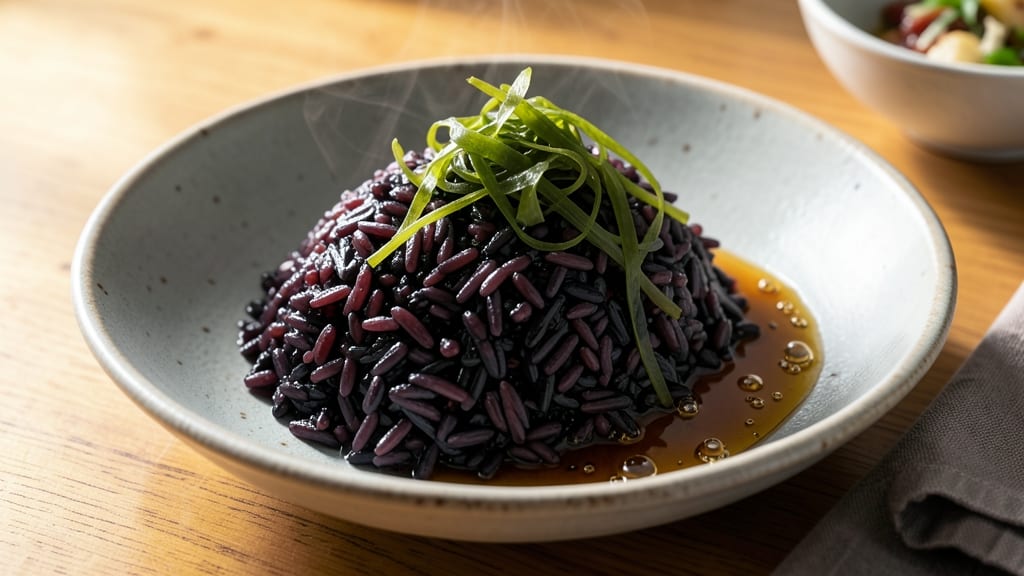
This black rice kanji recipe transforms nutty, earthy black rice into a silky, fragrant porridge with a texture unlike any other. 🌟 The secret lies in slow cooking the rice with just the right amount of water until it achieves that signature creamy consistency—rich, slightly chewy, and deeply satisfying.
What sets this version apart is the way the black rice's natural sweetness and umami develop during cooking, creating a dish that's both comforting and elegant.
Perfect for breakfast or dessert, this kanji can be enjoyed plain or enhanced with fillings like sweet red bean paste, matcha powder, or fresh fruit. The process is straightforward but requires patience—allowing the rice to simmer gently until it reaches that ideal, velvety finish.
Once mastered, this dish becomes a showstopper for any occasion, offering a taste of traditional Japanese craftsmanship with minimal effort.
Ingredients for black rice kanji
Nine essential ingredients transform simple rice into a luxurious, fragrant porridge.
| Ingredient | Amount | Notes |
|---|---|---|
| Black Rice (Forbidden Rice) 🌾 | 1 cup | Uncooked, high-quality grains |
| Water 💧 | 3 ½ cups | Filtered preferred for purity |
| Kombu Seaweed 🍃 | 1 piece | Dried, 3x4 inch sheet |
| Dashi Powder 🍜 | 1 tbsp | High-quality kombu-based |
| Sake 🍶 | ¼ cup | Dry, unflavored preferred |
| Mirin 🍶 | ¼ cup | Sweet cooking wine |
| Soy Sauce 🍶 | 1 tbsp | Light or regular preferred |
| Sesame Oil 🫒 | ½ tsp | Toasted for aroma |
| White Sesame Seeds 🌱 | 1 tbsp | Toasted for garnish |
| Red Bean Paste (Anko) 🍡 | ½ cup | Sweet or savory preferred |
| Matcha Powder 🍵 | ¼ tsp | Ceremonial grade preferred |
| Salt 🧂 | ½ tsp | Fine sea salt preferred |
The black rice is the star—look for high-quality forbidden rice at specialty Asian markets or well-stocked grocery stores like Whole Foods. Brands like Lundberg or Koshihikari deliver the richest flavor. If using pre-washed rice, skip rinsing; otherwise, give it a quick rinse to remove excess starch. The kombu sheet should be dried and vibrant, not brittle or discolored—Hojicha or Matsunoya brands are reliable. For the dashi powder, Marukome is a trusted choice, ensuring authentic umami depth without artificial additives.
No kombu? Dried shiitake mushrooms work as a substitute, but soak them first. Running low on sake? Dry white wine in a 1:1 ratio keeps the flavor profile close. The red bean paste can be homemade or store-bought—Mitsukan or Koyo brands are widely available. For matcha, ceremonial grade makes a difference in both flavor and color. If you're short on time, instant matchaKadoya or Kikkoman brands are excellent choices for that nutty aroma.
Store uncooked black rice in an airtight container in a cool, dark place for up to 6 months3-4 days in the fridge—reheat gently with a splash of water. For longer storage, freeze in portions for up to 3 months. The dashi powder and soy sauce can be pre-mixed in a small jar for convenience. Garnishes like sesame seeds and matcha should be stored in sealed containers to preserve freshness.
Why You'll Love This Recipe
- Four-Ingredient Magic: The ingredients list looks intimidating, but it’s really just three things plus water—black rice, kombu, dashi, and sake. That’s it. No chopping, no blending, no stress. Just soak the rice overnight (or use pre-cooked for instant results), simmer with kombu strips for depth, and let the dashi and sake work their umami charm. I’ve made this on days I forgot to meal prep—zero guilt.
- Deep, Earthy Umami: Honestly, the first bite changes your mind about what kanji should taste like. The black rice soaks up the kombu’s briny sweetness and the dashi’s savory punch, while the sake adds this subtle richness that lingers. It’s not just a side—it’s the kind of dish that makes you pause mid-bite, like, “Wait, is this supposed to be this good?”
- Weeknight to Potluck Hero: This is my go-to for lazy nights because it’s ready when you are—just reheat portions in the microwave or enjoy it cold. But here’s the secret: it’s also the star of my holiday spread. Serve it warm with miso soup and grilled fish for a fancy vibe, or pack it in bento boxes for a lunch that feels chef-curated. My in-laws think I slaved over it. (I didn’t.)
- Leftovers That Lie: Between us, this kanji improves the second day. The flavors meld even more, and the texture turns into this perfect, sticky, comforting bite. I’ve fed it to skeptical teens (they ate it all), packed it for work (colleagues asked for the recipe), and even used it to stretch a budget-friendly dinner into three meals. The rice is cheap, the kombu lasts forever, and dashi powder? Game over—you’re saving money while eating like a pro.
Step-by-step instructions for black rice kanji porridge
Master this delicate Japanese porridge with precise technique and layered flavors.
🍳 Step 1: Prepare the Rice Base with Kombu and Dashi
Rinse the 1 cup Black Rice (Forbidden Rice) under cold water until the water runs clear—this removes excess starch that can make the porridge gummy. Combine the rinsed rice with the 3.5 cups Water in a heavy-bottomed pot. Add the 1 piece Kombu Seaweed and 1 tbsp Dashi Powder, then bring to a boil over medium-high heat.
Once boiling, reduce heat to low and let it simmer uncovered for 45 minutes, stirring occasionally. The rice should break down into a creamy, silky consistency. You'll notice the kombu infuses the water with subtle oceanic notes—this is essential for authentic flavor. If the water level drops significantly, add ½ cup hot water to maintain the proper ratio.
🔥 Step 2: Build Complexity with Sake and Mirin
After the initial simmer, remove the kombu seaweed (discard or save for another use). Stir in the 0.25 cup Sake and 0.25 cup Mirin, then increase heat to medium-low. Let it cook uncovered for another 20 minutes, stirring frequently to prevent sticking. The alcohol will cook off completely, leaving behind a delicate sweetness that balances the earthy rice.
Here's where the magic happens: the combination of sake and mirin creates a subtle umami depth while preventing the porridge from becoming too heavy. You'll see the surface develop a gentle sheen—this indicates proper cooking. If the mixture looks too thick, add 1-2 tablespoons hot water to achieve a velvety texture.
👨🍳 Step 3: Season with Soy Sauce and Matcha
In a small bowl, whisk together the 1 tbsp Soy Sauce, 0.5 tsp Salt, and 0.25 tsp Matcha Powder with 2 tablespoons hot water from the pot. The matcha should dissolve completely into a smooth paste—no lumps should remain. Slowly drizzle this mixture into the simmering porridge while stirring constantly for 1 minute.
This step is critical for balancing flavors. The soy sauce adds saltiness, the matcha introduces earthy bitterness, and the salt enhances all components. The porridge should now have a rich, complex aroma with hints of umami, sweetness, and subtle bitterness. Taste and adjust seasoning if needed—you may need an additional pinch of salt or a touch more mirin for perfect balance.
🥘 Step 4: Finish with Sesame Oil and Anko
Remove the pot from heat and stir in the 0.5 tsp Sesame Oil—this adds nutty aroma and prevents the porridge from drying out. In a separate small saucepan, gently warm the 0.5 cup Red Bean Paste (Anko) over low heat with 1 tablespoon water until it reaches a spreadable consistency (about 2 minutes). Be careful not to overheat or it will separate.
To serve, divide the porridge among bowls. Create a small well in the center of each serving and place a spoonful of warmed anko in the well. The contrast of creamy porridge with sweet, chunky bean paste creates the perfect textural and flavor balance. Drizzle with any remaining sesame oil and sprinkle with 1 tbsp White Sesame Seeds for garnish and extra nutty depth.
Pro Tips For Making Black Rice Kanji
- SOAK THE RICE FIRST: Black rice absorbs water like a sponge—skip soaking, and you’ll end up with a mushy, uneven kanji. Rinse it 2-3 times, then let it sit in water for at least 4 hours (overnight if possible). I learned this the hard way after burning through three batches of overcooked, dense rice that tasted like glue.
- TOAST THE KOMBU: Dry-toast the kombu for 30 seconds in a pan before adding it to the water—this deepens the umami without bitterness. Skip this, and your broth will taste flat. (Yes, even if you’re impatient like me, resist the urge to rush this step.)
- CONTROL THE BOIL: Once the rice starts cooking, keep the heat low and let it simmer gently—no rolling boils. I used to crank the heat, and the rice would split open, turning into a porridge. A steady 140°F (60°C) is all you need.
- SAKE AT THE END: Add sake only in the last 5 minutes of cooking—any earlier, and the alcohol burns off completely. A splash at the finish gives that clean, bright aroma. (Your future self will thank you for not overdoing it.)
Perfect pairings for this black rice kanji
Traditional Serving Styles
In Japan, black rice kanji is traditionally served in lacquered wooden bowls or ceramic donabe pots to enhance the dish's earthy aroma. The porridge is often presented with a small mound of anko in the center, creating a visual contrast that mirrors the balance of flavors.
I've found that using a wide, shallow bowl allows guests to appreciate both the texture and presentation. 🥣
Modern Dessert Pairings
For a contemporary twist, serve this kanji as a dessert with fresh seasonal fruit like mango or persimmon. The natural sweetness of the fruit complements the earthy rice beautifully. I like to drizzle black sesame syrup (made by simmering sesame seeds with sugar) over the top for added depth.
A scoop of matcha ice cream on the side creates a stunning contrast between warm and cold textures.
Savory Side Dishes
Balance the sweetness of the kanji with savory sides like grilled salmon or miso-glazed eggplant. The umami notes in these pairings enhance the porridge's subtle flavors. I often serve it with pickled vegetables to cut through the richness.
For a vegetarian option, steamed bok choy with garlic adds a fresh, crisp element that cleanses the palate between bites.
Beverage Recommendations
A cup of genmaicha green tea is the classic pairing—its toasty, nutty notes harmonize perfectly with the black rice's earthy profile. For something stronger, a sake cocktail (like a highball with lemon and soda) complements the dish's complexity.
If you prefer coffee, a light roast with hints of caramel works surprisingly well, as the coffee's sweetness mirrors the anko's flavor.
Seasonal Variations
In summer, I like to add shaved ice and condensed milk for a refreshing twist, creating a hybrid dessert-porridge. For winter, a sprinkle of toasted cinnamon and a dollop of whipped cream adds warmth.
The key is maintaining the porridge's silky texture while adapting to seasonal ingredients—this keeps the dish exciting year-round. ✨
Nutrition facts
Frequently asked questions
Why does this black rice porridge turn so creamy?
The silky texture comes from slow-cooking the rice with just the right water ratio (3.5 cups to 1 cup rice) and using kombu seaweed, which breaks down the starches naturally. The key is patience—simmering for 45 minutes on low heat transforms the grains into a velvety consistency without gumsiness.
Can I make this kanji without kombu?
Yes! Substitute with 1 dried shiitake mushroom (soaked first) or ½ tsp kombu powder for the same umami depth. Just remember that kombu adds that signature oceanic note that's hard to replicate. For best results, use a high-quality dashi powder instead.
How do I fix kanji that's too thick?
If your porridge is too dense, stir in 1-2 tablespoons hot water while cooking. For a more permanent fix, blend the kanji briefly with ¼ cup water until smooth, then return to the pot. The secret is maintaining the 3:1 water-to-rice ratio from the start—this prevents gummy textures.
What's the best way to store leftover kanji?
Transfer to an airtight container and refrigerate for up to 4 days. Reheat gently with 1 tablespoon water per serving to restore creaminess. For longer storage, freeze in portions for 3 months—thaw overnight in the fridge. The texture may change slightly after freezing, but it's still delicious!
Can I use regular rice instead of black rice?
While it'll work, you'll miss the nutty depth and rich color that black rice provides. For a similar earthy flavor, try brown rice or wild rice, but expect a lighter texture. The porridge's signature dark hue comes from anthocyanins in black rice—these antioxidants also give it that unique health boost!