
Main Courses
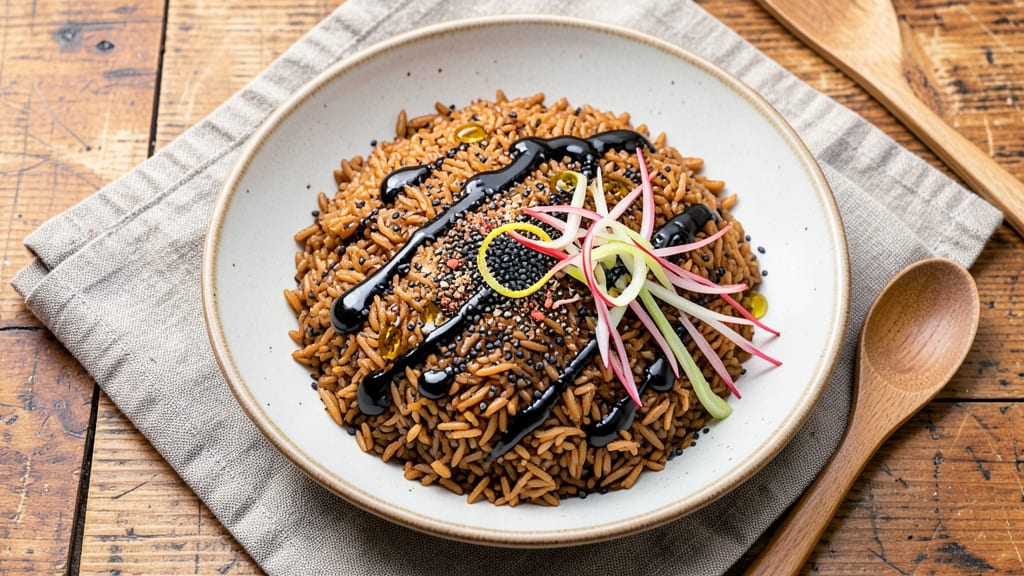
This black sesame rice recipe transforms ordinary grains into a fragrant, nutty centerpiece that elevates any meal in just 20 minutes.
The key lies in infusing basmati or jasmine rice with toasted black sesame paste or seeds, creating a dish that balances earthy depth with subtle sweetness—perfect for modern rice bowls or as a standalone side.
The technique is simple yet transformative: toast the sesame seeds until fragrant, then mix them into the rice during cooking for an even distribution of flavor. Garnish with scallions, toasted nuts, or a drizzle of honey for a touch of brightness.
This dish delivers restaurant-quality results with minimal effort, making it ideal for weeknight dinners or meal prep.
Ingredients for black sesame rice
Transform ordinary grains with these nutty, fragrant ingredients for restaurant-quality black sesame rice.
| Ingredient | Amount | Notes |
|---|---|---|
| Jasmine Rice 🍚 | 1 ½ cups | Uncooked, long-grain preferred |
| Black Sesame Seeds 🥜 | ½ cup | Toasted until fragrant |
| Black Sesame Paste 🥜 | 2 tbsp | Store-bought or homemade |
| Water 💧 | 2 ¼ cups | Room temperature preferred |
| Vegetable Oil 🫒 | 1 tbsp | Light or neutral flavor |
| Scallions 🧅 | ¼ cup | Thinly sliced, green parts only |
| Toasted Cashews 🥜 | ¼ cup | For garnish, optional |
| Agave Nectar 🍯 | 1 tbsp | Or maple syrup for sweetness |
| Diamond Crystal Kosher Salt 🧂 | ½ tsp | Adjust to taste |
| White Sesame Seeds 🥜 | 1 tbsp | For garnish, optional |
| Sesame Oil 🫒 | 1 tsp | For aroma, optional |
The jasmine rice sets the foundation—look for long-grain varieties at Asian markets or the international aisle of major supermarkets like Whole Foods or Trader Joe's. Black sesame seeds are the star; toast them in a dry pan until fragrant (about 2-3 minutes) to unlock their full aroma. For convenience, store-bought black sesame paste (found in the Asian foods section) works beautifully—just ensure it's 100% sesame with no additives. The cashews should be toasted until golden for extra crunch, and scallions add a fresh contrast that brightens the dish.
No black sesame paste? Blend toasted black sesame seeds with a splash of agave nectar (about 1 tbsp liquid per 2 tbsp seeds) until smooth. Swap agave for maple syrup or date syrup if preferred. The sesame oil is optional but adds depth—skip it if you dislike its strong flavor. For a nut-free version, omit cashews and garnish with toasted pumpkin seeds instead. If your rice turns out too dry, add a splash of water during cooking; if too wet, uncover and simmer longer.
Toasted sesame seeds and cashews keep for up to 2 weeks in an airtight container, while sesame paste lasts 3-4 months in the pantry. The cooked rice holds for 4-5 days refrigerated, but reheat gently with a splash of water to restore moisture. For meal prep, portion into containers with a drizzle of agave and sesame oil—stays fresh for 3 days. Freeze cooked rice for up to 3 months (thaw overnight in the fridge).
Why You'll Love This Recipe
- One-Pot Magic: I swear by this method—just rice, toasted sesame paste, and a splash of water. No fancy tools, no stress. The black sesame paste does all the work while you stir for three minutes. That’s it. (Yes, even on a Tuesday night.)
- Nutty Depth: The first bite? Rich, toasty, and slightly sweet—like a cross between caramel and earthy sesame. The paste gives it this velvety texture, and the whole thing tastes like you slaved over it for hours. (Spoiler: You didn’t.)
- Meal Prep MVP: This keeps perfectly for four days in the fridge—ideal for lunches or quick dinners. Toss it with leftover roasted veggies or a fried egg, and suddenly you’ve got a full meal. My lazy Sundays thank me every time.
- Budget Black Gold: Black sesame paste is pricey, but a little goes a long way—this recipe uses just 2 tablespoons. It’s the star, sure, but the rest? Basic rice and oil. Fancy flavor, zero guilt. (Between us, it’s my cheap date-night go-to.)
Step-by-step instructions for black sesame rice
Transform simple jasmine rice into a fragrant, nutty masterpiece with these precise techniques.
Toast the Sesame Seeds and Prepare the Base
In a dry skillet over medium-low heat, toast the 0.5 cup black sesame seeds for 3-4 minutes until they release their deep, toasty aroma and turn a rich, dark brown color. Watch carefully—they darken quickly. Immediately transfer them to a small bowl and set aside.
In the same skillet, heat the 1 tablespoon vegetable oil over medium heat until shimmering. Add the 0.25 cup thinly sliced scallions and sauté for 1 minute until softened but still vibrant. This aromatics base forms the flavor foundation for your rice.
Cook the Jasmine Rice with Sesame Infusion
Add the 1.5 cups jasmine rice to the skillet and stir to coat it evenly with the oil and scallions. Cook for 1 minute, stirring constantly, until the rice grains become translucent at the edges. This step ensures each grain absorbs the sesame aroma.
Pour in the 2.25 cups room temperature water and the 0.5 teaspoon kosher salt. Bring to a gentle boil, then immediately reduce heat to low. Cover tightly with a lid and simmer for 12 minutes without disturbing. The rice should cook evenly in its own steam—don't peek or you'll disrupt the moisture balance.
Incorporate Sesame Flavors at Peak Texture
After 12 minutes, turn off the heat and let the rice sit covered for 5 minutes. This resting period allows residual steam to finish cooking the rice to perfect fluffiness. Gently fold in the 2 tablespoons black sesame paste and 1 tablespoon agave nectar using a wide spatula, being careful not to mash the grains.
Drizzle in the 1 teaspoon sesame oil and mix thoroughly. The rice should now have a glossy sheen and a rich, nutty aroma. If the texture appears too dry, add 1 tablespoon water at a time until it reaches your preferred consistency—it should be moist but not sticky.
Garnish and Serve Immediately
Transfer the rice to a serving bowl and sprinkle evenly with the toasted black sesame seeds and 1 tablespoon white sesame seeds. The contrast of colors and textures creates a visually stunning presentation. For extra crunch, scatter the 0.25 cup toasted cashews over the top.
Serve immediately while the rice is still warm. The aroma should fill your kitchen with that distinctive nutty, toasty fragrance characteristic of authentic black sesame rice. Each bite should deliver a perfect balance of jasmine's floral notes with the deep, earthy sesame flavors.
Pro Tips For Making Black Sesame Rice
- Toast Seeds First: Black sesame paste is rich, but whole seeds need a quick toast in a dry pan for 30 seconds—just until they smell nutty and darken slightly. I learned this the hard way: skipping it makes the flavor hit harder but unevenly, and the rice ends up tasting like you forgot half the sesame.
- Rinse Rice Twice: Jasmine rice soaks up water like a sponge. Give it two quick rinses under cold water until the water runs almost clear, then drain well. My grandmother swore by this, and she was right: it guarantees fluffy, non-mushy rice that won’t turn into glue when you mix in the sesame paste later.
- Simmer, Don’t Boil: Once the rice is cooking, keep the heat low enough that you see tiny bubbles at the edges—not a rolling boil. I used to crank it up, and the rice would either burn or turn out dry. A gentle simmer for 12-15 minutes after the water’s absorbed is the thing that matters most for that perfect texture.
- Mix Paste Last: Stir in the black sesame paste only after the rice is off the heat and just slightly underdone—it’ll finish cooking from the residual heat. Sounds weird, but it works: this keeps the grains intact instead of turning them into sesame paste soup. (Yes, I’ve done that. Don’t.)
Troubleshooting this dish
Uneven Cooking Fix
If your rice turns out unevenly cooked—some grains mushy while others remain hard—it’s likely due to disturbing the pot during cooking or using cold water. Always use room temperature water (let it sit out for 30 minutes) and avoid peeking under the lid.
For future batches, stir the rice once after the initial boil to distribute any unevenly settled grains, then cover and cook undisturbed. 🌡️
Sticky Rice Solution
Overly sticky rice usually means too much water or undercooking. If your rice clumps together, spread it on a baking sheet and let it cool completely, then fluff with a fork. For prevention, use 2.25 cups water for 1.5 cups rice and reduce heat to low immediately after boiling.
If you accidentally add extra water, uncover the pot and simmer 2-3 minutes longer to evaporate excess moisture.
Sesame Flavor Too Strong
The black sesame taste is bold, but if it overpowers your dish, reduce the paste to 1 tablespoon and increase the agave nectar to 2 tablespoons for balance. For a subtler version, rinse the toasted seeds briefly before adding them to the rice.
If you’re using store-bought sesame paste, check for added sugar—some brands sweeten heavily, which can alter the flavor profile.
Dry or Undercooked Rice
If your rice is dry or crunchy, it likely didn’t absorb enough moisture. Next time, add 1 extra tablespoon of water and cover the pot with a towel-lined lid to trap steam better.
For immediate fixes, drizzle 1 teaspoon sesame oil over the rice and gently fold it in—this adds moisture and richness. If the texture is still off, steam the rice for 5 minutes covered with a damp paper towel.
Grain Separation Issues
If your rice breaks apart into individual grains instead of staying cohesive, it’s likely overcooked or stirred too aggressively after cooking. To fix this, undercook the rice slightly by reducing the simmer time to 10-11 minutes, then let it rest 10 minutes covered.
For future batches, fold the rice gently with a spatula instead of stirring vigorously, and avoid rinsing the rice before cooking—this strips away the outer starch that helps grains stick together.
Sesame Paste Clumping
If your black sesame paste clumps when mixed into the rice, it’s likely too thick or not warmed properly. Before adding it, heat the paste with 1 teaspoon water in a small saucepan over low heat for 1 minute, stirring constantly.
For a smoother texture, blend the paste with 1 teaspoon agave nectar before mixing. If clumping persists, sift the paste through a fine-mesh strainer before incorporating it into the rice. ✨
Nutrition facts
Frequently asked questions
Can I substitute basmati rice for jasmine in this recipe?
Yes! Both basmati and jasmine rice work beautifully for this dish. Basmati has a firmer texture and a distinct nutty aroma that pairs wonderfully with black sesame. Use the same ratio (1.5 cups uncooked rice to 2.25 cups water) and follow the cooking instructions exactly. The key difference is the floral fragrance of jasmine versus basmati's more pronounced nutty notes.
How do I make black sesame paste at home if I can't find it?
Making your own is simple! Toast 0.5 cup black sesame seeds in a dry pan over medium-low heat for 3-4 minutes until fragrant. Let them cool, then blend with 1 tablespoon agave nectar and 1 teaspoon water until smooth. This homemade paste will be fresher and more flavorful than store-bought options. Store it in an airtight container for up to 2 weeks.
What are the best ways to serve this black sesame rice?
This versatile dish works perfectly as a standalone side or as the base for modern rice bowls. Pair it with grilled tofu, sautéed bok choy, or shredded rotisserie chicken. For extra flair, top with avocado slices, edamame, or a soft-boiled egg. It also makes an excellent breakfast bowl when served with fried shallots and a drizzle of soy-glazed mushrooms.
Can I make this recipe ahead of time for meal prep?
This rice actually tastes better the next day as the flavors meld together. Cook and cool the rice completely, then store it in an airtight container in the refrigerator for up to 4-5 days. When reheating, sprinkle with 1 teaspoon water and cover with a damp paper towel to restore moisture. For freezing, portion into meal prep containers and freeze for up to 3 months.
Why does my black sesame rice sometimes turn out too dry?
Dry rice usually happens when too much heat escapes during cooking or the water ratio is off. To fix this, always use room temperature water and cover the pot with a towel-lined lid to trap steam better. For immediate fixes, drizzle 1 teaspoon sesame oil over the rice and gently fold it in. For future batches, try adding 1 extra tablespoon of water if your kitchen tends to be dry.