
Main Courses
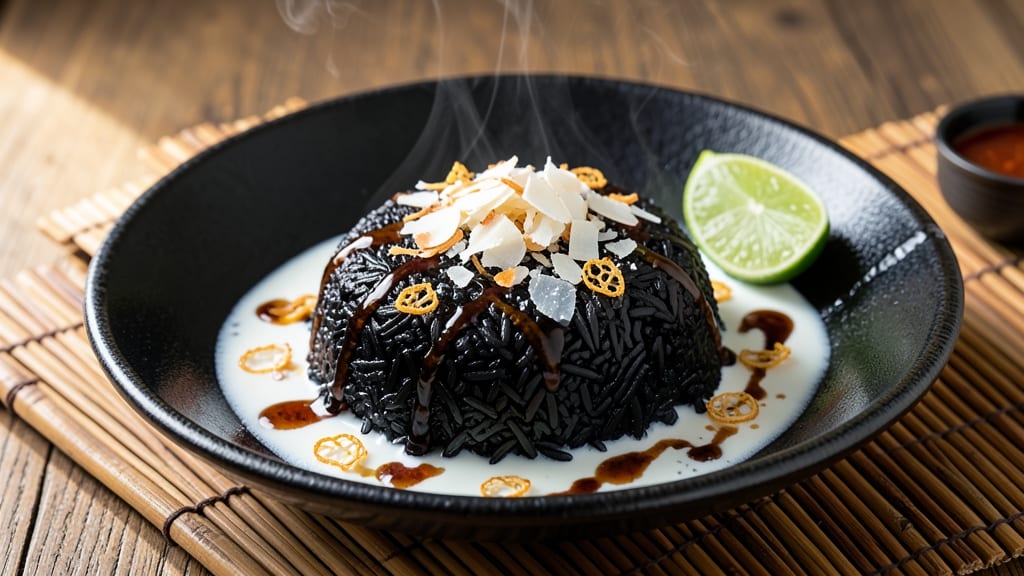
This Black Thai rice recipe transforms simple jasmine rice into an elegant, deep-black masterpiece using squid ink and coconut milk. The result is fragrant, slightly sweet, and visually stunning—perfect for special occasions or impressing guests with authentic Thai flavors.
Traditional methods call for bamboo steamers, but we'll adapt for home kitchens with simple tools.
The secret lies in the soaking process and gentle steaming, which develops the rice's signature texture—soft yet slightly sticky, with a subtle oceanic depth from the squid ink. Garnished with toasted sesame seeds and lime zest, this dish balances richness with brightness.
Serve alongside grilled fish or shrimp for a complete Thai-inspired meal that feels both sophisticated and approachable.
Ingredients for black thai rice
Transform jasmine rice into a striking black masterpiece with these carefully selected ingredients.
| Ingredient | Amount | Notes |
|---|---|---|
| Jasmine Rice 🍚 | 1 cup | Uncooked, long-grain preferred |
| Squid Ink Paste 🐙 | 1 tbsp | High-quality, food-grade only |
| Full-Fat Coconut Milk 🥥 | 13 ½ oz | Canned, no additives |
| Water 💧 | 1 ½ cups | Filtered preferred |
| White Sugar 🍚 | ¼ cup | Granulated, fine grain |
| Salt 🧂 | ½ tsp | Diamond Crystal kosher |
| Toasted Sesame Seeds 🌾 | 1 tbsp | Lightly browned |
| Lime Zest 🍋 | 1 tsp | Freshly grated |
| Fresh Lime Juice 🍋 | 1 tbsp | Strained, no pulp |
| Vegetable Oil 🫒 | 1 tbsp | High smoke point |
| Garlic Cloves 🧄 | 2 cloves | Minced, fresh preferred |
| Shallot 🧅 | ¼ cup | Finely diced |
| Fresh Cilantro 🌿 | ¼ cup | Chopped, stems removed |
The squid ink is non-negotiable for that signature black color—look for food-grade paste at specialty stores or online. Thai Kitchen or Asian markets often carry it, but if unavailable, high-quality squid ink powder works too. Jasmine rice must be uncooked and long-grain for proper texture. For the coconut milk, full-fat canned versions without additives ensure optimal creaminess. The shallot should be finely minced to avoid bitterness, and fresh garlic cloves add depth without overpowering.
No squid ink? Activated charcoal powder at one-third the amount mimics the color, though flavor will differ. Substitute coconut milk with light coconut milk at double the quantity for a lighter version. Fresh lime zest is ideal, but bottled lime zest at half the amount works in a pinch. The sesame seeds must be toasted to a light brown—microwave 30 seconds or dry-toast in a pan. For cilantro lovers, double the amount and garnish generously; omit entirely if you dislike the herb. The sugar can be swapped for palm sugar or brown sugar for subtle flavor variations.
Rice absorbs flavors best when pre-soaked for 30 minutes—use room-temperature water. Store leftover rice in an airtight container for 3 days in the fridge, though texture may soften. Freeze for up to 1 month by spreading on a tray first, then transferring to a bag. The squid ink paste keeps for 6 months refrigerated, while sesame seeds last 3 months in a cool, dark place. Garnishes like lime zest and cilantro should be added fresh before serving for maximum brightness.
Why You'll Love This Recipe
- Just Five Ingredients: That’s it—no crowded pantry needed. A splash of squid ink, a can of coconut milk, and a handful of jasmine rice transform into something that looks like a chef’s special. Honestly, I keep it on repeat because it’s the kind of dish where you forget how little effort went into making it taste so good.
- Velvet Black Magic: The moment that creamy, ink-dyed rice hits your plate—warm, fragrant, with just a whisper of sweetness from the sugar—you’ll understand why people travel for this. That deep umami from the squid ink? It’s like a secret handshake your taste buds recognize instantly.
- Weeknight & Wedding Guest: Same rice, endless uses. Serve it plain as a side for takeout stir-fry, or dress it up with lime zest and chili flakes for a fancy dinner. Between us, I’ve pulled this off for both my roommate’s lazy Tuesday and my sister’s engagement party—zero judgment, all compliments.
- Leftover Luxury: This rice actually improves the next day. The coconut milk soaks in, the flavors meld, and reheating it? A microwave whisper away. Plus, it’s cheap enough that I make double batches—one for now, one for "emergency" lunches that somehow always taste better cold.
Step-by-step instructions for black Thai rice
Transform simple jasmine rice into a dramatic, velvety black masterpiece using just a few key techniques.
Bloom the Squid Ink in Coconut Milk
In a medium saucepan, combine the 13.5 oz full-fat coconut milk and 1 tbsp squid ink paste. Heat over medium-low heat for 5-7 minutes, stirring constantly with a silicone spatula. The mixture will darken dramatically—this is normal and essential for achieving that signature black hue. You're looking for a smooth, velvety consistency without any visible streaks of ink.
Here's the thing—squid ink can be temperamental. If you see any separation or graininess, whisk vigorously for 30 seconds to fully emulsify. Remove from heat once the mixture reaches 160°F—this prevents the coconut milk from curdling later in the process. Keep this mixture warm while you prepare the aromatics.
Sauté Aromatics Until Fragrant
Heat 1 tbsp vegetable oil in a separate pot over medium heat. Add the 2 cloves minced garlic and 0.25 cup finely diced shallot, cooking for 2-3 minutes until the shallots soften and become translucent. You'll smell the garlic release its sweet, pungent aroma—this is your cue that the aromatics are properly developed.
Add the 1 cup jasmine rice and stir to coat the grains completely in the oil. Toast the rice for 1 minute, stirring constantly, until you notice a subtle nutty aroma rising. This step builds flavor depth that separates good Thai rice from exceptional. Don't walk away—the rice can burn in seconds if left unattended.
Combine and Simmer with Precision
Pour the warm squid ink-coconut milk mixture over the toasted rice, along with 1.5 cups water, 0.25 cup white sugar, and 0.5 tsp salt. Stir gently but thoroughly to distribute the ink evenly. Bring to a gentle simmer over medium-low heat, then reduce to the lowest setting possible while maintaining a barely perceptible bubble at the surface.
Cover with a tight-fitting lid and simmer for 20 minutes without disturbing. The key here is patience—this low-and-slow approach allows the rice to absorb the coconut milk's richness while developing that signature creamy texture. After 20 minutes, check for doneness by pressing a grain between your fingers—it should be tender but still hold its shape.
Finish with Acidic Brightness
Remove from heat and let the rice sit covered for 5 minutes. Stir in the 1 tsp lime zest, 1 tbsp fresh lime juice, 1 tbsp toasted sesame seeds, and 0.25 cup chopped fresh cilantro. The acidity from the lime will brighten the rich coconut flavors while the sesame seeds add a delightful crunch. You'll notice the rice darkens slightly more as the lime reacts with the squid ink—this is normal and enhances the visual appeal.
For optimal texture, gently fluff the rice with a fork before serving. The finished dish should have a velvety black exterior with creamy white streaks from the coconut milk, and each grain should be tender yet distinct. Serve immediately while the aroma is at its peak—this dish is best enjoyed fresh from the pot.
Pro Tips For Making Black Thai Rice
- Rinse Rice Twice: Squid ink sticks like glue to unrinsed grains—trust me, you’ll fight clumps later. Swish jasmine rice in cold water twice, squeezing grains between fingers to break up starch. The second rinse matters most; don’t skip it just because the water runs clear.
- Bloom Ink First: Stir squid ink paste into cold coconut milk before heating—this prevents clumping and ensures even color. I used to add it to hot liquid and ended up with splotchy, uneven rice. Sounds weird, but it works.
- Simmer Low and Slow: After adding rice, reduce heat to the lowest setting that keeps a gentle simmer. Too much heat = mushy rice or ink separating. I learned this the hard way when my first batch turned into a gloopy mess.
- Sweeten at the End: Add sugar only in the last 5 minutes—any earlier, and it caramelizes into a sticky, uneven glaze. Taste as you go; you’ll need less than you think, especially with full-fat coconut milk already adding richness.
Storing and reheating this dish
Refrigerator Storage
Let your black Thai rice cool completely before transferring to an airtight container—I recommend glass Pyrex with a tight-sealing lid to maintain freshness. Store in the fridge for up to 3 days, though the texture will soften slightly over time.
The coconut milk and squid ink flavors actually meld beautifully during storage, deepening the dish's complexity. 🌱
Freezer Prep Tips
For longer storage, spread the cooled rice on a tray lined with parchment paper and freeze for 1 hour to prevent clumping. Transfer to a freezer-safe bag with all excess air removed, then store for up to 1 month.
The squid ink may darken further when frozen, but this won't affect flavor. Label with the date—trust me, you'll forget this gorgeous rice exists until you need it! ❄️
Reheating for Best Texture
To revive the rice's creamy texture, transfer a portion to a microwave-safe bowl and add 1-2 tablespoons of water. Cover with a damp paper towel and heat on 50% power for 2-3 minutes, stirring halfway.
For stovetop reheating, use a non-stick skillet over low heat with 1 tablespoon coconut milk—this prevents drying while restoring the dish's lusciousness. Never reheat in the oven—it'll dry out completely.
Garnish After Reheating
Always add fresh garnishes after reheating—they make all the difference! Toast 1 tbsp sesame seeds in a dry pan for 30 seconds and sprinkle over reheated rice. Add 1 tsp lime zest and 1 tbsp chopped cilantro right before serving.
The contrast between warm rice and bright garnishes creates that restaurant-quality finish. Pro tip: Keep garnishes in small containers on your counter for easy access.
Make-Ahead for Parties
This dish is perfect for meal prep—cook the entire batch 1 day ahead and store in the fridge. When ready to serve, reheat portions individually and assemble with your garnishes.
For large gatherings, prepare the rice 2 days ahead**, freeze half, and reheat as needed. The crowd will never guess it was made ahead—the flavors only improve with time! 💫
Nutrition facts
Frequently asked questions
Why does the rice turn black?
The deep black color comes from squid ink paste, which contains melanin—a natural pigment that gives seafood like octopus and cuttlefish their dark hue. When dissolved in coconut milk, it creates that dramatic visual effect while adding a subtle oceanic flavor. The ink is completely food-safe and used in many traditional Asian dishes!
Can I make this without squid ink?
Yes! For a similar color, use activated charcoal powder at one-third the amount (1 tsp instead of 1 tbsp ink). For a different approach, try black sesame paste (1 tbsp) for a nutty flavor, though the color will be lighter. The dish will still taste delicious—just with a different visual presentation.
What's the best way to serve this rice?
This elegant rice pairs beautifully with Thai proteins like grilled lemongrass chicken, pan-seared shrimp, or tofu with coconut curry. For a complete meal, add a side of quick-pickled cucumbers and fresh herbs (mint, Thai basil). The contrast of warm rice with cool garnishes elevates the dish to restaurant quality!
Why does my rice turn out mushy?
Overcooking or too much liquid causes mushiness. The key is low-and-slow simmering—maintain a barely perceptible bubble for exactly 20 minutes after adding water. Use a tight-fitting lid and avoid peeking! If your rice is too wet, spread it on a tray to dry out slightly before serving. The texture should be creamy yet distinct, not glued together.
How can I make this vegan?
This recipe is already vegan-friendly! Simply use vegan coconut milk (check for additives) and ensure your squid ink is vegan-certified (some brands use fish-based products). The lime zest, sesame seeds, and herbs are all naturally plant-based. For extra richness, stir in 1 tbsp vegan butter after cooking.