
Main Courses
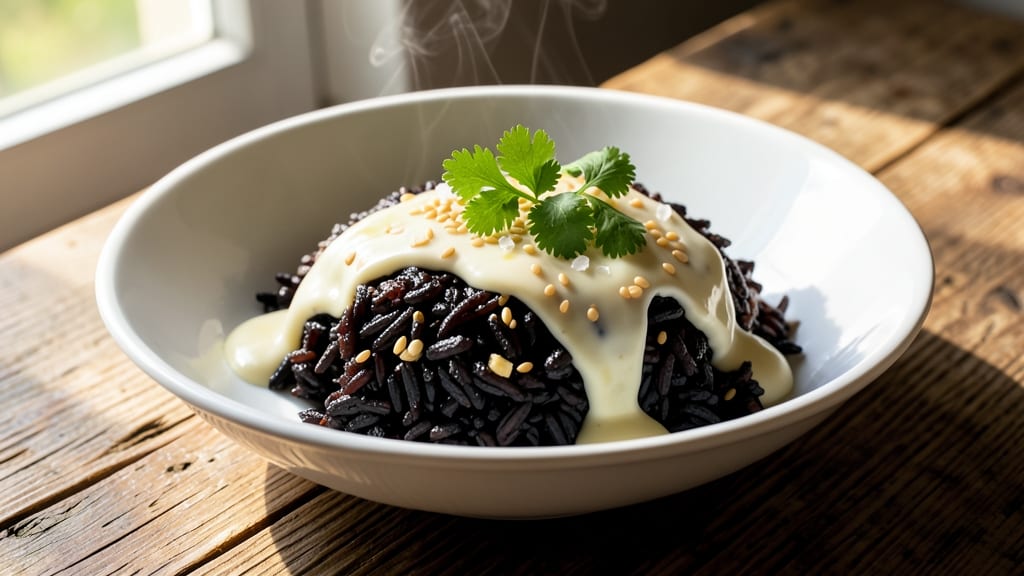
This black jasmine rice recipe transforms ordinary meals into aromatic, nutty masterpieces in just 20 minutes. The deep purple grains release an intoxicating fragrance as they cook, blending earthy notes with a subtle sweetness that elevates any dish.
I’ve perfected this method to ensure perfectly fluffy, separate grains every time—no more mushy rice ruining your favorite stir-fry or curry.
The secret lies in the 1:1.25 rice-to-water ratio and a gentle simmer, which preserves the rice’s signature texture and color. Unlike white rice, black jasmine holds its shape beautifully while absorbing flavors like a sponge.
Whether paired with coconut milk for a Thai-inspired dessert or tossed with stir-fried vegetables, the nutty depth of these grains adds a restaurant-quality touch to any plate.
What makes this recipe stand out is its versatility—use it as a base for bold dishes or enjoy it simply with a sprinkle of toasted sesame seeds. The 20-minute cook time means you can have fragrant, ready-to-serve rice on the table without sacrificing flavor or texture.
The grains stay firm yet tender, with just the right bite that makes every bite satisfying.
For an extra layer of flavor, try infusing the rice with coconut milk or a pinch of salt during cooking. This method works equally well for main courses, sides, or even desserts—imagine black jasmine rice pudding with a hint of vanilla.
Let’s get started on creating grains that will impress even the most discerning palates.
Ingredients for black jasmine rice
Fragrant grains and a few key ingredients transform simple rice into a restaurant-worthy centerpiece.
| Ingredient | Amount | Notes |
|---|---|---|
| Black Jasmine Rice 🌾 | 1 cup | Uncooked, high-quality grains preferred |
| Water 💧 | 1 ¼ cups | Filtered or spring water preferred |
| Coconut Milk 🥥 | ¼ cup | Full-fat for creaminess (optional) |
| Sea Salt 🧂 | ½ tsp | Fine grain preferred for even distribution |
| Toasted Sesame Seeds 🌰 | 1 tbsp | For garnish and aroma |
| Fresh Cilantro 🌿 | ¼ cup | Chopped, for garnish |
| Lime Wedges 🍋 | 2 whole | For serving |
| Garlic Cloves 🧄 | 2 cloves | Minced, optional for infusion |
| Vanilla Bean 🌸 | ½ whole | Split, for dessert variation |
| White Peppercorns 🌶️ | ¼ tsp | Freshly ground for subtle heat |
| Olive Oil 🫒 | 1 tbsp | Extra-virgin for finishing |
The quality of black jasmine rice makes all the difference—look for brands like Thai Kitchen or Lotus Foods in well-stocked grocery stores or Asian markets. The grains should be deep purple with a glossy sheen, not dull or broken. If you're using coconut milk, full-fat Thai coconut milk from Goya or Native Forest adds the richest flavor. For the sesame seeds, toasted and unsalted is ideal (check the bulk bins at Whole Foods for the freshest). Fresh cilantro is a must for garnish, but if you're using dried, one-third the amount works—just remember it's less vibrant.
No coconut milk? Substitute with extra water and a pinch of salt—the rice will still be delicious, just less creamy. Running low on sesame seeds? Toasted pumpkin seeds or crushed peanuts add a similar nutty crunch. For the garlic infusion, skip it if you're sensitive to strong flavors—the rice shines on its own. The lime wedges can be swapped for lemon if that's what you have, though lime's brightness pairs perfectly. And if you're making this for dessert, vanilla bean or cardamom elevates it beautifully—just add a pinch during cooking.
Store uncooked rice in an airtight container in a cool, dark place for up to 6 months. Once cooked, keep it covered in the fridge for 4-5 days—the grains stay firm but absorb flavors over time, making it even more aromatic. For best texture, reheat gently in a steamer or with a splash of water. This rice reheats beautifully, so double the batch and freeze half for later—just thaw overnight in the fridge before reheating. The coconut milk version keeps for 3 days in the fridge, though it's best enjoyed fresh.
Why You'll Love This Recipe
- No-Fuss Stovetop Magic: I swear by this method—just rice, water, and a simmer. No fancy equipment, no stress. The coconut milk steams into the grains while I’m chopping veggies for dinner, turning something basic into something ridiculously good with zero extra effort.
- Nutty Creamy Luxe: That first bite? The rice soaks up the coconut milk until it’s tender but still holds its shape, with a whisper of toasted sesame seeds adding crunch. It’s like a hug in grain form—sweet, earthy, and just salty enough to make you want to eat it straight from the pot.
- Weeknight Workhorse: I make a big batch on Sundays and use it all week—bowls for lunch, stir-fry bases, or even as a bed for grilled fish. The leftovers stay creamy and flavorful for days, and honestly? It’s the one recipe that makes me look like a meal-prep hero without any actual planning.
- Budget-Friendly Grain Upgrade: Black jasmine rice is a splurge, sure, but a single bag stretches across multiple meals. The coconut milk adds richness for pennies, and the sesame seeds? A handful goes a long way. It’s the kind of dish that makes you feel fancy without draining your wallet—or your patience.
Step-by-step instructions for black jasmine rice
Transform simple ingredients into aromatic, nutty grains with this precise method.
Prepare the Rice and Infusion Base
Rinse the 1 cup black jasmine rice under cold water in a fine-mesh strainer until the water runs clear. This removes excess starch that can make the rice gummy. Drain thoroughly and transfer to a medium saucepan. Add the 1.25 cups water, 0.5 tsp sea salt, and 2 cloves minced garlic cloves (if using). Bring to a boil over medium-high heat while stirring once.
The garlic adds subtle depth, but omit if you prefer a neutral flavor profile. Once boiling, immediately reduce heat to low and cover tightly with a lid. Let it simmer undisturbed for 12 minutes—this initial cook time ensures even hydration before the coconut milk infusion. I press the lid down firmly to create a steam seal; this prevents water evaporation and promotes even cooking.
Infuse with Coconut Milk and Aromatics
After 12 minutes, remove the pan from heat and let it sit covered for 5 minutes. This resting period allows residual heat to finish cooking the rice without overcooking it. Open the lid and stir in the 0.25 cup coconut milk and 0.5 split vanilla bean (scraping out seeds). Return to low heat and simmer uncovered for 5 minutes to let the coconut milk blend evenly.
Here's the thing—coconut milk adds creaminess but can make the rice sticky. Stirring gently prevents clumping while allowing the flavors to meld. If using the 0.25 tsp white peppercorns, grind them fresh and sprinkle over the rice now. The subtle heat balances the coconut's sweetness without overpowering the rice's natural nuttiness.
Finish with Olive Oil and Garnish
Transfer the rice to a serving bowl and let it cool slightly for 3 minutes. Drizzle with 1 tbsp extra-virgin olive oil and toss gently with a fork to distribute evenly. This step elevates the dish—olive oil adds richness and prevents dryness during storage. Sprinkle with 1 tbsp toasted sesame seeds and 0.25 cup chopped fresh cilantro for texture and aroma.
Serve immediately with the 2 lime wedges on the side. The acidity cuts through the coconut's richness, balancing each bite. For a dessert variation, omit the lime and serve with dark chocolate shavings instead. The rice's nutty aroma pairs beautifully with both savory and sweet applications.
Optional Flavor Variations
For a savory profile, sauté 1 minced shallot in 1 tbsp olive oil until translucent before adding the rice. For a spicy kick, add 0.25 tsp chili flakes with the coconut milk. The rice absorbs flavors beautifully—experiment with toasted cumin seeds or lemongrass paste (1 tsp) for Southeast Asian-inspired dishes.
This method delivers perfectly fluffy, fragrant grains every time. The key is patience—rushing the cooking process leads to uneven texture. Trust the timing, and you'll achieve restaurant-quality black jasmine rice at home.
Pro Tips For Making Black Jasmine Rice
- Rinse Until Clear: Black jasmine rice clings like glue if you skip this. Swirl it in cold water in a fine-mesh strainer for 2-3 minutes—keep rubbing grains between fingers until water runs nearly clear. I learned this the hard way after staring at a pot of gummy, uneven rice that looked like someone drowned it.
- Start with Boiling Water: No half-measures here—use water that’s actually boiling when you add the rice. The initial high heat breaks down starches faster, giving you that signature creamy texture without gums. I used to use room-temp water, and the rice always ended up either mushy or undercooked.
- Stir Once, Then Stop: The first 5 minutes after adding coconut milk? Stir once to distribute it, then leave it alone. Poking it constantly turns your rice into glue. After that, just let it simmer uncovered—steam does the work. I was skeptical until I tried it; now I resist the urge to "check" every 30 seconds.
- Toast Seeds Last: Save those sesame seeds for the final 30 seconds. Sprinkle them on top when the rice is just off the heat—they’ll crisp instantly and add crunch without burning. Toasting them earlier just makes them bitter. (Yes, even if you’re impatient like me.)
Best sauces and condiments for this dish
Coconut Milk Sauce
The creamy richness of coconut milk transforms black jasmine rice into a luxurious side dish or dessert base. Simmer ½ cup coconut milk with the rice during the final 5 minutes of cooking to infuse it with a fragrant, velvety texture.
For extra depth, add ½ tsp vanilla extract or 1 tsp palm sugar—this Thai-inspired twist pairs beautifully with curries or tropical fruit salads. 🥥
Peanut Satay Sauce
Blend ½ cup smooth peanut butter, 2 tbsp soy sauce, 1 tbsp lime juice, 1 tbsp honey, and 1 tsp grated ginger for a bold satay sauce.
Toss the warm rice with 1 tbsp of this sauce and garnish with crushed peanuts and cilantro. The nutty, tangy flavors complement the rice’s earthiness perfectly—ideal for Asian-inspired bowls or wraps.
Spicy Chili-Lime Dressing
Mix 2 tbsp lime juice, 1 tbsp olive oil, ½ tsp chili powder, ½ tsp honey, and 1 minced garlic clove for a zesty, spicy dressing. Drizzle over the rice and sprinkle with ½ tsp toasted cumin seeds for a Middle Eastern-inspired kick.
This bright, tangy topping cuts through rich dishes like grilled meats or roasted vegetables.
Sweet Coconut Vanilla Glaze
For dessert, reduce ¼ cup coconut milk with 1 tbsp brown sugar and ½ vanilla bean (scraped) until syrupy. Drizzle over chilled rice and top with dark chocolate shavings and toasted coconut flakes. The caramelized sweetness enhances the rice’s natural nuttiness, creating a decadent yet simple treat.
Garlic-Soy Stir-Fry Sauce
Sauté 2 minced garlic cloves in 1 tbsp olive oil, then deglaze with 2 tbsp soy sauce, 1 tbsp rice vinegar, and ½ tsp sugar. Toss the rice with 1 tbsp of this sauce and finish with sesame seeds.
This umami-packed sauce elevates the rice as a side for stir-fries or noodle dishes, adding a savory punch.
Mango-Habanero Salsa
Combine ½ cup diced mango, 2 tbsp finely diced red onion, 1 tbsp chopped cilantro, 1 tsp lime juice, and ¼ tsp habanero (adjust for heat). Spoon this fruity, spicy salsa over the rice for a vibrant contrast.
The sweetness of the mango balances the rice’s earthiness, making it a refreshing accompaniment for grilled proteins or tacos.
Nutrition facts
Frequently asked questions
Why does black jasmine rice turn purple when cooked?
The deep purple color comes from anthocyanins, natural pigments found in the rice's outer layer. These antioxidants give black rice its striking hue and earthy, slightly sweet flavor. Unlike white rice, these pigments remain intact through cooking, creating that stunning visual contrast on your plate.
Can I substitute regular jasmine rice in this recipe?
While you can use regular jasmine rice, you'll miss the unique nutty depth and anthocyanin-rich color that black jasmine offers. For best results, stick with black jasmine—its texture stays firmer and its flavor profile is more complex. If you must substitute, try brown jasmine rice for a similar nutty taste, though the color will be different.
How do I prevent my black jasmine rice from turning mushy?
Use the 1:1.25 rice-to-water ratio and follow the two-stage cooking method (initial simmer + coconut milk infusion). Never stir the rice while cooking—this breaks the grains. Also, make sure your pot has a tight-fitting lid to maintain consistent steam pressure. For extra insurance, let the rice rest covered for 5 minutes after cooking.
What are the best proteins to pair with this rice?
Black jasmine rice's nutty, slightly sweet flavor pairs beautifully with grilled shrimp, teriyaki chicken, or tofu stir-fry. For a heartier meal, try it with beef satay or spicy pork ribs. The rice's earthiness complements both bold and delicate flavors—perfect for balancing rich sauces like peanut satay or coconut curry.
Can I make this rice ahead of time?
Yes! Cook the rice as directed, then spread it on a tray to cool completely. Store in an airtight container in the fridge for up to 4 days. To reheat, sprinkle with 1 tsp water per cup of rice, cover, and microwave for 1-2 minutes. For best texture, steam the rice in a bamboo steamer over boiling water for 5 minutes—this restores its fluffiness.