
Main Courses
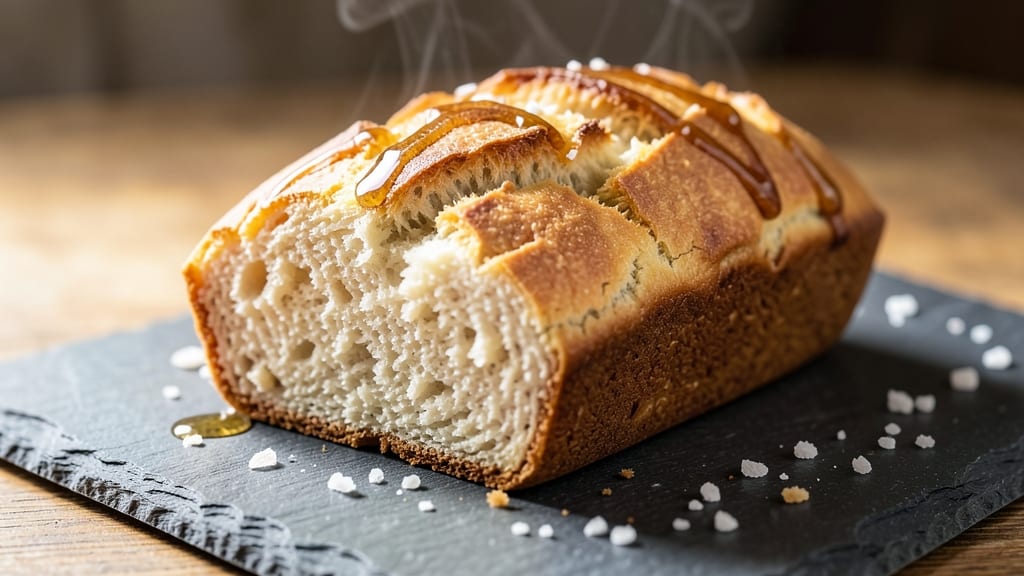
This blender rice bread recipe from ChefSteps transforms simple ingredients into a fluffy, no-knead loaf with a tender crumb and crispy crust—no yeast or kneading required. The secret lies in blending rice flour for a lighter texture, while a touch of honey and butter creates that signature golden-brown finish.
Perfect for beginners or anyone craving restaurant-quality bread without the effort.
With just five ingredients and 15 minutes of prep, you’ll achieve a loaf that’s soft inside yet sturdy enough to hold thick slices of butter or jam. The recipe relies on a foolproof method—no rising time, no shaping stress—just mix, bake, and enjoy.
Ideal for sandwiches, toast, or serving alongside soups, this bread proves that homemade doesn’t have to mean complicated.
Ingredients for blender rice bread recipe chefsteps
Five simple ingredients transform into a restaurant-quality loaf with minimal effort.
| Ingredient | Amount | Notes |
|---|---|---|
| White Rice Flour 🌾 | 2 cups | Blended fine for smooth texture |
| Unsalted Butter 🧈 | ½ cup | Cold, cubed for even blending |
| Honey 🍯 | ¼ cup | Pure, liquid consistency preferred |
| Large Eggs 🥚 | 2 whole | Room temperature for even mixing |
| Salt 🧂 | 1 tsp | Diamond Crystal preferred |
| Baking Powder 🍞 | 1 tsp | Aluminum-free for best results |
| Water 💧 | ¼ cup | Room temperature for proper blend |
The rice flour is non-negotiable—Bob's Red Mill or Anthony's Goods brands yield the finest texture. Pre-blending it in a high-speed blender ensures no gritty bits, which is critical for that signature tender crumb. Unsalted butter adds richness, but European-style or Plugrá brands melt more smoothly. Honey should be pure and liquid; Manuka or clover varieties work best. The eggs act as both binder and leavening agent, so room temperature is essential for proper emulsification.
No rice flour? Jasmine rice blended into a fine powder works in a pinch, but texture will be slightly denser. Butter substitutes like coconut oil or vegan butter reduce richness but maintain structure. Honey can be swapped for maple syrup or agave nectar, though flavor will differ. For a gluten-free version, ensure your rice flour is certified. The baking powder must be fresh—test by mixing with water; if it bubbles, it's active. Water temperature matters: too cold and the blend won't emulsify properly; too hot and it may cook the eggs prematurely.
Store the dry rice flour blend in an airtight container for up to 3 months to prevent moisture absorption. Once mixed, the batter keeps in the fridge for 24 hours in a sealed container with parchment between layers. For longer storage, freeze the unbaked loaf for up to 3 months. Reheat slices in a toaster for maximum crispiness. The bread's peak freshness occurs within the first 2 days after baking, so plan accordingly.
Why You'll Love This Recipe
- Blender Magic: I swear by this recipe—just toss rice flour, eggs, and butter into the blender, pulse, and boom. No sifting, no kneading, no fuss. The dough comes together faster than I can say "forgot to buy bread."
- Sweet Butter Crunch: That honey-butter combo? It’s like a grown-up rice cake but way better. The bread stays soft inside with a golden, buttery crust that cracks just enough for maximum satisfaction—no sad, dry slices here.
- Breakfast to Snack: Honestly, I make this for everything. Toast it for breakfast with peanut butter, pack slices for lunch, or serve warm with jam when friends drop by. Even my coffee-loving husband requests it—rare.
- Pantry Staple Wins: Between us, this recipe uses ingredients you already have. Rice flour lasts forever, eggs are cheap, and butter? Well, we’re not cutting corners here. Plus, leftovers toast up perfectly the next day—zero waste, all flavor.
Step-by-step instructions for blender rice bread
This no-knead method transforms simple ingredients into a perfectly fluffy loaf using just your blender.
Blend Dry Ingredients to Perfect Consistency
In a high-speed blender, combine the 2 cups white rice flour, 1 teaspoon salt, and 1 teaspoon baking powder. Pulse until the mixture reaches a fine, powdery texture with no visible flour particles. This step ensures even distribution of ingredients and eliminates lumps that could create dense spots in your bread.
I like to pulse in short bursts of 2-3 seconds at a time, checking between pulses to monitor progress. The goal is a consistency similar to fine cornmeal—smooth but still slightly aerated. Avoid over-blending, as this can generate heat and potentially activate the baking powder prematurely.
Incorporate Wet Ingredients for Smooth Batter
Add the 0.5 cup cold cubed unsalted butter, 0.25 cup honey, and 2 whole large eggs to the blender. Blend on low speed for 10 seconds to combine, then gradually increase to high speed for 30 seconds until the butter is completely incorporated and the mixture becomes smooth.
Here's where precision matters: The butter should melt completely but not create a greasy separation. If you notice any butter clumps remaining after 30 seconds, pulse again in 5-second bursts until fully emulsified. The batter should have a thick, pudding-like consistency—similar to pancake batter but slightly denser.
Add Water and Blend to Final Texture
With the blender running on low speed, slowly pour in the 0.25 cup room temperature water through the feed tube. This gradual addition prevents splattering and ensures even distribution. Increase speed to high and blend for 45-60 seconds until the batter is completely smooth and homogeneous.
The final texture should be thick enough to hold its shape when dropped from a spoon but still flow slightly when poured. If the batter appears too thick, add 1 tablespoon water and blend for another 10 seconds. Conversely, if it's too thin, add 1 tablespoon white rice flour and blend until smooth. This adjustment ensures proper rise during baking.
Transfer and Shape the Dough
Transfer the batter to a lightly greased 9x5-inch loaf pan. Use a silicone spatula to scrape out every last bit from the blender container. Gently tap the pan on the counter to release any air bubbles that may have formed during blending. This step prevents large air pockets that could create uneven baking.
Smooth the top with the spatula, creating a slightly domed shape. The batter should reach about ¾ full of the pan—this allows for proper expansion during baking. Place the pan on a baking sheet lined with parchment paper to catch any potential overflow.
Bake to Golden Perfection
Preheat your oven to 350°F and bake the bread for 50-55 minutes, or until a toothpick inserted into the center comes out clean and the top is deep golden brown. The bread is done when it springs back slightly when pressed gently in the center—this indicates proper doneness.
I recommend checking for doneness at the 45-minute mark as ovens vary. If the top browns too quickly, tent the pan with foil during the last 10 minutes of baking to prevent over-browning while ensuring the interior cooks through. Remove from the oven and let cool in the pan for 10 minutes before transferring to a wire rack.
Pro Tips For Making Blender Rice Bread Recipe Chefsteps
- Mix Butter Until Pale: I learned this the hard way—stop beating the butter into the rice flour dough when it turns a soft, almost translucent yellow. That’s when the gluten relaxes just enough to make the bread light and tender, not dense. (Yes, even if you’re impatient like me, resist the urge to rush this.)
- Sift Flour Twice: This isn’t the prettiest method, but it’s the tastiest. Rice flour clumps like crazy, and those lumps turn into gummy pockets in the bread. Sift it into the bowl before adding wet ingredients, then sift again after mixing—sounds weird, but it works.
- Let Dough Rest 20 Minutes: Skip this, and your bread will crack open like an overbaked soufflé. After mixing, let the dough sit covered while you preheat the oven. The gluten needs time to unwind, and the honey will distribute evenly—no more sticky, uneven crumbs.
- Use Room-Temp Eggs: Cold eggs make the dough fight you. Crack them into a bowl first, let them sit for 10 minutes while you prep the rest. The batter will blend smoother, and the bread rises more evenly—no more guessing why one loaf turned out denser than the other.
Regional styles of this blender rice bread recipe chefsteps
Southern Comfort Style
In the American South, this blender rice bread often gets a cornmeal crust for extra crunch and a touch of sweetness. Mix 2 tablespoons fine cornmeal into the dry ingredients before blending, then sprinkle 1 tablespoon over the batter before baking.
The result? A rustic, golden crust that pairs perfectly with honey butter or jam. 🌾
Italian Panettone Twist
For a festive holiday version, fold ½ cup candied citrus peel and ¼ cup raisins into the batter after blending. Bake in a round cake pan for a dome shape, then brush with 1 tablespoon melted butter mixed with 1 teaspoon vanilla extract after baking.
This Italian-inspired adaptation works beautifully for Christmas or Easter celebrations.
Japanese Mochi-Inspired Softness
To achieve an ultra-soft, almost cake-like texture, replace ½ cup of the rice flour with ½ cup glutinous rice flour (like Mochiko). Add 1 tablespoon matcha powder to the dry blend for a subtle earthy note.
Bake at 325°F for 60 minutes—the lower temperature prevents over-browning while maintaining that signature tender crumb.
Mexican Cinnamon-Spiced Loaf
Warm up this bread with Mexican flavors by adding 1 teaspoon ground cinnamon and ½ teaspoon Mexican oregano to the dry ingredients. After baking, brush the warm loaf with a mix of 2 tablespoons melted butter and 1 tablespoon brown sugar, then sprinkle with ½ teaspoon ground cinnamon.
Serve with churro-style cinnamon sugar for dipping.
German Pretzel Crust
For a savory twist, brush the baked loaf with 1 egg wash mixed with 1 tablespoon water, then sprinkle generously with coarse sea salt.
While still warm, dip the loaf in simmering beer (like Weihenstephaner) for 30 seconds, then return to the oven at 400°F for 5 minutes to crisp the crust. This method mimics traditional German pretzel baking.
French Brioche-Inspired Richness
Elevate this bread with French techniques by adding 2 tablespoons powdered sugar and 1 tablespoon instant yeast to the wet ingredients. After blending, let the batter rest for 30 minutes** at room temperature before baking.
The result is a slightly sweeter, more airy loaf with a tender crumb—perfect for French toast or serving with charcuterie. 🥖
Nutrition facts
Frequently asked questions
Why does this recipe use rice flour instead of all-purpose flour?
The rice flour creates a uniquely tender, almost cake-like crumb that's lighter than traditional bread. When blended finely, it absorbs moisture differently, producing a softer interior with a slightly chewy texture. This makes it perfect for sandwiches or toast where you want a delicate bite.
Can I make this bread without a high-speed blender?
Yes, but with adjustments. Use a food processor and pulse the dry ingredients until very fine (like cornmeal). For wet ingredients, melt the butter first, then mix everything by hand with a whisk until completely smooth. The texture will be slightly less refined but still delicious.
How do I know when the bread is fully baked?
The bread is done when a toothpick inserted in the center comes out clean and the top is deep golden brown. Tap the top gently—it should spring back slightly. If unsure, check at 45 minutes as ovens vary. For extra insurance, the internal temperature should reach 190°F.
Why did my bread turn out dense instead of fluffy? Dense bread usually means either over-blending (which activates baking powder too early) or under-mixing (creating uneven texture).
Can I substitute honey with something else?
Yes, but expect flavor differences. Maple syrup or agave nectar work well (use same amount), though they're slightly less sweet. For a neutral option, try 1/4 cup melted butter instead. If using corn syrup, reduce by 1 tablespoon as it's more concentrated. The honey adds moisture and subtle sweetness that's hard to replicate.