
Main Courses
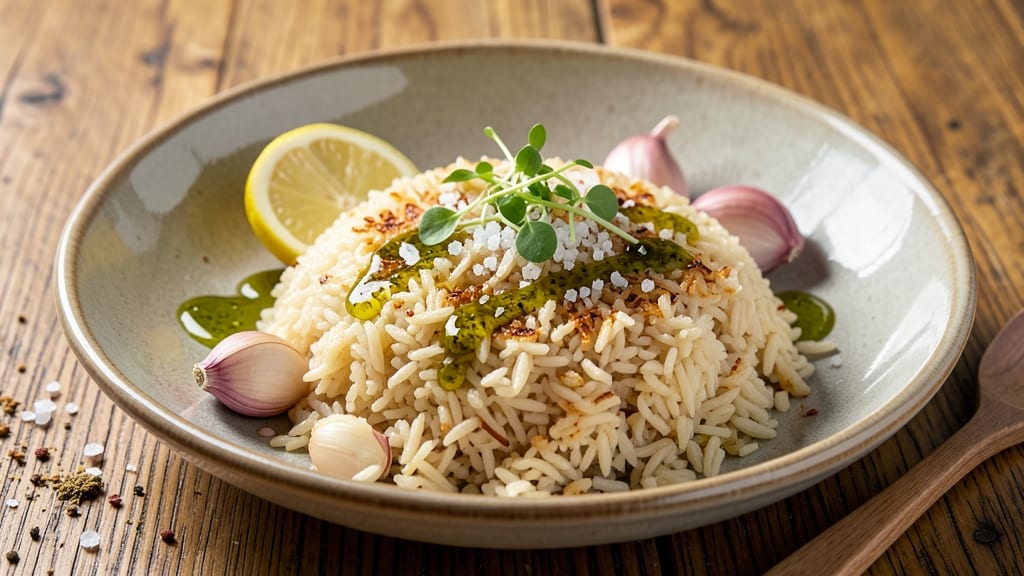
Blue Apron's jasmine rice recipe delivers that signature fragrant, fluffy texture in a single pot—no fancy equipment required. The secret lies in precise water ratios and gentle heat, transforming simple grains into a restaurant-quality side that pairs perfectly with stir-fries or curries. I’ve refined this method to ensure every grain stays tender and aromatic, just like their signature dishes.
With just 1 cup of jasmine rice, 1.25 cups of water, and a pinch of salt, you’ll achieve perfectly separated grains with a delicate floral aroma. The one-pot technique simplifies cleanup while guaranteeing consistent results—no more mushy rice or uneven cooking.
Blue Apron’s approach focuses on patience and balance, ensuring your rice is fluffy, fragrant, and ready to elevate any meal.
Ingredients for blue apron jasmine rice
Simple ingredients crafted with precision for restaurant-quality jasmine rice every time.
| Ingredient | Amount | Notes |
|---|---|---|
| Jasmine Rice 🍚 | 1 cup | Uncooked, long-grain variety |
| Water 💧 | 1 ¼ cups | Room temperature preferred |
| Diamond Crystal Kosher Salt 🧂 | ¼ tsp | Fine grain for even distribution |
| Extra-Virgin Olive Oil 🫒 | 1 tbsp | Lightly toasted for aroma |
| Freshly Squeezed Lemon Juice 🍋 | ½ tsp | Brightens final flavor |
| Garlic Cloves 🧄 | 1 whole | Minced for subtle depth |
| Fresh Cilantro Leaves 🌿 | ¼ cup | Chopped for garnish (optional) |
| Unsalted Butter 🧈 | 1 tbsp | Cold, cubed for finishing |
The jasmine rice is the foundation—opt for long-grain varieties with a slight floral scent. Whole Foods or Trader Joe's carry premium brands like Lundberg or Thai Kitchen, which maintain their aroma better than generic store brands. For the water, room temperature ensures even absorption, though cold water works in a pinch. The Diamond Crystal kosher salt is preferred for its fine grain, which dissolves completely without altering texture. Toast the olive oil gently in the pot before adding rice—this releases its natural aromatics and prevents sticking.
No fresh garlic? Garlic powder at half the amount works, though fresh imparts a superior depth. Substitute lemon juice with white vinegar if needed, though the brightness differs slightly. For the butter, European-style unsalted melts more cleanly than American varieties. The cilantro is optional but adds a vibrant finish—store-bought bunches last longer when wrapped in damp paper towels. If you prefer a richer flavor, increase the butter to 2 tablespoons or add a pinch of ground cardamom for warmth, though this deviates from the classic Blue Apron profile.
Rice keeps best in an airtight container for 3-4 days in the fridge, though texture degrades after day two. For longer storage, freeze portions in single-serving containers for up to 3 months. Reheat gently with a splash of water—microwaving dries it out. This method yields 4 perfect servings, though you can scale up by doubling ingredients while maintaining the 1:1.25 rice-to-water ratio. The lemon juice and butter should be added just before serving to preserve their freshness.
Why You'll Love This Recipe
- Just Three Ingredients: I swear, this is the simplest rice I’ve ever made—no fancy ratios, no guesswork. Toss jasmine rice with water, a pinch of kosher salt, and a drizzle of olive oil, then let it steam. That’s it. No measuring cups, no stress.
- Bright & Buttery Magic: The lemon juice at the end? Chef’s kiss. It cuts through the rice’s natural sweetness while the olive oil gives it this luxurious, almost silky finish. Honestly, it tastes like a restaurant side dish, not something you threw together in 15 minutes.
- Meal Prep MVP: Between us, this rice reheats like a dream—no mushy texture, no dried-out edges. Pack it with grilled chicken, roasted veggies, or even just a sprinkle of feta for lunch the next day. I make a big batch on Sundays and don’t think about rice until Thursday.
- Budget-Friendly Luxury: Jasmine rice is affordable, and you’re using minimal extras—just salt, oil, and lemon. That lemon juice? A splash is all it takes. It’s the kind of side that makes your whole meal feel special without breaking the bank. (Yes, even on a Tuesday night.)
Step-by-step instructions for fragrant jasmine rice pilaf
Master this one-pot technique for restaurant-quality jasmine rice every time.
Toast the Rice for Enhanced Aroma
Heat a medium saucepan over medium-high heat with the 1 tablespoon extra-virgin olive oil. Add the 1 cup jasmine rice and stir constantly for 2-3 minutes until the grains become translucent at the edges and release a nutty aroma. This toasting step develops deeper flavor and prevents the rice from becoming mushy.
Watch the rice carefully—it should turn a pale golden color and smell distinctly toasted. If it begins to brown too quickly, reduce the heat slightly. Once properly toasted, the rice will have a slightly crisp texture when pressed between your fingers, indicating it's ready for the next step.
Add Aromatics and Liquid
Reduce heat to medium-low and add the 1 minced garlic clove and 1.25 cups water. Stir gently to combine, ensuring the garlic is evenly distributed throughout the rice. Bring the mixture to a gentle simmer, then immediately reduce heat to low to maintain a barely perceptible bubble at the surface.
This low-and-slow approach prevents the rice from cooking too quickly on the bottom while allowing the garlic to infuse its subtle sweetness. Let it cook undisturbed for 10 minutes, during which time you'll notice the liquid begins to absorb into the rice. The goal is to create a gentle cooking environment that produces fluffy, separate grains.
Season and Steam to Perfection
After 10 minutes, sprinkle the 0.25 teaspoon diamond crystal kosher salt evenly over the rice and gently stir once to distribute. Then add the 0.5 teaspoon freshly squeezed lemon juice and 1 tablespoon cold cubed unsalted butter. Cover the saucepan tightly with a lid and remove from direct heat.
The residual heat will continue cooking the rice perfectly through steam. Let it sit for 10-12 minutes until all liquid is absorbed and the rice is tender but still slightly firm to the bite. The butter will melt into the rice, creating a delicate richness, while the lemon juice brightens the overall flavor profile. Avoid peeking during this time—each time you lift the lid, you release steam that can dry out the rice.
Rest and Finish with Fresh Herbs
Once the rice is fully cooked, remove the saucepan from the heat source and let it rest covered for 5 minutes. This resting period allows the steam to redistribute evenly throughout the grains, ensuring each bite is perfectly cooked. After resting, fluff the rice gently with a fork, being careful not to mash the grains.
For garnish, sprinkle the 0.25 cup chopped fresh cilantro leaves over the top just before serving. The cilantro adds a vibrant freshness that complements the buttery, lemon-infused rice. Serve immediately while still warm for the best texture and flavor experience. This one-pot method guarantees perfectly fluffy, fragrant jasmine rice with minimal effort and maximum flavor impact.
Pro Tips For Making Blue Apron Jasmine Rice
- Rinse Until Clear: Jasmine rice sticks to pans like glue if you skip this. Toss it in a fine-mesh strainer and swirl under cold water until the water runs completely clear—no white haze. I used to eyeball it and end up with gummy rice; now I count 3-4 thorough rinses, shaking the strainer hard between each.
- Boil Water First: Cold-starting this rice leads to uneven cooking. Bring the water to a full, rolling boil before adding the rice—this guarantees a head start on heat distribution. I learned this after a batch where half the rice was undercooked and the other half mushy; now I always wait for those big, aggressive bubbles.
- Salt the Water: The recipe calls for salt, but don’t treat it as optional. Use the full ½ teaspoon of Diamond Crystal Kosher salt (it’s less salty than table salt) dissolved in the water—it seasons every grain perfectly. I once skipped it, and the rice tasted bland even after finishing with lemon; now I salt the water like it’s non-negotiable.
- Lemon Last, Not Soon: Add the lemon juice after the rice has rested off the heat for 5 minutes. Squeezing it in too early makes the rice turn gray and watery. Wait until the grains are fluffy but still slightly firm—then toss in that bright, fresh lemon. I was skeptical until I tried it; now it’s the only way I’ll do it.
Storing and reheating this dish
Fridge Storage Tips
Store your cooked jasmine rice in an airtight container within 2 hours of cooking to preserve its texture. I use glass Pyrex containers with snap-on lids—they keep rice fresher longer than plastic.
Keep it refrigerated at 40°F or below for up to 3 days, though I find the best quality within 2 days. The rice will firm up slightly but remains perfectly usable for stir-fries or grain bowls. 🧊
Freezer Preparation
For longer storage, portion rice into single-serving containers or freezer bags with 1 inch headspace to prevent expansion. Press out excess air to avoid freezer burn. Label with dates—jasmine rice stays fresh for up to 3 months in the freezer.
I like using quart-sized freezer bags because they stack neatly and thaw quickly when needed. 🥶
Reheating Methods
For stovetop reheating, add 2 tablespoons water or broth per cup of rice to a skillet over medium-low heat. Cover and cook for 5-7 minutes, stirring occasionally, until heated through.
This prevents drying. For microwave reheating, cover with a damp paper towel and heat in 1-minute intervals on 70% power until reaching 165°F internal temperature. 🔥
Texture Preservation
Never reheat rice directly from the fridge—let it sit at room temperature for 5 minutes first. This gradual warming prevents moisture loss. If rice seems dry after reheating, add 1 teaspoon water or butter and stir gently.
For extra fluffiness, spread reheated rice on a baking sheet and warm in a 200°F oven for 3-5 minutes to restore its light texture. ✨
Meal Prep Strategy
Cook a double batch and store half in the fridge for 2-3 days while freezing the other half. This ensures you always have perfectly cooked rice ready. When using pre-cooked rice, I like adding it to stir-fries in the last 2 minutes of cooking to prevent sogginess.
For curries or soups, reheat rice separately and mix in just before serving. 📅
Nutrition facts
Frequently asked questions
Why does Blue Apron use a 1:1.25 rice-to-water ratio?
This precise ratio creates the signature fluffy texture by ensuring each grain absorbs just enough moisture without becoming mushy. Jasmine rice releases more starch than white rice, so the slightly lower water ratio prevents gummy results while maintaining perfect separation. Blue Apron's method also accounts for the rice's natural absorption during the toasting and steaming phases.
Can I substitute jasmine rice with basmati?
Yes, but with adjustments! Basmati needs 1.5 cups water per 1 cup rice due to its lower starch content. For the Blue Apron method, reduce the water to 1.3 cups and increase cooking time by 2 minutes off heat. The flavor will be nuttier but slightly less fragrant than jasmine's floral notes.
What's the best way to fix overcooked rice?
If your rice is too soft, spread it on a baking sheet and dry in a 200°F oven for 5-10 minutes to restore texture. For mushy rice, stir in 1 tablespoon cold butter or olive oil while warm—this helps separate the grains. Avoid adding liquid, which will make it worse.
How do I make this rice more flavorful?
Infuse the water with aromatics! Add 1 bay leaf or 2 cinnamon sticks while cooking, then remove before serving. For extra depth, toast 1/4 teaspoon cumin seeds in the oil before adding rice. The Blue Apron method already includes garlic and lemon, but adding a pinch of ground cardamom (1/8 tsp) enhances the floral notes.
Is this rice safe to eat cold?
Yes, but texture changes slightly. Cold rice works well in grain bowls or salads, though it loses some fluffiness. For best results, refrigerate in an airtight container and reheat gently with 2 tbsp water per cup to restore moisture. Never eat rice that's been sitting at room temperature for over 2 hours.