
Main Courses
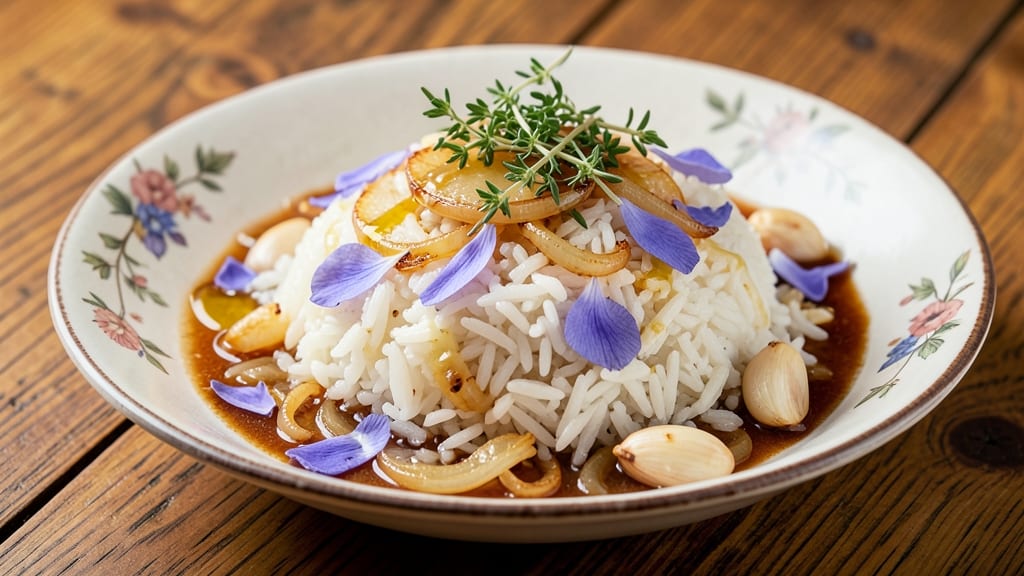
This blue pea flower rice recipe transforms simple grains into a vibrant, fragrant centerpiece of Caribbean cuisine. The delicate purple hue and earthy coconut aroma create a dish that's as visually stunning as it is flavorful—perfect for special gatherings or weeknight meals that feel like a celebration.
Traditionally prepared with coconut milk, aromatic spices, and the signature blue pea flowers, this rice develops a rich, slightly sweet depth that pairs beautifully with grilled meats or fresh tropical sides.
The key lies in balancing tender grains with the floral notes of the pea flowers, ensuring each bite delivers both texture and complex flavor.
Ingredients for blue pea flower rice
Simple grains and vibrant Caribbean flavors come together for this stunning purple rice.
| Ingredient | Amount | Notes |
|---|---|---|
| Long-Grain White Rice 🍚 | 1 ½ cups | Uncooked, rinsed thoroughly |
| Full-Fat Coconut Milk 🥥 | 13 ½ oz | Canned, no additives |
| Dried Blue Pea Flowers 🌸 | 1 tbsp | Organic, vibrant purple |
| Yellow Onion 🧅 | 1 whole | Medium size, diced |
| Garlic Cloves 🧄 | 4 cloves | Fresh, minced |
| Fresh Thyme 🌿 | ¼ cup | Leaves only, chopped |
| Ground Cumin 🌶️ | 1 tsp | Freshly toasted |
| Ground Turmeric 🌿 | ½ tsp | Bright yellow |
| Salt 🧂 | 1 tsp | Sea salt preferred |
| Black Peppercorns 🌶️ | ½ tsp | Freshly ground |
| Fresh Cilantro 🌿 | ¼ cup | Chopped, for garnish |
| Extra-Virgin Olive Oil 🫒 | 2 tbsp | For sautéing |
| Vegetable Stock 💧 | 1 ½ cups | Low-sodium preferred |
The blue pea flowers are the star—look for organic, vibrant purple at Caribbean markets or specialty stores like Whole Foods. If you can't find dried, fresh flowers work too but steep them in warm water first. Coconut milk should be full-fat for richness; Thai Kitchen or Aroy-D brands are reliable. The rice needs to be long-grain for proper texture—jasmine or basmati won't give the same result. Fresh thyme and cilantro elevate the dish, so grab them at the market if possible—they make all the difference.
No blue pea flowers? Butterfly pea flowers are a close substitute, though the color will be slightly different. Short on coconut milk? Light coconut milk with extra olive oil maintains the flavor profile. The vegetable stock can be swapped for water plus 1 tsp bouillon in a pinch, but it won't be as flavorful. For extra depth, toast the cumin and turmeric in olive oil for 30 seconds before adding to the rice—this brings out their aromatic qualities. The onion and garlic are non-negotiable for building flavor, so don't skip them.
Rice keeps best in an airtight container in the fridge for 4-5 days, though the color may fade slightly. For longer storage, freeze portions for up to 3 months. Reheat gently with a splash of water or coconut milk—microwaving can make the rice dry. The flowers' color intensifies when chilled, so this dish actually tastes better the next day. Garnish with fresh cilantro right before serving to keep it vibrant.
Why You'll Love This Recipe
- No Chopping Hassle: I swear by this—just mince garlic and slice onions once, then let the blue pea flowers do the work. The rice absorbs all the flavor while you sip tea or scroll through your phone.
- Coconut-Garlic Magic: That first bite? Creamy, nutty, with a hint of floral sweetness from the blue pea flowers. The full-fat coconut milk makes it rich without needing butter or oil—honestly, it’s the kind of dish that makes you pause mid-bite.
- Lunchbox Hero: Pack it cold for work or school—stays firm, tastes fresh, and those purple flowers add a fun surprise. My kids actually ask for leftovers, which never happens.
- Pantry Staple Power: Dried blue pea flowers last forever, and you’re using rice, coconut milk, and onions—stuff you already have. I’ve made this for date nights, potlucks, and lazy Sundays, and it never lets me down.
Step-by-step instructions for blue pea flower rice
Transform simple rice into a vibrant, aromatic dish with this method.
Sauté Aromatics for Flavor Foundation
Heat the 2 tablespoons extra-virgin olive oil in a medium saucepan over medium heat. Add the diced yellow onion and cook for 5 minutes until softened and translucent. You'll know it's ready when the onion releases its sweet aroma and begins to caramelize slightly at the edges.
Add the minced garlic cloves and cook for 30 seconds until fragrant. Stir in the ground cumin, ground turmeric, salt, and black peppercorns. Toast the spices for 1 minute until they release their oils and fill your kitchen with a warm, earthy aroma. This spice toasting step is crucial for building flavor depth in the rice.
Bloom the Blue Pea Flowers
Reduce heat to low and stir in the 1 tablespoon dried blue pea flowers. Cook for 2 minutes until the flowers begin to darken slightly and release their vibrant purple hue into the oil. This step is where the magic happens—the flowers will infuse the rice with their delicate floral notes and striking color. Be careful not to let them burn, as they can darken quickly at higher temperatures.
Add the chopped fresh thyme and stir for 30 seconds until the leaves wilt slightly and release their piney aroma. This combination of spices and herbs creates the perfect aromatic base for the rice. The thyme adds brightness that balances the earthiness of the blue pea flowers and coconut milk.
Toast the Rice for Nuttiness
Increase heat to medium-high and add the 1.5 cups long-grain white rice. Stir to coat the grains evenly with the aromatic oil mixture. Toast the rice for 2-3 minutes until it becomes translucent at the edges and releases a nutty aroma. This toasting step is essential for developing the rice's texture—it prevents mushy grains and adds a pleasant nuttiness to the final dish.
Pour in the 13.5 ounces full-fat coconut milk and stir gently to combine. Bring the mixture to a gentle simmer, then reduce heat to low. Cover the pan tightly with a lid and cook for 15 minutes without stirring. The coconut milk will begin to absorb into the rice, creating a creamy base while allowing the rice to absorb moisture evenly.
Simmer with Stock for Perfect Texture
After 15 minutes, stir the rice gently to redistribute any settled grains at the bottom. Add the 1.5 cups vegetable stock and stir once more. Return the heat to low, cover tightly, and cook for another 15-20 minutes until the rice is tender and the liquid has been fully absorbed.
You'll know the rice is perfectly cooked when it's tender but still has a slight bite in the center. The grains should be separate and fluffy, with the vibrant purple color from the blue pea flowers evenly distributed throughout. If the rice seems dry before all liquid is absorbed, add 1-2 tablespoons water and continue cooking covered.
Rest and Garnish for Presentation
Remove the pan from heat and let the rice rest, covered, for 5 minutes. This resting period allows the rice to finish steaming and the flavors to meld together. Fluff the rice gently with a fork to separate the grains and release any remaining steam.
Transfer the rice to a serving dish and garnish with the chopped fresh cilantro. The bright green of the cilantro will contrast beautifully with the purple rice, adding both visual appeal and a fresh herbal note. Serve immediately while the rice is warm, allowing the vibrant colors and complex flavors to shine.
Pro Tips For Making Blue Pea Flower Rice
- SOAK THE FLOWERS FIRST: Dried blue pea flowers need a quick 10-minute soak in warm water before adding them to the rice—this prevents them from floating like stubborn little rafts and ensures even color distribution. I used to skip this, and half my dish would look like it got hit by a blue confetti cannon.
- USE HALF THE COCONUT MILK: Full-fat coconut milk is rich, but dumping the whole can in there turns your rice into a heavy, greasy pudding. Start with just 1 cup (save the rest for curries or smoothies) and add more only if you’re craving extra creaminess—your rice will stay light and fluffy.
- TOAST THE ONIONS LOW AND SLOW: Sautéing onions on high heat turns them bitter before they even soften. Instead, keep the heat at medium-low and let them cook for 8-10 minutes until they’re golden and translucent—this builds flavor without burning. I learned this the hard way after one batch tasted like a sad, charred onion memorial.
- STIR THE RICE ONCE MID-COOK: After the initial 5 minutes of cooking, resist the urge to check constantly. Let the rice sit undisturbed for 5 minutes, then give it one gentle stir—this prevents gummy rice and lets the coconut milk and flowers meld properly. Over-stirring makes the grains clump like overworked office politics.
Common mistakes when making this dish
Overcooking the Rice
One of the biggest mistakes is letting the rice cook too long, which turns it mushy and loses that perfect fluffy texture. I’ve ruined batches by checking too often or keeping the heat too high—15-20 minutes on low after adding stock is ideal.
If it’s not done, add 1-2 tablespoons water and cook covered for another 5 minutes, not the full time again. 🌡️
Skipping the Spice Toast
Rushing through the spice toasting step means missing out on deep, aromatic flavors. Toasting cumin and turmeric for 1 minute in olive oil releases their oils and builds complexity.
I’ve made this mistake and ended up with bland rice—never skip this step! The spices should smell warm and earthy before adding rice. 🌶️
Using the Wrong Rice
Long-grain white rice is non-negotiable for this dish—jasmine or basmati won’t give the same texture. I once used short-grain rice and ended up with sticky, clumpy grains. Rinse the rice thoroughly before cooking to remove excess starch, which prevents clumping and ensures each grain stays distinct. 🍚
Burning the Pea Flowers
The delicate blue pea flowers can darken quickly if cooked too long or at high heat. Reduce heat to low when adding them and cook for only 2 minutes. I’ve seen them turn bitter when overcooked—watch closely and stir gently to distribute their color evenly. 🌸
Ignoring the Resting Time
Letting the rice rest for 5 minutes after cooking is crucial for even texture and flavor distribution. Skipping this step means fluffing rice that’s still releasing steam unevenly, leading to a dry or uneven finish. I’ve learned this the hard way—patience pays off! ✨
Overlooking the Stock Addition
Adding stock too early or not enough can leave the rice dry or undercooked. After the initial 15 minutes, stir gently, add 1.5 cups vegetable stock, and cook covered for another 15-20 minutes.
If the rice seems dry before all liquid is absorbed, add 1-2 tablespoons water—never guess the amount. 💧
Nutrition facts
Frequently asked questions
What makes this blue pea flower rice different from regular coconut rice?
The blue pea flowers add a delicate floral aroma and stunning purple hue that coconut rice alone can't match. While coconut rice relies on the creamy richness of the milk, these flowers infuse subtle floral notes that balance the earthy spices. The color transformation alone makes it perfect for special occasions!
Can I substitute blue pea flowers with butterfly pea flowers?
Yes! Butterfly pea flowers work beautifully as a substitute—they'll give you that same vibrant color shift (from purple to blue when acidic ingredients like lemon are added). Use the same amount (1 tbsp) and follow the same cooking method. The flavor profile remains similar, though the color may vary slightly.
How do I adjust this recipe for a larger crowd?
Double all ingredients for 8 servings, but use a larger pot (at least 6-quart) to maintain proper rice-to-liquid ratio. For 12 servings, triple the recipe and cook in two batches. Keep the cooking times consistent—don't rush the simmering process, as this affects texture.
What dishes pair well with blue pea flower rice?
This vibrant rice shines with Caribbean favorites like grilled jerk chicken, black beans, or fried plantains. For a vegetarian spread, try coconut-lime shrimp or a fresh mango-avocado salad. The floral notes in the rice complement both spicy and tropical flavors beautifully.
Why did my rice turn out mushy instead of fluffy?
Mushy rice usually means either overcooking or insufficient liquid absorption. Double-check your cooking time (15-20 minutes after adding stock) and ensure you're using long-grain white rice (not jasmine or basmati). Also,