
Main Courses
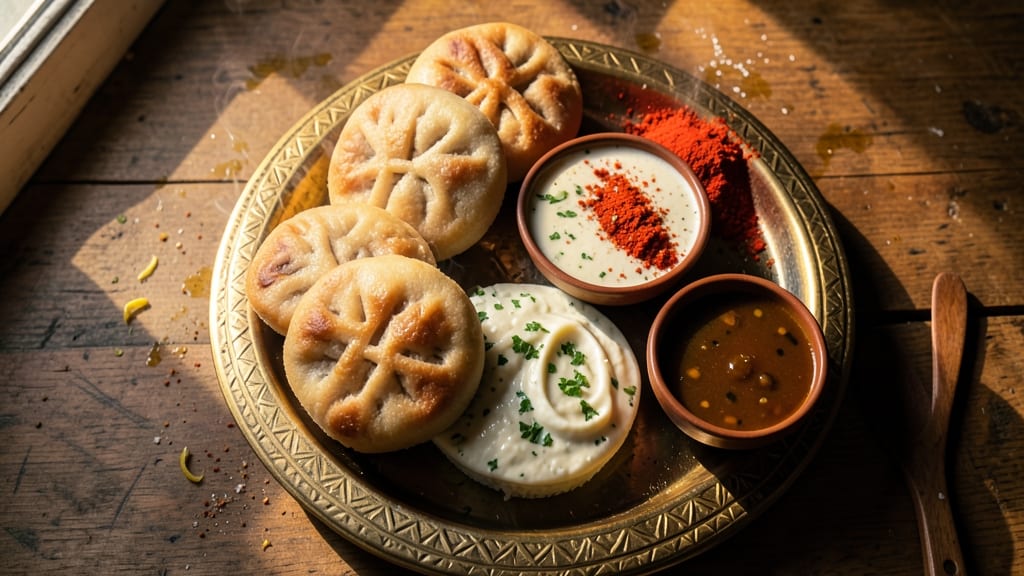
This boiled rice idli recipe transforms simple ingredients into fluffy, fermented steamed cakes with a signature tangy crunch. The secret lies in balancing rice and urad dal batter, letting it ferment just right for that signature texture.
Perfect for breakfast or snacking, these idlis pair beautifully with sambar or coconut chutney.
What makes this recipe special is the fermentation process—allowing the batter to sit overnight develops natural tanginess while keeping the idlis light and airy. With just a steamer and basic pantry staples, you’ll achieve restaurant-quality results at home. The key is patience and precise steaming for even cooking.
Ingredients for boiled rice idli
Nine essential ingredients for restaurant-quality idlis with perfect fermented tang and steamed softness.
| Ingredient | Amount | Notes |
|---|---|---|
| Short-Grain White Rice 🍚 | 1 cup | Uncooked, washed thoroughly |
| Urad Dal 🌾 | ½ cup | Split black gram, soaked 4 hours |
| Rice Fermenting Agent 🧂 | ¼ tsp | Eno fruit salt or yogurt starter |
| Cumin Seeds 🌿 | ½ tsp | Toasted lightly for aroma |
| Asafoetida Powder 🌶️ | ⅛ tsp | Optional for authentic flavor |
| Salt 🧂 | ¾ tsp | Diamond Crystal preferred |
| Water 💧 | 2 cups | Filtered for best results |
| Fresh Fenugreek Leaves 🌿 | ¼ cup | Optional garnish, chopped |
| Coconut Oil 🫒 | 1 tbsp | For greasing steamer plates |
The rice and urad dal form the core of this recipe—short-grain white rice is non-negotiable for that signature soft texture. Urad dal should be split and rinsed thoroughly before soaking to remove impurities. For the fermenting agent, Eno fruit salt is widely available in Indian grocery stores, but plain yogurt works in a pinch. The cumin seeds and asafoetida add depth; toast the cumin in a dry pan for 30 seconds to enhance aroma. Salt matters here—Diamond Crystal kosher salt dissolves better than table salt. If you can't find urad dal, moong dal in equal proportion works, though texture differs slightly.
No rice fermenting agent? A pinch of baking soda (¼ tsp) can kickstart fermentation, though results may vary. Fresh fenugreek leaves are ideal but dried methi at half the amount suffices. The water should be room temperature—cold water slows fermentation. For authentic flavor, asafoetida is crucial; if unavailable, garlic powder at ⅛ tsp mimics its umami punch. The coconut oil for greasing steamer plates is optional but prevents sticking—vegetable oil works equally well. Pro tip: Soak the dal in twice the water volume (1 cup dal to 2 cups water) for optimal texture.
The batter ferments best at room temperature (75-80°F)—place the bowl in a warm spot overnight. Steam for exactly 10-12 minutes on medium-high heat for perfectly soft idlis. Leftover batter keeps 2 days refrigerated and ferments slower; bring to room temp before steaming. Idlis reheat beautifully—steam again for 5 minutes to restore texture. Store cooked idlis in an airtight container for 3 days or freeze for 1 month. For extra crispiness, lightly toast in a pan with ghee after steaming.
Why You'll Love This Recipe
- No Soaking Nightmare: I just cook the rice—no pre-soaking, no waiting. Toss the short-grain rice with water, boil it, and let it ferment overnight. That’s it. No extra steps, no fuss, and still gets that signature fluffiness.
- Fermented Magic: Honestly, that rice fermenting agent changes everything. The tangy, slightly sour bite from the fermented batter cuts through the richness of coconut chutney or sambar. It’s the secret weapon—no fancy yeast needed.
- Crowd-Pleaser Any Day: Breakfast, brunch, or even a light dinner? These idlis work everywhere. Plus, they freeze like a dream—just reheat with a splash of water, and they’re fresh again. (Yes, even on a Tuesday night.)
- Pocket-Friendly Staple: Urad dal and rice are cheap, and this recipe stretches them far. A single batch feeds four for breakfast, and leftovers reheat perfectly. My wallet—and my family—thank me every time.
Step-by-step instructions for boiled rice idli
Mastering this traditional recipe delivers perfectly steamed idlis with a light, airy crumb and subtle tang.
Prepare the Fermented Batter
Combine the 1 cup short-grain white rice and 0.5 cup urad dal in a large mixing bowl. Add 2 cups water and let soak for 8-10 hours at room temperature. This hydration period is crucial for developing the signature fermented flavor and texture.
After soaking, drain any excess water through a fine-mesh strainer. Transfer the mixture to a food processor and pulse until smooth, scraping down the sides as needed. The batter should be silky with no visible grains remaining. This consistency ensures even steaming and that signature idli crumb.
Return the batter to the mixing bowl and stir in the 0.25 tsp rice fermenting agent, 0.5 tsp toasted cumin seeds, 0.125 tsp asafoetida powder, and 0.75 tsp salt. Mix thoroughly until fully incorporated. Cover with a clean kitchen towel and let ferment at room temperature for 8-12 hours until the batter doubles in volume and develops a slightly tangy aroma. The ideal fermentation time creates that signature idli flavor without making the batter too sour.
Grease the Idli Molds
Lightly grease the idli molds with 1 tbsp coconut oil, ensuring each cavity is evenly coated. This prevents sticking and creates that characteristic golden sheen on the idli exteriors. I use a small brush for precision application, making sure to get into every crevice of the intricate designs.
Warm the steamer by filling it with 2 inches of water and bringing to a gentle simmer over medium heat. The water should never boil vigorously—this steams the idlis evenly without making them dense. Place the greased molds in the steamer and let them preheat for 2-3 minutes to ensure proper release when steaming.
Fill and Steam the Idlis
Carefully pour the fermented batter into the prepared molds, filling each cavity ¾ full. The batter should be at room temperature for even distribution. Tap the molds gently on the counter to eliminate air bubbles and ensure smooth tops. This prevents uneven cooking and creates that classic idli dome shape.
Place the filled molds in the steamer and cover with a tight-fitting lid. Steam over medium-low heat for 10-12 minutes until the idlis are fully set and the steam becomes clear. You'll know they're ready when they release cleanly from the molds with a slight springiness to the touch. Avoid lifting the lid during steaming—this releases steam and can make the idlis dense.
Serve with Fresh Garnishes
Remove the idlis from the steamer and transfer to a serving plate. Immediately garnish with 0.25 cup chopped fresh fenugreek leaves for that authentic South Indian touch. The leaves add a subtle bitterness that balances the mild sweetness of the idlis and enhances their visual appeal.
Serve warm with coconut chutney or sambar for the complete experience. The idlis should have a delicate, airy interior with a slightly crisp exterior—each bite should be light yet flavorful, with that signature tang from the fermentation process. For best results, consume within 2 hours of steaming while they're at their peak texture and temperature.
Pro Tips For Making Boiled Rice Idli
- SOAK DAL SEPARATELY: I learned this the hard way—mixing urad dal with rice while soaking leads to uneven fermentation. Keep the dal in a separate bowl with 3x its volume of water for 4-5 hours before grinding. The batter stays smoother and ferments faster this way.
- GRIND TO 110°F BATTER: Use a thermometer if you can—stop grinding when the batter hits 110°F (43°C). Too cold (below 105°F) and fermentation stalls; too hot (above 115°F) and the idlis turn dense. I now grind in 2-minute bursts with 1-minute rests to hit this sweet spot.
- FERMENT IN TWO STAGES: Split the batter into two batches: ferment the first half for 8 hours, then mix in the second half and let it rest another 4-5 hours. This prevents over-fermentation (which makes idlis gassy and flat) while ensuring the second batch gets enough probiotic kick.
- STEAM ON LOW HEAT: Crank the heat to medium-high for the first 5 minutes to drive out raw smells, then drop to low for the remaining 10-12 minutes. High heat all the way makes the top rubbery—low and slow gives you that signature fluffy crumb. (Yes, even if you’re impatient like me.)
Wine and beer pairings for this recipe
Coconut Chutney
This creamy, nutty chutney is the classic pairing for idlis, balancing their mild flavor with bright coconut and tangy yogurt. Blend 1 cup grated coconut, 2 tbsp yogurt, 1 green chili, ½ tsp cumin seeds, and ¼ tsp salt until smooth.
Thin with 2 tbsp water if needed. The coconut's richness complements the idlis' subtle tang perfectly. 🥥
Spicy Sambar
For a heartier meal, serve idlis with sambar—a South Indian lentil stew with tamarind and spices. Simmer 1 cup red lentils, 1 cup mixed vegetables (carrots, drumsticks), and 1 tbsp sambar powder in 4 cups water for 20 minutes.
Finish with 1 tbsp coconut oil and a squeeze of lemon. The lentils add protein while the spices enhance the idlis' natural flavors.
Mango Lassi
Skip the alcohol and opt for a refreshing mango lassi to accompany your idlis. Blend 1 cup ripe mango pulp, 1 cup yogurt, ½ cup milk, and 1 tsp sugar until smooth.
Chill for 1 hour before serving. The sweetness of mango contrasts beautifully with the tangy idlis, creating a balanced flavor experience. 🍈
Herbal Mint Chutney
For a lighter option, try a fresh mint chutney. Blend 1 cup mint leaves, 2 tbsp coriander, 1 green chili, ½ tsp cumin seeds, and ¼ tsp salt with 2 tbsp water.
The cooling mint refreshes your palate after each bite of warm idlis. Garnish with a pinch of chaat masala for extra zing.
Warm Cardamom Tea
If you prefer a drink over chutney, a warm cardamom tea is ideal. Steep 2 cardamom pods in 2 cups hot water for 5 minutes, then strain and add 1 tsp honey.
The aromatic tea cuts through the richness of the idlis while adding a soothing warmth. Perfect for a cozy breakfast or snack time. ☕
Spiced Buttermilk
For a tangy, cooling contrast, serve idlis with spiced buttermilk. Whisk 1 cup buttermilk with ½ tsp roasted cumin powder, ¼ tsp black pepper, and a pinch of asafoetida. Chill before serving. The buttermilk's acidity balances the idlis' mild sweetness, making each bite more refreshing. 🥛
Nutrition facts
Frequently asked questions about boiled rice idli
Why does my idli batter turn too sour?
Over-fermentation happens when the batter sits too long in warm conditions. Keep it at room temperature (75-80°F) and ferment for only 8-12 hours. For hotter climates, reduce fermentation to 6-8 hours or refrigerate after 4 hours to slow the process. The ideal batter should double in volume with a mild tang, not a sharp vinegar smell.
Can I make idlis without a steamer?
Yes! Use a heavy-bottomed pot with a tight-fitting lid and a trivet. Fill with 1 inch of water and bring to a gentle simmer. Place greased idli molds on the trivet and steam for 12-15 minutes until firm. Avoid boiling water—it makes idlis dense. For even cooking, rotate the molds halfway through.
What's the secret to fluffy idlis?
The key is in the batter preparation: short-grain rice (not basmati), thorough soaking (8-10 hours), and smooth grinding. Use a food processor for a silky texture, and ferment at room temperature. Also, steam on medium-low heat for 10-12 minutes—never high heat, which makes idlis rubbery.
How do I store leftover idlis?
Keep cooked idlis in an airtight container at room temperature for 2 days, or refrigerate for 4 days. To reheat, steam for 5 minutes or microwave for 20 seconds with a damp paper towel. For longer storage, freeze for 1 month—thaw overnight in the fridge before reheating.
Can I substitute urad dal with moong dal?
Yes, but expect a slightly different texture. Use ½ cup moong dal (soaked 4 hours) instead of urad dal, and add ¼ cup rice flour to the batter for structure. Moong dal idlis will be softer and less tangy. Ferment for 6-8 hours—moong dal ferments faster than urad dal.