
Main Courses
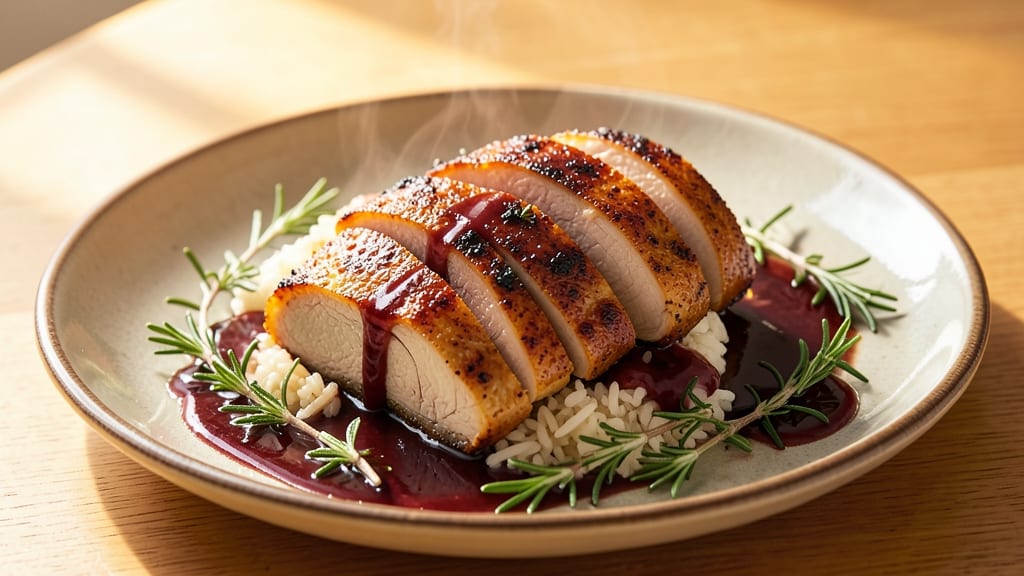
Braised duck and rice transforms rich, fall-off-the-bone duck into a luxurious one-pan meal with fragrant rice and a velvety herb gravy. The secret lies in slow-braising the duck until tender, then simmering it with aromatic spices until the sauce thickens into a glossy, savory blanket. This technique—inspired by classic Chinese braising methods—delivers restaurant-quality depth with minimal effort, making it perfect for special occasions or cozy weeknight dinners.
The result is a dish where tender duck shreds nestle into fluffy rice, each bite infused with smoky, herby gravy that clings to every strand.
The process is straightforward: sear the duck for rich flavor, then braise it low and slow until fork-tender, all while the rice cooks in the same pot. Garnish with fresh scallions and toasted sesame seeds for a final touch of brightness and texture.
This recipe balances tradition with simplicity, ensuring a showstopping meal without the fuss.
Ingredients for braised duck rice
Rich duck, fragrant rice, and velvety herb gravy come together for a luxurious one-pan feast.
| Ingredient | Amount | Notes |
|---|---|---|
| Duck Breast 🦆 | 1 ½ lb | Bone-in, skin-on preferred |
| Jasmine Rice 🍚 | 1 cup | Long-grain, uncooked |
| Chicken or Duck Broth 💧 | 2 cups | Low-sodium preferred |
| Dry Red Wine 🍷 | ½ cup | Bold, like Cabernet Sauvignon |
| Fresh Thyme 🌿 | ¼ cup | Stems removed, chopped |
| Fresh Rosemary 🌿 | ¼ cup | Stems removed, chopped |
| Garlic Cloves 🧄 | 4 cloves | Minced, for depth |
| Fresh Ginger 🌿 | 1 tbsp | Finely grated, aromatic |
| Soy Sauce 🥢 | 2 tbsp | Dark or light preferred |
| Honey 🍯 | 1 tbsp | For balancing smokiness |
| Olive Oil 🫒 | 2 tbsp | For searing duck |
| Salt 🧂 | 1 ½ tsp | Kosher or sea salt |
| Black Peppercorns 🌶️ | ½ tsp | Freshly cracked |
| Scallions 🧅 | 3 whole | Sliced thin for garnish |
| Toasted Sesame Seeds 🌰 | 1 tbsp | For crunchy finish |
The duck is the star, so bone-in, skin-on breast delivers the most flavor. Whole Foods or specialty butchers often carry high-quality duck, but check the grocery store's meat counter too—look for plump breasts with good marbling. If you can't find bone-in, skin-on, boneless skinless works in a pinch, though it won't be as rich. Fresh herbs make all the difference here: Whole Foods or local farmers markets usually have the best thyme and rosemary. The ginger should be fresh, not powdered—its bright aroma is essential for balancing the duck's richness. For the rice, jasmine rice is ideal, but basmati or long-grain white rice will work too.
No red wine? Dry sherry or extra chicken broth works just as well. Fresh ginger too expensive? Ground ginger at half the amount is fine, though it won't have the same zing. The soy sauce can be swapped for coconut aminos or tamari if you're avoiding gluten. For the honey, maple syrup is a great substitute if you're avoiding it. The scallions can be green onions or chives if that's what you have—just slice them thin. And if you can't find toasted sesame seeds, regular sesame seeds toasted in a dry pan for 2 minutes will do the trick.
This dish tastes even better the next day, so make extra if you can. The duck and rice keep well in the fridge for 3-4 days, and the sauce freezes beautifully for up to 3 months. I like to portion the rice and duck separately in containers—just reheat with a splash of broth to keep it moist. The sesame seeds and scallions are best added fresh right before serving, so wait until you're ready to eat to garnish. If you're prepping ahead, store the garnishes separately and sprinkle them on when reheating.
Why You'll Love This Recipe
- Same recipe, different vibes: toss it together for a lazy Tuesday or dress it up with a crisp salad for guests. The rice soaks up all the ducky goodness, so every bite feels special—even when you’re wearing pajamas.
- One-Pan Magic: The duck sears right in the same pot where the rice cooks—no chopping boards to clean, no extra dishes. Just a skillet, some wine, and 30 minutes of hands-off braising while you sip that same red wine you’re cooking with. (Yes, I’ve been known to sneak a taste.)
- Rich Without Effort: That deep, caramelized crust on the duck? It happens while you’re stirring the rice—no fancy techniques, just time. The thyme and wine turn the broth into something luxurious, but honestly, even my picky uncle ate his second helping.
- Weeknight to Dinner Party: Same recipe, different vibes: toss it together for a lazy Tuesday or dress it up with a crisp salad for guests. The rice soaks up all the ducky goodness, so every bite feels special—even when you’re wearing pajamas.
Step-by-step instructions for braised duck and rice
This method delivers tender duck with rich, aromatic gravy over perfectly cooked rice.
Sear the Duck Breast for Deep Flavor
Pat the 1.5 lb duck breast dry with paper towels, removing any excess moisture. Season both sides generously with 1.5 tsp salt and 0.5 tsp freshly cracked black peppercorns, pressing the seasoning into the skin. Heat a heavy skillet over medium-high heat and add 2 tbsp olive oil. Once shimmering, place the duck breast skin-side down and sear for 8-10 minutes until the skin turns a deep golden brown and crispy.
Flip the duck and cook for another 4-5 minutes until the internal temperature reaches 145°F on an instant-read thermometer. Remove the duck from the skillet and let it rest on a cutting board for 5 minutes. This resting period ensures the meat stays juicy when sliced. While the duck rests, carefully pour out all but 2 tbsp of the rendered duck fat from the skillet, leaving behind the flavorful browned bits.
Sauté Aromatics and Deglaze the Skillet
In the same skillet, add 4 cloves minced garlic and 1 tbsp finely grated fresh ginger. Cook for 30 seconds until fragrant, stirring constantly to prevent burning. Add the 0.25 cup chopped fresh thyme and 0.25 cup chopped fresh rosemary, cooking for another 1 minute until the herbs release their aromatic oils.
Pour in the 0.5 cup dry red wine and scrape up any browned bits from the bottom of the skillet with a wooden spoon. This deglazing step captures all the flavorful fond that's accumulated. Let the wine simmer for 2-3 minutes until reduced by half, intensifying the flavors. Add 2 tbsp soy sauce and 1 tbsp honey, stirring to combine and creating a balanced sauce base.
Braise the Duck Until Tender
Slice the rested duck breast into ½-inch thick strips against the grain, working quickly to maintain its temperature. Return the duck to the skillet and add 2 cups chicken or duck broth, bringing the mixture to a gentle simmer. Partially cover the skillet and let it cook on low heat for 45-60 minutes, stirring occasionally, until the duck is fork-tender and the sauce has thickened slightly.
To check doneness, pierce the duck with a fork—it should slide in easily with no resistance. The sauce should coat the back of a spoon and have a rich, velvety consistency. If the sauce reduces too quickly, add a splash of broth to maintain the proper balance. This braising process transforms the duck from seared to melt-in-your-mouth tender while infusing it with the aromatic flavors of the herbs and wine.
Prepare and Cook the Jasmine Rice
While the duck braises, rinse 1 cup jasmine rice under cold water until the water runs clear, removing excess starch. In a separate pot, combine the rinsed rice with 2 cups fresh chicken or duck broth and bring to a boil. Once boiling, reduce heat to low, cover tightly with a lid, and let it simmer for 15 minutes. Remove from heat and let it steam, undisturbed, for another 10 minutes. This method ensures perfectly fluffy, individual grains of rice.
Fluff the rice gently with a fork and set it aside. The rice should be tender but still have a slight bite, with no liquid remaining in the pot. The timing here is crucial—rice continues to cook off the heat, so starting it slightly underdone ensures perfect texture.
Combine and Garnish for Serving
Transfer the braised duck and its rich sauce to a serving platter or individual bowls. Spoon the 1 cup cooked jasmine rice over the duck, creating an even layer. Drizzle any remaining sauce from the skillet over the rice and duck, ensuring each bite is infused with flavor. Garnish with 3 whole sliced scallions and sprinkle with 1 tbsp toasted sesame seeds for a pop of color and crunchy texture.
Serve immediately while the duck is still warm and the rice maintains its perfect texture. Each forkful should deliver tender duck, aromatic herbs, and a velvety sauce balanced by the subtle sweetness of the honey and umami from the soy sauce. The toasted sesame seeds add a delightful contrast, enhancing both the visual appeal and the textural experience of this elegant dish.
Pro Tips For Making Braised Duck Rice
- SEAR THE DUCK FIRST: Get that pan screaming hot—cast iron or stainless steel—and lay the duck skin-side down. Let it render fat for 8-10 minutes until the skin turns deep mahogany and crispy. I used to rush this, and the braise turned greasy instead of golden. That first sear locks in flavor and texture—don’t skip it, even if you’re eager to move on.
- USE COLD BROTH: Pour cold broth (or wine) over the seared duck to deglaze. The temperature shock stops the cooking process instantly, giving you time to scrape up all those browned bits. Hot liquid? You’ll lose control, and those precious fond flavors will turn bitter. Cold broth also keeps the thyme vibrant longer.
- SALT THE DUCK 24 HOURS EARLY: Pat the duck dry, then generously salt both sides (about 1.5 teaspoons per pound) and refrigerate uncovered for a full day. This isn’t just for seasoning—it breaks down fibers for tender meat and keeps the skin crisp. I learned this the hard way after serving a duck breast that was tough as boot leather.
- STIR THE RICE HALFWAY: Once the rice has absorbed half the liquid (about 10 minutes into cooking), give it a single, gentle stir with a fork. This prevents a gummy center while keeping the edges crisp. Overstirring? You’ll end up with mush. Understirring? You’ll have dry pockets. One pass is all you need—trust the process.
Wine and beer pairings for this braised duck rice
Red Wine Pairings
For this rich, braised duck dish, I always reach for a bold red wine like Cabernet Sauvignon or Malbec. Their tannins cut through the duck's fat beautifully, while their dark fruit notes complement the soy and honey in the sauce.
A California Cabernet with its blackcurrant and cedar undertones works perfectly, or try a French Bordeaux for earthier depth. Serve slightly chilled (60-65°F) to enhance the wine's structure against the dish's warmth. 🍷
Light Beer Options
A crisp German Helles Lager or Belgian Witbier offers refreshing contrast to the duck's richness. The Helles with its malty sweetness balances the umami, while Witbiers like Stella Artois add citrusy brightness that cuts through the sauce.
For a local option, try a light American lager—just avoid heavy IPAs that might overpower the delicate flavors. Serve at 45-50°F to keep it refreshing. 🍺
White Wine Substitutes
If you prefer white wine, a dry Riesling or Gewürztraminer works surprisingly well. The Riesling's acidity cleanses the palate between bites, while Gewürztraminer's lychee notes complement the honey.
I've also had great success with Sauvignon Blanc from New Zealand—its citrus and herbaceous notes mirror the thyme and rosemary in the dish. Chill these to 45-50°F for optimal sipping. 💧
Non-Alcoholic Choices
For non-drinkers, sparkling apple cider or ginger beer makes excellent pairings. The cider's acidity refreshes the palate, while ginger beer's spice echoes the dish's aromatic herbs.
I also love cucumber-mint infused water—muddle 4 cucumber slices and 6 mint leaves with ice and a squeeze of lime for a crisp, cooling accompaniment. 🥤
After-Dinner Pairings
Save room for dessert by pairing with Port wine or espresso. A Ruby Port complements the dish's richness, while a small espresso cuts through the fat and cleanses the palate. For a lighter option, try chocolate-dipped strawberries—the sweet-tart contrast balances the meal beautifully. 🍫
Nutrition facts
Frequently asked questions
Can I use duck legs instead of breast for this recipe?
Yes, but you'll need to adjust the cooking time. Duck legs are larger and require 2-2.5 hours of braising at 300°F until fork-tender. Start by searing them skin-side down for 10-12 minutes to render fat, then proceed with the same aromatic base. The meat will be even more flavorful but richer—reduce the soy sauce to 1 tbsp to balance the fat.
How do I prevent the rice from getting mushy when cooking it in the same pot?
Never add rice to the braising liquid—it will absorb too much flavor and turn soggy. Instead, cook the rice separately in its own pot with fresh broth (as shown in Step 4). For one-pot convenience, try instant rice (like Minute Rice) cooked in a separate container, then layered over the braised duck. The key is 1:2 rice-to-liquid ratio and proper resting time.
What's the best way to reheat leftovers without drying out the duck?
Reheat gently in a skillet with 2 tbsp broth over low heat for 5-7 minutes, stirring occasionally. For microwave safety, cover with a damp paper towel and heat in 30-second bursts until warm. Add a splash of broth or water to revive the sauce. Leftovers keep for 3-4 days in the fridge—store rice and duck separately to maintain texture.
Can I make this dish in a slow cooker?
Sear the duck first, then transfer everything (except rice) to the slow cooker. Cook on low for 6-7 hours or high for 3-4 hours until duck shreds easily. For rice, cook it separately in a rice cooker or pot. The slow cooker method yields even more tender duck with deeper flavor infusion. Just skip the final sauce reduction—it'll thicken naturally during cooking.
Why did my duck turn out dry?
Overcooking or skipping the resting period are the most common causes. Always let seared duck rest 5 minutes before slicing, and braise until it reaches 165°F internal temp (not higher). For extra moisture, add 1 tbsp cornstarch to the braising liquid during the last 10 minutes of cooking. The skin should be crispy, not rubbery—if it's tough, your duck may have been overcooked.