
Main Courses
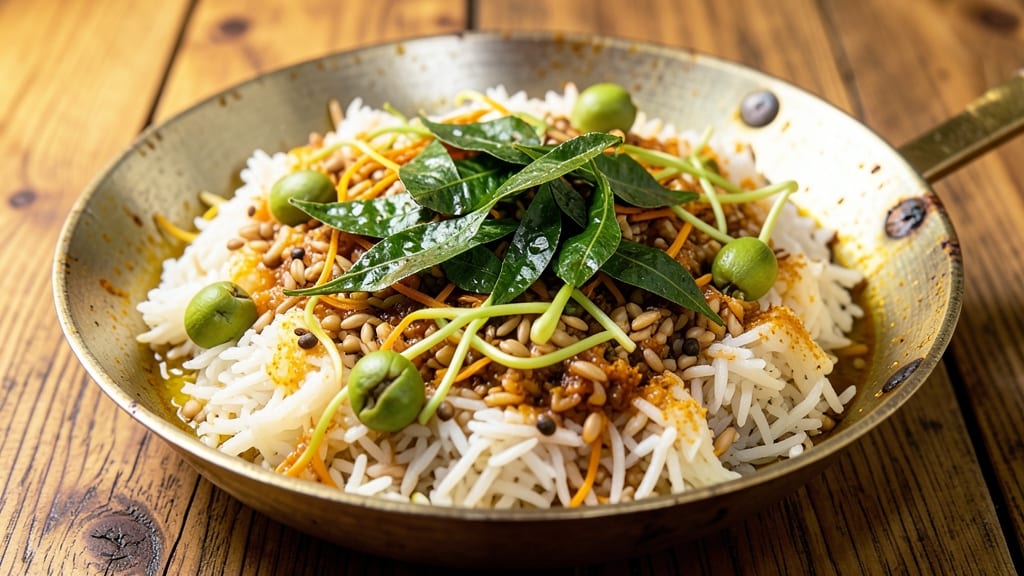
This Brinji rice recipe in Tamil transforms simple grains into a fragrant centerpiece of Tamil feasts, where saffron and cardamom infuse every bite with tradition. The one-pot magic lies in layering flavors—warm spices, tender grains, and aromatic sides—that come together effortlessly for gatherings or family meals.
At its heart, Brinji rice blends millet or rice with turmeric, mustard seeds, and curry leaves, creating a golden base that pairs perfectly with sambar, coconut chutney, or raita. The dish honors Tamil culinary heritage while adapting seamlessly to modern kitchens, proving that authenticity and simplicity go hand in hand.
Ingredients for brinji rice recipe in tamil
Traditional Tamil grains and aromatic spices transform into this fragrant one-pot masterpiece.
| Ingredient | Amount | Notes |
|---|---|---|
| Basmati Rice 🍚 | 1 ½ cups | Long-grain, uncooked, rinsed well |
| Millet (Optional) 🌾 | ½ cup | Foxtail or barnyard millet preferred |
| Yellow Saffron Strands 🌼 | ¼ tsp | High-quality, soaked in 2 tbsp warm water |
| Green Cardamom Pods 🌿 | 6 whole | Lightly crushed, seeds only if preferred |
| Turmeric Powder 🧂 | ½ tsp | Freshly ground preferred for vibrant color |
| Mustard Seeds 🌱 | 1 tbsp | Whole, light or dark variety |
| Curry Leaves 🌿 | ¼ cup | Fresh, tightly packed, stems removed |
| Ghee or Coconut Oil 🫒 | ½ cup | Traditional ghee for authentic flavor |
| Bay Leaves 🌿 | 2 whole | Lightly crushed for deeper flavor |
| Cumin Seeds 🌶️ | ½ tsp | Toasted lightly for aromatic punch |
| Salt 🧂 | 1 ½ tsp | Diamond Crystal preferred for balance |
| Water 💧 | 3 cups | Filtered or mineral preferred |
| Fresh Cilantro 🌿 | ¼ cup | Chopped, for garnish (optional) |
The heart of Brinji rice lies in its authentic grains and spices. For the rice, Basmati from India's Punjab region delivers the ideal texture, though Tamil Nadu's local millets add earthy depth when combined. Saffron should be Kashmiri or Iranian—the vibrant yellow strands are non-negotiable for that signature color. Cardamom pods must be whole and plump; discard any that are discolored or hollow. The mustard seeds and curry leaves are best sourced from Indian specialty stores like Patel Brothers or Spicewalla, where they're kept fresh and vibrant. For ghee, Amul or Gowardhan brands offer that rich, caramelized flavor traditional to Tamil cooking.
No saffron? Turmeric-infused milk (1/4 cup) plus a pinch of annatto creates a similar golden hue, though purists will notice the difference. Substituting millet? Quinoa or brown rice work in a pinch, though the texture won't be identical. For the spices, ground cumin can replace whole seeds at half the amount, but toasting whole seeds first unlocks deeper flavor. Curry leaves are tricky to find outside Indian markets—dried leaves at 1/4 the amount are better than skipping them entirely. The ghee/coconut oil ratio can be adjusted based on dietary preferences, though traditional recipes insist on ghee for that authentic richness.
Prep ahead for maximum flavor: soak the saffron in warm water for 10 minutes before adding to the rice, and toast your whole spices in a dry pan for 30 seconds to release their essential oils. The cooked rice keeps beautifully in an airtight container for 3-4 days in the fridge, though it's best served fresh with warm sambar and coconut chutney. For longer storage, freeze portions in single-serving containers—they reheat perfectly with a splash of water. The aroma alone will transform your kitchen into a Tamil feast.
Why You'll Love This Recipe
- No-Soaking Needed: I’ll admit, I used to dread soaking rice—until I realized this brinji rice only needs a quick rinse. The basmati fluffs up perfectly without it, and honestly? The millet (when I add it) soaks up flavors like a sponge while staying chewy.
- Golden Thread Magic: That yellow saffron isn’t just for show—it turns the rice a stunning golden hue while adding this subtle floral warmth. Pair it with a pinch of turmeric, and suddenly your rice tastes like it’s been simmered for hours, not 20 minutes.
- Leftover Hero: Between us, this rice improves the next day. The cardamom’s aroma deepens, and the grains separate just enough to reheat beautifully. I keep a batch in the fridge for lazy mornings or to toss into curries—no one ever guesses it’s been sitting there.
- Budget Bright Spot: Basmati’s affordable, millet’s optional (so no guilt if you skip it), and a few strands of saffron stretch further than you’d think. I’ve made this for 6 people for under $5—plus, the leftovers stretch into lunches without breaking the bank. Practical? Yes. Delicious? Absolutely.
Step-by-step instructions for brinji rice in Tamil
Master this traditional Tamil one-pot dish with aromatic saffron and cardamom.
Prepare the Saffron and Spice Base
Begin by soaking the 0.25 teaspoon yellow saffron strands in 2 tablespoons warm water for 5 minutes to release their vibrant color and delicate flavor. In a heavy-bottomed pot, heat 0.5 cup ghee or coconut oil over medium heat until it shimmers but doesn't smoke.
Add the 2 whole bay leaves and 6 whole green cardamom pods (lightly crushed if preferred) to the oil. Let them sizzle gently for 30 seconds until fragrant. This step develops the foundational aroma that defines brinji rice. I always use lightly crushed cardamom pods—their seeds release more flavor without becoming bitter.
Toast Whole Spices and Add Curry Leaves
Lower the heat to medium-low and add the 1 tablespoon mustard seeds and 0.5 teaspoon cumin seeds. Toast them for 45 seconds until they begin to pop and release their nutty aroma. Immediately add the 0.25 cup curry leaves and stir for 30 seconds until they darken slightly—this preserves their fresh flavor while preventing bitterness.
The curry leaves should sizzle gently but not burn. If they darken too quickly, reduce the heat slightly. This step is crucial for that authentic Tamil flavor profile that sets brinji rice apart from other rice dishes.
Cook the Rice with Aromatics
Add the 1.5 cups basmati rice (rinsed well) and the 0.5 cup millet (if using) to the pot. Stir gently to coat the grains with the aromatic oil. Sprinkle the 0.5 teaspoon turmeric powder evenly over the rice and mix once more to distribute.
Pour in the 3 cups water and the saffron-soaking liquid. Add the 1.5 teaspoons salt and bring to a gentle boil. Once boiling, reduce heat to low and cover the pot with a tight-fitting lid. Let it cook undisturbed for 12 minutes—this initial cooking period allows the rice to absorb moisture evenly.
Steam and Rest for Perfect Texture
After 12 minutes, turn off the heat completely and let the rice steam in the covered pot for an additional 10 minutes. This resting period is essential for developing the signature brinji rice texture—fluffy yet slightly firm with distinct grains.
I've found that removing the pot from heat and letting it sit off the stove ensures even cooking throughout. The residual heat continues to cook the rice gently without risking burning. After resting, fluff the rice gently with a fork and let it sit covered for 5 minutes before serving.
Garnish and Serve
Transfer the brinji rice to a serving bowl and garnish with the 0.25 cup chopped fresh cilantro. The cilantro adds a bright contrast to the rich, aromatic rice. Serve immediately while still warm, as brinji rice tastes best when enjoyed fresh from the pot.
This traditional Tamil preparation yields rice with a delicate saffron hue and complex cardamom-mustard flavor profile. The optional millet adds a subtle nuttiness that complements the basmati perfectly. For an authentic experience, serve with a side of coconut chutney or spicy sambar.
Pro Tips For Making Brinji Rice Recipe In Tamil
- Toast the millet first: If you’re using millet, dry-toast it in a pan for 3-4 minutes until it smells nutty—this cuts the earthy bite and makes the texture lighter. I learned this the hard way when my first batch tasted like birdseed.
- Soak saffron like a pro: Crush the saffron strands with the back of a spoon, then steep them in 2 tablespoons of warm milk (not boiling) for 10 minutes. This extracts the color and flavor better than just tossing them in later—your rice will look golden, not streaky.
- Don’t skip the cardamom crush: Lightly pound the green cardamom pods with a mortar or rolling pin before adding them to the rice. This releases the oils and aroma, giving your dish that fragrant depth instead of just a faint whiff.
- Watch the turmeric timing: Add turmeric powder after the rice has absorbed most of the water, not at the start. This prevents the rice from turning yellowish-gray—it keeps the color bright and the flavor balanced. (Yes, even if your recipe says otherwise.)
Best sauces and condiments for brinji rice recipe in tamil
Sambar Pairing
No brinji rice is complete without its classic companion—sambar. This lentil-based stew with tamarind, tomatoes, and spices creates the perfect balance to the fragrant rice. I recommend using toor dal and moong dal combination for a hearty texture.
Add 1 tablespoon sambar powder (available at Indian grocery stores) and 1 tsp asafoetida (hing) for that authentic umami kick. The tangy-savory contrast makes every bite unforgettable. 🌶️
Coconut Chutney
A dollop of coconut chutney elevates brinji rice to festive levels. Blend 1 cup grated coconut, 2 green chilies, 1 tbsp roasted cumin powder, and ½ tsp turmeric with water until smooth.
The creamy, slightly sweet chutney cuts through the rice's richness while adding a tropical note that feels distinctly Tamil. Serve it warm alongside the rice for maximum impact.
Raita Refreshment
Cool down the spice with a side of cucumber raita. Mix 1 cup grated cucumber, ½ cup plain yogurt, 1 tsp roasted cumin powder, and salt to taste. The yogurt's tanginess and cucumber's crunch provide a refreshing contrast to the warm, aromatic rice.
For extra freshness, add 1 tbsp chopped mint leaves and a pinch of black salt (kala namak) for that signature Indian touch.
Pickled Vegetables
Add a tangy crunch with mango or carrot pickles. The sweet-sour flavors from 1 tbsp mango pickle or ½ cup carrot pickle (available at Indian specialty stores) cut through the richness of the brinji rice beautifully.
I love using Patel Brothers' mango pickle for its perfect balance of sweet and sour. Serve a small bowl on the side for guests to scoop alongside their rice.
Spicy Tomato Onion Salad
For a lighter option, try a spicy tomato-onion salad. Dice 2 large tomatoes and 1 red onion, then toss with 1 tbsp lime juice, 1 tsp chaat masala, and salt to taste.
The bright acidity and crunch make this a refreshing counterpoint to the rich rice. Garnish with cilantro leaves for an extra burst of freshness that complements the dish perfectly. ✨
Garnish Ideas
Elevate your brinji rice presentation with these garnishes: a sprinkle of toasted cashews adds crunch, while fried shallots add a savory depth. For a pop of color, try edible rose petals or a drizzle of mango powder (available at Indian markets).
These finishing touches not only enhance flavor but also make your dish look like a restaurant-quality feast. Serve with a side of papadums for the ultimate Tamil meal experience.
Nutrition facts
Frequently asked questions
What makes brinji rice different from regular basmati rice?
Brinji rice stands out with its fragrant saffron and cardamom infusion, plus the addition of millet or whole spices like mustard seeds and curry leaves. The cooking method—steaming after initial boiling—creates a distinct texture that's fluffier yet firmer than regular basmati. The golden hue and layered flavors make it a centerpiece for Tamil feasts.
Can I make brinji rice without saffron?
Yes! For a budget-friendly version, substitute with ½ teaspoon turmeric + 1 teaspoon annatto powder (or 1 tablespoon turmeric-infused milk). While the color won't be identical, the flavor remains rich. The key is still toasting the spices properly—the aromatic base is what matters most for that authentic taste.
How do I store leftover brinji rice?
Transfer to an airtight container and refrigerate for up to 4 days. For longer storage, freeze portions in single-serving containers for up to 3 months. Reheat gently with 1 tablespoon water per cup of rice in a steamer or microwave. Never reheat dry—it ruins the texture!
What's the best way to serve brinji rice for a Tamil wedding?
For a festive spread, serve with sambar, coconut chutney, and raita in layered steel bowls. Add papadums, mango pickle, and fried shallots as garnishes. For extra elegance, use banana leaf platters and serve with golden rice spoons. The combination of textures and flavors creates the perfect Tamil wedding centerpiece.
Can I make brinji rice in an Instant Pot?
Yes! Use the rice cooker setting for 6 minutes after pressure builds, then let it steam for 10 minutes off heat. Add the saffron water with the rice and follow the same spice toasting steps. The Instant Pot version cooks faster but may need 1 extra tablespoon water to prevent burning.